Bentley Lodge Care & Nursing Home

At a Glance
The information you need to decide whether this home warrants a closer look.
Nursing homes
Staff warmth score
of reviewers answered yes
Good to know
- Registered beds56
- SpecialismsCaring for adults over 65 yrs, Caring for adults under 65 yrs, Dementia, Physical disabilities, Sensory impairment
- Last inspected2021-05-29
Save Bentley Lodge Care & Nursing Home to your shortlist
Keep a running list, add visit notes, and compare homes side-by-side. Free account — it takes a minute.
STAGE 4 — RESEARCHING CARE HOMES
Visit homes. Compare them side by side. Choose with confidence.
Most of us will view care homes the way we view houses, impression, atmosphere, the feeling in the corridor. We go home, try to remember what we saw, and make a permanent decision from a blurred memory.

The DCC shortlist gives every home you visit a structured record: the same twelve questions, answered the same way, every time. When you’re ready to choose, pull any two homes side by side and compare them directly. Same criteria, same evidence, your notes and your scores.
The Evidence
What the review data, the inspection reports, and the dementia-care evidence base tell us about this home.
What families say
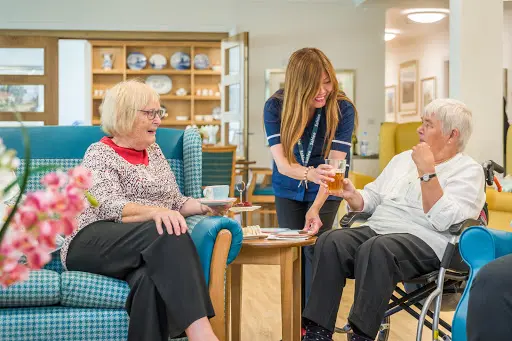
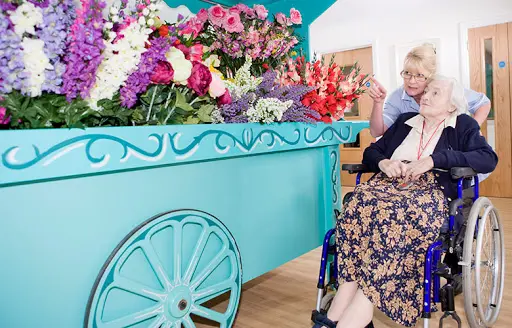
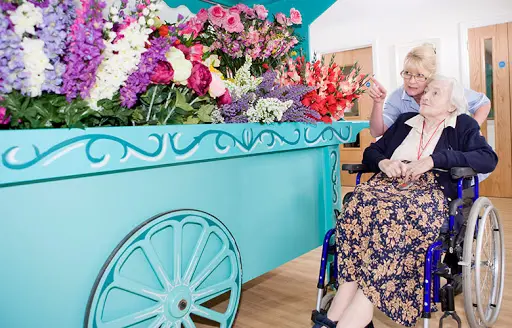
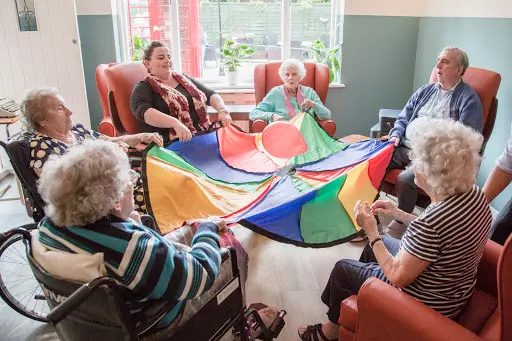
Families often notice how the activity programme helps their relatives reconnect with life. People describe seeing real improvements in mood and social engagement after moving in. The varied schedule of music sessions, handicrafts and entertainment gives residents regular opportunities to participate and interact with others.
The eight family priority themes
- Staff warmth72
- Compassion & dignity72
- Cleanliness70
- Activities & engagement65
- Food quality65
- Healthcare70
- Management & leadership75
- Resident happiness70
What inspectors found
Inspected 2021-05-29
Is this home safe?
Is the care effective?
The home was rated Good for Effective at its September 2025 inspection. This domain covers training, care planning, nutrition, and healthcare access. The home lists dementia as a specialism, which means inspectors will have considered whether staff have appropriate training. No specific detail about care plan content, GP access arrangements, or food quality is included in the published report.Is this home caring?
The home received a Good rating for Caring at its September 2025 inspection. This domain covers staff warmth, dignity, respect, and whether people are supported to maintain independence. No specific inspector observations, such as whether staff knocked before entering rooms or used residents' preferred names, are recorded in the published summary. No resident or family quotes are available.Is the home responsive?
The home was rated Good for Responsive at its September 2025 inspection. This domain covers activities, individualised care, complaints handling, and end-of-life care. The home lists dementia, physical disabilities, and sensory impairment as specialisms, suggesting a range of needs are catered for. No specific detail about the activities programme, one-to-one engagement, or how individual preferences are acted on is included in the published report.Is the home well-led?
The home was rated Good for Well-led at its September 2025 inspection, improving from a previous Requires Improvement. A named registered manager, Mrs Julie Winifred Hynd, and a nominated individual, Mr Riyaz Merali, are recorded as being in post. The Good Well-led rating covers governance, staff culture, learning from incidents, and communication with families. No specific detail about how leadership operates day to day is included in the published report.
Source: CQC inspection report →
What the evidence base says
The home supports people with various needs including dementia, physical disabilities and sensory impairments. They welcome both younger adults under 65 and older residents. For residents with dementia, the structured activity programme provides important routine and stimulation. The social activities and entertainment sessions help maintain connections and engagement. All areas worth probing directly during a visit.
The DCC Verdict
Our editorial view, built from the three lenses: what families tell us, what inspectors record, and how the home sits against good dementia-care practice.
DCC Family Score
Bentley Lodge has improved from Requires Improvement to Good across all five inspection domains, which is a meaningful step forward. However, the published report contains very little specific detail, so most scores reflect that improvement trend rather than direct inspector observations or resident testimony.
Homes in South East typically score 68–82.The three-lens summary
What families tell us
Families often notice how the activity programme helps their relatives reconnect with life. People describe seeing real improvements in mood and social engagement after moving in. The varied schedule of music sessions, handicrafts and entertainment gives residents regular opportunities to participate and interact with others.
What inspectors have recorded
Office staff work to resolve issues quickly when families raise concerns. Some visitors have noticed that care staff can seem stretched at busy times. There have been concerns raised about response times to call bells and the level of attention given to residents who spend time in their rooms.
How it sits against good practice
Understanding what daily life might look like for your relative helps when making care decisions.
Worth a visit
Bentley Lodge Care Home in Farnham was assessed on 25 September 2025 and rated Good across all five inspection domains: Safe, Effective, Caring, Responsive, and Well-led. This is a notable improvement from a previous Requires Improvement rating, and it tells you that inspectors found the home had addressed whatever concerns were recorded before. The home is a 56-bed nursing home with specialist services for dementia, physical disabilities, and sensory impairment, and it has a named registered manager and nominated individual in post. The main uncertainty is straightforward: the published report summary contains very little specific detail. There are no inspector observations, no resident or family quotes, and no descriptions of what daily life actually looks like at Bentley Lodge. A Good rating is meaningful, but it is a starting point for your visit rather than the full picture. When you go, ask to see last week's staffing rota to check permanent versus agency cover, particularly on night shifts. Watch how staff interact with residents in corridors and communal areas, whether they use names, whether they seem unhurried, and whether residents look settled and engaged. Those observations will tell you more than any rating can.
The three questions to ask when you visitSave this home. Compare it against your shortlist.
Let our analysis show you how Bentley Lodge Care & Nursing Home measures up against the other homes you’re considering. Free account.
In Their Own Words
How Bentley Lodge Care & Nursing Home describes itself — collected from its own website. DCC has not edited or independently verified the content in this tab.
Where activities and social connection help residents rediscover joy
Nursing home in Farnham: True Peace of Mind
When someone you love needs specialist care, you want to know they'll have chances to engage and connect every day. Bentley Lodge Care Home in Farnham focuses on bringing residents together through music, crafts, quizzes and entertainment. The home provides support for people with dementia, physical disabilities and sensory impairments, welcoming both younger and older adults who need residential care.
Who they care for
The home supports people with various needs including dementia, physical disabilities and sensory impairments. They welcome both younger adults under 65 and older residents.
For residents with dementia, the structured activity programme provides important routine and stimulation. The social activities and entertainment sessions help maintain connections and engagement.
“Understanding what daily life might look like for your relative helps when making care decisions.”
DCC does not edit or curate content in this tab. For independently curated information, see The Evidence and DCC Verdict.
The DCC Verdict
Our editorial view, built from the three lenses: what families tell us, what inspectors record, and how the home sits against good dementia-care practice.
DCC Family Score
Bentley Lodge has improved from Requires Improvement to Good across all five inspection domains, which is a meaningful step forward. However, the published report contains very little specific detail, so most scores reflect that improvement trend rather than direct inspector observations or resident testimony.
Homes in South East typically score 68–82.The three-lens summary
What families tell us
Families often notice how the activity programme helps their relatives reconnect with life. People describe seeing real improvements in mood and social engagement after moving in. The varied schedule of music sessions, handicrafts and entertainment gives residents regular opportunities to participate and interact with others.
What inspectors have recorded
Office staff work to resolve issues quickly when families raise concerns. Some visitors have noticed that care staff can seem stretched at busy times. There have been concerns raised about response times to call bells and the level of attention given to residents who spend time in their rooms.
How it sits against good practice
Understanding what daily life might look like for your relative helps when making care decisions.
Worth a visit
Bentley Lodge Care Home in Farnham was assessed on 25 September 2025 and rated Good across all five inspection domains: Safe, Effective, Caring, Responsive, and Well-led. This is a notable improvement from a previous Requires Improvement rating, and it tells you that inspectors found the home had addressed whatever concerns were recorded before. The home is a 56-bed nursing home with specialist services for dementia, physical disabilities, and sensory impairment, and it has a named registered manager and nominated individual in post. The main uncertainty is straightforward: the published report summary contains very little specific detail. There are no inspector observations, no resident or family quotes, and no descriptions of what daily life actually looks like at Bentley Lodge. A Good rating is meaningful, but it is a starting point for your visit rather than the full picture. When you go, ask to see last week's staffing rota to check permanent versus agency cover, particularly on night shifts. Watch how staff interact with residents in corridors and communal areas, whether they use names, whether they seem unhurried, and whether residents look settled and engaged. Those observations will tell you more than any rating can.
The three questions to ask when you visitSave this home. Compare it against your shortlist.
Let our analysis show you how Bentley Lodge Care & Nursing Home measures up against the other homes you’re considering. Free account.
In Their Own Words
How Bentley Lodge Care & Nursing Home describes itself — collected from its own website. DCC has not edited or independently verified the content in this tab.
Where activities and social connection help residents rediscover joy
Nursing home in Farnham: True Peace of Mind
When someone you love needs specialist care, you want to know they'll have chances to engage and connect every day. Bentley Lodge Care Home in Farnham focuses on bringing residents together through music, crafts, quizzes and entertainment. The home provides support for people with dementia, physical disabilities and sensory impairments, welcoming both younger and older adults who need residential care.
Who they care for
The home supports people with various needs including dementia, physical disabilities and sensory impairments. They welcome both younger adults under 65 and older residents.
For residents with dementia, the structured activity programme provides important routine and stimulation. The social activities and entertainment sessions help maintain connections and engagement.
Management & ethos
Office staff work to resolve issues quickly when families raise concerns. Some visitors have noticed that care staff can seem stretched at busy times. There have been concerns raised about response times to call bells and the level of attention given to residents who spend time in their rooms.
The home & environment
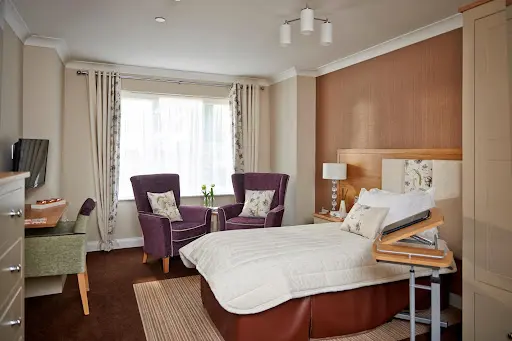
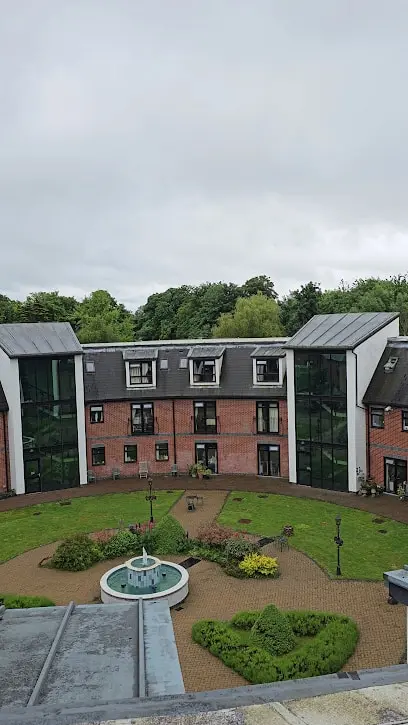
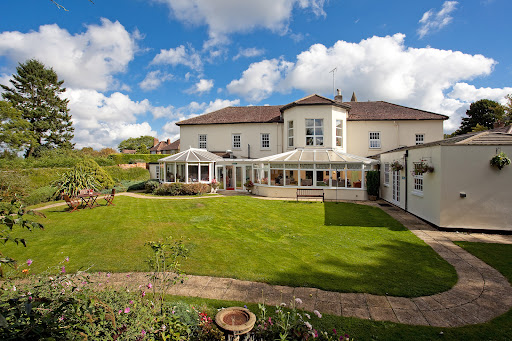
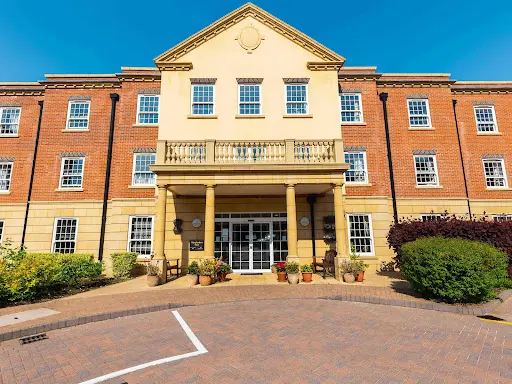
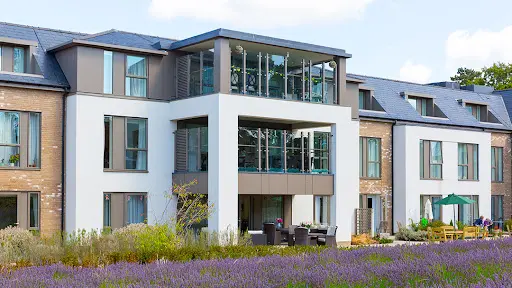
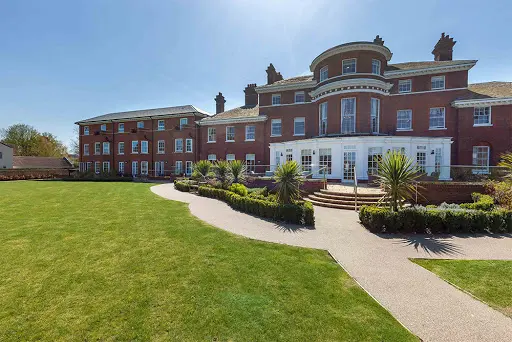
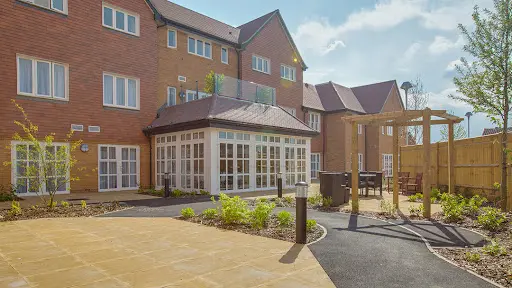
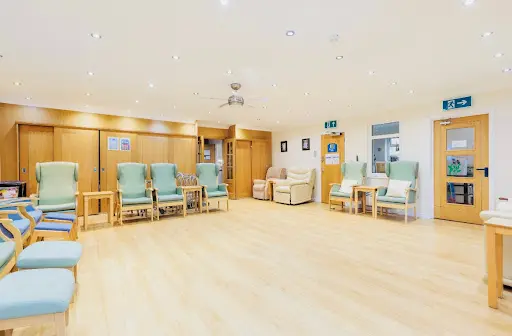
The home continues developing its spaces to give residents more choices. Recent additions include a music wall, cinema area and bar space, with plans for a forest area too. Meals are well-received, with residents regularly finishing their food.
“Understanding what daily life might look like for your relative helps when making care decisions.”
DCC does not edit or curate content in this tab. For independently curated information, see The Evidence and DCC Verdict.