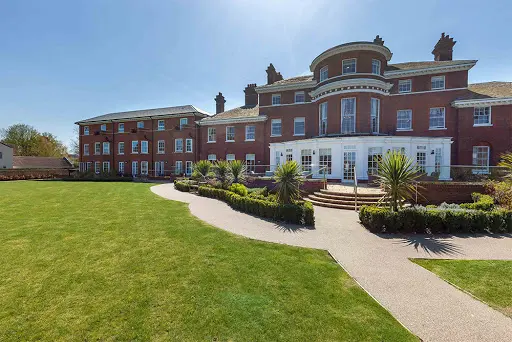
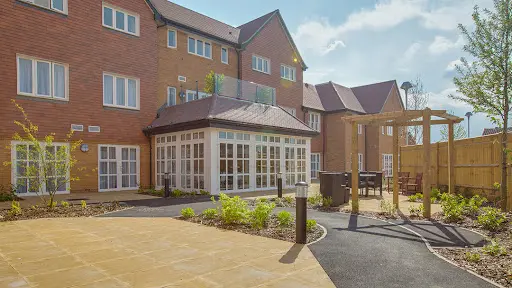
Hatch Mill
At a Glance
The information you need to decide whether this home warrants a closer look.
Nursing homes
Staff warmth score
of reviewers answered yes
Good to know
- Registered beds48
- SpecialismsCaring for adults over 65 yrs, Dementia, Physical disabilities
- Last inspected2019-06-13
Save Hatch Mill to your shortlist
Keep a running list, add visit notes, and compare homes side-by-side. Free account — it takes a minute.
STAGE 4 — RESEARCHING CARE HOMES
Visit homes. Compare them side by side. Choose with confidence.
Most of us will view care homes the way we view houses, impression, atmosphere, the feeling in the corridor. We go home, try to remember what we saw, and make a permanent decision from a blurred memory.

The DCC shortlist gives every home you visit a structured record: the same twelve questions, answered the same way, every time. When you’re ready to choose, pull any two homes side by side and compare them directly. Same criteria, same evidence, your notes and your scores.
The Evidence
What the review data, the inspection reports, and the dementia-care evidence base tell us about this home.
What families say
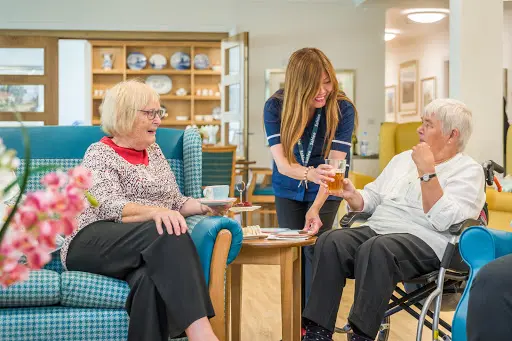
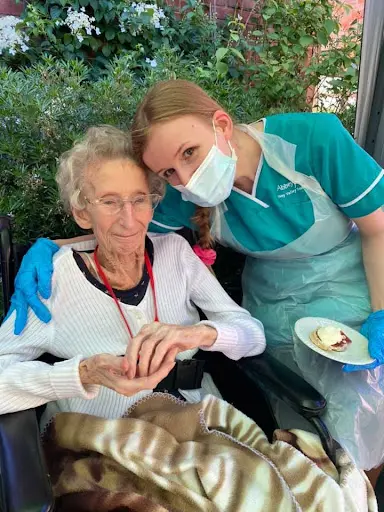
Visitors often mention how staff create a positive atmosphere from the moment you walk through the door. The team's unified approach shines through, with residents treated with genuine dignity in their daily routines.
The eight family priority themes
- Staff warmth72
- Compassion & dignity72
- Cleanliness70
- Activities & engagement60
- Food quality60
- Healthcare68
- Management & leadership74
- Resident happiness68
What inspectors found
Inspected 2019-06-13
Is this home safe?
Is the care effective?
The Effective domain was rated Good at the November 2020 inspection. This domain covers care planning, dementia training, healthcare coordination, nutrition, and access to GPs and other professionals. The published summary does not include specific detail on any of these areas. Dementia is listed as a registered specialism, which means the home has declared competence in this area to the regulator.Is this home caring?
The Caring domain was rated Good at the November 2020 inspection. This domain covers staff warmth, dignity, respect, privacy, and independence. The published summary contains no inspector observations, no quotes from residents or relatives, and no specific examples of caring practice. A Good rating indicates the inspection team was satisfied with the quality of staff interactions at the time of their visit.Is the home responsive?
The Responsive domain was rated Good at the November 2020 inspection. This domain covers activities, individual engagement, responsiveness to preferences, complaints handling, and end-of-life care. The published summary contains no specific detail on any of these areas. No examples of individual activity planning, one-to-one engagement, or end-of-life practice are recorded.Is the home well-led?
The Well-led domain was rated Good at the November 2020 inspection, up from Requires Improvement at the previous inspection. A named registered manager, Mrs Tammie Baker, and a nominated individual, Mrs Sally Ann Tidy, were identified in the report. The improvement across all five domains from the previous inspection suggests that leadership drove meaningful change. The published summary contains no further detail on governance, staff culture, or how the manager operates day to day.
Source: CQC inspection report →
What the evidence base says
Hatch Mill specialises in dementia care alongside support for physical disabilities, welcoming adults over 65. The home's structured approach extends to managing different care needs with appropriate supervision levels. The team demonstrates real understanding of dementia care through their focus on dignity and appropriate supervision. Their proactive approach to family communication helps relatives stay connected with their loved one's care journey. All areas worth probing directly during a visit.
The DCC Verdict
Our editorial view, built from the three lenses: what families tell us, what inspectors record, and how the home sits against good dementia-care practice.
DCC Family Score
Hatch Mill scores 72 out of 100, reflecting a Good rating across all five inspection domains following a meaningful improvement from Requires Improvement. The score is held back by limited specific detail in the published inspection text on food, activities, and individual care.
Homes in South East typically score 68–82.The three-lens summary
What families tell us
Visitors often mention how staff create a positive atmosphere from the moment you walk through the door. The team's unified approach shines through, with residents treated with genuine dignity in their daily routines.
What inspectors have recorded
What stands out here is the systematic approach to care — regular staff training is properly documented, and health and safety checks happen like clockwork. Families appreciate the proactive communication, with the team reaching out regularly rather than waiting to be asked.
How it sits against good practice
For families seeking systematic, respectful care in the Farnham area, a visit here could offer the reassurance you're looking for.
Worth a visit
Hatch Mill, on Mike Hawthorn Drive in Farnham, was rated Good across all five inspection domains at its most recent inspection in November 2020, with the report published in December 2020. This is a meaningful result because the home had previously been rated Requires Improvement, meaning inspectors returned and found real, demonstrable change. The home is registered for 48 beds and specialises in nursing care for adults over 65, including people with dementia and physical disabilities. A named registered manager and nominated individual were in post at the time of inspection. The main caution here is that the published inspection summary contains very little specific detail. There are no inspector observations, no quotes from residents or relatives, and no descriptions of individual practices. That means a Good rating is confirmed but the evidence behind it is thin in what is publicly available. This inspection also took place in November 2020, during the pandemic, which may have affected what inspectors were able to observe. The review in July 2023 found no reason to change the rating, which is reassuring, but a revisit has not taken place since 2020. When you visit, ask to see the most recent resident and relative satisfaction survey, ask about night staffing numbers, and walk the dementia unit yourself to observe how staff interact with residents who are not in a group setting.
The three questions to ask when you visitSave this home. Compare it against your shortlist.
Let our analysis show you how Hatch Mill measures up against the other homes you’re considering. Free account.
In Their Own Words
How Hatch Mill describes itself — collected from its own website. DCC has not edited or independently verified the content in this tab.
Where thorough training meets genuine respect for residents
Hatch Mill – Expert Care in Farnham
When families need dementia care they can trust, the systematic approach at Hatch Mill in Farnham brings real reassurance. This care home has built its reputation on documented standards and consistent communication with relatives. The team here understands that caring for someone with dementia means keeping families informed every step of the way.
Who they care for
Hatch Mill specialises in dementia care alongside support for physical disabilities, welcoming adults over 65. The home's structured approach extends to managing different care needs with appropriate supervision levels.
The team demonstrates real understanding of dementia care through their focus on dignity and appropriate supervision. Their proactive approach to family communication helps relatives stay connected with their loved one's care journey.
“For families seeking systematic, respectful care in the Farnham area, a visit here could offer the reassurance you're looking for.”
DCC does not edit or curate content in this tab. For independently curated information, see The Evidence and DCC Verdict.
The DCC Verdict
Our editorial view, built from the three lenses: what families tell us, what inspectors record, and how the home sits against good dementia-care practice.
DCC Family Score
Hatch Mill scores 72 out of 100, reflecting a Good rating across all five inspection domains following a meaningful improvement from Requires Improvement. The score is held back by limited specific detail in the published inspection text on food, activities, and individual care.
Homes in South East typically score 68–82.The three-lens summary
What families tell us
Visitors often mention how staff create a positive atmosphere from the moment you walk through the door. The team's unified approach shines through, with residents treated with genuine dignity in their daily routines.
What inspectors have recorded
What stands out here is the systematic approach to care — regular staff training is properly documented, and health and safety checks happen like clockwork. Families appreciate the proactive communication, with the team reaching out regularly rather than waiting to be asked.
How it sits against good practice
For families seeking systematic, respectful care in the Farnham area, a visit here could offer the reassurance you're looking for.
Worth a visit
Hatch Mill, on Mike Hawthorn Drive in Farnham, was rated Good across all five inspection domains at its most recent inspection in November 2020, with the report published in December 2020. This is a meaningful result because the home had previously been rated Requires Improvement, meaning inspectors returned and found real, demonstrable change. The home is registered for 48 beds and specialises in nursing care for adults over 65, including people with dementia and physical disabilities. A named registered manager and nominated individual were in post at the time of inspection. The main caution here is that the published inspection summary contains very little specific detail. There are no inspector observations, no quotes from residents or relatives, and no descriptions of individual practices. That means a Good rating is confirmed but the evidence behind it is thin in what is publicly available. This inspection also took place in November 2020, during the pandemic, which may have affected what inspectors were able to observe. The review in July 2023 found no reason to change the rating, which is reassuring, but a revisit has not taken place since 2020. When you visit, ask to see the most recent resident and relative satisfaction survey, ask about night staffing numbers, and walk the dementia unit yourself to observe how staff interact with residents who are not in a group setting.
The three questions to ask when you visitSave this home. Compare it against your shortlist.
Let our analysis show you how Hatch Mill measures up against the other homes you’re considering. Free account.
In Their Own Words
How Hatch Mill describes itself — collected from its own website. DCC has not edited or independently verified the content in this tab.
Where thorough training meets genuine respect for residents
Hatch Mill – Expert Care in Farnham
When families need dementia care they can trust, the systematic approach at Hatch Mill in Farnham brings real reassurance. This care home has built its reputation on documented standards and consistent communication with relatives. The team here understands that caring for someone with dementia means keeping families informed every step of the way.
Who they care for
Hatch Mill specialises in dementia care alongside support for physical disabilities, welcoming adults over 65. The home's structured approach extends to managing different care needs with appropriate supervision levels.
The team demonstrates real understanding of dementia care through their focus on dignity and appropriate supervision. Their proactive approach to family communication helps relatives stay connected with their loved one's care journey.
Management & ethos
What stands out here is the systematic approach to care — regular staff training is properly documented, and health and safety checks happen like clockwork. Families appreciate the proactive communication, with the team reaching out regularly rather than waiting to be asked.
The home & environment
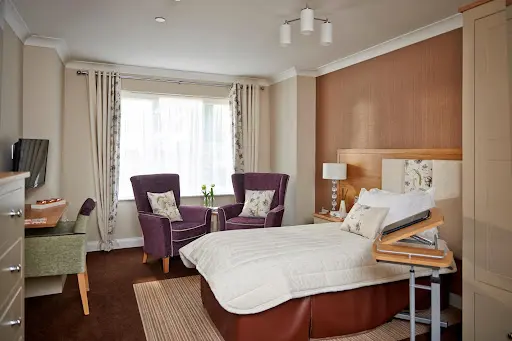
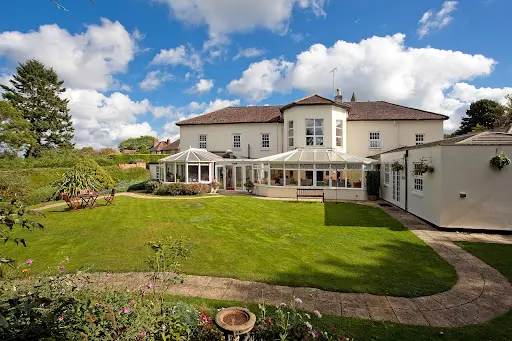
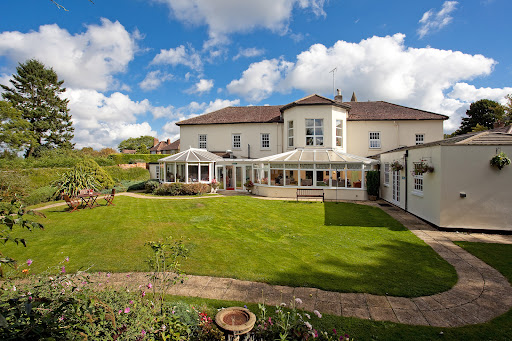
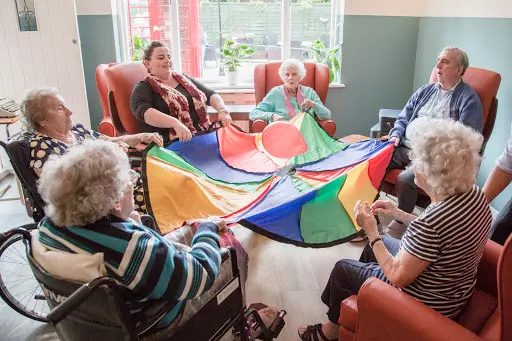
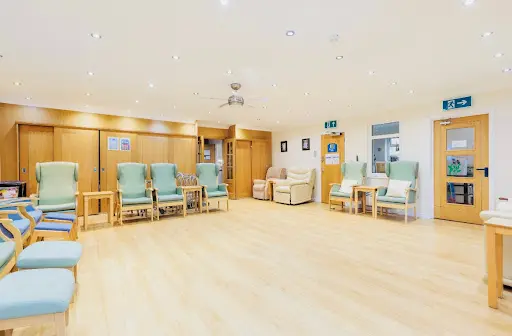
The home maintains notably high standards of cleanliness throughout, with particular attention to odour management. Regular entertainment and structured activities form part of the daily routine, giving residents variety in their day.
“For families seeking systematic, respectful care in the Farnham area, a visit here could offer the reassurance you're looking for.”
DCC does not edit or curate content in this tab. For independently curated information, see The Evidence and DCC Verdict.