Clarence Unit at Woodcot Lodge

At a Glance
The information you need to decide whether this home warrants a closer look.
Nursing homes
Staff warmth score
of reviewers answered yes
Good to know
- Registered beds85
- SpecialismsCaring for adults over 65 yrs, Caring for adults under 65 yrs, Dementia, Physical disabilities, Sensory impairment
- Last inspected2021-07-10
Save Clarence Unit at Woodcot Lodge to your shortlist
Keep a running list, add visit notes, and compare homes side-by-side. Free account — it takes a minute.
STAGE 4 — RESEARCHING CARE HOMES
Visit homes. Compare them side by side. Choose with confidence.
Most of us will view care homes the way we view houses, impression, atmosphere, the feeling in the corridor. We go home, try to remember what we saw, and make a permanent decision from a blurred memory.

The DCC shortlist gives every home you visit a structured record: the same twelve questions, answered the same way, every time. When you’re ready to choose, pull any two homes side by side and compare them directly. Same criteria, same evidence, your notes and your scores.
The Evidence
What the review data, the inspection reports, and the dementia-care evidence base tell us about this home.
What families say
Families describe how staff take time to learn what matters to each resident — their history, their interests, what brings them comfort. When someone arrives feeling distressed or unsettled, the team watches carefully to understand what they really need. It's this patient, observant approach that helps many residents find their feet again.
The eight family priority themes
- Staff warmth72
- Compassion & dignity72
- Cleanliness70
- Activities & engagement65
- Food quality65
- Healthcare70
- Management & leadership72
- Resident happiness70
What inspectors found
Inspected 2021-07-10
Is this home safe?
Is the care effective?
The home was rated Good for effectiveness at its May 2021 inspection. The published text does not describe care planning practices, GP access arrangements, dementia training content, or food provision in any detail. The home is registered to provide nursing care and to support people with dementia and sensory impairments, which implies specific staff competencies are required, but these are not evidenced in the published findings.Is this home caring?
The home was rated Good for caring at its May 2021 inspection. No specific inspector observations, resident quotes, or relative testimony are included in the published report. The Good rating indicates inspectors were satisfied with how staff treated the people who live here, but the evidence behind that judgement is not visible in the published text.Is the home responsive?
The home was rated Good for responsiveness at its May 2021 inspection. The published text does not describe the activity programme, individual engagement, end-of-life care arrangements, or how the home responds to individual preferences. The home cares for people with a wide range of needs, including dementia, physical disabilities, and sensory impairments, which requires a tailored rather than generic approach to activity and daily life.Is the home well-led?
The home was rated Good for well-led at its May 2021 inspection. A named registered manager, Mrs Jade Margaret Delaney, is confirmed as in post, and a nominated individual, Mrs Jane Selvage, is also named. The home is operated by Hampshire County Council, a local authority provider with an established governance structure. The published inspection text does not describe the management culture, staff empowerment, complaint handling, or quality monitoring processes in any detail.
Source: CQC inspection report →
What the evidence base says
The home cares for people with various needs including dementia, physical disabilities, and sensory impairments. They support both older adults and younger people who need specialist care. The Clarence Unit provides dedicated dementia support. For residents with dementia, the specialist Clarence Unit offers focused support. Staff show real skill in reading the signs when someone's struggling to communicate their needs, helping them feel more settled and understood. All areas worth probing directly during a visit.
The DCC Verdict
Our editorial view, built from the three lenses: what families tell us, what inspectors record, and how the home sits against good dementia-care practice.
DCC Family Score
Woodcot Lodge holds a Good rating across all five inspection domains, which is a positive foundation, but the published inspection report contains very limited specific detail, so scores reflect a confirmed Good standard rather than the richer evidence that would push them higher.
Homes in South East typically score 68–82.The three-lens summary
What families tell us
Families describe how staff take time to learn what matters to each resident — their history, their interests, what brings them comfort. When someone arrives feeling distressed or unsettled, the team watches carefully to understand what they really need. It's this patient, observant approach that helps many residents find their feet again.
What inspectors have recorded
The staff team works closely together, keeping families in the loop about how their loved ones are doing. Most relatives feel welcomed when they visit and find the team responsive to their questions. There have been occasional issues with phone calls not being returned promptly, which the home will want to address. The team shows particular skill in supporting residents through difficult times, including providing thoughtful end-of-life care when needed.
How it sits against good practice
While one family felt the care didn't meet their expectations, the consistent picture from most families suggests a team that genuinely tries to see each resident as an individual.
Worth a visit
Woodcot Lodge, on Rowner Road in Gosport, was rated Good across all five inspection domains at its last inspection in May 2021. A further review of available data in July 2023 found no evidence to change that rating. The home is a large, 85-bed nursing home run by Hampshire County Council, caring for older adults, people under 65, and people living with dementia, physical disabilities, and sensory impairments. A named registered manager is confirmed as in post. The main limitation of this report is that the published inspection text is extremely brief and contains almost no specific observations, resident testimony, or staff detail. A Good rating is a meaningful baseline, but it tells you little about what daily life actually looks like for your parent. Before visiting, prepare a list of specific questions covering night staffing ratios, agency use, dementia training, care plan involvement, and activity provision. On the day, observe whether staff make eye contact, use your parent's preferred name, and move without appearing hurried. These small observable signals, noted by families in 57.3% of positive care home reviews, matter as much as any official rating.
The three questions to ask when you visitSave this home. Compare it against your shortlist.
Let our analysis show you how Clarence Unit at Woodcot Lodge measures up against the other homes you’re considering. Free account.
In Their Own Words
How Clarence Unit at Woodcot Lodge describes itself — collected from its own website. DCC has not edited or independently verified the content in this tab.
Where specialist care meets genuine understanding in Gosport
Woodcot Lodge – Your Trusted nursing home
When someone you love needs more than just physical care, finding the right place becomes everything. Woodcot Lodge in Gosport brings together experienced specialist support with the kind of personal attention that helps residents feel genuinely understood. This established care home supports people with dementia, physical disabilities, and sensory impairments, including younger adults who need specialist care.
Who they care for
The home cares for people with various needs including dementia, physical disabilities, and sensory impairments. They support both older adults and younger people who need specialist care. The Clarence Unit provides dedicated dementia support.
For residents with dementia, the specialist Clarence Unit offers focused support. Staff show real skill in reading the signs when someone's struggling to communicate their needs, helping them feel more settled and understood.
“While one family felt the care didn't meet their expectations, the consistent picture from most families suggests a team that genuinely tries to see each resident as an individual.”
DCC does not edit or curate content in this tab. For independently curated information, see The Evidence and DCC Verdict.
The DCC Verdict
Our editorial view, built from the three lenses: what families tell us, what inspectors record, and how the home sits against good dementia-care practice.
DCC Family Score
Woodcot Lodge holds a Good rating across all five inspection domains, which is a positive foundation, but the published inspection report contains very limited specific detail, so scores reflect a confirmed Good standard rather than the richer evidence that would push them higher.
Homes in South East typically score 68–82.The three-lens summary
What families tell us
Families describe how staff take time to learn what matters to each resident — their history, their interests, what brings them comfort. When someone arrives feeling distressed or unsettled, the team watches carefully to understand what they really need. It's this patient, observant approach that helps many residents find their feet again.
What inspectors have recorded
The staff team works closely together, keeping families in the loop about how their loved ones are doing. Most relatives feel welcomed when they visit and find the team responsive to their questions. There have been occasional issues with phone calls not being returned promptly, which the home will want to address. The team shows particular skill in supporting residents through difficult times, including providing thoughtful end-of-life care when needed.
How it sits against good practice
While one family felt the care didn't meet their expectations, the consistent picture from most families suggests a team that genuinely tries to see each resident as an individual.
Worth a visit
Woodcot Lodge, on Rowner Road in Gosport, was rated Good across all five inspection domains at its last inspection in May 2021. A further review of available data in July 2023 found no evidence to change that rating. The home is a large, 85-bed nursing home run by Hampshire County Council, caring for older adults, people under 65, and people living with dementia, physical disabilities, and sensory impairments. A named registered manager is confirmed as in post. The main limitation of this report is that the published inspection text is extremely brief and contains almost no specific observations, resident testimony, or staff detail. A Good rating is a meaningful baseline, but it tells you little about what daily life actually looks like for your parent. Before visiting, prepare a list of specific questions covering night staffing ratios, agency use, dementia training, care plan involvement, and activity provision. On the day, observe whether staff make eye contact, use your parent's preferred name, and move without appearing hurried. These small observable signals, noted by families in 57.3% of positive care home reviews, matter as much as any official rating.
The three questions to ask when you visitSave this home. Compare it against your shortlist.
Let our analysis show you how Clarence Unit at Woodcot Lodge measures up against the other homes you’re considering. Free account.
In Their Own Words
How Clarence Unit at Woodcot Lodge describes itself — collected from its own website. DCC has not edited or independently verified the content in this tab.
Where specialist care meets genuine understanding in Gosport
Woodcot Lodge – Your Trusted nursing home
When someone you love needs more than just physical care, finding the right place becomes everything. Woodcot Lodge in Gosport brings together experienced specialist support with the kind of personal attention that helps residents feel genuinely understood. This established care home supports people with dementia, physical disabilities, and sensory impairments, including younger adults who need specialist care.
Who they care for
The home cares for people with various needs including dementia, physical disabilities, and sensory impairments. They support both older adults and younger people who need specialist care. The Clarence Unit provides dedicated dementia support.
For residents with dementia, the specialist Clarence Unit offers focused support. Staff show real skill in reading the signs when someone's struggling to communicate their needs, helping them feel more settled and understood.
Management & ethos
The staff team works closely together, keeping families in the loop about how their loved ones are doing. Most relatives feel welcomed when they visit and find the team responsive to their questions. There have been occasional issues with phone calls not being returned promptly, which the home will want to address. The team shows particular skill in supporting residents through difficult times, including providing thoughtful end-of-life care when needed.
The home & environment
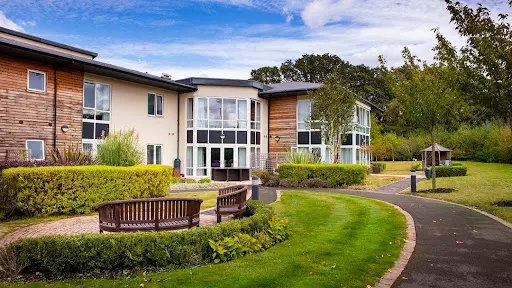
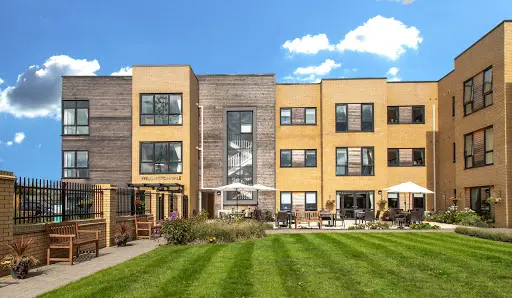
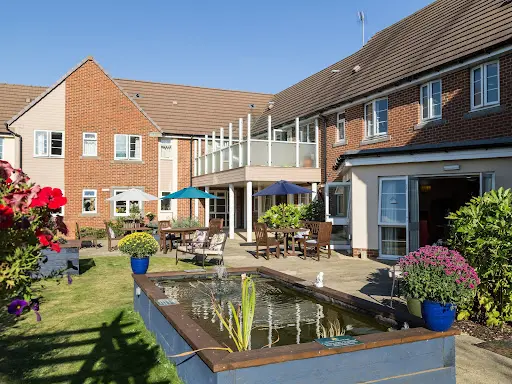
The home keeps things comfortable and pleasant, with ensuite rooms looking out over the gardens. Families mention the cleanliness throughout and appreciate the quality of the food. The garden spaces give residents somewhere peaceful to spend time when the weather's good.
“While one family felt the care didn't meet their expectations, the consistent picture from most families suggests a team that genuinely tries to see each resident as an individual.”
DCC does not edit or curate content in this tab. For independently curated information, see The Evidence and DCC Verdict.