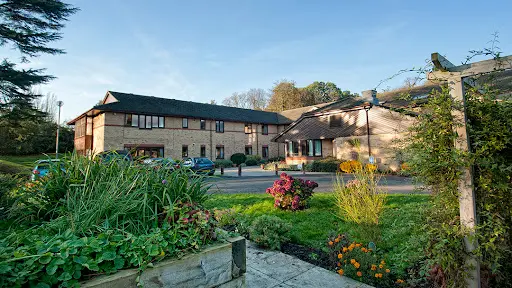
Whitefarm Lodge Care Home – Care UK
At a Glance
The information you need to decide whether this home warrants a closer look.
Nursing homes
Staff warmth score
of reviewers answered yes
Good to know
- Registered beds60
- SpecialismsCaring for adults over 65 yrs, Caring for adults under 65 yrs, Dementia, Learning disabilities, Mental health conditions, Physical disabilities
- Last inspected2022-07-20
Save Whitefarm Lodge Care Home – Care UK to your shortlist
Keep a running list, add visit notes, and compare homes side-by-side. Free account — it takes a minute.
STAGE 4 — RESEARCHING CARE HOMES
Visit homes. Compare them side by side. Choose with confidence.
Most of us will view care homes the way we view houses, impression, atmosphere, the feeling in the corridor. We go home, try to remember what we saw, and make a permanent decision from a blurred memory.

The DCC shortlist gives every home you visit a structured record: the same twelve questions, answered the same way, every time. When you’re ready to choose, pull any two homes side by side and compare them directly. Same criteria, same evidence, your notes and your scores.
The Evidence
What the review data, the inspection reports, and the dementia-care evidence base tell us about this home.
What families say
What strikes families is how residents keep their own voice here. People describe their relatives feeling free to express themselves without judgement, maintaining their personality rather than being quietened down. When someone new arrives, staff take time to understand what helps them settle, working closely with families to find the right approach.
The eight family priority themes
- Staff warmth72
- Compassion & dignity72
- Cleanliness70
- Activities & engagement65
- Food quality65
- Healthcare70
- Management & leadership72
- Resident happiness70
What inspectors found
Inspected 2022-07-20
Is this home safe?
Is the care effective?
The Effective domain was rated Good, covering care planning, staff training, nutrition, hydration, and healthcare access. Dementia is a listed specialism, which implies a level of specific training and environmental adaptation, though neither is described in detail in the published summary. No concerns about medication management or healthcare coordination were recorded. The published text does not describe how care plans are written, how often they are reviewed, or whether families are involved in that process.Is this home caring?
The Caring domain was rated Good, which covers staff warmth, dignity, respect, and support for independence. This is the domain most directly linked to the quality of daily life your parent would experience. No concerns were recorded. However, the published report contains no direct observations of staff interactions, no quotes from residents or relatives, and no specific examples of how dignity is maintained in practice at Whitefarm Lodge.Is the home responsive?
The Responsive domain was rated Good, covering activities, individual engagement, and responsiveness to changing needs. The home supports a wide range of conditions including dementia, mental health conditions, learning disabilities, and physical disabilities. No concerns about responsiveness were recorded. The published summary contains no description of the activities programme, no examples of individual or group engagement, and no indication of how the home tailors activities for people who cannot participate in groups.Is the home well-led?
The Well-led domain was rated Good, and the rating was confirmed as stable following a monitoring review in July 2023, over a year after the original inspection. A named registered manager, Mr Shane Michael Cosgrove, and a named nominated individual are in post. The home is operated by Care UK Community Partnerships Ltd. No governance concerns were recorded. The published summary does not describe how long the manager has been in post, how staff are supported to raise concerns, or how the home acts on feedback from residents and families.
Source: CQC inspection report →
What the evidence base says
The home supports adults both under and over 65 with a range of needs including dementia, learning disabilities, mental health conditions and physical disabilities. For those living with dementia, the consistent staff team means familiar faces every day. This continuity helps residents feel secure while staff develop deep understanding of each person's unique needs and preferences. All areas worth probing directly during a visit.
The DCC Verdict
Our editorial view, built from the three lenses: what families tell us, what inspectors record, and how the home sits against good dementia-care practice.
DCC Family Score
Whitefarm Lodge received a Good rating across all five inspection domains in June 2022, which is a positive baseline, but the published report text contains very little specific observational detail. Scores reflect confirmed Good ratings rather than rich, specific evidence.
Homes in London typically score 68–82.The three-lens summary
What families tell us
What strikes families is how residents keep their own voice here. People describe their relatives feeling free to express themselves without judgement, maintaining their personality rather than being quietened down. When someone new arrives, staff take time to understand what helps them settle, working closely with families to find the right approach.
What inspectors have recorded
The team's stability really shows in how they communicate with families. From that first phone call through to regular updates, relatives feel properly involved in care decisions. Even during the toughest visiting restrictions, staff found ways to keep families connected.
How it sits against good practice
Sometimes finding the right fit takes patience — beds here don't come up often, which perhaps says something about how families feel once they're part of the community.
Worth a visit
Whitefarm Lodge in Twickenham was rated Good across all five inspection domains at its last inspection in June 2022, with the rating confirmed as stable following a monitoring review in July 2023. The home is run by Care UK Community Partnerships Ltd, a large provider, and has a named registered manager in post. A Good rating across every domain is a positive foundation, and the home's range of specialisms, covering dementia, mental health, physical disabilities, and learning disabilities, suggests it is set up to support complex needs. The main limitation here is that the published report summary contains very little specific observational detail: no direct quotes from residents or relatives, no descriptions of staff interactions, and no specifics on staffing ratios, food, or activities. This means the Good rating tells you the direction but not the texture of daily life. On your visit, ask to see last week's actual staffing rota (not the template) to check permanent versus agency names on night shifts. Walk the dementia unit corridors and notice whether staff greet residents by name and move without hurry. These two observations will tell you more than any rating alone.
The three questions to ask when you visitSave this home. Compare it against your shortlist.
Let our analysis show you how Whitefarm Lodge Care Home – Care UK measures up against the other homes you’re considering. Free account.
In Their Own Words
How Whitefarm Lodge Care Home – Care UK describes itself — collected from its own website. DCC has not edited or independently verified the content in this tab.
Where consistent staff help residents feel heard and valued
Whitefarm Lodge – Expert Care in Twickenham
Families searching for care often worry about constant staff changes and whether their relative will truly be understood. Whitefarm Lodge in Twickenham stands out for keeping the same carers year after year, which means residents build real relationships with the people supporting them. The home welcomes adults of all ages with various needs, from dementia to learning disabilities.
Who they care for
The home supports adults both under and over 65 with a range of needs including dementia, learning disabilities, mental health conditions and physical disabilities.
For those living with dementia, the consistent staff team means familiar faces every day. This continuity helps residents feel secure while staff develop deep understanding of each person's unique needs and preferences.
“Sometimes finding the right fit takes patience — beds here don't come up often, which perhaps says something about how families feel once they're part of the community.”
DCC does not edit or curate content in this tab. For independently curated information, see The Evidence and DCC Verdict.
The DCC Verdict
Our editorial view, built from the three lenses: what families tell us, what inspectors record, and how the home sits against good dementia-care practice.
DCC Family Score
Whitefarm Lodge received a Good rating across all five inspection domains in June 2022, which is a positive baseline, but the published report text contains very little specific observational detail. Scores reflect confirmed Good ratings rather than rich, specific evidence.
Homes in London typically score 68–82.The three-lens summary
What families tell us
What strikes families is how residents keep their own voice here. People describe their relatives feeling free to express themselves without judgement, maintaining their personality rather than being quietened down. When someone new arrives, staff take time to understand what helps them settle, working closely with families to find the right approach.
What inspectors have recorded
The team's stability really shows in how they communicate with families. From that first phone call through to regular updates, relatives feel properly involved in care decisions. Even during the toughest visiting restrictions, staff found ways to keep families connected.
How it sits against good practice
Sometimes finding the right fit takes patience — beds here don't come up often, which perhaps says something about how families feel once they're part of the community.
Worth a visit
Whitefarm Lodge in Twickenham was rated Good across all five inspection domains at its last inspection in June 2022, with the rating confirmed as stable following a monitoring review in July 2023. The home is run by Care UK Community Partnerships Ltd, a large provider, and has a named registered manager in post. A Good rating across every domain is a positive foundation, and the home's range of specialisms, covering dementia, mental health, physical disabilities, and learning disabilities, suggests it is set up to support complex needs. The main limitation here is that the published report summary contains very little specific observational detail: no direct quotes from residents or relatives, no descriptions of staff interactions, and no specifics on staffing ratios, food, or activities. This means the Good rating tells you the direction but not the texture of daily life. On your visit, ask to see last week's actual staffing rota (not the template) to check permanent versus agency names on night shifts. Walk the dementia unit corridors and notice whether staff greet residents by name and move without hurry. These two observations will tell you more than any rating alone.
The three questions to ask when you visitSave this home. Compare it against your shortlist.
Let our analysis show you how Whitefarm Lodge Care Home – Care UK measures up against the other homes you’re considering. Free account.
In Their Own Words
How Whitefarm Lodge Care Home – Care UK describes itself — collected from its own website. DCC has not edited or independently verified the content in this tab.
Where consistent staff help residents feel heard and valued
Whitefarm Lodge – Expert Care in Twickenham
Families searching for care often worry about constant staff changes and whether their relative will truly be understood. Whitefarm Lodge in Twickenham stands out for keeping the same carers year after year, which means residents build real relationships with the people supporting them. The home welcomes adults of all ages with various needs, from dementia to learning disabilities.
Who they care for
The home supports adults both under and over 65 with a range of needs including dementia, learning disabilities, mental health conditions and physical disabilities.
For those living with dementia, the consistent staff team means familiar faces every day. This continuity helps residents feel secure while staff develop deep understanding of each person's unique needs and preferences.
Management & ethos
The team's stability really shows in how they communicate with families. From that first phone call through to regular updates, relatives feel properly involved in care decisions. Even during the toughest visiting restrictions, staff found ways to keep families connected.
“Sometimes finding the right fit takes patience — beds here don't come up often, which perhaps says something about how families feel once they're part of the community.”
DCC does not edit or curate content in this tab. For independently curated information, see The Evidence and DCC Verdict.