Barchester – Westwood House Care Home
At a Glance
The information you need to decide whether this home warrants a closer look.
Nursing homes
Staff warmth score
of reviewers answered yes
Good to know
- Registered beds44
- SpecialismsCaring for adults over 65 yrs, Caring for adults under 65 yrs, Dementia, Physical disabilities
- Last inspected2019-03-02
Save Barchester – Westwood House Care Home to your shortlist
Keep a running list, add visit notes, and compare homes side-by-side. Free account — it takes a minute.
STAGE 4 — RESEARCHING CARE HOMES
Visit homes. Compare them side by side. Choose with confidence.
Most of us will view care homes the way we view houses, impression, atmosphere, the feeling in the corridor. We go home, try to remember what we saw, and make a permanent decision from a blurred memory.

The DCC shortlist gives every home you visit a structured record: the same twelve questions, answered the same way, every time. When you’re ready to choose, pull any two homes side by side and compare them directly. Same criteria, same evidence, your notes and your scores.
The Evidence
What the review data, the inspection reports, and the dementia-care evidence base tell us about this home.
What families say
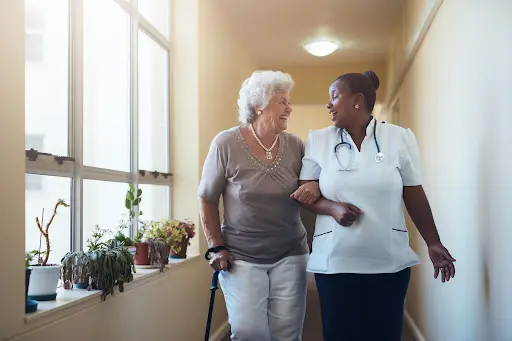
Visitors describe walking into a place that feels lived-in rather than clinical. Residents have choices about their daily activities, from gentle exercise sessions to social gatherings, with staff who seem to genuinely enjoy helping people stay connected. The atmosphere strikes a balance between structure and flexibility — there's routine for those who need it, but plenty of room for individual preferences.
The eight family priority themes
- Staff warmth72
- Compassion & dignity72
- Cleanliness70
- Activities & engagement60
- Food quality60
- Healthcare70
- Management & leadership72
- Resident happiness70
What inspectors found
Inspected 2019-03-02
Is this home safe?
Is the care effective?
The home received a Good rating for Effectiveness at the August 2020 inspection. The published report does not include specific findings about care plan quality, dementia training programmes, GP access arrangements, medication reviews, or food and nutrition monitoring. The nursing home registration means clinical oversight should be present, but the inspection text does not describe it in detail.Is this home caring?
The home received a Good rating for Caring at the August 2020 inspection. The published report text does not include direct inspector observations about staff interactions, use of preferred names, residents being unhurried, or responses to distress. No resident or relative quotes are recorded in the available text.Is the home responsive?
Is the home well-led?
The home received a Good rating for Well-led at the August 2020 inspection. A registered manager (Mr Hadrian Jurlano Rodriguez) and a nominated individual (Mr Dominic Jude Kay) are named in the inspection record, indicating a formal governance structure was in place. The published text does not describe management visibility, staff culture, learning from incidents, or how the home handles complaints and feedback.
Source: CQC inspection report →
What the evidence base says
Westwood House cares for adults both under and over 65, with particular expertise in dementia and physical disability support. The team coordinates medical care for complex needs, including post-stroke recovery. Staff here understand that dementia affects everyone differently. They adapt their care strategies as residents' needs change, focusing on maintaining each person's dignity and comfort. The team's dementia knowledge has grown notably under the current management, bringing fresh approaches to daily care. All areas worth probing directly during a visit.
The DCC Verdict
Our editorial view, built from the three lenses: what families tell us, what inspectors record, and how the home sits against good dementia-care practice.
DCC Family Score
Westwood House received a Good rating across all five domains at its last inspection in August 2020, which is a solid result. However, the published report text contains very little specific detail, so the scores reflect a general Good rating rather than verified, observed evidence across each theme.
Homes in London typically score 68–82.The three-lens summary
What families tell us
Visitors describe walking into a place that feels lived-in rather than clinical. Residents have choices about their daily activities, from gentle exercise sessions to social gatherings, with staff who seem to genuinely enjoy helping people stay connected. The atmosphere strikes a balance between structure and flexibility — there's routine for those who need it, but plenty of room for individual preferences.
What inspectors have recorded
The management team has earned praise for being approachable and quick to address any concerns that arise. Families receive regular updates about their loved ones, helping them stay involved in care decisions without feeling overwhelmed. Staff show real understanding of dementia, adapting their approach to each resident's changing needs while maintaining dignity throughout.
How it sits against good practice
Visiting requires advance booking, which helps the home maintain its calm atmosphere while keeping doors open for regular family contact.
Worth a visit
Westwood House at 9 Westwood Hill, London SE26 6BQ, was rated Good across all five inspection domains at its last inspection in August 2020, published in September 2020. The home is run by Barchester Healthcare Homes Limited and has a named registered manager. It is registered to care for people with dementia, physical disabilities, and adults both over and under 65, across 44 beds. The main limitation of this report is that the published inspection text is very brief, covering registration details and domain ratings but almost no specific observations, resident testimony, or staff interactions. A Good rating is a meaningful baseline, but it tells you relatively little on its own. The inspection is now several years old, which adds further uncertainty. Before placing your parent here, ask to see the most recent staffing rota (counting permanent versus agency staff, especially on nights), request a walk-through at a mealtime, and ask the manager how the home has changed since the 2020 inspection.
The three questions to ask when you visitSave this home. Compare it against your shortlist.
Let our analysis show you how Barchester – Westwood House Care Home measures up against the other homes you’re considering. Free account.
In Their Own Words
How Barchester – Westwood House Care Home describes itself — collected from its own website. DCC has not edited or independently verified the content in this tab.
Where warmth meets expertise in dementia and physical care
Nursing home in London: True Peace of Mind
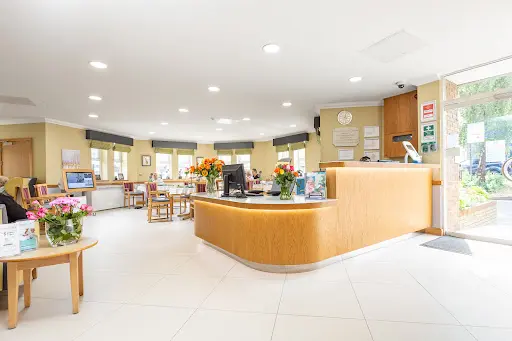
When families visit Westwood House in London, they often mention feeling genuinely welcomed — not just by the building's bright, spacious rooms but by staff who remember their names and ask about their day. The home specialises in dementia care alongside support for physical disabilities, creating an environment where different care needs blend naturally. Since new management arrived, families have noticed real improvements in how the team communicates and responds to concerns.
Who they care for
Westwood House cares for adults both under and over 65, with particular expertise in dementia and physical disability support. The team coordinates medical care for complex needs, including post-stroke recovery.
Staff here understand that dementia affects everyone differently. They adapt their care strategies as residents' needs change, focusing on maintaining each person's dignity and comfort. The team's dementia knowledge has grown notably under the current management, bringing fresh approaches to daily care.
“Visiting requires advance booking, which helps the home maintain its calm atmosphere while keeping doors open for regular family contact.”
DCC does not edit or curate content in this tab. For independently curated information, see The Evidence and DCC Verdict.
The DCC Verdict
Our editorial view, built from the three lenses: what families tell us, what inspectors record, and how the home sits against good dementia-care practice.
DCC Family Score
Westwood House received a Good rating across all five domains at its last inspection in August 2020, which is a solid result. However, the published report text contains very little specific detail, so the scores reflect a general Good rating rather than verified, observed evidence across each theme.
Homes in London typically score 68–82.The three-lens summary
What families tell us
Visitors describe walking into a place that feels lived-in rather than clinical. Residents have choices about their daily activities, from gentle exercise sessions to social gatherings, with staff who seem to genuinely enjoy helping people stay connected. The atmosphere strikes a balance between structure and flexibility — there's routine for those who need it, but plenty of room for individual preferences.
What inspectors have recorded
The management team has earned praise for being approachable and quick to address any concerns that arise. Families receive regular updates about their loved ones, helping them stay involved in care decisions without feeling overwhelmed. Staff show real understanding of dementia, adapting their approach to each resident's changing needs while maintaining dignity throughout.
How it sits against good practice
Visiting requires advance booking, which helps the home maintain its calm atmosphere while keeping doors open for regular family contact.
Worth a visit
Westwood House at 9 Westwood Hill, London SE26 6BQ, was rated Good across all five inspection domains at its last inspection in August 2020, published in September 2020. The home is run by Barchester Healthcare Homes Limited and has a named registered manager. It is registered to care for people with dementia, physical disabilities, and adults both over and under 65, across 44 beds. The main limitation of this report is that the published inspection text is very brief, covering registration details and domain ratings but almost no specific observations, resident testimony, or staff interactions. A Good rating is a meaningful baseline, but it tells you relatively little on its own. The inspection is now several years old, which adds further uncertainty. Before placing your parent here, ask to see the most recent staffing rota (counting permanent versus agency staff, especially on nights), request a walk-through at a mealtime, and ask the manager how the home has changed since the 2020 inspection.
The three questions to ask when you visitSave this home. Compare it against your shortlist.
Let our analysis show you how Barchester – Westwood House Care Home measures up against the other homes you’re considering. Free account.
In Their Own Words
How Barchester – Westwood House Care Home describes itself — collected from its own website. DCC has not edited or independently verified the content in this tab.
Where warmth meets expertise in dementia and physical care
Nursing home in London: True Peace of Mind
When families visit Westwood House in London, they often mention feeling genuinely welcomed — not just by the building's bright, spacious rooms but by staff who remember their names and ask about their day. The home specialises in dementia care alongside support for physical disabilities, creating an environment where different care needs blend naturally. Since new management arrived, families have noticed real improvements in how the team communicates and responds to concerns.
Who they care for
Westwood House cares for adults both under and over 65, with particular expertise in dementia and physical disability support. The team coordinates medical care for complex needs, including post-stroke recovery.
Staff here understand that dementia affects everyone differently. They adapt their care strategies as residents' needs change, focusing on maintaining each person's dignity and comfort. The team's dementia knowledge has grown notably under the current management, bringing fresh approaches to daily care.
Management & ethos
The management team has earned praise for being approachable and quick to address any concerns that arise. Families receive regular updates about their loved ones, helping them stay involved in care decisions without feeling overwhelmed. Staff show real understanding of dementia, adapting their approach to each resident's changing needs while maintaining dignity throughout.
The home & environment
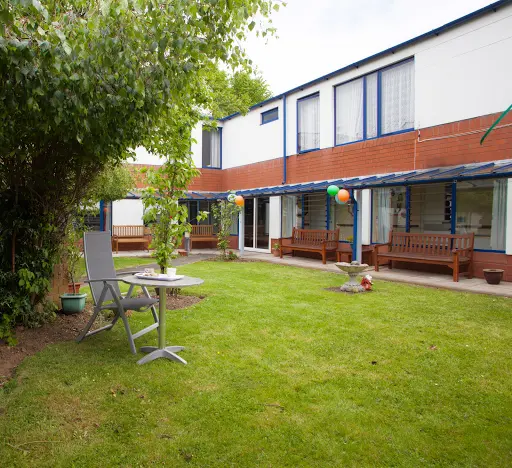
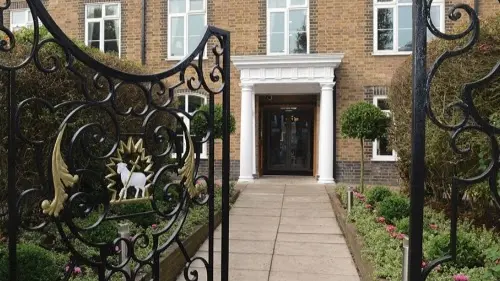
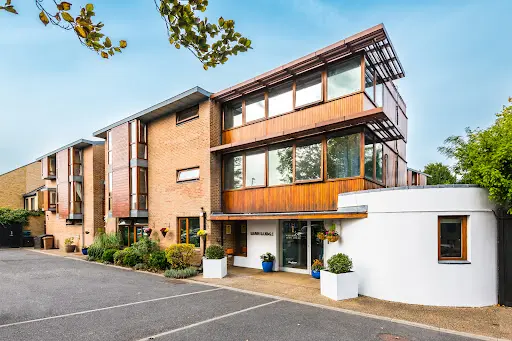
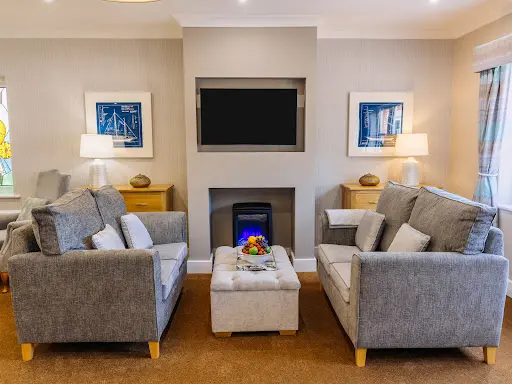
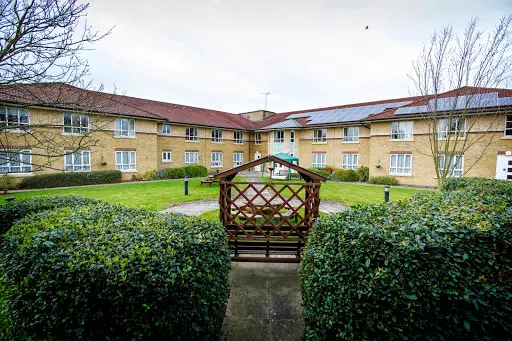
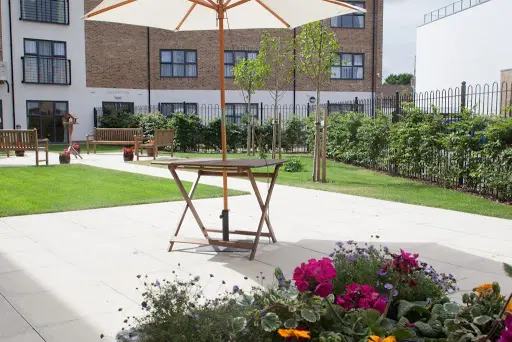
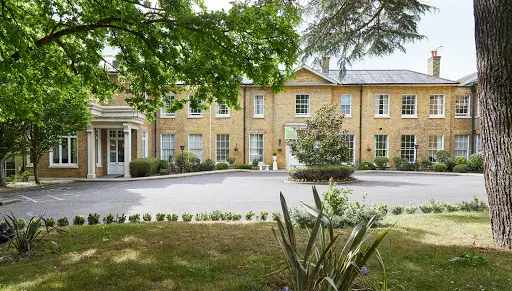
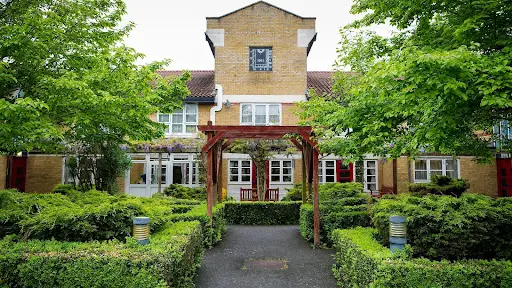
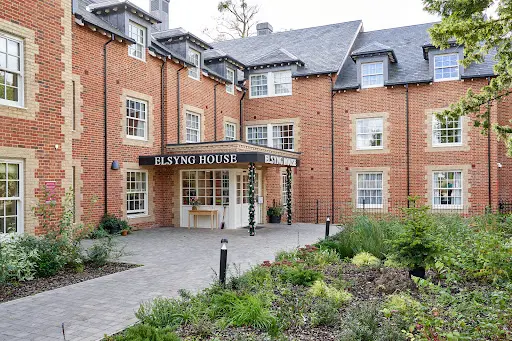
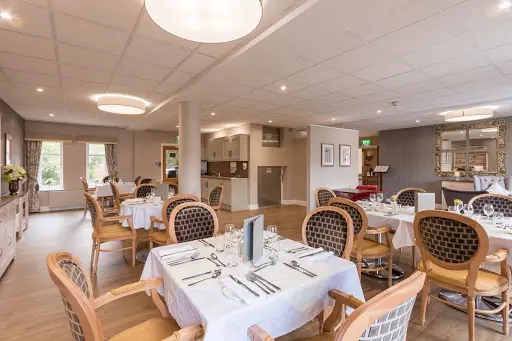
The home stays remarkably clean without feeling sterile, with well-kept gardens offering peaceful spots for residents and visitors. Communal areas give people space to socialise or find quiet corners as they prefer. Meals happen in bright dining spaces where residents can eat together if they choose.
“Visiting requires advance booking, which helps the home maintain its calm atmosphere while keeping doors open for regular family contact.”
DCC does not edit or curate content in this tab. For independently curated information, see The Evidence and DCC Verdict.