Brymore House
At a Glance
The information you need to decide whether this home warrants a closer look.
Nursing homes
Staff warmth score
of reviewers answered yes
Good to know
- Registered beds53
- SpecialismsCaring for adults over 65 yrs, Caring for adults under 65 yrs, Dementia, Mental health conditions, Physical disabilities, Sensory impairment
- Last inspected2019-02-16
Save Brymore House to your shortlist
Keep a running list, add visit notes, and compare homes side-by-side. Free account — it takes a minute.
STAGE 4 — RESEARCHING CARE HOMES
Visit homes. Compare them side by side. Choose with confidence.
Most of us will view care homes the way we view houses, impression, atmosphere, the feeling in the corridor. We go home, try to remember what we saw, and make a permanent decision from a blurred memory.

The DCC shortlist gives every home you visit a structured record: the same twelve questions, answered the same way, every time. When you’re ready to choose, pull any two homes side by side and compare them directly. Same criteria, same evidence, your notes and your scores.
The Evidence
What the review data, the inspection reports, and the dementia-care evidence base tell us about this home.
What families say
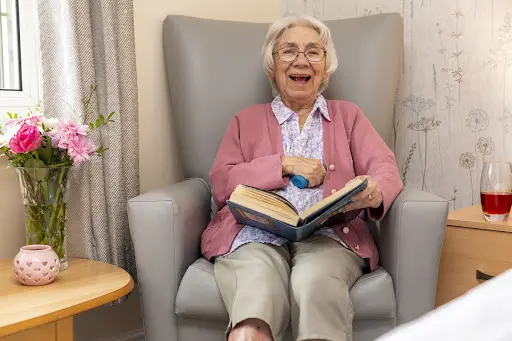
The atmosphere strikes visitors as calm and reassuring from the start. Residents who come for short respite stays often find themselves settling in so well they're reluctant to leave. There's a sense of genuine care that extends to family members too, particularly during difficult times.
The eight family priority themes
- Staff warmth55
- Compassion & dignity55
- Cleanliness55
- Activities & engagement50
- Food quality50
- Healthcare60
- Management & leadership60
- Resident happiness55
What inspectors found
Inspected 2019-02-16
Is this home safe?
Is the care effective?
The Effective domain was rated Good at the March 2019 inspection. This domain covers care planning, staff training, healthcare access, nutrition, and whether care is evidence-based and personalised. The home lists dementia as a specialism, which means inspectors will have checked for appropriate dementia-specific training and care planning. No specific detail about training content, GP access arrangements, medication reviews, or the quality of individual care plans is included in the published text. The rating indicates the standard was met but gives no window into the day-to-day reality.Is this home caring?
The Caring domain was rated Good at the March 2019 inspection. This is the domain that covers how staff treat the people in their care: whether they are kind, whether they respect privacy and dignity, whether they use preferred names, and whether they give people time. A Good rating means inspectors were satisfied with what they observed. No direct quotes from residents or families are included in the published text, and no specific observations about staff interactions are recorded. The published findings confirm the standard was met but provide no examples of what warmth looks like in practice at this home.Is the home responsive?
The Responsive domain was rated Good at the March 2019 inspection. This domain covers whether the home tailors care to individual needs, provides meaningful activities, responds to complaints, and plans for end of life. The home supports people with dementia, mental health conditions, and physical disabilities, which means responsiveness to individual variation is particularly important. No specific activities, individual engagement approaches, complaints outcomes, or end-of-life planning examples are included in the published inspection text. The rating confirms the standard was met.Is the home well-led?
The Well-led domain was rated Good at the March 2019 inspection, with that position confirmed through the July 2023 monitoring review. A named registered manager, Miss Sujatha Kanagasabapathy, and a nominated individual, Mrs Mary Marjoram, are recorded. This confirms formal governance and accountability structures are in place. No information about manager tenure, staff culture, how the home handles concerns raised by families, or how it learns from incidents is included in the published text. The rating indicates inspectors found the leadership satisfactory at the time of assessment.
Source: CQC inspection report →
What the evidence base says
The home supports adults of all ages with physical disabilities, sensory impairments and mental health conditions. Their rehabilitation programmes help residents regain independence through structured physiotherapy. For residents living with dementia, the team provides specialised support within the home's broader nursing care framework. The calm environment and consistent staffing help create the stability that's so important. All areas worth probing directly during a visit.
The DCC Verdict
Our editorial view, built from the three lenses: what families tell us, what inspectors record, and how the home sits against good dementia-care practice.
DCC Family Score
Brymore House Care Home with Nursing holds a Good rating across all five inspection domains, but the published inspection text contains very limited specific detail, so scores reflect a confirmed baseline of compliance rather than rich observed evidence of outstanding practice.
Homes in London typically score 68–82.The three-lens summary
What families tell us
The atmosphere strikes visitors as calm and reassuring from the start. Residents who come for short respite stays often find themselves settling in so well they're reluctant to leave. There's a sense of genuine care that extends to family members too, particularly during difficult times.
What inspectors have recorded
The nursing team knows their stuff when it comes to medication management and post-operative care. Families describe staff who coordinate smoothly with hospitals and handle complex medical transitions with real competence. There's professional reliability in the day-to-day clinical care that gives families confidence.
How it sits against good practice
Sometimes the best recommendation comes from watching someone actually get better under a team's care.
Worth a visit
Brymore House Care Home with Nursing, at 243 Baring Road in London SE12, was rated Good across all five inspection domains at its last full inspection in March 2019, with that rating confirmed as still current following a monitoring review in July 2023. The home is registered to support 53 people across a range of needs including dementia, mental health conditions, physical disabilities, and sensory impairment. A named registered manager and nominated individual are in post, and the stable Good rating across Safe, Effective, Caring, Responsive, and Well-led domains indicates that inspectors found no significant concerns. The main limitation here is that the published inspection text contains almost no specific detail: no direct observations, no resident or family quotes, and no concrete examples of how care is delivered day to day. A Good rating is a meaningful baseline, but it tells you that the home met the required standard at a point in time, not what life actually feels like for your parent inside. The inspection is now several years old. Before making a decision, visit in person, ask to see the current staffing rota for the dementia unit including nights, ask how often care plans are reviewed and whether you would be invited to those reviews, and look at how staff interact with residents in corridors and communal areas without prompting.
The three questions to ask when you visitSave this home. Compare it against your shortlist.
Let our analysis show you how Brymore House measures up against the other homes you’re considering. Free account.
In Their Own Words
How Brymore House describes itself — collected from its own website. DCC has not edited or independently verified the content in this tab.
Where recovery meets genuine kindness in North London
Brymore House Care Home with Nursing – Your Trusted nursing home
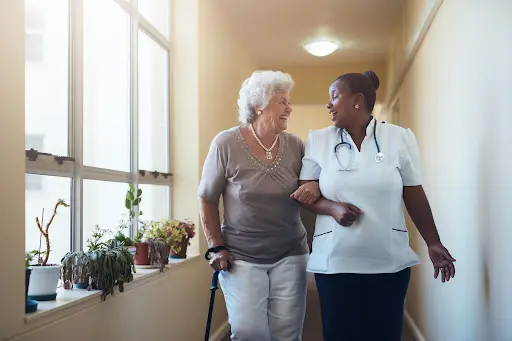
When you're watching someone you love struggle with mobility or recovering from surgery, finding the right support feels overwhelming. Brymore House in London brings together skilled nursing care with the kind of warmth that helps people genuinely get better. Families talk about seeing real progress here — whether that's someone walking again after physiotherapy or simply feeling comfortable during respite care.
Who they care for
The home supports adults of all ages with physical disabilities, sensory impairments and mental health conditions. Their rehabilitation programmes help residents regain independence through structured physiotherapy.
For residents living with dementia, the team provides specialised support within the home's broader nursing care framework. The calm environment and consistent staffing help create the stability that's so important.
“Sometimes the best recommendation comes from watching someone actually get better under a team's care.”
DCC does not edit or curate content in this tab. For independently curated information, see The Evidence and DCC Verdict.
The DCC Verdict
Our editorial view, built from the three lenses: what families tell us, what inspectors record, and how the home sits against good dementia-care practice.
DCC Family Score
Brymore House Care Home with Nursing holds a Good rating across all five inspection domains, but the published inspection text contains very limited specific detail, so scores reflect a confirmed baseline of compliance rather than rich observed evidence of outstanding practice.
Homes in London typically score 68–82.The three-lens summary
What families tell us
The atmosphere strikes visitors as calm and reassuring from the start. Residents who come for short respite stays often find themselves settling in so well they're reluctant to leave. There's a sense of genuine care that extends to family members too, particularly during difficult times.
What inspectors have recorded
The nursing team knows their stuff when it comes to medication management and post-operative care. Families describe staff who coordinate smoothly with hospitals and handle complex medical transitions with real competence. There's professional reliability in the day-to-day clinical care that gives families confidence.
How it sits against good practice
Sometimes the best recommendation comes from watching someone actually get better under a team's care.
Worth a visit
Brymore House Care Home with Nursing, at 243 Baring Road in London SE12, was rated Good across all five inspection domains at its last full inspection in March 2019, with that rating confirmed as still current following a monitoring review in July 2023. The home is registered to support 53 people across a range of needs including dementia, mental health conditions, physical disabilities, and sensory impairment. A named registered manager and nominated individual are in post, and the stable Good rating across Safe, Effective, Caring, Responsive, and Well-led domains indicates that inspectors found no significant concerns. The main limitation here is that the published inspection text contains almost no specific detail: no direct observations, no resident or family quotes, and no concrete examples of how care is delivered day to day. A Good rating is a meaningful baseline, but it tells you that the home met the required standard at a point in time, not what life actually feels like for your parent inside. The inspection is now several years old. Before making a decision, visit in person, ask to see the current staffing rota for the dementia unit including nights, ask how often care plans are reviewed and whether you would be invited to those reviews, and look at how staff interact with residents in corridors and communal areas without prompting.
The three questions to ask when you visitSave this home. Compare it against your shortlist.
Let our analysis show you how Brymore House measures up against the other homes you’re considering. Free account.
In Their Own Words
How Brymore House describes itself — collected from its own website. DCC has not edited or independently verified the content in this tab.
Where recovery meets genuine kindness in North London
Brymore House Care Home with Nursing – Your Trusted nursing home
When you're watching someone you love struggle with mobility or recovering from surgery, finding the right support feels overwhelming. Brymore House in London brings together skilled nursing care with the kind of warmth that helps people genuinely get better. Families talk about seeing real progress here — whether that's someone walking again after physiotherapy or simply feeling comfortable during respite care.
Who they care for
The home supports adults of all ages with physical disabilities, sensory impairments and mental health conditions. Their rehabilitation programmes help residents regain independence through structured physiotherapy.
For residents living with dementia, the team provides specialised support within the home's broader nursing care framework. The calm environment and consistent staffing help create the stability that's so important.
Management & ethos
The nursing team knows their stuff when it comes to medication management and post-operative care. Families describe staff who coordinate smoothly with hospitals and handle complex medical transitions with real competence. There's professional reliability in the day-to-day clinical care that gives families confidence.
The home & environment
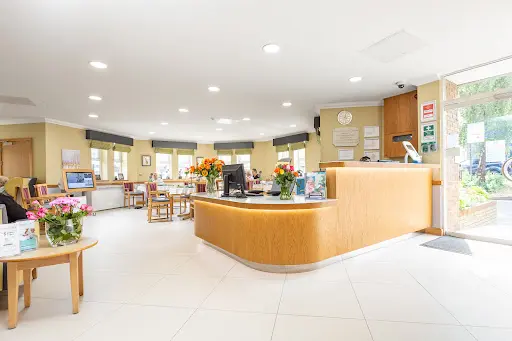
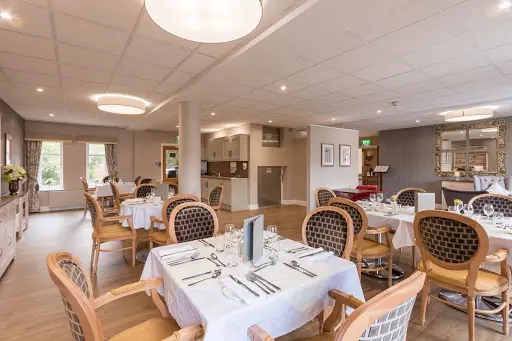
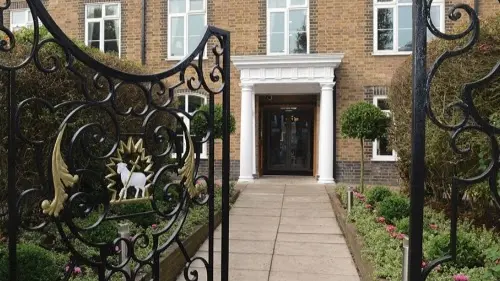
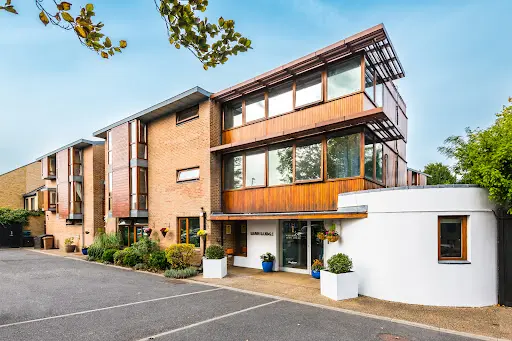
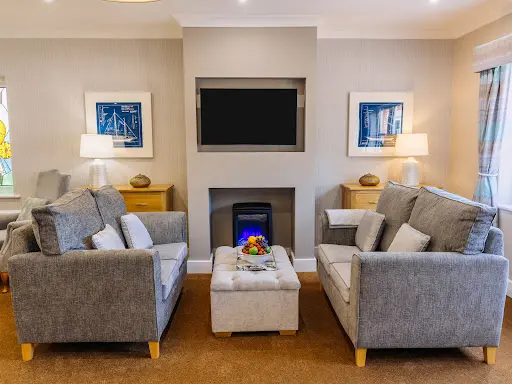
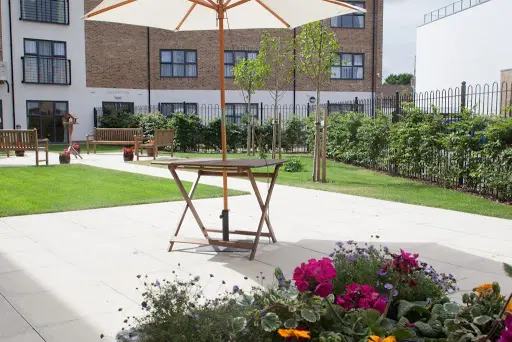
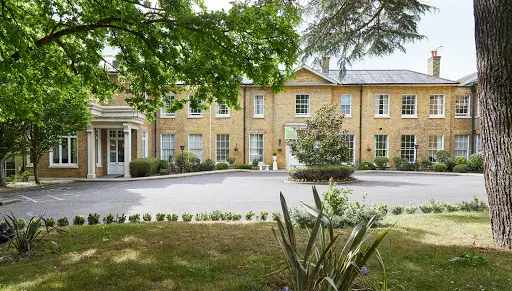
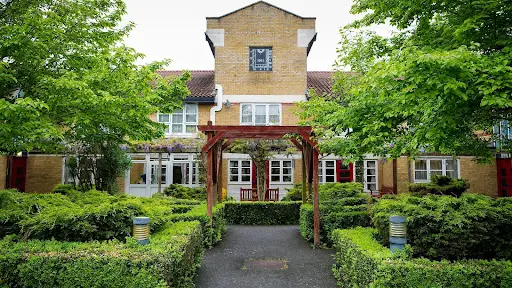
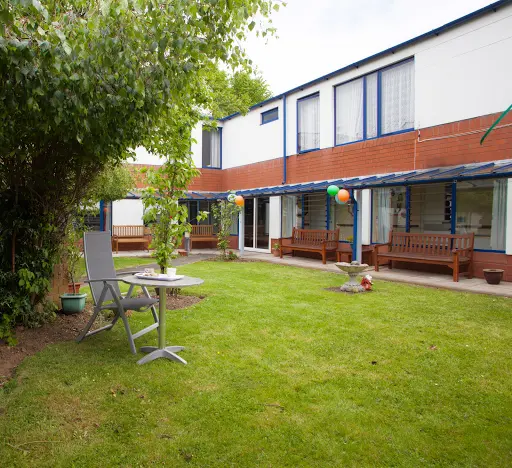
The food gets consistent praise from families, with chefs adapting meals to individual dietary needs without fuss. Everything feels properly maintained — families mention how clean and well-kept the environment is, creating that safe feeling you want for someone vulnerable.
“Sometimes the best recommendation comes from watching someone actually get better under a team's care.”
DCC does not edit or curate content in this tab. For independently curated information, see The Evidence and DCC Verdict.