Westfield Residential Home
At a Glance
The information you need to decide whether this home warrants a closer look.
Residential homes
Staff warmth score
of reviewers answered yes
Good to know
- Registered beds23
- SpecialismsCaring for adults over 65 yrs, Dementia
- Last inspected2018-06-23
Save Westfield Residential Home to your shortlist
Keep a running list, add visit notes, and compare homes side-by-side. Free account — it takes a minute.
STAGE 4 — RESEARCHING CARE HOMES
Visit homes. Compare them side by side. Choose with confidence.
Most of us will view care homes the way we view houses, impression, atmosphere, the feeling in the corridor. We go home, try to remember what we saw, and make a permanent decision from a blurred memory.

The DCC shortlist gives every home you visit a structured record: the same twelve questions, answered the same way, every time. When you’re ready to choose, pull any two homes side by side and compare them directly. Same criteria, same evidence, your notes and your scores.
The Evidence
What the review data, the inspection reports, and the dementia-care evidence base tell us about this home.
What families say
Families describe a place where staff genuinely know each resident — their preferences, their stories, their little routines. The continuity matters here. When the same carers work year after year, they notice the small changes and adjust their approach quietly, without fuss.
The eight family priority themes
- Staff warmth55
- Compassion & dignity55
- Cleanliness55
- Activities & engagement50
- Food quality50
- Healthcare50
- Management & leadership35
- Resident happiness55
What inspectors found
Inspected 2018-06-23
Is this home safe?
Is the care effective?
The Effective domain was rated Good at the April 2018 inspection. This covers training, care planning, access to healthcare, and food and nutrition. The home lists dementia as a specialism, which means inspectors would have considered whether dementia-specific training and care approaches were in place. The published text provides no specific detail about care plan content, GP access arrangements, or how food quality and dietary needs are managed.Is this home caring?
The Caring domain was rated Good at the April 2018 inspection. This is the domain most directly linked to how staff treat your parent day to day, covering warmth, dignity, respect, and whether staff know residents as individuals. The published text does not include any direct observations of staff interactions, resident quotes, or specific examples of how dignity and privacy were upheld. The rating alone indicates inspectors were satisfied, but no evidence is available to contextualise it.Is the home responsive?
The Responsive domain was rated Good at the April 2018 inspection. This covers activities, individual engagement, how the home responds to complaints, and end-of-life care planning. The published text provides no detail about the activities programme, whether one-to-one engagement is available for residents who cannot join groups, or how individual preferences are embedded in daily life. The rating indicates inspectors were satisfied in 2018, but the evidence is limited.Is the home well-led?
The well-led domain was rated Requires Improvement at the April 2018 inspection. This is the only domain where inspectors found concerns, covering management visibility, governance systems, and organisational culture. The published text does not detail what specific failings were identified. A monitoring review in July 2023 found no evidence requiring a formal reassessment, but this does not mean the Requires Improvement concerns have been resolved, only that no new evidence triggered a re-inspection.
Source: CQC inspection report →
What the evidence base says
Westfield specialises in dementia care and supporting adults over 65. The approach here is about consistency and familiarity. As dementia advances, residents aren't relocated to different units. Instead, the care adapts around them, maintaining those crucial threads of continuity. All areas worth probing directly during a visit.
The DCC Verdict
Our editorial view, built from the three lenses: what families tell us, what inspectors record, and how the home sits against good dementia-care practice.
DCC Family Score
Westfield Residential Home scores 62 out of 100, reflecting a Good rating across most areas but held back by a Requires Improvement in well-led, combined with an inspection that is now over six years old and provides very limited specific detail across all themes.
Homes in Yorkshire & Humberside typically score 68–82.The three-lens summary
What families tell us
Families describe a place where staff genuinely know each resident — their preferences, their stories, their little routines. The continuity matters here. When the same carers work year after year, they notice the small changes and adjust their approach quietly, without fuss.
What inspectors have recorded
What stands out is how the home handles dementia progression. Rather than moving residents as their condition changes, staff adapt their care approach while keeping everything else stable — same room, same carers, same daily rhythms.
How it sits against good practice
For families facing dementia's uncertainties, knowing there won't be disruptive moves can make all the difference.
Worth a visit
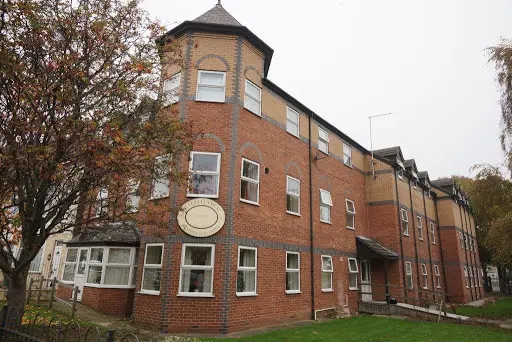
Westfield Residential Home, on Carr Lane in Hull, was rated Good overall at its inspection in April 2018, with Good ratings in Safe, Effective, Caring, and Responsive. The well-led domain was rated Requires Improvement at that time. The home has 23 beds and lists dementia care as a specialism. A monitoring review carried out in July 2023 found no evidence requiring a reassessment of the rating, so the Good overall rating remains in place. The most significant concern for any family visiting now is that the inspection is more than six years old. The published report provides almost no specific observations, staff or resident quotes, or detailed evidence across any theme, which makes it very difficult to know what day-to-day life actually looks like. The Requires Improvement in well-led is particularly important to probe: ask directly who the current registered manager is, how long they have been in post, and what changes have been made to governance and oversight since 2018. A visit to the home is essential before making any decision.
The three questions to ask when you visitSave this home. Compare it against your shortlist.
Let our analysis show you how Westfield Residential Home measures up against the other homes you’re considering. Free account.
In Their Own Words
How Westfield Residential Home describes itself — collected from its own website. DCC has not edited or independently verified the content in this tab.
Small Hull home where dementia doesn't mean moving rooms
Dedicated residential home Support in Hull
When dementia progresses, many homes move residents to different units or wings. At Westfield Residential Home in Hull, that's not how things work. This intimate care home keeps residents in familiar surroundings with the same trusted faces, even as their needs change.
Who they care for
Westfield specialises in dementia care and supporting adults over 65.
The approach here is about consistency and familiarity. As dementia advances, residents aren't relocated to different units. Instead, the care adapts around them, maintaining those crucial threads of continuity.
“For families facing dementia's uncertainties, knowing there won't be disruptive moves can make all the difference.”
DCC does not edit or curate content in this tab. For independently curated information, see The Evidence and DCC Verdict.
The DCC Verdict
Our editorial view, built from the three lenses: what families tell us, what inspectors record, and how the home sits against good dementia-care practice.
DCC Family Score
Westfield Residential Home scores 62 out of 100, reflecting a Good rating across most areas but held back by a Requires Improvement in well-led, combined with an inspection that is now over six years old and provides very limited specific detail across all themes.
Homes in Yorkshire & Humberside typically score 68–82.The three-lens summary
What families tell us
Families describe a place where staff genuinely know each resident — their preferences, their stories, their little routines. The continuity matters here. When the same carers work year after year, they notice the small changes and adjust their approach quietly, without fuss.
What inspectors have recorded
What stands out is how the home handles dementia progression. Rather than moving residents as their condition changes, staff adapt their care approach while keeping everything else stable — same room, same carers, same daily rhythms.
How it sits against good practice
For families facing dementia's uncertainties, knowing there won't be disruptive moves can make all the difference.
Worth a visit
Westfield Residential Home, on Carr Lane in Hull, was rated Good overall at its inspection in April 2018, with Good ratings in Safe, Effective, Caring, and Responsive. The well-led domain was rated Requires Improvement at that time. The home has 23 beds and lists dementia care as a specialism. A monitoring review carried out in July 2023 found no evidence requiring a reassessment of the rating, so the Good overall rating remains in place. The most significant concern for any family visiting now is that the inspection is more than six years old. The published report provides almost no specific observations, staff or resident quotes, or detailed evidence across any theme, which makes it very difficult to know what day-to-day life actually looks like. The Requires Improvement in well-led is particularly important to probe: ask directly who the current registered manager is, how long they have been in post, and what changes have been made to governance and oversight since 2018. A visit to the home is essential before making any decision.
The three questions to ask when you visitSave this home. Compare it against your shortlist.
Let our analysis show you how Westfield Residential Home measures up against the other homes you’re considering. Free account.
In Their Own Words
How Westfield Residential Home describes itself — collected from its own website. DCC has not edited or independently verified the content in this tab.
Small Hull home where dementia doesn't mean moving rooms
Dedicated residential home Support in Hull
When dementia progresses, many homes move residents to different units or wings. At Westfield Residential Home in Hull, that's not how things work. This intimate care home keeps residents in familiar surroundings with the same trusted faces, even as their needs change.
Who they care for
Westfield specialises in dementia care and supporting adults over 65.
The approach here is about consistency and familiarity. As dementia advances, residents aren't relocated to different units. Instead, the care adapts around them, maintaining those crucial threads of continuity.
Management & ethos
What stands out is how the home handles dementia progression. Rather than moving residents as their condition changes, staff adapt their care approach while keeping everything else stable — same room, same carers, same daily rhythms.
The home & environment
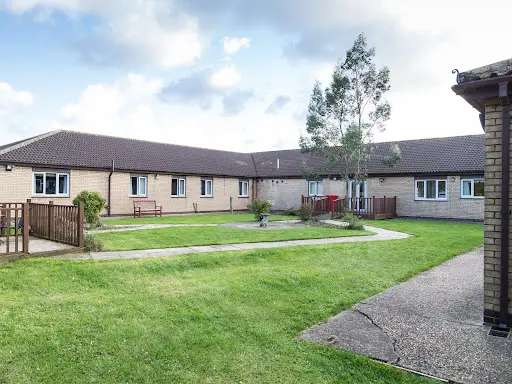
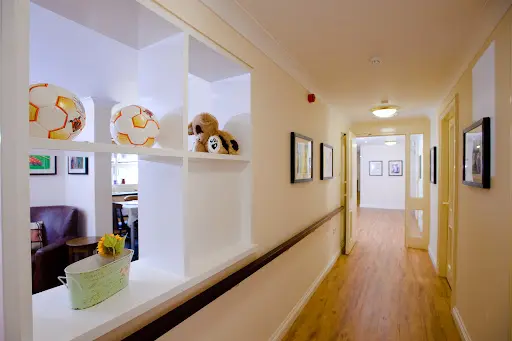
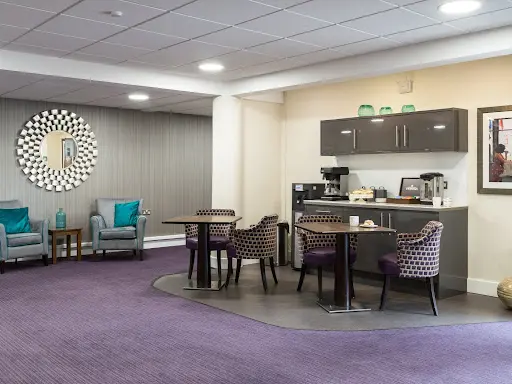
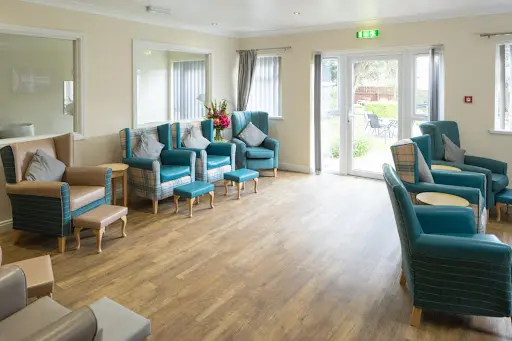
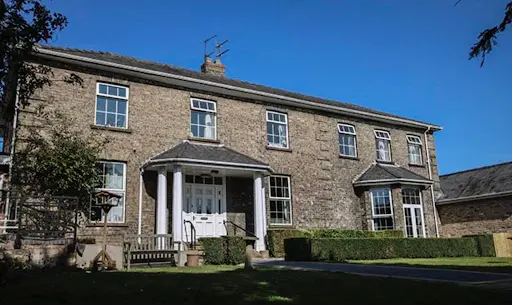
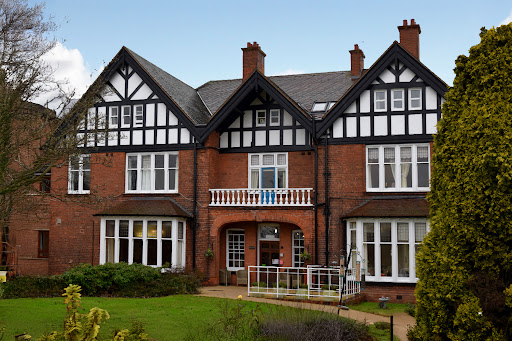
Being smaller means the kitchen can adapt to individual tastes and dietary needs. The whole place feels more like a large family house than an institution, which seems to help residents stay oriented and comfortable.
“For families facing dementia's uncertainties, knowing there won't be disruptive moves can make all the difference.”
DCC does not edit or curate content in this tab. For independently curated information, see The Evidence and DCC Verdict.