Magnolia House
At a Glance
The information you need to decide whether this home warrants a closer look.
Residential homes
Staff warmth score
of reviewers answered yes
Good to know
- Registered beds96
- SpecialismsCaring for adults over 65 yrs, Caring for adults under 65 yrs, Dementia
- Last inspected2023-12-02
Save Magnolia House to your shortlist
Keep a running list, add visit notes, and compare homes side-by-side. Free account — it takes a minute.
STAGE 4 — RESEARCHING CARE HOMES
Visit homes. Compare them side by side. Choose with confidence.
Most of us will view care homes the way we view houses, impression, atmosphere, the feeling in the corridor. We go home, try to remember what we saw, and make a permanent decision from a blurred memory.

The DCC shortlist gives every home you visit a structured record: the same twelve questions, answered the same way, every time. When you’re ready to choose, pull any two homes side by side and compare them directly. Same criteria, same evidence, your notes and your scores.
The Evidence
What the review data, the inspection reports, and the dementia-care evidence base tell us about this home.
What families say
Families talk about how quickly their loved ones settle here, even those who've struggled elsewhere. The atmosphere strikes that crucial balance — secure enough to feel safe, relaxed enough to feel normal. Residents with dementia seem to find their feet faster than expected, with many showing real improvements in wellbeing after moving in.
The eight family priority themes
- Staff warmth55
- Compassion & dignity55
- Cleanliness55
- Activities & engagement50
- Food quality50
- Healthcare55
- Management & leadership60
- Resident happiness55
What inspectors found
Inspected 2023-12-02
Is this home safe?
Is the care effective?
The Effective domain was rated Good at the November 2023 inspection. This domain covers training, care planning, healthcare access, nutrition, and hydration. The published inspection text does not describe specific training completion rates, dementia training content, GP access arrangements, or how care plans are structured. No areas were flagged as requiring improvement.Is this home caring?
Magnolia House was rated Good for Caring at its November 2023 inspection. This domain covers staff warmth, dignity, respect, privacy, and support for independence. The published inspection text does not include direct inspector observations of staff interactions, resident or family quotes, or specific examples of how dignity is maintained in practice. No concerns were identified.Is the home responsive?
The Responsive domain was rated Good at the November 2023 inspection. This domain covers activities, engagement, individuality, complaints handling, and end-of-life care. The published inspection text does not describe specific activities offered, whether one-to-one engagement is available for people who cannot join group sessions, or how complaints are handled. No areas were identified as requiring improvement.Is the home well-led?
Magnolia House was rated Good for Well-led at its November 2023 inspection. A registered manager, Miss Lindsay Jayne Altoft, is confirmed in post, and Mr Andrew Shepherd is listed as the nominated individual. The published inspection text does not describe specific governance arrangements, how the manager is visible to residents and staff, whether staff feel able to raise concerns, or how the home monitors and improves quality. No concerns were identified.
Source: CQC inspection report →
What the evidence base says
The home specialises in dementia care for adults of all ages, including those under 65. They also provide general residential care for older adults. The team shows real understanding of dementia's challenges, supporting residents through different stages with patience and dignity. Families particularly value how staff help their loved ones maintain routines and connections that matter to them. All areas worth probing directly during a visit.
The DCC Verdict
Our editorial view, built from the three lenses: what families tell us, what inspectors record, and how the home sits against good dementia-care practice.
DCC Family Score
Magnolia House holds a Good rating across all five inspection domains, which is a positive baseline. However, the published inspection text provided contains very limited specific detail, so scores reflect a confirmed Good standard rather than the richer evidence that would push them higher.
Homes in Yorkshire & Humberside typically score 68–82.The three-lens summary
What families tell us
Families talk about how quickly their loved ones settle here, even those who've struggled elsewhere. The atmosphere strikes that crucial balance — secure enough to feel safe, relaxed enough to feel normal. Residents with dementia seem to find their feet faster than expected, with many showing real improvements in wellbeing after moving in.
What inspectors have recorded
Staff here seem to understand that caring for someone with dementia means caring for their whole family too. They're described as patient and genuinely friendly, taking time to know residents as individuals. When families visit, they're welcomed into activities and kept in the loop about their loved one's care.
How it sits against good practice
Sometimes the best recommendation is simply that families keep choosing this place, even when dementia makes everything else uncertain.
Worth a visit
Magnolia House at 42 Hull Road, Cottingham was inspected on 7 November 2023 and rated Good across all five domains: Safe, Effective, Caring, Responsive, and Well-led. This is a stable, consistent rating. A named registered manager is confirmed in post, and the home is registered to provide care for adults over and under 65, including people living with dementia, across 96 beds. The main limitation of this report is that the published inspection text contains very little specific detail beyond the domain ratings and registration information. That means it is not possible to tell you, for example, how many staff are on at night, whether agency use is high, or what the activities programme looks like in practice. A visit is essential. When you go, ask to see last week's actual staffing rota, not a template; ask how many permanent staff work on the dementia unit regularly; and pay attention to whether staff make eye contact and use your parent's preferred name when they pass them in a corridor.
The three questions to ask when you visitSave this home. Compare it against your shortlist.
Let our analysis show you how Magnolia House measures up against the other homes you’re considering. Free account.
In Their Own Words
How Magnolia House describes itself — collected from its own website. DCC has not edited or independently verified the content in this tab.
Where dignity meets daily joy in Cottingham's countryside
Magnolia House – Expert Care in Cottingham
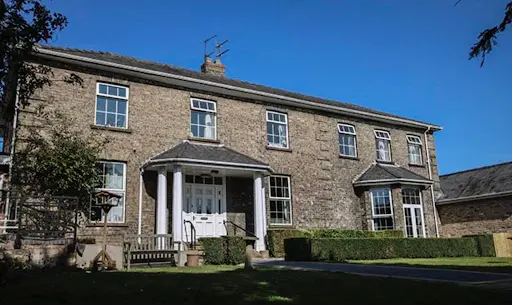
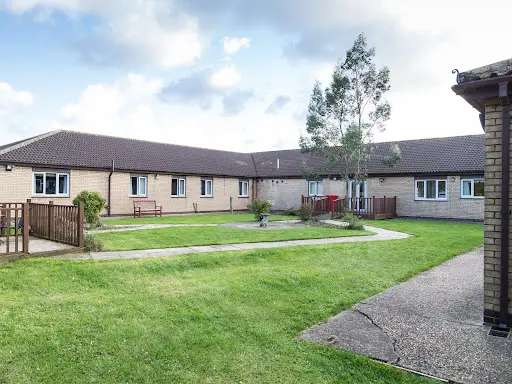
Finding the right place for someone with dementia can feel overwhelming, but families visiting Magnolia House in Cottingham often describe a particular kind of relief. This Yorkshire care home has built its reputation on helping residents not just cope with dementia, but genuinely enjoy their days. Set in well-tended grounds, the home welcomes adults both under and over 65 who need specialist dementia support.
Who they care for
The home specialises in dementia care for adults of all ages, including those under 65. They also provide general residential care for older adults.
The team shows real understanding of dementia's challenges, supporting residents through different stages with patience and dignity. Families particularly value how staff help their loved ones maintain routines and connections that matter to them.
“Sometimes the best recommendation is simply that families keep choosing this place, even when dementia makes everything else uncertain.”
DCC does not edit or curate content in this tab. For independently curated information, see The Evidence and DCC Verdict.
The DCC Verdict
Our editorial view, built from the three lenses: what families tell us, what inspectors record, and how the home sits against good dementia-care practice.
DCC Family Score
Magnolia House holds a Good rating across all five inspection domains, which is a positive baseline. However, the published inspection text provided contains very limited specific detail, so scores reflect a confirmed Good standard rather than the richer evidence that would push them higher.
Homes in Yorkshire & Humberside typically score 68–82.The three-lens summary
What families tell us
Families talk about how quickly their loved ones settle here, even those who've struggled elsewhere. The atmosphere strikes that crucial balance — secure enough to feel safe, relaxed enough to feel normal. Residents with dementia seem to find their feet faster than expected, with many showing real improvements in wellbeing after moving in.
What inspectors have recorded
Staff here seem to understand that caring for someone with dementia means caring for their whole family too. They're described as patient and genuinely friendly, taking time to know residents as individuals. When families visit, they're welcomed into activities and kept in the loop about their loved one's care.
How it sits against good practice
Sometimes the best recommendation is simply that families keep choosing this place, even when dementia makes everything else uncertain.
Worth a visit
Magnolia House at 42 Hull Road, Cottingham was inspected on 7 November 2023 and rated Good across all five domains: Safe, Effective, Caring, Responsive, and Well-led. This is a stable, consistent rating. A named registered manager is confirmed in post, and the home is registered to provide care for adults over and under 65, including people living with dementia, across 96 beds. The main limitation of this report is that the published inspection text contains very little specific detail beyond the domain ratings and registration information. That means it is not possible to tell you, for example, how many staff are on at night, whether agency use is high, or what the activities programme looks like in practice. A visit is essential. When you go, ask to see last week's actual staffing rota, not a template; ask how many permanent staff work on the dementia unit regularly; and pay attention to whether staff make eye contact and use your parent's preferred name when they pass them in a corridor.
The three questions to ask when you visitSave this home. Compare it against your shortlist.
Let our analysis show you how Magnolia House measures up against the other homes you’re considering. Free account.
In Their Own Words
How Magnolia House describes itself — collected from its own website. DCC has not edited or independently verified the content in this tab.
Where dignity meets daily joy in Cottingham's countryside
Magnolia House – Expert Care in Cottingham
Finding the right place for someone with dementia can feel overwhelming, but families visiting Magnolia House in Cottingham often describe a particular kind of relief. This Yorkshire care home has built its reputation on helping residents not just cope with dementia, but genuinely enjoy their days. Set in well-tended grounds, the home welcomes adults both under and over 65 who need specialist dementia support.
Who they care for
The home specialises in dementia care for adults of all ages, including those under 65. They also provide general residential care for older adults.
The team shows real understanding of dementia's challenges, supporting residents through different stages with patience and dignity. Families particularly value how staff help their loved ones maintain routines and connections that matter to them.
Management & ethos
Staff here seem to understand that caring for someone with dementia means caring for their whole family too. They're described as patient and genuinely friendly, taking time to know residents as individuals. When families visit, they're welcomed into activities and kept in the loop about their loved one's care.
The home & environment
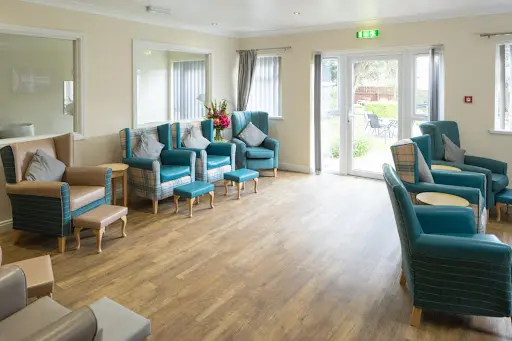
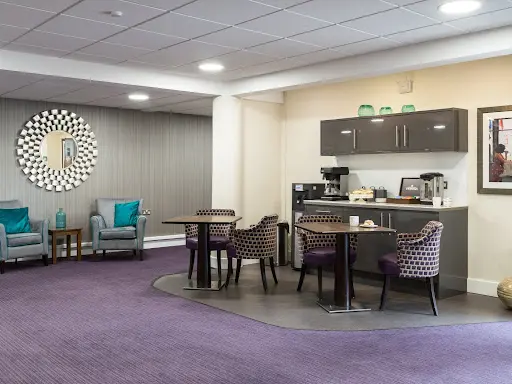
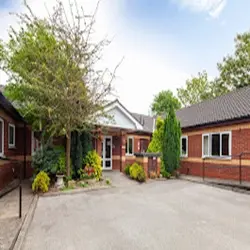
The gardens get mentioned again and again by visitors — proper outdoor spaces that residents actually use and enjoy. Inside, the home stays fresh and clean without feeling clinical. There's always something happening, from hairdressing visits to seasonal celebrations, with activities that match what residents can manage and enjoy.
“Sometimes the best recommendation is simply that families keep choosing this place, even when dementia makes everything else uncertain.”
DCC does not edit or curate content in this tab. For independently curated information, see The Evidence and DCC Verdict.