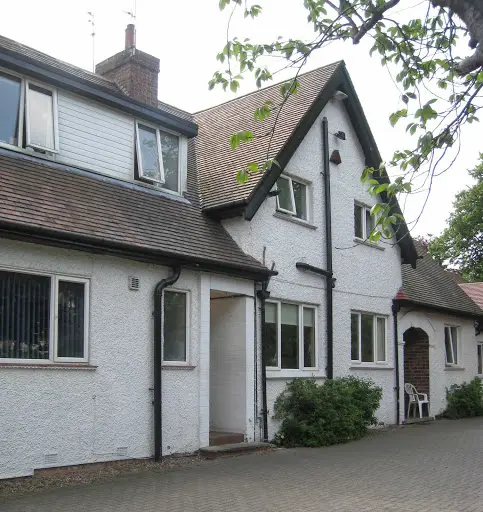
Westdale Care Home and Westdale Quaker Housing Association Ltd
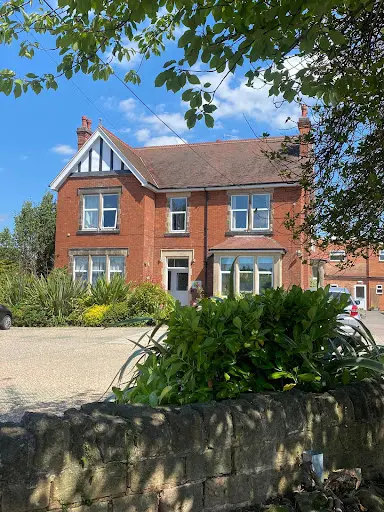
At a Glance
The information you need to decide whether this home warrants a closer look.
Residential homes
Staff warmth score
of reviewers answered yes
Good to know
- Registered beds19
- SpecialismsCaring for adults over 65 yrs, Caring for adults under 65 yrs, Dementia
- Last inspected2018-11-03
Save Westdale Care Home and Westdale Quaker Housing Association Ltd to your shortlist
Keep a running list, add visit notes, and compare homes side-by-side. Free account — it takes a minute.
STAGE 4 — RESEARCHING CARE HOMES
Visit homes. Compare them side by side. Choose with confidence.
Most of us will view care homes the way we view houses, impression, atmosphere, the feeling in the corridor. We go home, try to remember what we saw, and make a permanent decision from a blurred memory.

The DCC shortlist gives every home you visit a structured record: the same twelve questions, answered the same way, every time. When you’re ready to choose, pull any two homes side by side and compare them directly. Same criteria, same evidence, your notes and your scores.
The Evidence
What the review data, the inspection reports, and the dementia-care evidence base tell us about this home.
What families say
What strikes visitors first is how content residents appear — chatting in the communal areas, enjoying the gardens, looking genuinely at ease. Families describe staff who take time to understand each person's preferences and routines, creating care that feels natural rather than institutional. That patient, encouraging approach seems to help even anxious new residents settle quickly.
The eight family priority themes
- Staff warmth72
- Compassion & dignity72
- Cleanliness68
- Activities & engagement60
- Food quality60
- Healthcare65
- Management & leadership74
- Resident happiness68
What inspectors found
Inspected 2018-11-03
Is this home safe?
Is the care effective?
The Effective domain was rated Good at the October 2024 inspection. This covers staff training, care planning, healthcare access including GP involvement, and food quality. Westdale lists dementia as a specialism, which means inspectors would have expected to see evidence of relevant training and care planning. No specific examples of training content, care plan detail, or healthcare arrangements are described in the published summary.Is this home caring?
The Caring domain was rated Good at the October 2024 inspection. This is the domain most directly connected to how staff treat your parent day to day, covering warmth, dignity, privacy, and whether people are treated as individuals. No specific inspector observations, resident quotes, or family comments are included in the published summary. The Good rating indicates inspectors were satisfied, but the basis for that judgment is not described.Is the home responsive?
The Responsive domain was rated Good at the October 2024 inspection. Responsiveness covers whether the home tailors care to individual needs, provides meaningful activities, supports independence, and plans for end-of-life care. No specific activities, engagement examples, or evidence of individual tailoring are described in the published summary. For a home with a dementia specialism and 19 residents, individual engagement is particularly important.Is the home well-led?
The Well-led domain was rated Good at the October 2024 inspection. The registered manager, Ms Doris Bridget Irene Straun, holds both the registered manager and nominated individual roles, meaning she is personally accountable to the regulator for the home's performance. This structure can support direct, consistent leadership in a small home. No specific details about governance processes, staff culture, or family involvement in feedback are described in the published summary.
Source: CQC inspection report →
What the evidence base says
Westdale provides residential care for adults over 65, with specialist support for those living with dementia. The home also welcomes younger adults who need residential support. For residents with dementia, the team brings particular patience and understanding to daily care. Staff work to maintain familiar routines where possible, helping residents feel secure while gently encouraging engagement with activities and social life. All areas worth probing directly during a visit.
The DCC Verdict
Our editorial view, built from the three lenses: what families tell us, what inspectors record, and how the home sits against good dementia-care practice.
DCC Family Score
Westdale Residential Care Home received a Good rating across all five inspection domains in October 2024, which is a positive foundation. However, the published report text contains very limited specific detail, so scores reflect the Good rating with appropriate caution rather than strong direct evidence.
Homes in East Midlands typically score 68–82.The three-lens summary
What families tell us
What strikes visitors first is how content residents appear — chatting in the communal areas, enjoying the gardens, looking genuinely at ease. Families describe staff who take time to understand each person's preferences and routines, creating care that feels natural rather than institutional. That patient, encouraging approach seems to help even anxious new residents settle quickly.
What inspectors have recorded
Staff here seem to share a consistent approach — responsive when families raise concerns, attentive to changing needs, and skilled at reading the subtle signs of what residents require. Communication flows easily between the team and families, creating a sense of partnership rather than just service delivery.
How it sits against good practice
Sometimes the best measure of a care home is seeing someone arrive uncertain and leave with renewed confidence — something that seems to happen here with reassuring regularity.
Worth a visit
Westdale Residential Care Home, at 129 Melton Road, Nottingham, was assessed in October 2024 and rated Good across all five inspection domains: Safe, Effective, Caring, Responsive, and Well-led. It is a small home with 19 beds, registered to care for people over and under 65, including those living with dementia. The registered manager, Ms Doris Bridget Irene Straun, also holds the role of nominated individual, indicating direct and personal accountability for how the home is run. The main limitation of this report is that the published inspection text provides very little specific detail. A Good rating is genuinely positive, but it tells you the inspectors were satisfied, not what they actually saw or heard. Before making a decision, visit in person and ask the manager to walk you through the dementia unit, explain night staffing numbers, and show you an example of how a care plan is reviewed with families. Arriving unannounced at a quieter time, such as a weekday afternoon, will give you a more honest picture than a scheduled tour.
The three questions to ask when you visitSave this home. Compare it against your shortlist.
Let our analysis show you how Westdale Care Home and Westdale Quaker Housing Association Ltd measures up against the other homes you’re considering. Free account.
In Their Own Words
How Westdale Care Home and Westdale Quaker Housing Association Ltd describes itself — collected from its own website. DCC has not edited or independently verified the content in this tab.
Where personalised care helps residents truly flourish
Westdale Residential Care Home – Expert Care in Nottingham
Families searching for care in Nottingham often discover something special at Westdale Residential Care Home. Here, the focus on individual needs creates an environment where residents don't just cope — they genuinely thrive. The difference shows in relaxed smiles, renewed confidence, and families who feel their loved ones are truly understood.
Who they care for
Westdale provides residential care for adults over 65, with specialist support for those living with dementia. The home also welcomes younger adults who need residential support.
For residents with dementia, the team brings particular patience and understanding to daily care. Staff work to maintain familiar routines where possible, helping residents feel secure while gently encouraging engagement with activities and social life.
“Sometimes the best measure of a care home is seeing someone arrive uncertain and leave with renewed confidence — something that seems to happen here with reassuring regularity.”
DCC does not edit or curate content in this tab. For independently curated information, see The Evidence and DCC Verdict.
The DCC Verdict
Our editorial view, built from the three lenses: what families tell us, what inspectors record, and how the home sits against good dementia-care practice.
DCC Family Score
Westdale Residential Care Home received a Good rating across all five inspection domains in October 2024, which is a positive foundation. However, the published report text contains very limited specific detail, so scores reflect the Good rating with appropriate caution rather than strong direct evidence.
Homes in East Midlands typically score 68–82.The three-lens summary
What families tell us
What strikes visitors first is how content residents appear — chatting in the communal areas, enjoying the gardens, looking genuinely at ease. Families describe staff who take time to understand each person's preferences and routines, creating care that feels natural rather than institutional. That patient, encouraging approach seems to help even anxious new residents settle quickly.
What inspectors have recorded
Staff here seem to share a consistent approach — responsive when families raise concerns, attentive to changing needs, and skilled at reading the subtle signs of what residents require. Communication flows easily between the team and families, creating a sense of partnership rather than just service delivery.
How it sits against good practice
Sometimes the best measure of a care home is seeing someone arrive uncertain and leave with renewed confidence — something that seems to happen here with reassuring regularity.
Worth a visit
Westdale Residential Care Home, at 129 Melton Road, Nottingham, was assessed in October 2024 and rated Good across all five inspection domains: Safe, Effective, Caring, Responsive, and Well-led. It is a small home with 19 beds, registered to care for people over and under 65, including those living with dementia. The registered manager, Ms Doris Bridget Irene Straun, also holds the role of nominated individual, indicating direct and personal accountability for how the home is run. The main limitation of this report is that the published inspection text provides very little specific detail. A Good rating is genuinely positive, but it tells you the inspectors were satisfied, not what they actually saw or heard. Before making a decision, visit in person and ask the manager to walk you through the dementia unit, explain night staffing numbers, and show you an example of how a care plan is reviewed with families. Arriving unannounced at a quieter time, such as a weekday afternoon, will give you a more honest picture than a scheduled tour.
The three questions to ask when you visitSave this home. Compare it against your shortlist.
Let our analysis show you how Westdale Care Home and Westdale Quaker Housing Association Ltd measures up against the other homes you’re considering. Free account.
In Their Own Words
How Westdale Care Home and Westdale Quaker Housing Association Ltd describes itself — collected from its own website. DCC has not edited or independently verified the content in this tab.
Where personalised care helps residents truly flourish
Westdale Residential Care Home – Expert Care in Nottingham
Families searching for care in Nottingham often discover something special at Westdale Residential Care Home. Here, the focus on individual needs creates an environment where residents don't just cope — they genuinely thrive. The difference shows in relaxed smiles, renewed confidence, and families who feel their loved ones are truly understood.
Who they care for
Westdale provides residential care for adults over 65, with specialist support for those living with dementia. The home also welcomes younger adults who need residential support.
For residents with dementia, the team brings particular patience and understanding to daily care. Staff work to maintain familiar routines where possible, helping residents feel secure while gently encouraging engagement with activities and social life.
Management & ethos
Staff here seem to share a consistent approach — responsive when families raise concerns, attentive to changing needs, and skilled at reading the subtle signs of what residents require. Communication flows easily between the team and families, creating a sense of partnership rather than just service delivery.
The home & environment
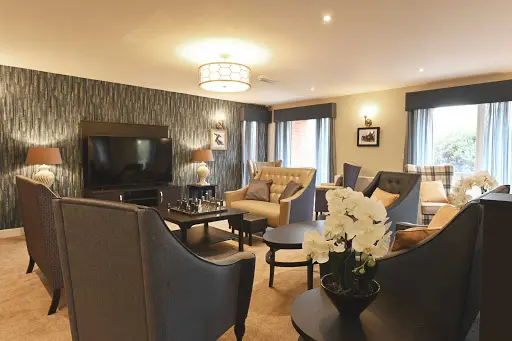
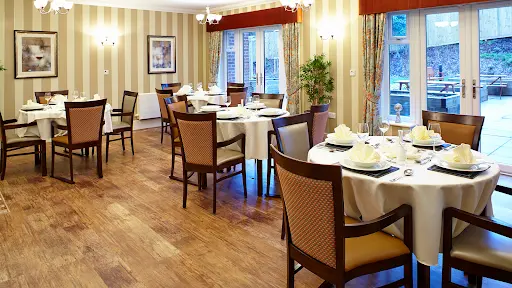
The home serves proper home-cooked meals that residents actually look forward to — fresh, varied, and prepared with individual tastes in mind. Rooms stay consistently clean and comfortable, while the gardens provide a peaceful spot that many residents use regularly. It's the kind of environment where small touches add up to genuine comfort.
“Sometimes the best measure of a care home is seeing someone arrive uncertain and leave with renewed confidence — something that seems to happen here with reassuring regularity.”
DCC does not edit or curate content in this tab. For independently curated information, see The Evidence and DCC Verdict.