The Willows Care Home

At a Glance
The information you need to decide whether this home warrants a closer look.
Residential homes
Staff warmth score
of reviewers answered yes
Good to know
- Registered beds17
- SpecialismsCaring for adults over 65 yrs, Caring for adults under 65 yrs, Dementia, Physical disabilities, Sensory impairment
- Last inspected2023-04-22
Save The Willows Care Home to your shortlist
Keep a running list, add visit notes, and compare homes side-by-side. Free account — it takes a minute.
STAGE 4 — RESEARCHING CARE HOMES
Visit homes. Compare them side by side. Choose with confidence.
Most of us will view care homes the way we view houses, impression, atmosphere, the feeling in the corridor. We go home, try to remember what we saw, and make a permanent decision from a blurred memory.

The DCC shortlist gives every home you visit a structured record: the same twelve questions, answered the same way, every time. When you’re ready to choose, pull any two homes side by side and compare them directly. Same criteria, same evidence, your notes and your scores.
The Evidence
What the review data, the inspection reports, and the dementia-care evidence base tell us about this home.
What families say
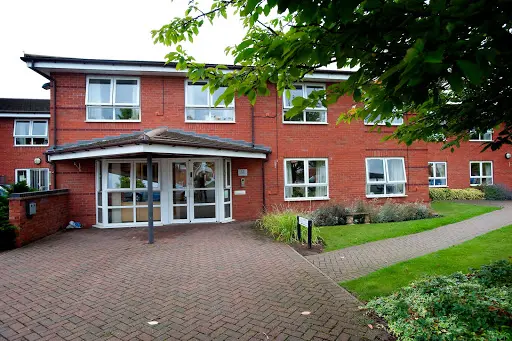
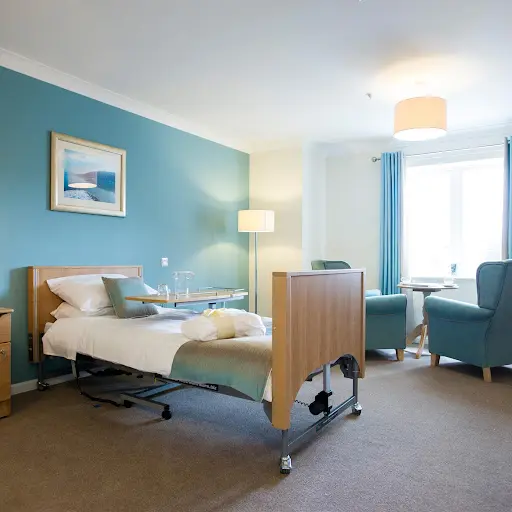
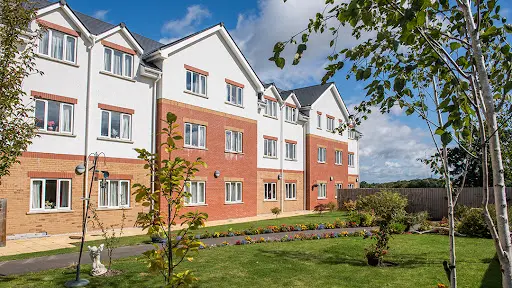
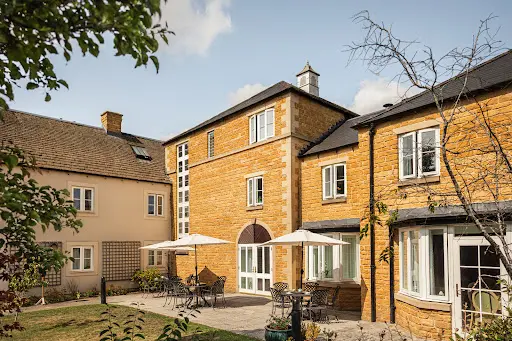
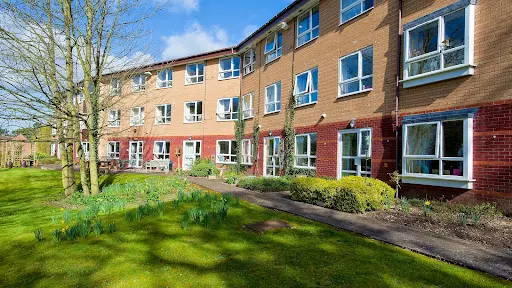
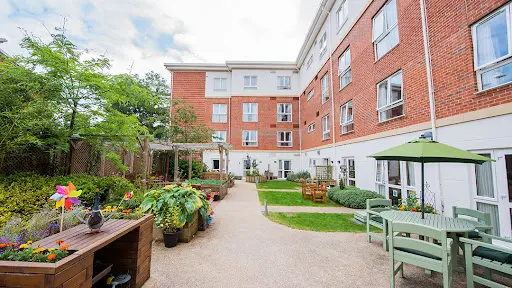
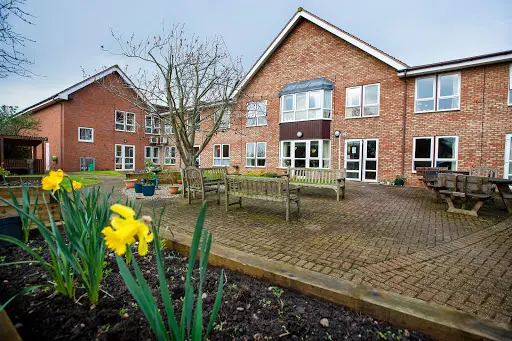
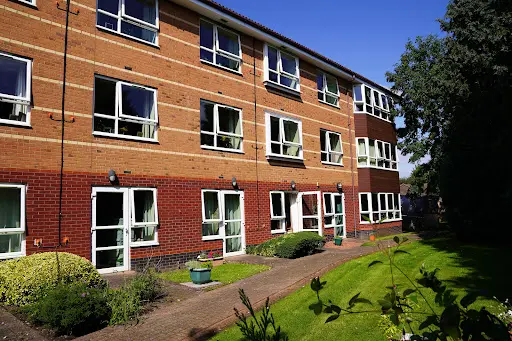
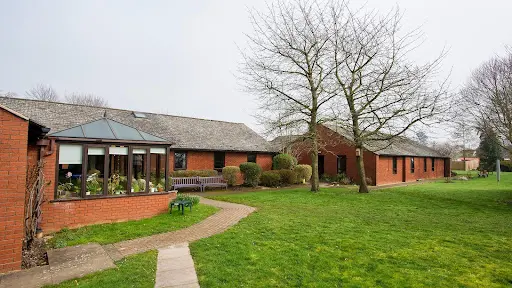
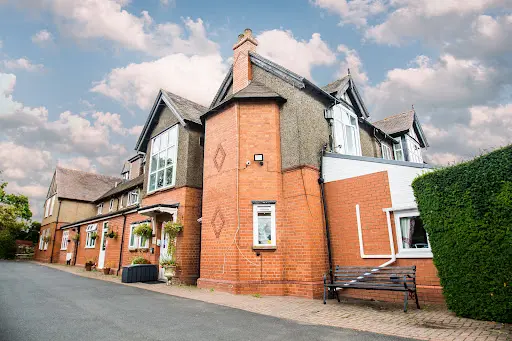
Several families mention how their relatives have visibly relaxed since moving in. The atmosphere feels domestic rather than clinical, with bright, spacious rooms and well-kept gardens helping people feel at home. Families particularly value being able to visit whenever suits them best.
The eight family priority themes
- Staff warmth55
- Compassion & dignity55
- Cleanliness60
- Activities & engagement50
- Food quality50
- Healthcare55
- Management & leadership50
- Resident happiness55
What inspectors found
Inspected 2023-04-22
Is this home safe?
Is the care effective?
The November 2024 assessment rated Effective as Good, recovering from the previous Requires Improvement overall. No specific detail on care plan content, dementia training completion, GP access arrangements, medication management, or food provision was available in the text provided for this analysis. The home is registered to care for people with dementia, physical disabilities, and sensory impairments, meaning that effective, individualised care planning is particularly important for the people who live here.Is this home caring?
The November 2024 assessment rated Caring as Good. No specific inspector observations about staff interactions, use of preferred names, pace of care, response to distress, or dignity in personal care were available in the text provided for this analysis. The home cares for people with dementia and sensory impairments, where non-verbal communication and attentiveness to individual cues are especially important.Is the home responsive?
The November 2024 assessment rated Responsive as Good. No specific detail about the activities programme, individual engagement for people who cannot join group activities, how the home responds to changing needs, or end-of-life care arrangements was available in the text provided for this analysis. The home is registered for dementia care, where meaningful occupation and individualised engagement are central to quality of life.Is the home well-led?
The November 2024 assessment rated Well-led as Good, recovering from the previous Requires Improvement overall. A named registered manager, Ms Catherine Jane Dunmore, is recorded as active, and Mr Mohammad Nazir is the nominated individual for the provider, Green Range Limited. No specific detail about the manager's day-to-day presence, staff culture, governance systems, or how the home learned from the shortcomings identified in 2023 was available in the text provided for this analysis.
Source: CQC inspection report →
What the evidence base says
The Willows provides specialist care for people with dementia, physical disabilities and sensory impairments. They support both younger adults under 65 and older residents. The team shows particular expertise in dementia care, with families noting how staff understand the condition well. They work patiently with residents experiencing confusion or distress, helping them feel secure. All areas worth probing directly during a visit.
The DCC Verdict
Our editorial view, built from the three lenses: what families tell us, what inspectors record, and how the home sits against good dementia-care practice.
DCC Family Score
The home carries a current overall rating of Requires Improvement following an April 2023 inspection, though a more recent assessment completed in November 2024 has since rated all five domains as Good. Because the full November 2024 report text was not available for detailed analysis, scores reflect the limited specific evidence that could be verified and should be treated with caution until you have read the published February 2025 report in full.
Homes in West Midlands typically score 68–82.The three-lens summary
What families tell us
Several families mention how their relatives have visibly relaxed since moving in. The atmosphere feels domestic rather than clinical, with bright, spacious rooms and well-kept gardens helping people feel at home. Families particularly value being able to visit whenever suits them best.
What inspectors have recorded
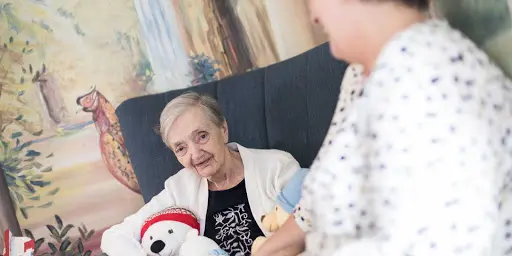
Staff here show real patience and understanding, especially with residents living with dementia. Families describe the team as professional and kind, with good knowledge of how to support people through difficult moments.
How it sits against good practice
Choosing care is never easy, but seeing someone you love settle somewhere they feel safe makes all the difference.
Worth a visit
The Willows Care Home at 2 Tower Road, Worcester is a small, 17-bed registered home run by Green Range Limited. Its overall rating stood at Requires Improvement following the April 2023 inspection, representing a decline from a previous Good rating. However, a more recent assessment carried out in November 2024 and published in February 2025 has rated all five domains, Safe, Effective, Caring, Responsive, and Well-led, as Good, which is an encouraging recovery if it is confirmed by the full report detail. The main uncertainty here is practical: the full text of the November 2024 inspection report was not available for this analysis, so it has not been possible to verify specific observations about staff warmth, food quality, dementia-environment design, night staffing, or any of the other details families most need to know. Before making a decision, read the published February 2025 report in full on the official inspection register, and then visit the home in person. On that visit, ask the manager to show you the actual staffing rota for last week (counting permanent versus agency names, especially on night shifts), observe how staff speak to your parent and to current residents in the corridor, and ask how the home responded to whatever concerns caused the Requires Improvement rating in 2023.
The three questions to ask when you visitSave this home. Compare it against your shortlist.
Let our analysis show you how The Willows Care Home measures up against the other homes you’re considering. Free account.
In Their Own Words
How The Willows Care Home describes itself — collected from its own website. DCC has not edited or independently verified the content in this tab.
Where families find comfort in difficult times
Residential home in Worcester: True Peace of Mind
When someone you love needs specialist care, finding the right place feels overwhelming. The Willows Care Home in Worcester offers dedicated support for people with dementia, physical disabilities and sensory impairments. Families describe watching their relatives settle more quickly than expected, often seeing improvements in mood and anxiety within the first few weeks.
Who they care for
The Willows provides specialist care for people with dementia, physical disabilities and sensory impairments. They support both younger adults under 65 and older residents.
The team shows particular expertise in dementia care, with families noting how staff understand the condition well. They work patiently with residents experiencing confusion or distress, helping them feel secure.
“Choosing care is never easy, but seeing someone you love settle somewhere they feel safe makes all the difference.”
DCC does not edit or curate content in this tab. For independently curated information, see The Evidence and DCC Verdict.
The DCC Verdict
Our editorial view, built from the three lenses: what families tell us, what inspectors record, and how the home sits against good dementia-care practice.
DCC Family Score
The home carries a current overall rating of Requires Improvement following an April 2023 inspection, though a more recent assessment completed in November 2024 has since rated all five domains as Good. Because the full November 2024 report text was not available for detailed analysis, scores reflect the limited specific evidence that could be verified and should be treated with caution until you have read the published February 2025 report in full.
Homes in West Midlands typically score 68–82.The three-lens summary
What families tell us
Several families mention how their relatives have visibly relaxed since moving in. The atmosphere feels domestic rather than clinical, with bright, spacious rooms and well-kept gardens helping people feel at home. Families particularly value being able to visit whenever suits them best.
What inspectors have recorded
Staff here show real patience and understanding, especially with residents living with dementia. Families describe the team as professional and kind, with good knowledge of how to support people through difficult moments.
How it sits against good practice
Choosing care is never easy, but seeing someone you love settle somewhere they feel safe makes all the difference.
Worth a visit
The Willows Care Home at 2 Tower Road, Worcester is a small, 17-bed registered home run by Green Range Limited. Its overall rating stood at Requires Improvement following the April 2023 inspection, representing a decline from a previous Good rating. However, a more recent assessment carried out in November 2024 and published in February 2025 has rated all five domains, Safe, Effective, Caring, Responsive, and Well-led, as Good, which is an encouraging recovery if it is confirmed by the full report detail. The main uncertainty here is practical: the full text of the November 2024 inspection report was not available for this analysis, so it has not been possible to verify specific observations about staff warmth, food quality, dementia-environment design, night staffing, or any of the other details families most need to know. Before making a decision, read the published February 2025 report in full on the official inspection register, and then visit the home in person. On that visit, ask the manager to show you the actual staffing rota for last week (counting permanent versus agency names, especially on night shifts), observe how staff speak to your parent and to current residents in the corridor, and ask how the home responded to whatever concerns caused the Requires Improvement rating in 2023.
The three questions to ask when you visitSave this home. Compare it against your shortlist.
Let our analysis show you how The Willows Care Home measures up against the other homes you’re considering. Free account.
In Their Own Words
How The Willows Care Home describes itself — collected from its own website. DCC has not edited or independently verified the content in this tab.
Where families find comfort in difficult times
Residential home in Worcester: True Peace of Mind
When someone you love needs specialist care, finding the right place feels overwhelming. The Willows Care Home in Worcester offers dedicated support for people with dementia, physical disabilities and sensory impairments. Families describe watching their relatives settle more quickly than expected, often seeing improvements in mood and anxiety within the first few weeks.
Who they care for
The Willows provides specialist care for people with dementia, physical disabilities and sensory impairments. They support both younger adults under 65 and older residents.
The team shows particular expertise in dementia care, with families noting how staff understand the condition well. They work patiently with residents experiencing confusion or distress, helping them feel secure.
Management & ethos
Staff here show real patience and understanding, especially with residents living with dementia. Families describe the team as professional and kind, with good knowledge of how to support people through difficult moments.
The home & environment
Fresh meals are cooked daily in the kitchen, with families noting the focus on proper nutrition. The rooms come with en-suite facilities, and the gardens provide pleasant outdoor space. Everything appears clean and well-maintained throughout.
“Choosing care is never easy, but seeing someone you love settle somewhere they feel safe makes all the difference.”
DCC does not edit or curate content in this tab. For independently curated information, see The Evidence and DCC Verdict.