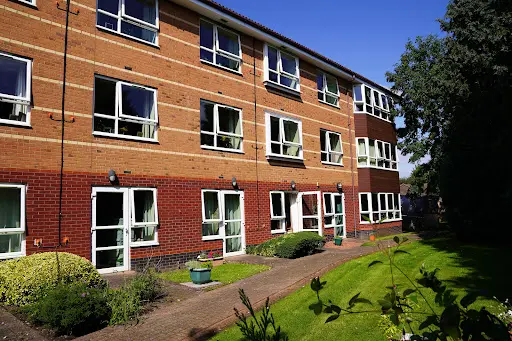
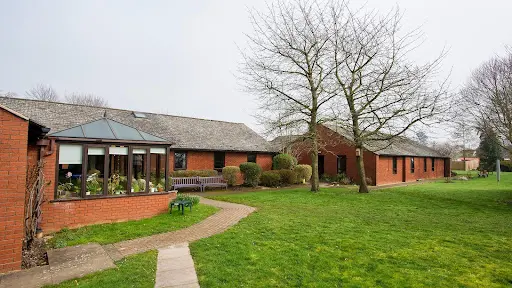
Barchester – Latimer Court Care Home

At a Glance
The information you need to decide whether this home warrants a closer look.
Nursing homes
Staff warmth score
of reviewers answered yes
Good to know
- Registered beds80
- SpecialismsCaring for adults over 65 yrs, Caring for adults under 65 yrs, Dementia, Physical disabilities, Sensory impairment
- Last inspected2022-10-05
Save Barchester – Latimer Court Care Home to your shortlist
Keep a running list, add visit notes, and compare homes side-by-side. Free account — it takes a minute.
STAGE 4 — RESEARCHING CARE HOMES
Visit homes. Compare them side by side. Choose with confidence.
Most of us will view care homes the way we view houses, impression, atmosphere, the feeling in the corridor. We go home, try to remember what we saw, and make a permanent decision from a blurred memory.

The DCC shortlist gives every home you visit a structured record: the same twelve questions, answered the same way, every time. When you’re ready to choose, pull any two homes side by side and compare them directly. Same criteria, same evidence, your notes and your scores.
The Evidence
What the review data, the inspection reports, and the dementia-care evidence base tell us about this home.
What families say
The cheerfulness here catches you off guard in the best way. Families describe staff who genuinely enjoy their work, taking time to chat and joke with residents throughout the day. People notice how their relatives become more animated and relaxed after settling in, with some families surprised by how quickly the positive changes happen.
The eight family priority themes
- Staff warmth72
- Compassion & dignity72
- Cleanliness70
- Activities & engagement65
- Food quality65
- Healthcare70
- Management & leadership75
- Resident happiness70
What inspectors found
Inspected 2022-10-05
Is this home safe?
Is the care effective?
The Effective domain was rated Good at the August 2022 inspection. This domain covers whether staff have the skills and knowledge to meet your parent's needs, including dementia training, care planning, nutrition, and access to healthcare professionals. Latimer Court lists dementia as a specialism alongside physical disabilities and sensory impairment. The published summary does not include specific detail about training completion rates, care plan content, GP visit frequency, or how dietary needs are assessed and met.Is this home caring?
The Caring domain was rated Good at the August 2022 inspection. This domain assesses whether staff treat people with kindness, respect, and dignity, and whether your parent's independence is supported rather than undermined. The published report does not include direct quotes from residents or relatives, nor specific inspector observations about staff interactions, use of preferred names, or how staff respond when someone with dementia becomes distressed.Is the home responsive?
The Responsive domain was rated Good at the August 2022 inspection. This domain covers whether care is organised around each person as an individual, including activities, engagement, and end-of-life planning. The home lists dementia, physical disabilities, and sensory impairment as specialisms, all of which require tailored rather than generic activities programming. The published report does not describe specific activity provision, one-to-one engagement, or end-of-life care practices.Is the home well-led?
The Well-led domain was rated Good at the August 2022 inspection, having previously been rated Requires Improvement. The home has a named registered manager, Miss Donna Tustin, and a nominated individual, Mr Dominic Jude Kay. An improvement in the Well-led domain from Requires Improvement to Good is significant because it indicates inspectors found evidence of improved governance, accountability, and culture. The published report does not include specific detail about management visibility, staff feedback mechanisms, or how the home uses data from incidents to drive improvement.
Source: CQC inspection report →
What the evidence base says
The home supports people with dementia, physical disabilities and sensory impairments, welcoming both younger adults under 65 and older residents. They work with families navigating care fees and actively connect with local community services. The dementia support here goes beyond the basics. Families describe staff who know how to help residents stay confident and engaged, creating moments of genuine connection even as memory fades. All areas worth probing directly during a visit.
The DCC Verdict
Our editorial view, built from the three lenses: what families tell us, what inspectors record, and how the home sits against good dementia-care practice.
DCC Family Score
Latimer Court scores 74 out of 100, reflecting a genuine and encouraging improvement from its previous Requires Improvement rating to a Good across all five domains. The score sits in the positive-but-general band because the published inspection text does not contain specific observations, direct quotes, or detailed examples to confirm the quality of day-to-day care.
Homes in West Midlands typically score 68–82.The three-lens summary
What families tell us
The cheerfulness here catches you off guard in the best way. Families describe staff who genuinely enjoy their work, taking time to chat and joke with residents throughout the day. People notice how their relatives become more animated and relaxed after settling in, with some families surprised by how quickly the positive changes happen.
What inspectors have recorded
Staff here seem to understand what matters most when someone has dementia. Families describe patient, skilled support that helps them feel secure even as their relative's condition changes. The team stays engaged with residents and families, though one visitor did notice a staff member who seemed less responsive during their visit — something worth asking about if it concerns you.
How it sits against good practice
Sometimes the smallest details tell you the most — like how families choose to spend extra time here, joining in activities rather than just visiting.
Worth a visit
Latimer Court, on Darwin Avenue in Worcester, was rated Good at its inspection in August 2022, published in October 2022. This is a meaningful result because the home had previously been rated Requires Improvement, and inspectors found sufficient evidence across all five domains, including safety, care planning, staff kindness, activities, and leadership, to award a Good rating in each. The home is run by Barchester Healthcare Homes Limited and has a named registered manager, which is a positive sign of stable leadership. The main limitation of this report is that the published inspection text is very brief and contains no specific observations, direct resident or family quotes, or detailed examples of day-to-day care. The Good ratings are credible but you cannot yet see the texture behind them. On your visit, pay particular attention to how staff interact with residents in corridors and communal areas when they do not know they are being watched. Ask the manager specifically about night staffing numbers, agency use, and how families are kept informed when their parent's health changes.
The three questions to ask when you visitSave this home. Compare it against your shortlist.
Let our analysis show you how Barchester – Latimer Court Care Home measures up against the other homes you’re considering. Free account.
In Their Own Words
How Barchester – Latimer Court Care Home describes itself — collected from its own website. DCC has not edited or independently verified the content in this tab.
Where happiness returns and families find genuine reassurance
Dedicated nursing home Support in Worcester
Watch someone you love become themselves again — that's what families describe happening at Latimer Court in Worcester. This West Midlands care home brings a particular warmth to supporting people with dementia, physical disabilities and sensory needs. Families talk about seeing their relatives laugh more, engage more, and rediscover the confidence they thought was lost.
Who they care for
The home supports people with dementia, physical disabilities and sensory impairments, welcoming both younger adults under 65 and older residents. They work with families navigating care fees and actively connect with local community services.
The dementia support here goes beyond the basics. Families describe staff who know how to help residents stay confident and engaged, creating moments of genuine connection even as memory fades.
“Sometimes the smallest details tell you the most — like how families choose to spend extra time here, joining in activities rather than just visiting.”
DCC does not edit or curate content in this tab. For independently curated information, see The Evidence and DCC Verdict.
The DCC Verdict
Our editorial view, built from the three lenses: what families tell us, what inspectors record, and how the home sits against good dementia-care practice.
DCC Family Score
Latimer Court scores 74 out of 100, reflecting a genuine and encouraging improvement from its previous Requires Improvement rating to a Good across all five domains. The score sits in the positive-but-general band because the published inspection text does not contain specific observations, direct quotes, or detailed examples to confirm the quality of day-to-day care.
Homes in West Midlands typically score 68–82.The three-lens summary
What families tell us
The cheerfulness here catches you off guard in the best way. Families describe staff who genuinely enjoy their work, taking time to chat and joke with residents throughout the day. People notice how their relatives become more animated and relaxed after settling in, with some families surprised by how quickly the positive changes happen.
What inspectors have recorded
Staff here seem to understand what matters most when someone has dementia. Families describe patient, skilled support that helps them feel secure even as their relative's condition changes. The team stays engaged with residents and families, though one visitor did notice a staff member who seemed less responsive during their visit — something worth asking about if it concerns you.
How it sits against good practice
Sometimes the smallest details tell you the most — like how families choose to spend extra time here, joining in activities rather than just visiting.
Worth a visit
Latimer Court, on Darwin Avenue in Worcester, was rated Good at its inspection in August 2022, published in October 2022. This is a meaningful result because the home had previously been rated Requires Improvement, and inspectors found sufficient evidence across all five domains, including safety, care planning, staff kindness, activities, and leadership, to award a Good rating in each. The home is run by Barchester Healthcare Homes Limited and has a named registered manager, which is a positive sign of stable leadership. The main limitation of this report is that the published inspection text is very brief and contains no specific observations, direct resident or family quotes, or detailed examples of day-to-day care. The Good ratings are credible but you cannot yet see the texture behind them. On your visit, pay particular attention to how staff interact with residents in corridors and communal areas when they do not know they are being watched. Ask the manager specifically about night staffing numbers, agency use, and how families are kept informed when their parent's health changes.
The three questions to ask when you visitSave this home. Compare it against your shortlist.
Let our analysis show you how Barchester – Latimer Court Care Home measures up against the other homes you’re considering. Free account.
In Their Own Words
How Barchester – Latimer Court Care Home describes itself — collected from its own website. DCC has not edited or independently verified the content in this tab.
Where happiness returns and families find genuine reassurance
Dedicated nursing home Support in Worcester
Watch someone you love become themselves again — that's what families describe happening at Latimer Court in Worcester. This West Midlands care home brings a particular warmth to supporting people with dementia, physical disabilities and sensory needs. Families talk about seeing their relatives laugh more, engage more, and rediscover the confidence they thought was lost.
Who they care for
The home supports people with dementia, physical disabilities and sensory impairments, welcoming both younger adults under 65 and older residents. They work with families navigating care fees and actively connect with local community services.
The dementia support here goes beyond the basics. Families describe staff who know how to help residents stay confident and engaged, creating moments of genuine connection even as memory fades.
Management & ethos
Staff here seem to understand what matters most when someone has dementia. Families describe patient, skilled support that helps them feel secure even as their relative's condition changes. The team stays engaged with residents and families, though one visitor did notice a staff member who seemed less responsive during their visit — something worth asking about if it concerns you.
The home & environment
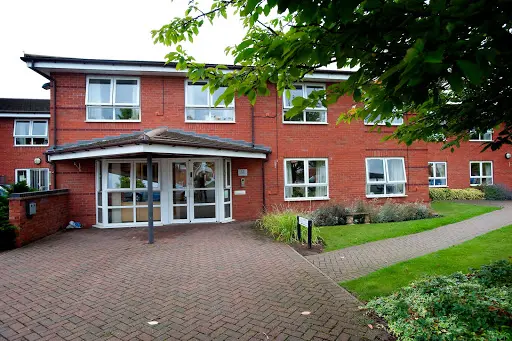
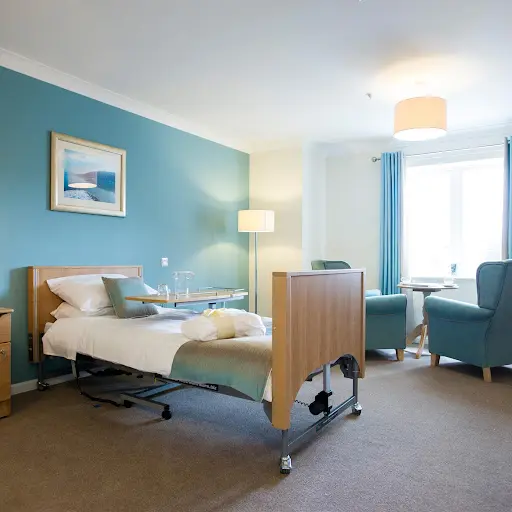
Chair-based dance sessions, fireworks nights, museum trips — there's proper thought behind the activities here. The home brings in church groups and guest speakers, creating reasons for families to visit beyond just seeing their relative. People mention the cleanliness throughout, well-maintained rooms with ensuite facilities, and food that residents actually look forward to.
“Sometimes the smallest details tell you the most — like how families choose to spend extra time here, joining in activities rather than just visiting.”
DCC does not edit or curate content in this tab. For independently curated information, see The Evidence and DCC Verdict.