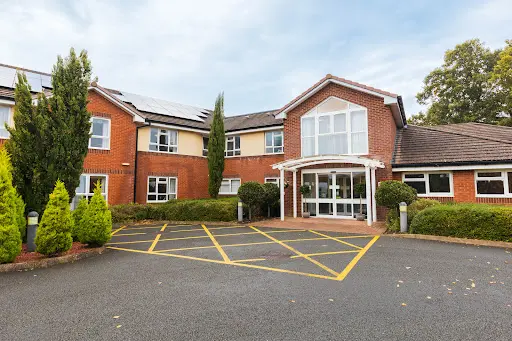
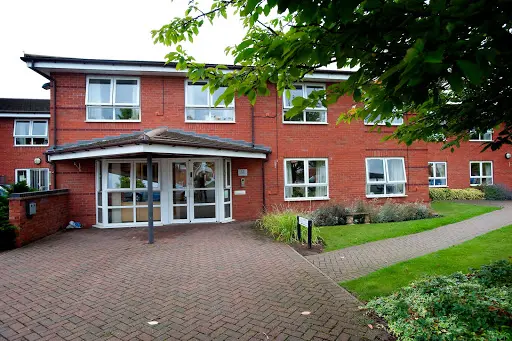
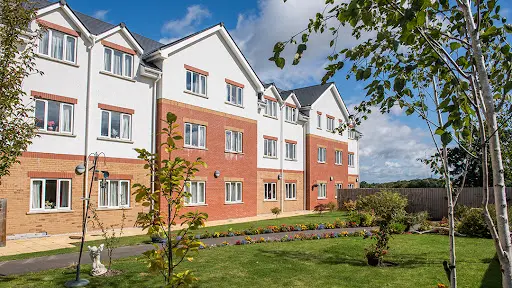
The Mill House
At a Glance
The information you need to decide whether this home warrants a closer look.
Residential homes
Staff warmth score
of reviewers answered yes
Good to know
- Registered beds38
- SpecialismsCaring for adults over 65 yrs, Dementia
- Last inspected2022-09-27
Save The Mill House to your shortlist
Keep a running list, add visit notes, and compare homes side-by-side. Free account — it takes a minute.
STAGE 4 — RESEARCHING CARE HOMES
Visit homes. Compare them side by side. Choose with confidence.
Most of us will view care homes the way we view houses, impression, atmosphere, the feeling in the corridor. We go home, try to remember what we saw, and make a permanent decision from a blurred memory.

The DCC shortlist gives every home you visit a structured record: the same twelve questions, answered the same way, every time. When you’re ready to choose, pull any two homes side by side and compare them directly. Same criteria, same evidence, your notes and your scores.
The Evidence
What the review data, the inspection reports, and the dementia-care evidence base tell us about this home.
What families say
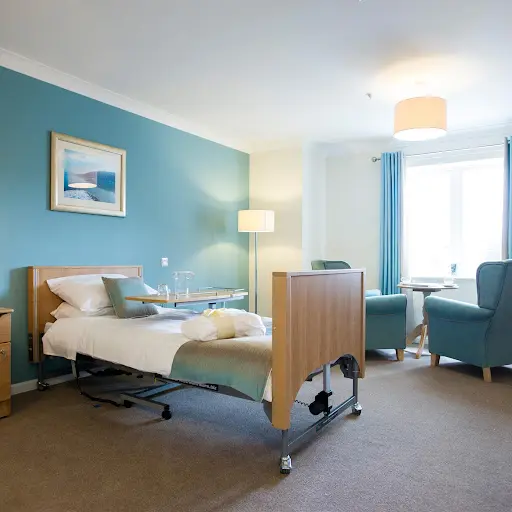
Families talk about staff who greet them by name months after their first visit, and residents whose rooms feel properly personal with their own furniture and photographs. There's a sense that people can keep their own routines here — joining in with activities when they fancy it, or having a quiet morning in their room when they don't.
The eight family priority themes
- Staff warmth70
- Compassion & dignity70
- Cleanliness68
- Activities & engagement60
- Food quality60
- Healthcare65
- Management & leadership45
- Resident happiness68
What inspectors found
Inspected 2022-09-27
Is this home safe?
Is the care effective?
The effective domain was rated Good at the September 2022 inspection. This covers training, care planning, access to healthcare professionals, nutrition, and how well the home meets the clinical needs of the people it supports. The home specialises in dementia care, so training in dementia-specific approaches is particularly relevant. The published summary does not include specific detail about GP access frequency, care plan review processes, or the content of dementia training provided to staff.Is this home caring?
The caring domain was rated Good at the September 2022 inspection. This is the domain that covers whether staff are kind, whether your parent's dignity and privacy are respected, and whether they are supported to remain as independent as possible. The published summary does not include specific observations about preferred names, unhurried interactions, or how staff respond when a resident becomes distressed. A Good rating indicates inspectors were satisfied with the warmth and respect they observed.Is the home responsive?
The responsive domain was rated Good at the September 2022 inspection. This covers whether the home offers meaningful activities, responds to individual preferences, supports independence, and has good arrangements for end-of-life care. The published summary does not include specific detail about the activity programme, one-to-one engagement for people with advanced dementia, or how the home approaches end-of-life planning. A Good rating indicates inspectors were satisfied with the home's responsiveness to individual needs.Is the home well-led?
The well-led domain was rated Requires Improvement at the September 2022 inspection. This is the only domain that did not achieve a Good rating, and it covers management quality, governance systems, how the home learns from incidents, and the culture of the organisation. The registered manager is named as Mrs Rebecca Louise Rawlings. The published summary does not provide specific detail about what shortfalls were identified in leadership and governance, but a Requires Improvement rating in this domain is a meaningful concern, particularly in a home that has previously held an overall Requires Improvement rating.
Source: CQC inspection report →
What the evidence base says
The Mill House specialises in dementia care and supports adults over 65. The home has established relationships with local GP surgeries and brings in podiatry services. For residents living with dementia, the team appears particularly attuned to non-verbal communication and changing needs throughout the day. Families describe staff who understand when someone needs space versus when they might benefit from gentle encouragement to join others. All areas worth probing directly during a visit.
The DCC Verdict
Our editorial view, built from the three lenses: what families tell us, what inspectors record, and how the home sits against good dementia-care practice.
DCC Family Score
The Mill House Care Home scores 72 out of 100. Four of the five inspection domains were rated Good, which is a meaningful improvement from a previous Requires Improvement rating, but the Well-led domain remains Requires Improvement, which holds the overall score back from the higher range.
Homes in West Midlands typically score 68–82.The three-lens summary
What families tell us
Families talk about staff who greet them by name months after their first visit, and residents whose rooms feel properly personal with their own furniture and photographs. There's a sense that people can keep their own routines here — joining in with activities when they fancy it, or having a quiet morning in their room when they don't.
What inspectors have recorded
What stands out in family feedback is how the team stays in touch — calling relatives when anything changes medically, arranging regular catch-ups, and being available by phone when families want to check in. Staff seem to pick up on individual preferences quickly, adapting meals and daily routines to suit each resident rather than following a one-size-fits-all approach.
How it sits against good practice
While one family had a very different experience here, the overwhelming picture is of a home where residents keep their independence within a supportive framework.
Worth a visit
The Mill House Care Home in Kington, Worcester was rated Good overall at its last inspection on 1 September 2022. This is a notable improvement from a previous Requires Improvement rating, and inspectors found the home to be performing well across safety, effectiveness, caring, and responsiveness. The home specialises in dementia care and supports adults over 65, with 38 beds. It is run by a named registered manager under the ownership of Mr and Mrs A W Carroll. The one area that still needs attention is leadership and governance, which remained at Requires Improvement. This matters because strong, stable management is one of the clearest predictors of consistent care quality over time, particularly in a home supporting people living with dementia. The published inspection summary contains limited specific detail, so there is significant ground to cover during a visit. Ask the registered manager directly how the leadership concerns identified in the inspection have been addressed since September 2022, and check whether a more recent inspection has taken place, given that over two years have now passed since this report was published.
The three questions to ask when you visitSave this home. Compare it against your shortlist.
Let our analysis show you how The Mill House measures up against the other homes you’re considering. Free account.
In Their Own Words
How The Mill House describes itself — collected from its own website. DCC has not edited or independently verified the content in this tab.
Where residents choose their own rhythm and families feel genuinely included
Residential home in Worcester: True Peace of Mind
When families describe The Mill House Care Home in Worcester, they often mention how staff remember the little things — whether someone prefers their tea lukewarm or loves listening to old jazz records. This care home in the West Midlands seems to understand that good care starts with really knowing each person who lives there.
Who they care for
The Mill House specialises in dementia care and supports adults over 65. The home has established relationships with local GP surgeries and brings in podiatry services.
For residents living with dementia, the team appears particularly attuned to non-verbal communication and changing needs throughout the day. Families describe staff who understand when someone needs space versus when they might benefit from gentle encouragement to join others.
“While one family had a very different experience here, the overwhelming picture is of a home where residents keep their independence within a supportive framework.”
DCC does not edit or curate content in this tab. For independently curated information, see The Evidence and DCC Verdict.
The DCC Verdict
Our editorial view, built from the three lenses: what families tell us, what inspectors record, and how the home sits against good dementia-care practice.
DCC Family Score
The Mill House Care Home scores 72 out of 100. Four of the five inspection domains were rated Good, which is a meaningful improvement from a previous Requires Improvement rating, but the Well-led domain remains Requires Improvement, which holds the overall score back from the higher range.
Homes in West Midlands typically score 68–82.The three-lens summary
What families tell us
Families talk about staff who greet them by name months after their first visit, and residents whose rooms feel properly personal with their own furniture and photographs. There's a sense that people can keep their own routines here — joining in with activities when they fancy it, or having a quiet morning in their room when they don't.
What inspectors have recorded
What stands out in family feedback is how the team stays in touch — calling relatives when anything changes medically, arranging regular catch-ups, and being available by phone when families want to check in. Staff seem to pick up on individual preferences quickly, adapting meals and daily routines to suit each resident rather than following a one-size-fits-all approach.
How it sits against good practice
While one family had a very different experience here, the overwhelming picture is of a home where residents keep their independence within a supportive framework.
Worth a visit
The Mill House Care Home in Kington, Worcester was rated Good overall at its last inspection on 1 September 2022. This is a notable improvement from a previous Requires Improvement rating, and inspectors found the home to be performing well across safety, effectiveness, caring, and responsiveness. The home specialises in dementia care and supports adults over 65, with 38 beds. It is run by a named registered manager under the ownership of Mr and Mrs A W Carroll. The one area that still needs attention is leadership and governance, which remained at Requires Improvement. This matters because strong, stable management is one of the clearest predictors of consistent care quality over time, particularly in a home supporting people living with dementia. The published inspection summary contains limited specific detail, so there is significant ground to cover during a visit. Ask the registered manager directly how the leadership concerns identified in the inspection have been addressed since September 2022, and check whether a more recent inspection has taken place, given that over two years have now passed since this report was published.
The three questions to ask when you visitSave this home. Compare it against your shortlist.
Let our analysis show you how The Mill House measures up against the other homes you’re considering. Free account.
In Their Own Words
How The Mill House describes itself — collected from its own website. DCC has not edited or independently verified the content in this tab.
Where residents choose their own rhythm and families feel genuinely included
Residential home in Worcester: True Peace of Mind
When families describe The Mill House Care Home in Worcester, they often mention how staff remember the little things — whether someone prefers their tea lukewarm or loves listening to old jazz records. This care home in the West Midlands seems to understand that good care starts with really knowing each person who lives there.
Who they care for
The Mill House specialises in dementia care and supports adults over 65. The home has established relationships with local GP surgeries and brings in podiatry services.
For residents living with dementia, the team appears particularly attuned to non-verbal communication and changing needs throughout the day. Families describe staff who understand when someone needs space versus when they might benefit from gentle encouragement to join others.
Management & ethos
What stands out in family feedback is how the team stays in touch — calling relatives when anything changes medically, arranging regular catch-ups, and being available by phone when families want to check in. Staff seem to pick up on individual preferences quickly, adapting meals and daily routines to suit each resident rather than following a one-size-fits-all approach.
The home & environment
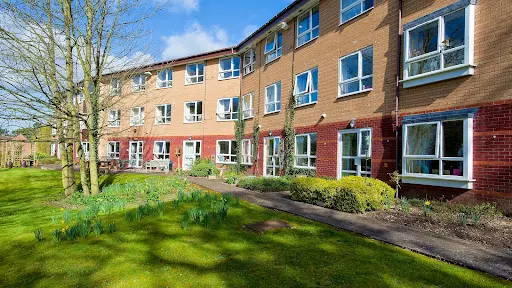
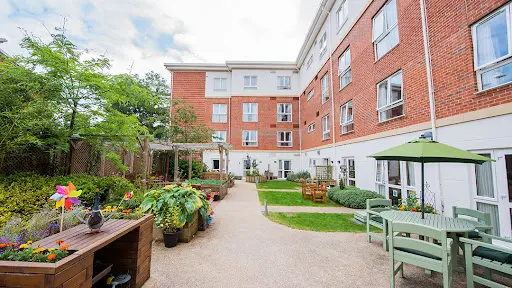
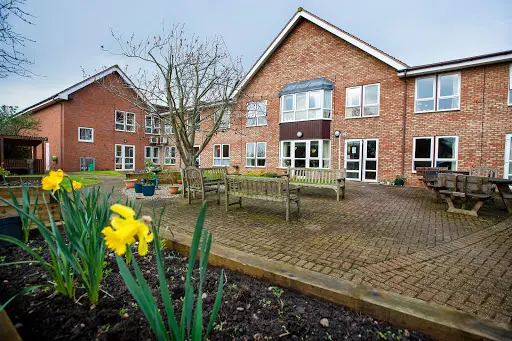
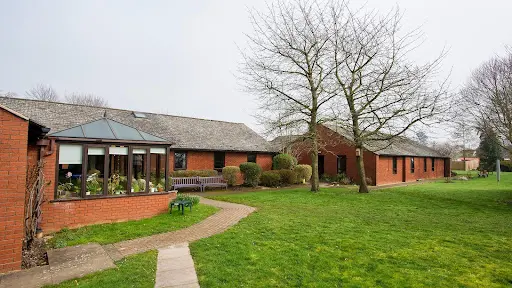
The home runs a full calendar of activities that seems to cater to different interests and abilities — from visiting singers and bingo to keep-fit sessions and craft activities. There's an on-site hairdressing salon, and families mention regular BBQs in warmer weather. People appreciate having these options without any pressure to participate.
“While one family had a very different experience here, the overwhelming picture is of a home where residents keep their independence within a supportive framework.”
DCC does not edit or curate content in this tab. For independently curated information, see The Evidence and DCC Verdict.