Willow Bank House Residential Home
At a Glance
The information you need to decide whether this home warrants a closer look.
Residential homes
Staff warmth score
of reviewers answered yes
Good to know
- Registered beds63
- SpecialismsCaring for adults over 65 yrs, Caring for adults under 65 yrs, Dementia, Physical disabilities
- Last inspected2022-07-21
Save Willow Bank House Residential Home to your shortlist
Keep a running list, add visit notes, and compare homes side-by-side. Free account — it takes a minute.
STAGE 4 — RESEARCHING CARE HOMES
Visit homes. Compare them side by side. Choose with confidence.
Most of us will view care homes the way we view houses, impression, atmosphere, the feeling in the corridor. We go home, try to remember what we saw, and make a permanent decision from a blurred memory.

The DCC shortlist gives every home you visit a structured record: the same twelve questions, answered the same way, every time. When you’re ready to choose, pull any two homes side by side and compare them directly. Same criteria, same evidence, your notes and your scores.
The Evidence
What the review data, the inspection reports, and the dementia-care evidence base tell us about this home.
What families say
Families describe a settling-in process that really works. The team takes time to understand each person's needs, staying in close contact with relatives during those crucial first weeks. Regular activities like singing sessions, flower arranging, and table tennis keep days full and meaningful. There's a real focus on finding what brings each resident joy.
The eight family priority themes
- Staff warmth72
- Compassion & dignity72
- Cleanliness70
- Activities & engagement60
- Food quality60
- Healthcare68
- Management & leadership75
- Resident happiness68
What inspectors found
Inspected 2022-07-21
Is this home safe?
Is the care effective?
The Effective domain was rated Good at the June 2022 inspection. This domain covers care planning, staff training including dementia training, food and nutrition, access to healthcare professionals such as GPs and specialist nurses, and whether care plans are kept up to date. The home is registered as a dementia specialism, meaning it has committed to having appropriate training and systems in place. No specific detail about training content, GP access frequency, or food quality was published.Is this home caring?
The Caring domain was rated Good at the June 2022 inspection. This domain covers staff warmth, dignity and respect, privacy, independence, and emotional wellbeing. Inspectors were satisfied that the home met the standard for genuine, respectful care. No direct observations of staff interactions, no resident quotes, and no family testimony were included in the published text for this inspection.Is the home responsive?
The Responsive domain was rated Good at the June 2022 inspection. This domain covers whether care is tailored to individual needs and preferences, whether there is a meaningful activities programme, how complaints are handled, and whether end-of-life wishes are planned for. The home previously received Requires Improvement, suggesting responsiveness to individual need had been a concern that was subsequently addressed. No activity schedules, individual engagement examples, or complaint outcomes were described in the published text.Is the home well-led?
The Well-led domain was rated Good at the June 2022 inspection. A named registered manager, Ms Carole Ann Hall, and a nominated individual, Mrs Karen Keen, are recorded, indicating clear accountability. The improvement from Requires Improvement across all domains suggests the leadership team responded effectively to previous inspection findings. No detail about management visibility, staff culture, governance meetings, or how the home handles whistleblowing was published.
Source: CQC inspection report →
What the evidence base says
The home cares for adults both under and over 65 with physical disabilities and dementia. They've shown particular flexibility in challenging times, accepting hospital transfers when many homes couldn't. Their dementia care weaves through everything — from how rooms are decorated to help with memory, to the patience shown during difficult moments. Staff understand that adjustment takes time and work closely with families to make transitions smoother. All areas worth probing directly during a visit.
The DCC Verdict
Our editorial view, built from the three lenses: what families tell us, what inspectors record, and how the home sits against good dementia-care practice.
DCC Family Score
Willow Bank House improved from Requires Improvement to Good across all five domains at its last inspection, which is a meaningful positive signal. However, the published inspection text contains limited specific detail, observations, or direct testimony, so scores reflect confirmed ratings rather than rich, verified evidence.
Homes in West Midlands typically score 68–82.The three-lens summary
What families tell us
Families describe a settling-in process that really works. The team takes time to understand each person's needs, staying in close contact with relatives during those crucial first weeks. Regular activities like singing sessions, flower arranging, and table tennis keep days full and meaningful. There's a real focus on finding what brings each resident joy.
What inspectors have recorded
Communication stands out here. Families talk about getting unprompted calls with updates, being able to reach managers directly when needed, and seeing regular photos of activities through social media. During COVID restrictions, they found creative ways to keep families connected through video calls. One family member has raised serious concerns about how a physical injury was handled, which prospective families should discuss directly with the home.
How it sits against good practice
Every family's journey with dementia is different. Visiting Willow Bank House will help you understand if their approach feels right for yours.
Worth a visit
Willow Bank House in Pershore was rated Good across all five inspection domains at its last inspection in June 2022. Importantly, this represented an improvement from its previous rating of Requires Improvement, which tells you that the leadership team identified problems and addressed them. The home is registered for 63 residents and specialises in dementia, physical disabilities, and care for both younger and older adults. A named registered manager and a nominated individual are recorded, indicating a defined accountability structure. The main limitation for families reading this report is that the published text is brief and contains very little specific detail about day-to-day life: no staff observations, no resident or family quotes, and no description of food, activities, environment, or night staffing. A Good rating is genuinely positive, but it tells you the legal minimum was met and improved, not what your mum or dad's day would actually feel like. Before making a decision, visit during a mealtime or an activity session, ask to see last week's actual staffing rota including nights, and ask the manager what specifically changed since the Requires Improvement rating.
The three questions to ask when you visitSave this home. Compare it against your shortlist.
Let our analysis show you how Willow Bank House Residential Home measures up against the other homes you’re considering. Free account.
In Their Own Words
How Willow Bank House Residential Home describes itself — collected from its own website. DCC has not edited or independently verified the content in this tab.
Where patience meets purpose in dementia care
Willow Bank House Residential Home – Expert Care in Pershore
When someone you love develops dementia, finding the right support feels overwhelming. Willow Bank House in Pershore understands this journey intimately. They've built their approach around what matters most — helping residents feel settled, engaged, and genuinely cared for through every stage of memory loss.
Who they care for
The home cares for adults both under and over 65 with physical disabilities and dementia. They've shown particular flexibility in challenging times, accepting hospital transfers when many homes couldn't.
Their dementia care weaves through everything — from how rooms are decorated to help with memory, to the patience shown during difficult moments. Staff understand that adjustment takes time and work closely with families to make transitions smoother.
“Every family's journey with dementia is different. Visiting Willow Bank House will help you understand if their approach feels right for yours.”
DCC does not edit or curate content in this tab. For independently curated information, see The Evidence and DCC Verdict.
The DCC Verdict
Our editorial view, built from the three lenses: what families tell us, what inspectors record, and how the home sits against good dementia-care practice.
DCC Family Score
Willow Bank House improved from Requires Improvement to Good across all five domains at its last inspection, which is a meaningful positive signal. However, the published inspection text contains limited specific detail, observations, or direct testimony, so scores reflect confirmed ratings rather than rich, verified evidence.
Homes in West Midlands typically score 68–82.The three-lens summary
What families tell us
Families describe a settling-in process that really works. The team takes time to understand each person's needs, staying in close contact with relatives during those crucial first weeks. Regular activities like singing sessions, flower arranging, and table tennis keep days full and meaningful. There's a real focus on finding what brings each resident joy.
What inspectors have recorded
Communication stands out here. Families talk about getting unprompted calls with updates, being able to reach managers directly when needed, and seeing regular photos of activities through social media. During COVID restrictions, they found creative ways to keep families connected through video calls. One family member has raised serious concerns about how a physical injury was handled, which prospective families should discuss directly with the home.
How it sits against good practice
Every family's journey with dementia is different. Visiting Willow Bank House will help you understand if their approach feels right for yours.
Worth a visit
Willow Bank House in Pershore was rated Good across all five inspection domains at its last inspection in June 2022. Importantly, this represented an improvement from its previous rating of Requires Improvement, which tells you that the leadership team identified problems and addressed them. The home is registered for 63 residents and specialises in dementia, physical disabilities, and care for both younger and older adults. A named registered manager and a nominated individual are recorded, indicating a defined accountability structure. The main limitation for families reading this report is that the published text is brief and contains very little specific detail about day-to-day life: no staff observations, no resident or family quotes, and no description of food, activities, environment, or night staffing. A Good rating is genuinely positive, but it tells you the legal minimum was met and improved, not what your mum or dad's day would actually feel like. Before making a decision, visit during a mealtime or an activity session, ask to see last week's actual staffing rota including nights, and ask the manager what specifically changed since the Requires Improvement rating.
The three questions to ask when you visitSave this home. Compare it against your shortlist.
Let our analysis show you how Willow Bank House Residential Home measures up against the other homes you’re considering. Free account.
In Their Own Words
How Willow Bank House Residential Home describes itself — collected from its own website. DCC has not edited or independently verified the content in this tab.
Where patience meets purpose in dementia care
Willow Bank House Residential Home – Expert Care in Pershore
When someone you love develops dementia, finding the right support feels overwhelming. Willow Bank House in Pershore understands this journey intimately. They've built their approach around what matters most — helping residents feel settled, engaged, and genuinely cared for through every stage of memory loss.
Who they care for
The home cares for adults both under and over 65 with physical disabilities and dementia. They've shown particular flexibility in challenging times, accepting hospital transfers when many homes couldn't.
Their dementia care weaves through everything — from how rooms are decorated to help with memory, to the patience shown during difficult moments. Staff understand that adjustment takes time and work closely with families to make transitions smoother.
Management & ethos
Communication stands out here. Families talk about getting unprompted calls with updates, being able to reach managers directly when needed, and seeing regular photos of activities through social media. During COVID restrictions, they found creative ways to keep families connected through video calls. One family member has raised serious concerns about how a physical injury was handled, which prospective families should discuss directly with the home.
The home & environment
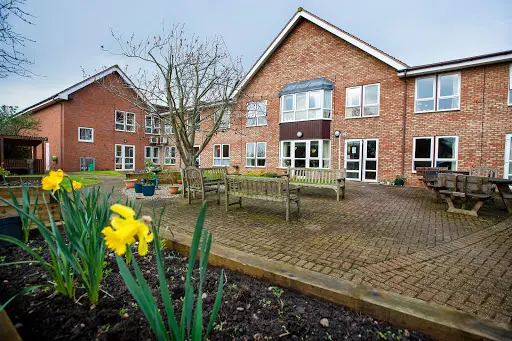
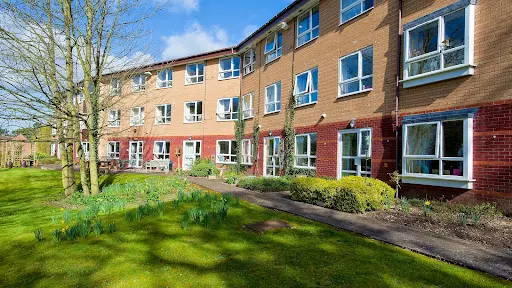
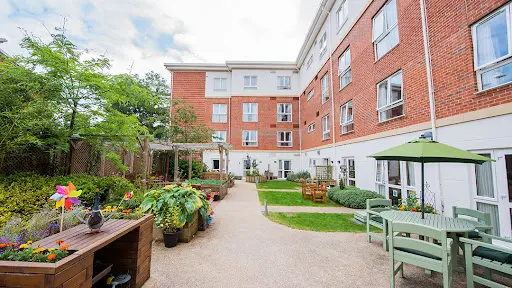
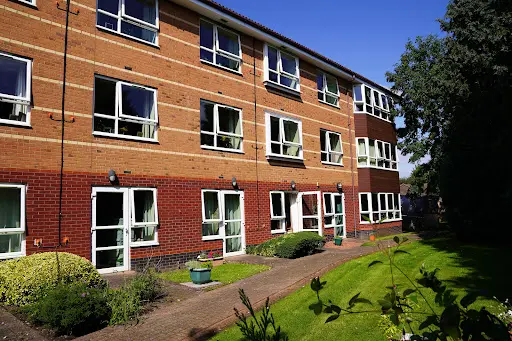
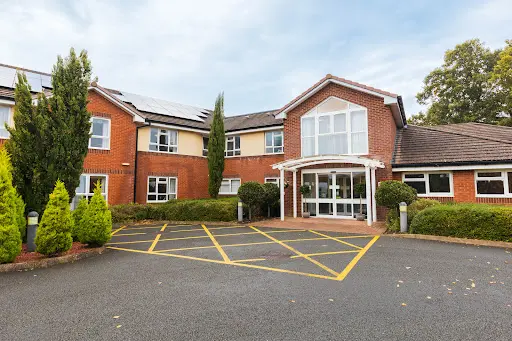
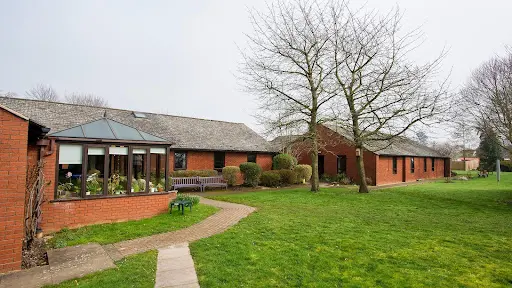
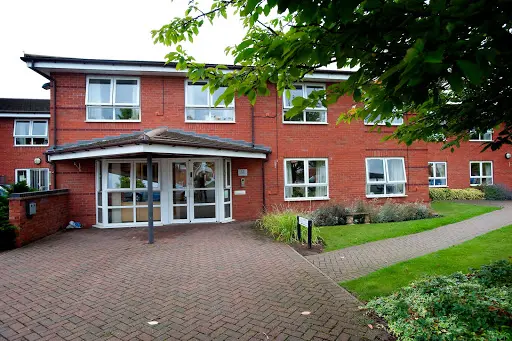
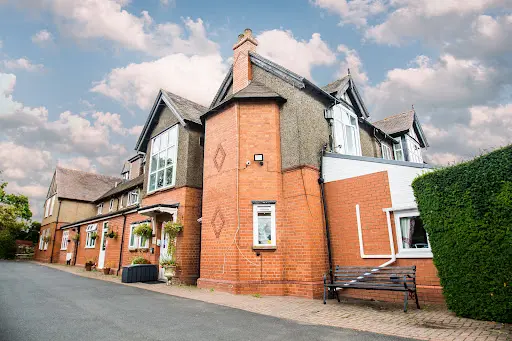
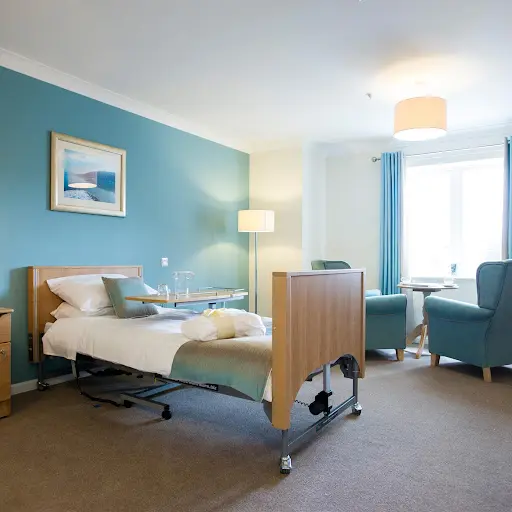
The home creates spaces that work with, not against, memory challenges. Different areas reflect various time periods, helping residents connect with familiar eras. There's a dedicated sensory room for quieter moments. Meals get proper attention too — families mention delicious food, good portions, and birthday cakes baked specially for each resident.
“Every family's journey with dementia is different. Visiting Willow Bank House will help you understand if their approach feels right for yours.”
DCC does not edit or curate content in this tab. For independently curated information, see The Evidence and DCC Verdict.