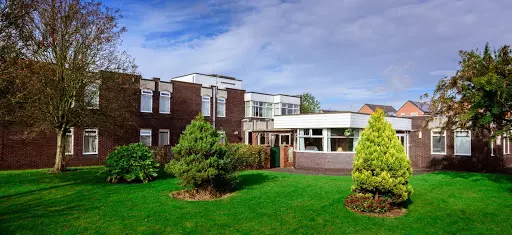
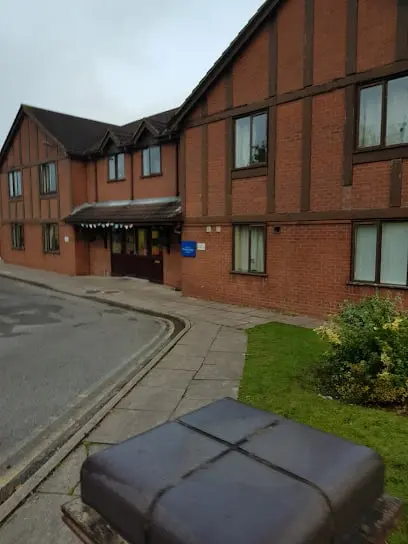
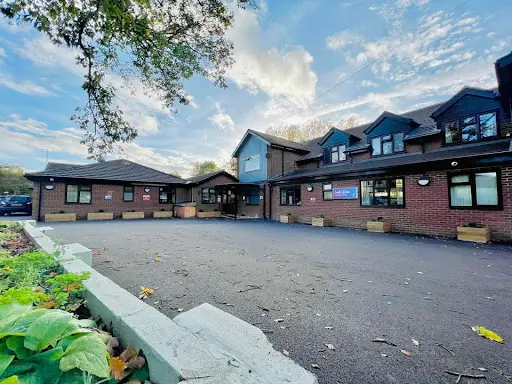
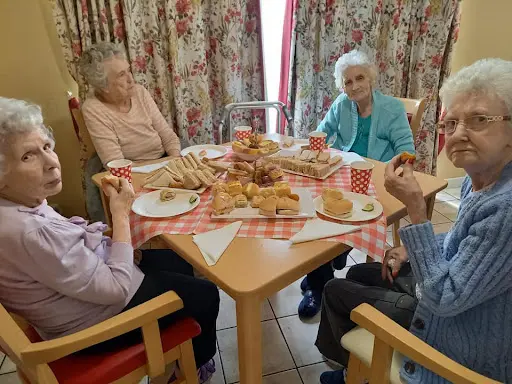
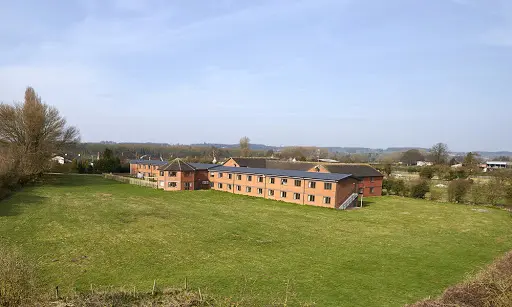
The Old Vicarage

At a Glance
The information you need to decide whether this home warrants a closer look.
Residential homes
Staff warmth score
of reviewers answered yes
Good to know
- Registered beds15
- SpecialismsCaring for adults over 65 yrs, Dementia, Physical disabilities
- Last inspected2023-01-28
Save The Old Vicarage to your shortlist
Keep a running list, add visit notes, and compare homes side-by-side. Free account — it takes a minute.
STAGE 4 — RESEARCHING CARE HOMES
Visit homes. Compare them side by side. Choose with confidence.
Most of us will view care homes the way we view houses, impression, atmosphere, the feeling in the corridor. We go home, try to remember what we saw, and make a permanent decision from a blurred memory.

The DCC shortlist gives every home you visit a structured record: the same twelve questions, answered the same way, every time. When you’re ready to choose, pull any two homes side by side and compare them directly. Same criteria, same evidence, your notes and your scores.
The Evidence
What the review data, the inspection reports, and the dementia-care evidence base tell us about this home.
What families say
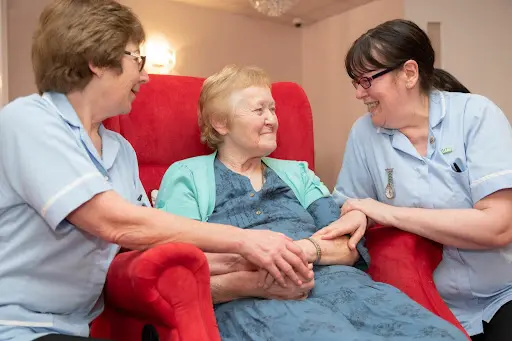
Families talk about walking in to find residents looking out for each other, noticing when someone needs a hand. Personal belongings fill individual rooms, giving everyone conversation starters and keeping connections to their own stories alive.
The eight family priority themes
- Staff warmth70
- Compassion & dignity70
- Cleanliness68
- Activities & engagement55
- Food quality55
- Healthcare65
- Management & leadership72
- Resident happiness68
What inspectors found
Inspected 2023-01-28
Is this home safe?
Is the care effective?
The Effective domain was rated Good, covering care planning, dementia training, healthcare access, and nutrition. Dementia is listed as a specialism, which implies some level of focused training and environmental adaptation, though no specifics are given. The previous Requires Improvement rating across the home suggests that effectiveness was among the areas reviewed and improved. No concerns about medicines, GP access, or care plan quality are flagged in the published summary. The small size of the home — 15 beds — can support more individualised and responsive care planning in practice.Is this home caring?
Caring was rated Good at the January 2023 inspection, covering staff warmth, dignity, respect, and how residents are treated day to day. This is typically the domain where inspectors observe interactions directly — staff addressing residents by preferred name, supporting independence, and responding to distress with patience. No concerns about dignity or respect are flagged. However, the published summary contains no direct quotes from residents or families, and no specific observations of caring interactions are described, which limits what can be confirmed with confidence.Is the home responsive?
Responsive was rated Good, covering activities, individual engagement, and end-of-life care planning. For a 15-bed home specialising in dementia, meaningful activity is particularly important — boredom and under-stimulation are significant contributors to distress and deterioration. The inspection gives a Good rating but provides no detail on what activities are offered, how they are tailored to individuals, or what provision exists for residents who cannot join group activities. End-of-life care planning is not specifically mentioned in the available text.Is the home well-led?
Well-led was rated Good, and the home improved from a previous Requires Improvement rating — which is itself a leadership achievement. The registered manager, Mrs Winsome Sookoo, is also the nominated individual, meaning she carries dual personal accountability. This is notable in a small home and suggests close, direct oversight rather than a more distant management structure. No governance failures, concerns about culture, or regulatory actions are recorded. The published summary does not detail how quality is monitored, how staff are supported to raise concerns, or how feedback from families is gathered and acted upon.
Source: CQC inspection report →
What the evidence base says
The home provides specialist dementia care alongside support for physical disabilities and general care for adults over 65. Some residents find comfort in sensory objects like robotic cats, which become treasured companions. The team understands how personal items and familiar routines help residents stay connected to themselves. All areas worth probing directly during a visit.
The DCC Verdict
Our editorial view, built from the three lenses: what families tell us, what inspectors record, and how the home sits against good dementia-care practice.
DCC Family Score
The Old Vicarage Residential Home scores 72 out of 100 — a solid Good across all five inspection domains, with a meaningful improvement from its previous Requires Improvement rating, though the limited inspection detail available means families should ask specific questions on a visit.
Homes in West Midlands typically score 68–82.The three-lens summary
What families tell us
Families talk about walking in to find residents looking out for each other, noticing when someone needs a hand. Personal belongings fill individual rooms, giving everyone conversation starters and keeping connections to their own stories alive.
What inspectors have recorded
The manager stays visible throughout the home, popping up in daily activities and keeping their door open for families. There's real thought behind who joins the team here — staff who'll jump into activities rather than just supervise from the sidelines.
How it sits against good practice
If you're looking for a place where respect comes naturally, The Old Vicarage might be worth exploring.
Worth a visit
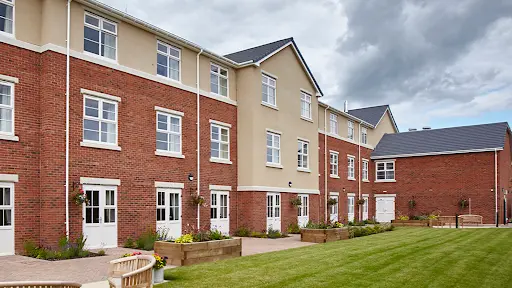
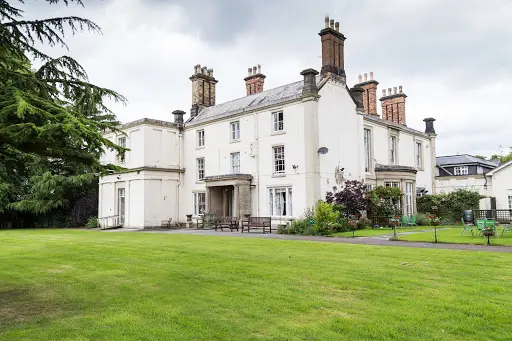
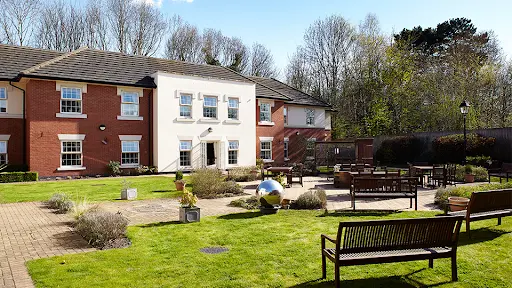
The Old Vicarage Residential Home on Vicarage Road, Stoke-on-Trent is a small, 15-bed residential home specialising in dementia, physical disabilities, and older adults. Its most recent official inspection, carried out in January 2023, awarded a Good rating across all five domains — Safety, Effectiveness, Caring, Responsiveness, and Leadership. Crucially, this represents a meaningful improvement from a previous Requires Improvement rating, which is an encouraging sign that the home identified problems and fixed them. The home is run directly by the registered manager, Mrs Winsome Sookoo, who is also the nominated individual — meaning she carries personal legal accountability for the standard of care. The main limitation of this report is that the published inspection text contains very little specific detail: no direct quotes from residents or families, no inspector observations of day-to-day interactions, and no breakdown of how individual domains were assessed. A Good rating is genuinely positive, but without that supporting evidence, it is harder to score the home confidently in areas like activities, food, and dementia-specific care. When you visit, pay close attention to how staff interact with residents in corridors and communal areas — not just in set-piece settings — and ask specific questions: how many staff are on overnight, how often your parent's care plan would be reviewed with you, and what activities are available for someone who might not be able to join a group.
The three questions to ask when you visitSave this home. Compare it against your shortlist.
Let our analysis show you how The Old Vicarage measures up against the other homes you’re considering. Free account.
In Their Own Words
How The Old Vicarage describes itself — collected from its own website. DCC has not edited or independently verified the content in this tab.
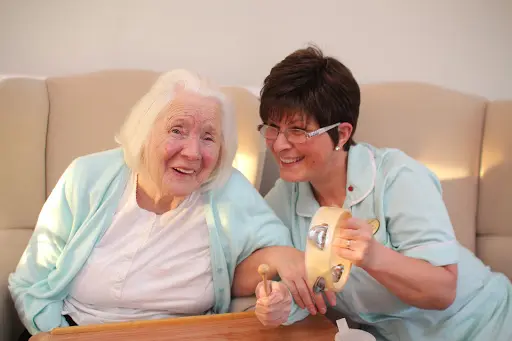
Where spontaneous singalongs bring everyone together in Stoke
Compassionate Care in Stoke On Trent at The Old Vicarage Residential Home
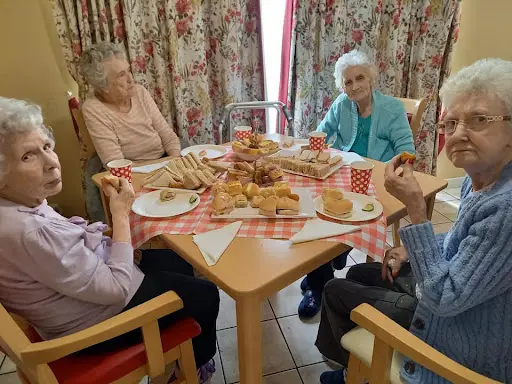
There's something special happening when residents and staff naturally break into song together. The Old Vicarage Residential Home in Stoke On Trent creates these unexpected moments of joy alongside more structured dementia care, physical disability support and care for over-65s.
Who they care for
The home provides specialist dementia care alongside support for physical disabilities and general care for adults over 65.
Some residents find comfort in sensory objects like robotic cats, which become treasured companions. The team understands how personal items and familiar routines help residents stay connected to themselves.
“If you're looking for a place where respect comes naturally, The Old Vicarage might be worth exploring.”
DCC does not edit or curate content in this tab. For independently curated information, see The Evidence and DCC Verdict.
The DCC Verdict
Our editorial view, built from the three lenses: what families tell us, what inspectors record, and how the home sits against good dementia-care practice.
DCC Family Score
The Old Vicarage Residential Home scores 72 out of 100 — a solid Good across all five inspection domains, with a meaningful improvement from its previous Requires Improvement rating, though the limited inspection detail available means families should ask specific questions on a visit.
Homes in West Midlands typically score 68–82.The three-lens summary
What families tell us
Families talk about walking in to find residents looking out for each other, noticing when someone needs a hand. Personal belongings fill individual rooms, giving everyone conversation starters and keeping connections to their own stories alive.
What inspectors have recorded
The manager stays visible throughout the home, popping up in daily activities and keeping their door open for families. There's real thought behind who joins the team here — staff who'll jump into activities rather than just supervise from the sidelines.
How it sits against good practice
If you're looking for a place where respect comes naturally, The Old Vicarage might be worth exploring.
Worth a visit
The Old Vicarage Residential Home on Vicarage Road, Stoke-on-Trent is a small, 15-bed residential home specialising in dementia, physical disabilities, and older adults. Its most recent official inspection, carried out in January 2023, awarded a Good rating across all five domains — Safety, Effectiveness, Caring, Responsiveness, and Leadership. Crucially, this represents a meaningful improvement from a previous Requires Improvement rating, which is an encouraging sign that the home identified problems and fixed them. The home is run directly by the registered manager, Mrs Winsome Sookoo, who is also the nominated individual — meaning she carries personal legal accountability for the standard of care. The main limitation of this report is that the published inspection text contains very little specific detail: no direct quotes from residents or families, no inspector observations of day-to-day interactions, and no breakdown of how individual domains were assessed. A Good rating is genuinely positive, but without that supporting evidence, it is harder to score the home confidently in areas like activities, food, and dementia-specific care. When you visit, pay close attention to how staff interact with residents in corridors and communal areas — not just in set-piece settings — and ask specific questions: how many staff are on overnight, how often your parent's care plan would be reviewed with you, and what activities are available for someone who might not be able to join a group.
The three questions to ask when you visitSave this home. Compare it against your shortlist.
Let our analysis show you how The Old Vicarage measures up against the other homes you’re considering. Free account.
In Their Own Words
How The Old Vicarage describes itself — collected from its own website. DCC has not edited or independently verified the content in this tab.
Where spontaneous singalongs bring everyone together in Stoke
Compassionate Care in Stoke On Trent at The Old Vicarage Residential Home
There's something special happening when residents and staff naturally break into song together. The Old Vicarage Residential Home in Stoke On Trent creates these unexpected moments of joy alongside more structured dementia care, physical disability support and care for over-65s.
Who they care for
The home provides specialist dementia care alongside support for physical disabilities and general care for adults over 65.
Some residents find comfort in sensory objects like robotic cats, which become treasured companions. The team understands how personal items and familiar routines help residents stay connected to themselves.
Management & ethos
The manager stays visible throughout the home, popping up in daily activities and keeping their door open for families. There's real thought behind who joins the team here — staff who'll jump into activities rather than just supervise from the sidelines.
“If you're looking for a place where respect comes naturally, The Old Vicarage might be worth exploring.”
DCC does not edit or curate content in this tab. For independently curated information, see The Evidence and DCC Verdict.