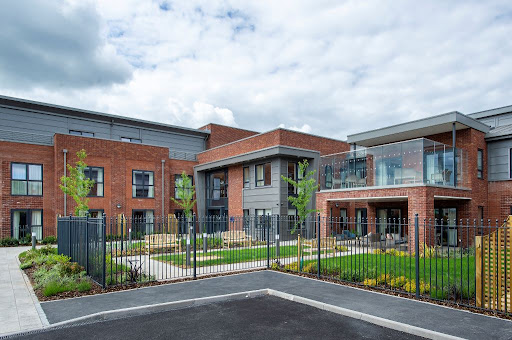
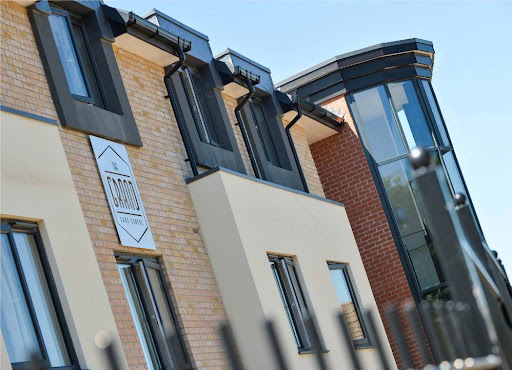
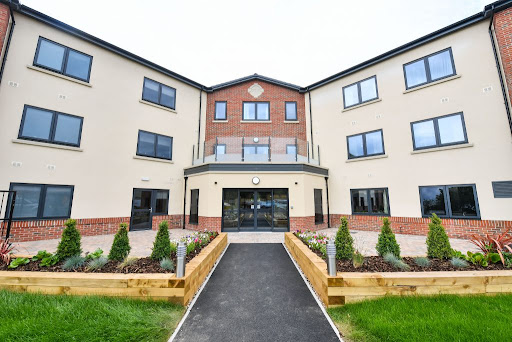
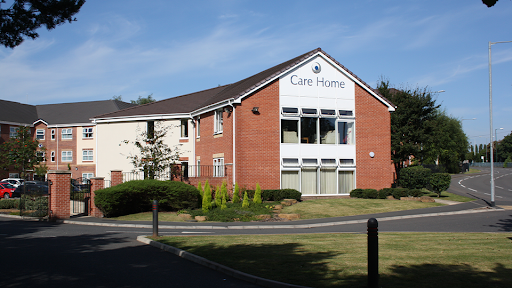
The Old Vicarage Care Home
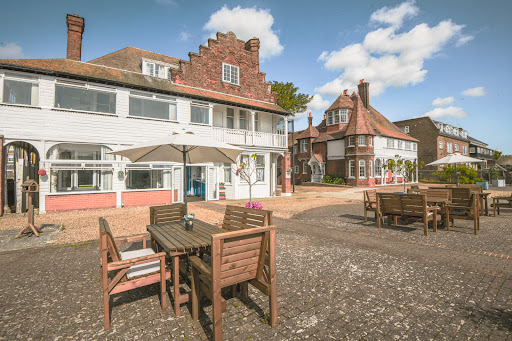
At a Glance
The information you need to decide whether this home warrants a closer look.
Nursing homes
Staff warmth score
of reviewers answered yes
Good to know
- Registered beds30
- SpecialismsCaring for adults over 65 yrs, Dementia, Mental health conditions, Physical disabilities
- Last inspected2023-03-04
- Visit Website
The Evidence
What the review data, the inspection reports, and the dementia-care evidence base tell us about this home.
What families say
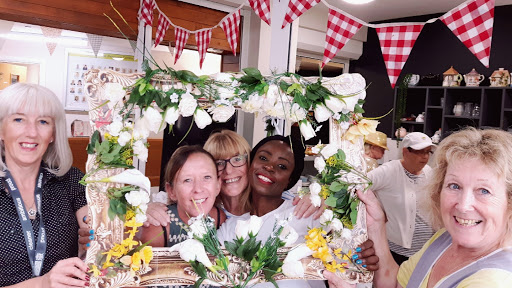
Families describe how their loved ones have found their voice again after moving here. Where previous care homes left residents feeling unheard or anxious, people find they can express their needs without worry. It's the kind of atmosphere where residents rediscover confidence they thought they'd lost.
Based on 5 Google reviews · 0 reviews on carehome.co.uk · most recent 2026-04-10
The eight family priority themes
- Staff warmth55
- Compassion & dignity55
- Cleanliness60
- Activities & engagement50
- Food quality50
- Healthcare60
- Management & leadership65
- Resident happiness55
What inspectors found
Inspected 2023-03-04 · Report published 2023-03-04 · Inspected 5 times in the last three years
Is this home safe?
{"found":"The Safe domain was rated Good at the September 2025 inspection. This is a notable change from the previous Inadequate overall rating, which would typically have included safety concerns. The published report does not provide specific detail on staffing ratios, medicines management, falls monitoring, infection control, or incident-learning processes. The fact that Safe is now rated Good means inspectors were satisfied that baseline safety requirements were met.","quotes":[],"family_meaning":"A Good safety rating after a previous Inadequate finding is reassuring, but it is the starting point for your questions, not the end of them. Good Practice research consistently identifies night staffing as the point where safety most often slips in care homes of this size. The published findings do not tell you how many staff are on duty overnight for 30 beds, or whether a qualified nurse is present at night. In our family review data, safe environment and staff attentiveness together account for around 26% of what families mention in positive reviews, so this is an area where your own observation matters as much as the rating.","evidence_base":"The IFF Research and Leeds Beckett University rapid evidence review found that reliance on agency staff undermines the consistency of safe care, particularly on night shifts. Homes with low agency use and stable permanent teams show better safety outcomes.","watch_out":"Ask the manager to show you the actual staffing rota for the last two weeks, not the planned template. Count how many permanent staff worked nights versus agency cover, and confirm whether a qualified nurse is on site throughout the night."}
Is the care effective?
{"found":"The Effective domain was rated Good at the September 2025 inspection. No specific detail is available in the published text about how care plans are written or reviewed, whether families are included in care planning, what dementia training staff have completed, or how the home manages GP access and health monitoring. The Good rating confirms inspectors were satisfied with effectiveness at the time of the visit.","quotes":[],"family_meaning":"Effectiveness in a dementia care context means that staff know your parent as an individual, not just as a set of care needs. Good Practice research shows that care plans function best as living documents, updated regularly and shaped by input from families. The published findings do not confirm whether that is happening here. Food quality, which accounts for 20.9% of what families mention positively in our review data, is also unconfirmed. These are things you can ask about and, in the case of food, observe directly on a visit.","evidence_base":"The Good Practice evidence base finds that regular, structured GP access and named-person health monitoring are associated with better health outcomes for people living with dementia in care home settings.","watch_out":"Ask how often your parent's care plan would be formally reviewed, who attends that review, and whether you would be invited. Then ask what specific dementia training every member of the care staff has completed in the last 12 months."}
Is this home caring?
{"found":"The Caring domain was rated Good at the September 2025 inspection. No inspector observations of staff interactions, no resident testimony, and no family quotes are available in the published text. The rating confirms that inspectors judged the standard of care to meet the Good threshold, but no specific examples of warmth, dignity, or respectful practice are recorded in what has been published.","quotes":[],"family_meaning":"Staff warmth is the single most important factor in family satisfaction, mentioned in 57.3% of positive reviews in our data, and compassion and dignity together account for a further 55.2%. These are the things families notice immediately and remember longest. Because the published findings contain no specific observations here, you will need to form your own view on a visit. Watch whether staff use your parent's preferred name without being prompted, whether they move at an unhurried pace, and how they respond to someone who is confused or distressed.","evidence_base":"Good Practice research highlights that non-verbal communication, including tone, pace, and physical proximity, matters as much as spoken words for people living with dementia, and that person-centred care requires staff to know the individual's history and preferences, not just their care needs.","watch_out":"On your visit, pay attention to how staff in corridors interact with residents who are not in a formal care interaction. Do they make eye contact, use names, and stop to chat? Or do they walk past without acknowledgement? This is often the clearest indicator of everyday culture."}
Is the home responsive?
{"found":"The Responsive domain was rated Good at the September 2025 inspection. No specific detail about the activities programme, individual engagement, complaint handling, or end-of-life planning is available in the published text. The home's stated specialisms include dementia and mental health conditions, which means responsive care should be adapted to a range of communication and engagement needs.","quotes":[],"family_meaning":"Resident happiness accounts for 27.1% of positive family reviews in our data, and meaningful activities account for 21.4%. For people living with dementia, the Good Practice evidence base is clear that group activities alone are not enough: one-to-one engagement, and activities rooted in a person's own history and interests, make the biggest difference to quality of life. The published findings do not tell you whether the home does this well. This is worth exploring carefully, particularly if your parent is at a stage where joining a group activity is difficult.","evidence_base":"The Good Practice evidence base identifies tailored, individual activities (including Montessori-based approaches and familiar household tasks) as significantly more effective for people with advanced dementia than standard group programming.","watch_out":"Ask to see the activity schedule for the last two weeks and check whether it includes any one-to-one sessions. Then ask what would happen for your parent on a day when they did not want to, or could not, join a group activity."}
Is the home well-led?
{"found":"The Well-led domain was rated Good at the September 2025 inspection. A registered manager, Miss Demi Courtney Rebecca Jones, is confirmed in post. A nominated individual, Mr Jonathan Caan, is also named. The home is run by SRJ Care Home Limited. The previous Inadequate rating and the subsequent improvement to Good across all domains suggests that leadership changes or improvements have taken place, though the published text does not describe what specifically changed.","quotes":[],"family_meaning":"Management and communication with families together account for around 35% of what families highlight in positive reviews. Good Practice research is consistent on one point: leadership stability predicts quality trajectory. A home that has improved from Inadequate to Good has done something right, but the published findings do not tell you how long the current registered manager has been in post, how stable the staff team is, or how the home's culture has changed. These are exactly the questions worth asking, because a turnaround built on one person can reverse if that person leaves.","evidence_base":"The Good Practice evidence base finds that homes where staff feel able to raise concerns without fear, and where managers are visible on the floor rather than office-based, sustain quality more reliably over time.","watch_out":"Ask the registered manager directly how long they have been in post, whether they were in place during the previous Inadequate period, and what the three most important changes they made were. The specificity and honesty of the answer will tell you as much as the answer itself."}
Source: CQC inspection report →
What the evidence base says
Against the DCC Good Practice in Dementia Care standards, this home’s evidence aligns most strongly on The home specialises in dementia care alongside support for mental health conditions and physical disabilities, welcoming residents over 65.. Gaps or open questions remain on Their dementia care focuses on creating an environment where residents feel secure and understood. The approach here recognises that feeling heard and maintaining dignity are fundamental to good dementia support. — areas worth probing directly during a visit.
The DCC Verdict
Our editorial view, built from the three lenses: what families tell us, what inspectors record, and how the home sits against good dementia-care practice.
DCC Family Score
The Old Vicarage has made a significant improvement from Inadequate to Good across all five domains at its most recent inspection in September 2025. However, the published inspection text provides very limited specific detail, so scores reflect confirmed improvement rather than rich observed evidence.
Homes in East Midlands typically score 68–82.The three-lens summary
What families tell us
Families describe how their loved ones have found their voice again after moving here. Where previous care homes left residents feeling unheard or anxious, people find they can express their needs without worry. It's the kind of atmosphere where residents rediscover confidence they thought they'd lost.
What inspectors have recorded
The nursing team brings real professionalism to their work, with leadership that clearly puts resident welfare at the heart of decisions. When families face the hardest moments, staff support them through with genuine compassion and dignity.
How it sits against good practice
Sometimes the smallest things — feeling safe to speak up, knowing someone's listening — make the biggest difference in care.
Worth a visit
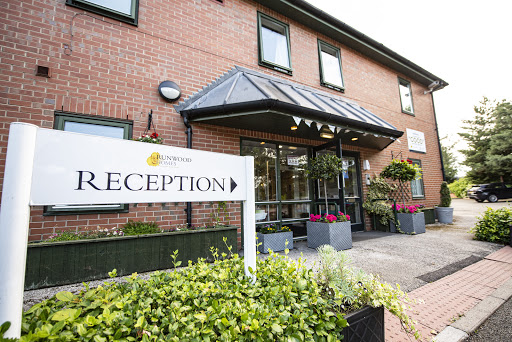
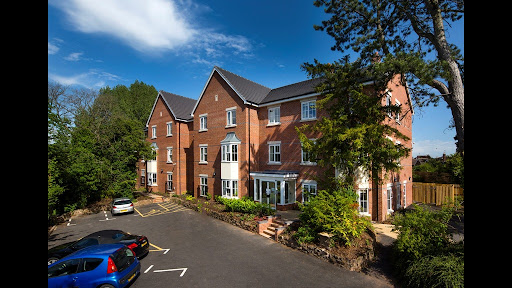
The Old Vicarage, a 30-bed nursing home on Breedon Street in Nottingham, was rated Good across all five inspection domains at its most recent assessment in September 2025. This is a significant improvement: the home was previously rated Inadequate, and achieving Good in every domain represents a genuine turnaround. The home cares for people over 65, including those living with dementia, mental health conditions, and physical disabilities. A registered manager is confirmed in post. The main limitation for any family considering this home is that the published inspection text contains very little specific detail. There are no inspector observations of staff interactions, no resident or family quotes, and no specific findings on staffing levels, food, activities, or night cover. A Good rating is a meaningful baseline, but it tells you that the home passed; it does not tell you what daily life actually looks like for your mum or dad. Before making a decision, visit at a mealtime, ask to see last week's actual staffing rota (not the template), and ask the manager directly about night staffing numbers, agency use, and how the team supports people living with dementia who can no longer join group activities.
The three questions to ask when you visitSave this home. Compare it against your shortlist.
Let our analysis show you how The Old Vicarage Care Home measures up against the other homes you’re considering. Free account.
In Their Own Words
How The Old Vicarage Care Home describes itself — collected from its own website. DCC has not edited or independently verified the content in this tab.
Where voices are heard and dignity comes first
The Old Vicarage – Your Trusted nursing home
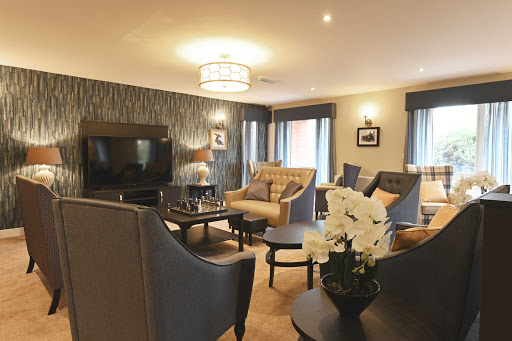
When someone you love needs specialist care, finding a place where they'll truly be heard matters more than anything. The Old Vicarage in Nottingham creates an environment where residents feel safe to speak up about their needs — something that makes all the difference for people who've struggled in other care settings. This focus on dignity and respect runs through everything they do here.
Who they care for
The home specialises in dementia care alongside support for mental health conditions and physical disabilities, welcoming residents over 65.
Their dementia care focuses on creating an environment where residents feel secure and understood. The approach here recognises that feeling heard and maintaining dignity are fundamental to good dementia support.
Management & ethos
The nursing team brings real professionalism to their work, with leadership that clearly puts resident welfare at the heart of decisions. When families face the hardest moments, staff support them through with genuine compassion and dignity.
“Sometimes the smallest things — feeling safe to speak up, knowing someone's listening — make the biggest difference in care.”
DCC does not edit or curate content in this tab. For independently curated information, see The Evidence and DCC Verdict.