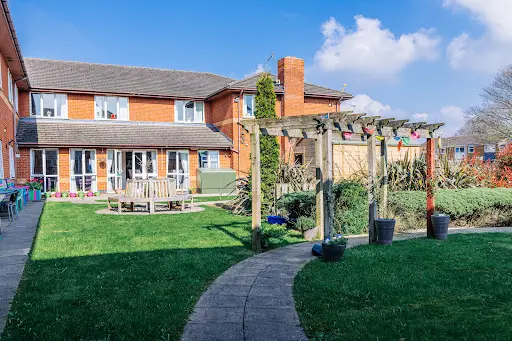
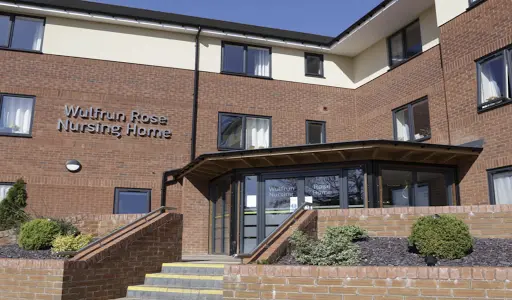
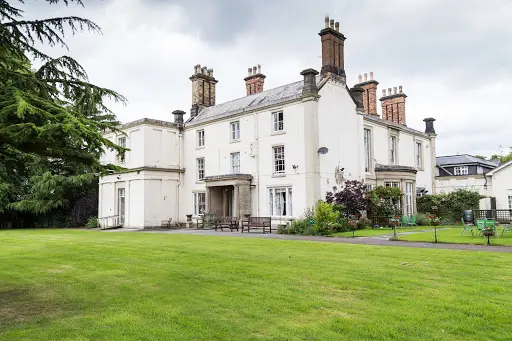
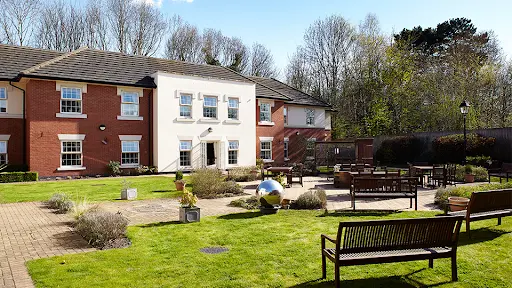
Manor House Nursing Home
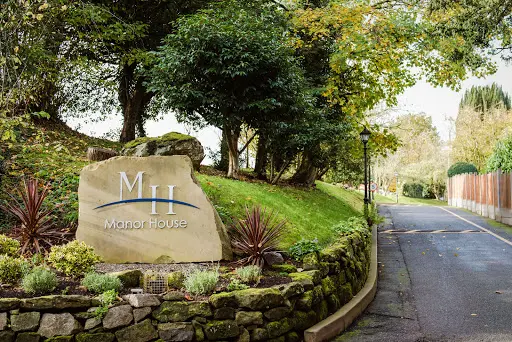
At a Glance
The information you need to decide whether this home warrants a closer look.
Nursing homes, Rehabilitation (illness/injury)
Staff warmth score
of reviewers answered yes
Good to know
- Registered beds125
- SpecialismsCaring for adults over 65 yrs, Caring for adults under 65 yrs, Dementia, Eating disorders, Mental health conditions, Physical disabilities
- Last inspected2022-12-10
Save Manor House Nursing Home to your shortlist
Keep a running list, add visit notes, and compare homes side-by-side. Free account — it takes a minute.
STAGE 4 — RESEARCHING CARE HOMES
Visit homes. Compare them side by side. Choose with confidence.
Most of us will view care homes the way we view houses, impression, atmosphere, the feeling in the corridor. We go home, try to remember what we saw, and make a permanent decision from a blurred memory.

The DCC shortlist gives every home you visit a structured record: the same twelve questions, answered the same way, every time. When you’re ready to choose, pull any two homes side by side and compare them directly. Same criteria, same evidence, your notes and your scores.
The Evidence
What the review data, the inspection reports, and the dementia-care evidence base tell us about this home.
What families say
People talk about staff responding promptly when families need help and showing real kindness toward residents. New residents seem to settle well, with families noting the warm welcome they receive. The care extends to family members too, particularly those without wider support networks.
The eight family priority themes
- Staff warmth72
- Compassion & dignity72
- Cleanliness70
- Activities & engagement65
- Food quality65
- Healthcare70
- Management & leadership72
- Resident happiness70
What inspectors found
Inspected 2022-12-10
Is this home safe?
Is the care effective?
The home received a Good rating for Effective at its April 2024 inspection. The home is registered for a wide range of complex needs including dementia, mental health conditions, physical disabilities, and rehabilitation following illness or injury. No specific detail about care plan quality, dementia training content, GP access, or food quality is available in the published report text. The breadth of specialisms means the effectiveness of care for your parent will depend heavily on which unit and specialism applies to their needs.Is this home caring?
The home received a Good rating for Caring at its April 2024 inspection. No specific inspector observations, resident testimony, or family quotes are available in the published report text to illustrate what caring looks like day to day at this home. The Good rating indicates inspectors were satisfied, but without detail it is not possible to describe specific practices around dignity, preferred names, or responses to distress.Is the home responsive?
The home received a Good rating for Responsive at its April 2024 inspection. The home's registration covers a wide range of needs, suggesting some capacity for tailoring care to individuals. No specific detail about the activity programme, one-to-one engagement, complaints handling, or end-of-life planning is available in the published report text.Is the home well-led?
The home received a Good rating for Well-led at its April 2024 inspection. Mrs Angela Jane Sands is named as the registered manager and Mr Simon Peter Dixey as the nominated individual, indicating named, accountable leadership is in place. The improvement from Requires Improvement to Good across all domains at this inspection suggests the leadership team has driven genuine progress. No specific detail about management culture, staff empowerment, governance systems, or complaint handling is available in the published report text.
Source: CQC inspection report →
What the evidence base says
The home cares for adults both under and over 65 with a range of complex needs. They support people living with dementia, mental health conditions, eating disorders and physical disabilities. The home accepts residents with dementia as part of their wider specialist care. Families report staff show genuine care toward residents with complex needs, though some have noted concerns about agency staff training. All areas worth probing directly during a visit.
The DCC Verdict
Our editorial view, built from the three lenses: what families tell us, what inspectors record, and how the home sits against good dementia-care practice.
DCC Family Score
The Manor House Nursing Home was rated Good across all five inspection domains at its most recent assessment in April 2024, representing a genuine improvement from a previous Requires Improvement rating. However, the published report text contains very limited specific detail, so scores reflect the overall Good rating rather than strong direct evidence across individual themes.
Homes in West Midlands typically score 68–82.The three-lens summary
What families tell us
People talk about staff responding promptly when families need help and showing real kindness toward residents. New residents seem to settle well, with families noting the warm welcome they receive. The care extends to family members too, particularly those without wider support networks.
What inspectors have recorded
Several families praise the core team for keeping residents clean, comfortable and well-groomed. However, some have raised concerns about agency staff training and language barriers affecting care. There have also been reports of maintenance issues taking months to fix and lost laundry despite name tags.
How it sits against good practice
If you're considering The Manor House, it's worth visiting to see how they support residents with your loved one's specific needs.
Worth a visit
The Manor House Nursing Home on Burton Manor Road, Stafford, was rated Good across all five inspection domains at its most recent assessment in April 2024, with the full report published in September 2024. This is a meaningful result because the home previously held a Requires Improvement rating, and moving to Good across every domain simultaneously indicates that whatever problems were identified earlier have been addressed. The home cares for up to 125 people with a wide range of needs, including dementia, mental health conditions, physical disabilities, and those requiring nursing and rehabilitation support. The main uncertainty here is that the published inspection text available for this analysis contains very limited specific detail. There are no direct inspector observations, resident or family quotes, or specific examples to draw on across the five domains. A Good rating is reassuring, but it does not substitute for what you will see and hear on a visit. Before you make a decision, ask to speak with the registered manager, Mrs Angela Jane Sands, observe staff interactions during a mealtime, and ask directly about night staffing ratios, agency usage, and how the home involves families in care planning.
The three questions to ask when you visitSave this home. Compare it against your shortlist.
Let our analysis show you how Manor House Nursing Home measures up against the other homes you’re considering. Free account.
In Their Own Words
How Manor House Nursing Home describes itself — collected from its own website. DCC has not edited or independently verified the content in this tab.
Caring staff provide steady support for complex needs in rural Stafford
The Manor House Nursing Home – Expert Care in Stafford
Families describe The Manor House Nursing Home in Stafford as a place where staff genuinely care about residents with complex needs. Several families report their loved ones settling in quickly here, with some choosing to stay for years. The home specialises in supporting people with dementia, mental health conditions, eating disorders and physical disabilities.
Who they care for
The home cares for adults both under and over 65 with a range of complex needs. They support people living with dementia, mental health conditions, eating disorders and physical disabilities.
The home accepts residents with dementia as part of their wider specialist care. Families report staff show genuine care toward residents with complex needs, though some have noted concerns about agency staff training.
“If you're considering The Manor House, it's worth visiting to see how they support residents with your loved one's specific needs.”
DCC does not edit or curate content in this tab. For independently curated information, see The Evidence and DCC Verdict.
The DCC Verdict
Our editorial view, built from the three lenses: what families tell us, what inspectors record, and how the home sits against good dementia-care practice.
DCC Family Score
The Manor House Nursing Home was rated Good across all five inspection domains at its most recent assessment in April 2024, representing a genuine improvement from a previous Requires Improvement rating. However, the published report text contains very limited specific detail, so scores reflect the overall Good rating rather than strong direct evidence across individual themes.
Homes in West Midlands typically score 68–82.The three-lens summary
What families tell us
People talk about staff responding promptly when families need help and showing real kindness toward residents. New residents seem to settle well, with families noting the warm welcome they receive. The care extends to family members too, particularly those without wider support networks.
What inspectors have recorded
Several families praise the core team for keeping residents clean, comfortable and well-groomed. However, some have raised concerns about agency staff training and language barriers affecting care. There have also been reports of maintenance issues taking months to fix and lost laundry despite name tags.
How it sits against good practice
If you're considering The Manor House, it's worth visiting to see how they support residents with your loved one's specific needs.
Worth a visit
The Manor House Nursing Home on Burton Manor Road, Stafford, was rated Good across all five inspection domains at its most recent assessment in April 2024, with the full report published in September 2024. This is a meaningful result because the home previously held a Requires Improvement rating, and moving to Good across every domain simultaneously indicates that whatever problems were identified earlier have been addressed. The home cares for up to 125 people with a wide range of needs, including dementia, mental health conditions, physical disabilities, and those requiring nursing and rehabilitation support. The main uncertainty here is that the published inspection text available for this analysis contains very limited specific detail. There are no direct inspector observations, resident or family quotes, or specific examples to draw on across the five domains. A Good rating is reassuring, but it does not substitute for what you will see and hear on a visit. Before you make a decision, ask to speak with the registered manager, Mrs Angela Jane Sands, observe staff interactions during a mealtime, and ask directly about night staffing ratios, agency usage, and how the home involves families in care planning.
The three questions to ask when you visitSave this home. Compare it against your shortlist.
Let our analysis show you how Manor House Nursing Home measures up against the other homes you’re considering. Free account.
In Their Own Words
How Manor House Nursing Home describes itself — collected from its own website. DCC has not edited or independently verified the content in this tab.
Caring staff provide steady support for complex needs in rural Stafford
The Manor House Nursing Home – Expert Care in Stafford
Families describe The Manor House Nursing Home in Stafford as a place where staff genuinely care about residents with complex needs. Several families report their loved ones settling in quickly here, with some choosing to stay for years. The home specialises in supporting people with dementia, mental health conditions, eating disorders and physical disabilities.
Who they care for
The home cares for adults both under and over 65 with a range of complex needs. They support people living with dementia, mental health conditions, eating disorders and physical disabilities.
The home accepts residents with dementia as part of their wider specialist care. Families report staff show genuine care toward residents with complex needs, though some have noted concerns about agency staff training.
Management & ethos
Several families praise the core team for keeping residents clean, comfortable and well-groomed. However, some have raised concerns about agency staff training and language barriers affecting care. There have also been reports of maintenance issues taking months to fix and lost laundry despite name tags.
“If you're considering The Manor House, it's worth visiting to see how they support residents with your loved one's specific needs.”
DCC does not edit or curate content in this tab. For independently curated information, see The Evidence and DCC Verdict.