The Beeches Care Home

At a Glance
The information you need to decide whether this home warrants a closer look.
Residential homes
Staff warmth score
of reviewers answered yes
Good to know
- Registered beds40
- SpecialismsCaring for adults over 65 yrs, Dementia, Mental health conditions
- Last inspected2023-11-08
Save The Beeches Care Home to your shortlist
Keep a running list, add visit notes, and compare homes side-by-side. Free account — it takes a minute.
STAGE 4 — RESEARCHING CARE HOMES
Visit homes. Compare them side by side. Choose with confidence.
Most of us will view care homes the way we view houses, impression, atmosphere, the feeling in the corridor. We go home, try to remember what we saw, and make a permanent decision from a blurred memory.

The DCC shortlist gives every home you visit a structured record: the same twelve questions, answered the same way, every time. When you’re ready to choose, pull any two homes side by side and compare them directly. Same criteria, same evidence, your notes and your scores.
The Evidence
What the review data, the inspection reports, and the dementia-care evidence base tell us about this home.
What families say
Families talk about structured weekdays with film screenings and regular celebrations that give residents something to look forward to. The atmosphere shifts naturally at weekends when visiting patterns take priority, creating a quieter rhythm that many find comforting.
The eight family priority themes
- Staff warmth70
- Compassion & dignity70
- Cleanliness68
- Activities & engagement60
- Food quality55
- Healthcare65
- Management & leadership45
- Resident happiness68
What inspectors found
Inspected 2023-11-08
Is this home safe?
Is the care effective?
The home was rated Good for Effective at its August 2023 inspection. This domain covers whether care plans are thorough and reviewed regularly, whether staff have the right training, and whether healthcare needs including medicines and GP access are well managed. The published report summary does not include specific observations about training content, care plan quality, or food provision for this home. The Good rating indicates inspectors were satisfied overall, but the evidence behind that judgement is not described in the available text.Is this home caring?
The Beeches was rated Good for Caring at its August 2023 inspection. This is the domain that most directly reflects whether staff treat the people who live here with genuine warmth, respect, and patience. Inspectors were satisfied that this standard was met. The published report summary does not include direct observations of staff interactions, preferred name usage, or examples of how dignity is maintained during personal care. No resident or relative quotes are available in the published text.Is the home responsive?
The Beeches was rated Good for Responsive at its August 2023 inspection. This domain covers whether the home tailors activities and daily life to each person's individual preferences, whether there is a meaningful activity programme, and whether end-of-life care is planned and compassionate. The published report summary does not describe the activity programme, individual engagement for people with advanced dementia, or end-of-life planning arrangements at this home.Is the home well-led?
Well-led was the one domain rated Requires Improvement at the August 2023 inspection, the only domain that did not reach the Good standard. This is significant because it covers management visibility, governance, accountability, and whether the home has a culture that supports staff to raise concerns. The registered manager is Miss Megan Elise Tate. The published summary does not detail what specific governance or leadership failures led to the Requires Improvement rating, which makes it difficult to assess how serious the concerns were or whether they have been addressed.
Source: CQC inspection report →
What the evidence base says
The home specialises in dementia care, mental health conditions, and caring for adults over 65. While families mention the home meets dementia-related needs well, specific approaches and techniques aren't detailed in available accounts. All areas worth probing directly during a visit.
The DCC Verdict
Our editorial view, built from the three lenses: what families tell us, what inspectors record, and how the home sits against good dementia-care practice.
DCC Family Score
The Beeches scores reasonably well on the things families care about most, particularly staff kindness and dignity, but the Requires Improvement rating for Well-led pulls the overall score down and means some important questions remain unanswered until you visit.
Homes in West Midlands typically score 68–82.The three-lens summary
What families tell us
Families talk about structured weekdays with film screenings and regular celebrations that give residents something to look forward to. The atmosphere shifts naturally at weekends when visiting patterns take priority, creating a quieter rhythm that many find comforting.
What inspectors have recorded
Staff are present and available around the clock, with families noting they can always find someone when needed. Some residents have stayed contentedly for two years or more, suggesting the care team builds lasting relationships that families trust.
How it sits against good practice
Long-term placements here suggest families find the responsive, individualised approach works well for their loved ones.
Worth a visit
The Beeches, on Uttoxeter Road in Stoke-on-Trent, was rated Good overall at its inspection in August 2023, an improvement on a previous Requires Improvement rating. Inspectors rated the home Good for Safe, Effective, Caring, and Responsive, which covers the areas families tend to care about most: whether your parent is physically safe, whether staff know what they are doing, whether they are treated with kindness, and whether there is a life worth living inside the home. The one area that did not reach the required standard was Well-led, which was rated Requires Improvement. This means something about how the home is managed, governed, or held accountable fell short at the time of inspection. It does not necessarily mean day-to-day care is poor, but it does mean you should look carefully at management stability and governance when you visit. Because the published report summary contains limited specific detail, many questions in this review are marked for you to ask directly. Visiting in person and speaking with the registered manager about the Requires Improvement finding, and what has been done since, is the most important step before making a decision.
The three questions to ask when you visitSave this home. Compare it against your shortlist.
Let our analysis show you how The Beeches Care Home measures up against the other homes you’re considering. Free account.
In Their Own Words
How The Beeches Care Home describes itself — collected from its own website. DCC has not edited or independently verified the content in this tab.
Where individual needs shape daily care in Stoke
Dedicated residential home Support in Stoke-on-trent
When families describe how quickly staff spotted their loved one's specific mobility needs and adjusted care without waiting for formal assessments, it reveals something important about The Beeches in Stoke-on-Trent. This West Midlands home focuses on responding to each resident as an individual, whether that means adapting physical support or maintaining familiar social rhythms.
Who they care for
The home specialises in dementia care, mental health conditions, and caring for adults over 65.
While families mention the home meets dementia-related needs well, specific approaches and techniques aren't detailed in available accounts.
“Long-term placements here suggest families find the responsive, individualised approach works well for their loved ones.”
DCC does not edit or curate content in this tab. For independently curated information, see The Evidence and DCC Verdict.
The DCC Verdict
Our editorial view, built from the three lenses: what families tell us, what inspectors record, and how the home sits against good dementia-care practice.
DCC Family Score
The Beeches scores reasonably well on the things families care about most, particularly staff kindness and dignity, but the Requires Improvement rating for Well-led pulls the overall score down and means some important questions remain unanswered until you visit.
Homes in West Midlands typically score 68–82.The three-lens summary
What families tell us
Families talk about structured weekdays with film screenings and regular celebrations that give residents something to look forward to. The atmosphere shifts naturally at weekends when visiting patterns take priority, creating a quieter rhythm that many find comforting.
What inspectors have recorded
Staff are present and available around the clock, with families noting they can always find someone when needed. Some residents have stayed contentedly for two years or more, suggesting the care team builds lasting relationships that families trust.
How it sits against good practice
Long-term placements here suggest families find the responsive, individualised approach works well for their loved ones.
Worth a visit
The Beeches, on Uttoxeter Road in Stoke-on-Trent, was rated Good overall at its inspection in August 2023, an improvement on a previous Requires Improvement rating. Inspectors rated the home Good for Safe, Effective, Caring, and Responsive, which covers the areas families tend to care about most: whether your parent is physically safe, whether staff know what they are doing, whether they are treated with kindness, and whether there is a life worth living inside the home. The one area that did not reach the required standard was Well-led, which was rated Requires Improvement. This means something about how the home is managed, governed, or held accountable fell short at the time of inspection. It does not necessarily mean day-to-day care is poor, but it does mean you should look carefully at management stability and governance when you visit. Because the published report summary contains limited specific detail, many questions in this review are marked for you to ask directly. Visiting in person and speaking with the registered manager about the Requires Improvement finding, and what has been done since, is the most important step before making a decision.
The three questions to ask when you visitSave this home. Compare it against your shortlist.
Let our analysis show you how The Beeches Care Home measures up against the other homes you’re considering. Free account.
In Their Own Words
How The Beeches Care Home describes itself — collected from its own website. DCC has not edited or independently verified the content in this tab.
Where individual needs shape daily care in Stoke
Dedicated residential home Support in Stoke-on-trent
When families describe how quickly staff spotted their loved one's specific mobility needs and adjusted care without waiting for formal assessments, it reveals something important about The Beeches in Stoke-on-Trent. This West Midlands home focuses on responding to each resident as an individual, whether that means adapting physical support or maintaining familiar social rhythms.
Who they care for
The home specialises in dementia care, mental health conditions, and caring for adults over 65.
While families mention the home meets dementia-related needs well, specific approaches and techniques aren't detailed in available accounts.
Management & ethos
Staff are present and available around the clock, with families noting they can always find someone when needed. Some residents have stayed contentedly for two years or more, suggesting the care team builds lasting relationships that families trust.
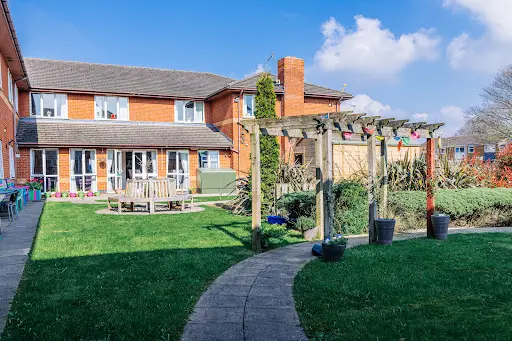
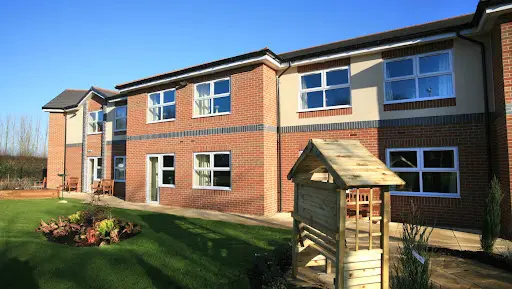
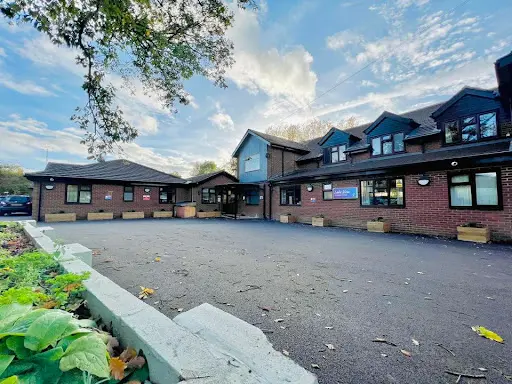
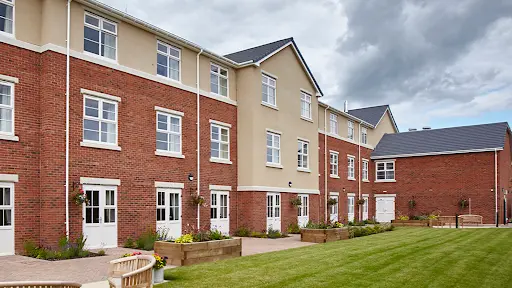
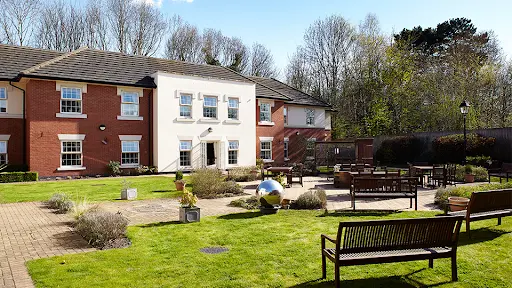
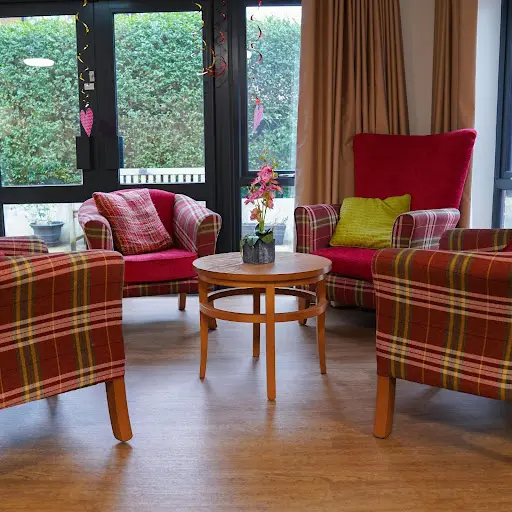
The home & environment
Several family members have sampled meals alongside residents and found the food satisfying — a small but telling detail about daily life here. The dining experience seems to work well for both residents and their visitors.
“Long-term placements here suggest families find the responsive, individualised approach works well for their loved ones.”
DCC does not edit or curate content in this tab. For independently curated information, see The Evidence and DCC Verdict.