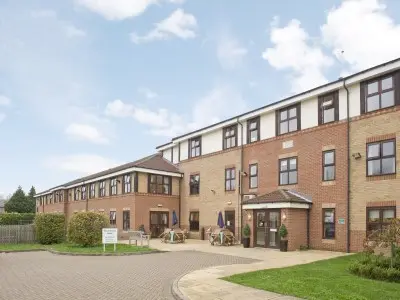
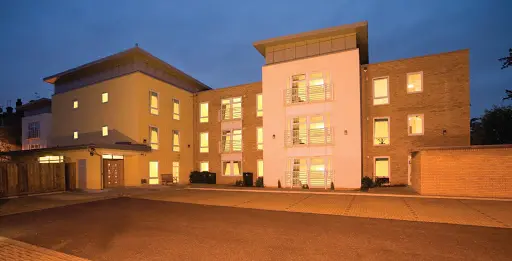
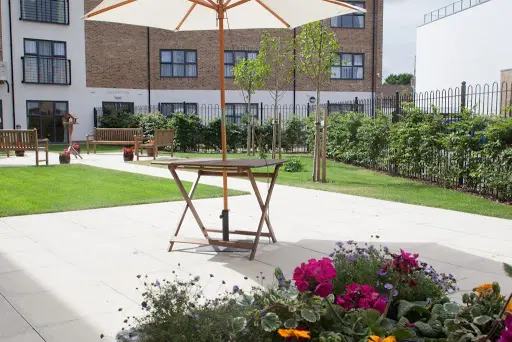
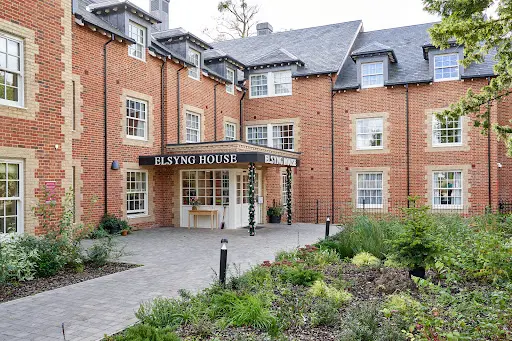
Sydmar Lodge Care Home
At a Glance
The information you need to decide whether this home warrants a closer look.
Residential homes
Staff warmth score
of reviewers answered yes
Good to know
- Registered beds57
- SpecialismsCaring for adults over 65 yrs, Dementia, Physical disabilities, Sensory impairment
- Last inspected2018-05-25
Save Sydmar Lodge Care Home to your shortlist
Keep a running list, add visit notes, and compare homes side-by-side. Free account — it takes a minute.
STAGE 4 — RESEARCHING CARE HOMES
Visit homes. Compare them side by side. Choose with confidence.
Most of us will view care homes the way we view houses, impression, atmosphere, the feeling in the corridor. We go home, try to remember what we saw, and make a permanent decision from a blurred memory.

The DCC shortlist gives every home you visit a structured record: the same twelve questions, answered the same way, every time. When you’re ready to choose, pull any two homes side by side and compare them directly. Same criteria, same evidence, your notes and your scores.
The Evidence
What the review data, the inspection reports, and the dementia-care evidence base tell us about this home.
What families say
Families talk about staff who take time to learn what makes each resident comfortable and content. There's a warmth here that comes through in how carers remember personal preferences and respond to individual needs, from favorite foods to cherished routines.
The eight family priority themes
- Staff warmth72
- Compassion & dignity72
- Cleanliness70
- Activities & engagement85
- Food quality65
- Healthcare70
- Management & leadership72
- Resident happiness75
What inspectors found
Inspected 2018-05-25
Is this home safe?
Is the care effective?
Effective was rated Good at the April 2018 inspection. This domain covers whether staff have the right training, whether care plans are detailed and kept up to date, whether residents have regular access to GPs and other health professionals, and whether food is nutritious, well-chosen, and adapted to individual needs. Dementia is listed as a specialism, which means inspectors would have looked at whether dementia-specific training was in place. The published summary does not reproduce specific findings about training content, care plan review frequency, family involvement in reviews, or the quality of food. The Good rating indicates an acceptable standard was found, but the detail is not available to us here.Is this home caring?
Caring was rated Good at the April 2018 inspection. This domain covers whether staff are warm and respectful, whether residents are treated with dignity, whether privacy is maintained, and whether people are supported to be as independent as possible. The published summary does not reproduce specific inspector observations such as staff using preferred names, knocking before entering rooms, or moving at an unhurried pace. No resident or relative quotes are available in the published text. A Good rating indicates inspectors found satisfactory evidence across these areas, but the lack of specific detail means we cannot point to particular observed moments of kindness or concern.Is the home responsive?
Responsive was rated Outstanding at the April 2018 inspection. This is the strongest finding in the report and the clearest signal that the home goes beyond the minimum in tailoring care and daily life to the individuals who live there. An Outstanding rating in this domain requires inspectors to find specific evidence, not just general compliance, that activities are meaningful and individualised, that the home responds to changing needs promptly, and that people's histories, preferences, and routines shape their daily experience. The home supports residents with dementia, physical disabilities, and sensory impairments, so tailored, accessible activity provision is particularly important. The published summary does not reproduce the specific examples that led to this rating, but the rating itself carries significant weight.Is the home well-led?
Well-led was rated Good at the April 2018 inspection, having previously been Requires Improvement. A named registered manager and a nominated individual are on record, indicating a clear accountability structure. The improvement across all domains before this inspection suggests the leadership team identified what needed to change and followed through. The published summary does not tell us how long the current manager has been in post, what the staff turnover rate is, whether staff feel able to raise concerns, or how the home monitors quality on an ongoing basis. The Good rating indicates inspectors were satisfied with governance and leadership at the time of inspection.
Source: CQC inspection report →
What the evidence base says
The home cares for older adults with various needs including dementia, physical disabilities, and sensory impairments. They also welcome residents of different faiths and cultural backgrounds, with particular experience supporting Jewish traditions and dietary requirements. For residents living with dementia, the staff focus on maintaining dignity and finding ways to connect through activities that still bring joy. The team shows understanding of how dementia affects each person differently. All areas worth probing directly during a visit.
The DCC Verdict
Our editorial view, built from the three lenses: what families tell us, what inspectors record, and how the home sits against good dementia-care practice.
DCC Family Score
Sydmar Lodge scores well overall, lifted by its Outstanding rating for responsiveness, which suggests the people who live here have a meaningful daily life with activities tailored to them. Most other areas were rated Good but the published inspection text is sparse, so several scores rest on the official rating rather than specific observed detail.
Homes in London typically score 68–82.The three-lens summary
What families tell us
Families talk about staff who take time to learn what makes each resident comfortable and content. There's a warmth here that comes through in how carers remember personal preferences and respond to individual needs, from favorite foods to cherished routines.
What inspectors have recorded
The management team stays visible and involved in daily life at the home. When families raise concerns or need updates, they find staff responsive and willing to coordinate with doctors and other health professionals to get the right support in place.
How it sits against good practice
While some visitors have mentioned concerns about tidiness in the outdoor areas, inside tells a different story of attentive care that puts residents first.
Worth a visit
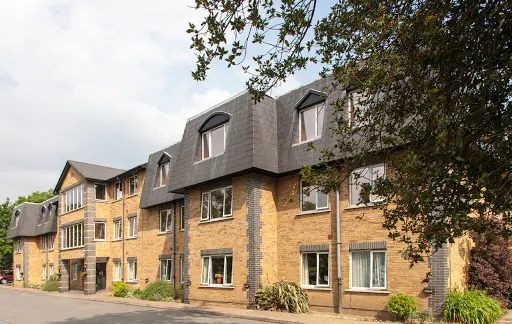
Sydmar Lodge, at 201 Hale Lane in Edgware, was rated Good overall at its last inspection in April 2018, with an Outstanding rating for how responsive the home is to the people who live there. That Outstanding rating is significant: inspectors only award it when they find clear, specific evidence that the home goes beyond the expected standard in tailoring care and activities to individuals. The home had previously been rated Requires Improvement, and the improvement across all domains before this inspection shows the leadership team identified problems and addressed them. The main uncertainty here is the age of the findings. The inspection took place in April 2018, which means the picture is now more than six years old. A review in July 2023 found no reason to reassess the rating, but that review used data and information rather than a fresh visit. Staff and management may have changed since 2018. When you visit, ask to meet the current registered manager, check how long the core staff team has been in post, and ask specifically about night staffing numbers and agency use. The Outstanding activities rating is the most encouraging signal in this report, so ask to see the actual activity schedule for the past fortnight, not just a printed plan, and ask how the home supports residents with advanced dementia who cannot join group sessions.
The three questions to ask when you visitSave this home. Compare it against your shortlist.
Let our analysis show you how Sydmar Lodge Care Home measures up against the other homes you’re considering. Free account.
In Their Own Words
How Sydmar Lodge Care Home describes itself — collected from its own website. DCC has not edited or independently verified the content in this tab.
Where staff really notice what matters to your loved one
Dedicated residential home Support in Edgware
Finding the right care can feel overwhelming when your family member needs more support than you can give at home. Sydmar Lodge in Edgware has built its reputation on staff who pay attention to the small things that make a big difference — whether that's remembering how someone likes their tea or making sure they can still enjoy their favorite activities.
Who they care for
The home cares for older adults with various needs including dementia, physical disabilities, and sensory impairments. They also welcome residents of different faiths and cultural backgrounds, with particular experience supporting Jewish traditions and dietary requirements.
For residents living with dementia, the staff focus on maintaining dignity and finding ways to connect through activities that still bring joy. The team shows understanding of how dementia affects each person differently.
“While some visitors have mentioned concerns about tidiness in the outdoor areas, inside tells a different story of attentive care that puts residents first.”
DCC does not edit or curate content in this tab. For independently curated information, see The Evidence and DCC Verdict.
The DCC Verdict
Our editorial view, built from the three lenses: what families tell us, what inspectors record, and how the home sits against good dementia-care practice.
DCC Family Score
Sydmar Lodge scores well overall, lifted by its Outstanding rating for responsiveness, which suggests the people who live here have a meaningful daily life with activities tailored to them. Most other areas were rated Good but the published inspection text is sparse, so several scores rest on the official rating rather than specific observed detail.
Homes in London typically score 68–82.The three-lens summary
What families tell us
Families talk about staff who take time to learn what makes each resident comfortable and content. There's a warmth here that comes through in how carers remember personal preferences and respond to individual needs, from favorite foods to cherished routines.
What inspectors have recorded
The management team stays visible and involved in daily life at the home. When families raise concerns or need updates, they find staff responsive and willing to coordinate with doctors and other health professionals to get the right support in place.
How it sits against good practice
While some visitors have mentioned concerns about tidiness in the outdoor areas, inside tells a different story of attentive care that puts residents first.
Worth a visit
Sydmar Lodge, at 201 Hale Lane in Edgware, was rated Good overall at its last inspection in April 2018, with an Outstanding rating for how responsive the home is to the people who live there. That Outstanding rating is significant: inspectors only award it when they find clear, specific evidence that the home goes beyond the expected standard in tailoring care and activities to individuals. The home had previously been rated Requires Improvement, and the improvement across all domains before this inspection shows the leadership team identified problems and addressed them. The main uncertainty here is the age of the findings. The inspection took place in April 2018, which means the picture is now more than six years old. A review in July 2023 found no reason to reassess the rating, but that review used data and information rather than a fresh visit. Staff and management may have changed since 2018. When you visit, ask to meet the current registered manager, check how long the core staff team has been in post, and ask specifically about night staffing numbers and agency use. The Outstanding activities rating is the most encouraging signal in this report, so ask to see the actual activity schedule for the past fortnight, not just a printed plan, and ask how the home supports residents with advanced dementia who cannot join group sessions.
The three questions to ask when you visitSave this home. Compare it against your shortlist.
Let our analysis show you how Sydmar Lodge Care Home measures up against the other homes you’re considering. Free account.
In Their Own Words
How Sydmar Lodge Care Home describes itself — collected from its own website. DCC has not edited or independently verified the content in this tab.
Where staff really notice what matters to your loved one
Dedicated residential home Support in Edgware
Finding the right care can feel overwhelming when your family member needs more support than you can give at home. Sydmar Lodge in Edgware has built its reputation on staff who pay attention to the small things that make a big difference — whether that's remembering how someone likes their tea or making sure they can still enjoy their favorite activities.
Who they care for
The home cares for older adults with various needs including dementia, physical disabilities, and sensory impairments. They also welcome residents of different faiths and cultural backgrounds, with particular experience supporting Jewish traditions and dietary requirements.
For residents living with dementia, the staff focus on maintaining dignity and finding ways to connect through activities that still bring joy. The team shows understanding of how dementia affects each person differently.
Management & ethos
The management team stays visible and involved in daily life at the home. When families raise concerns or need updates, they find staff responsive and willing to coordinate with doctors and other health professionals to get the right support in place.
The home & environment
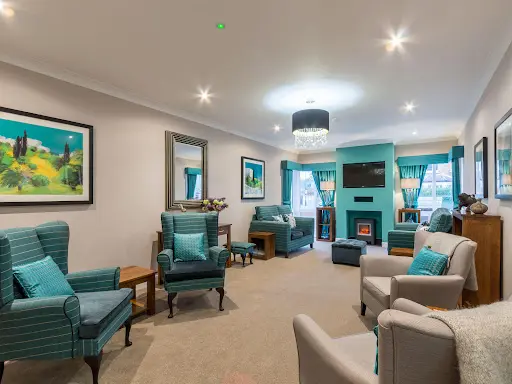
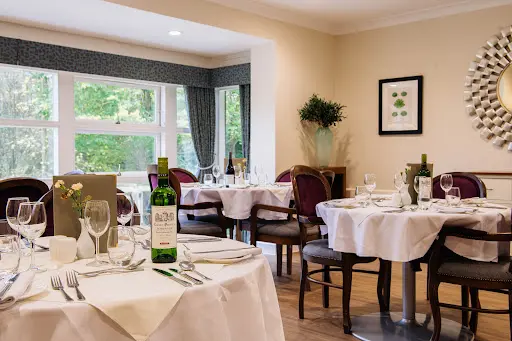
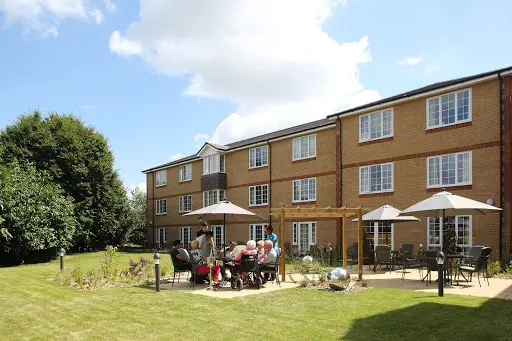
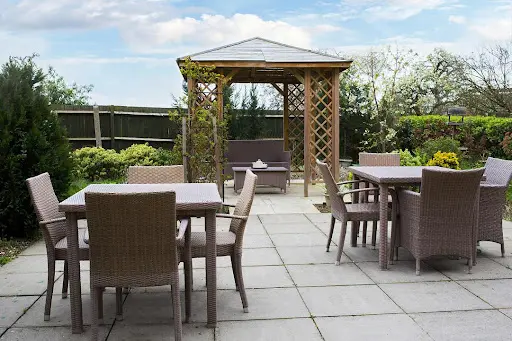
The kitchen gets particular praise for serving varied, tasty meals that residents actually enjoy eating. Inside, the home maintains good cleanliness standards, and there's a program of activities that keeps people engaged — from music sessions to gentler pursuits that suit different energy levels.
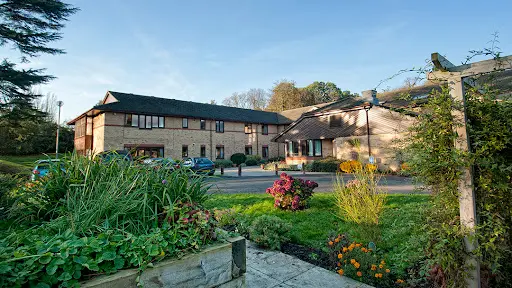
“While some visitors have mentioned concerns about tidiness in the outdoor areas, inside tells a different story of attentive care that puts residents first.”
DCC does not edit or curate content in this tab. For independently curated information, see The Evidence and DCC Verdict.