St. Michaels Care
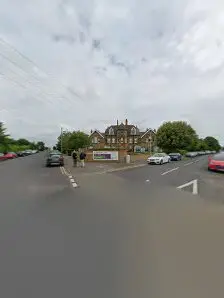
At a Glance
The information you need to decide whether this home warrants a closer look.
Nursing homes
Staff warmth score
of reviewers answered yes
Good to know
- Registered beds65
- SpecialismsCaring for adults over 65 yrs, Dementia, Learning disabilities
- Last inspected2023-04-06
Save St. Michaels Care to your shortlist
Keep a running list, add visit notes, and compare homes side-by-side. Free account — it takes a minute.
STAGE 4 — RESEARCHING CARE HOMES
Visit homes. Compare them side by side. Choose with confidence.
Most of us will view care homes the way we view houses, impression, atmosphere, the feeling in the corridor. We go home, try to remember what we saw, and make a permanent decision from a blurred memory.

The DCC shortlist gives every home you visit a structured record: the same twelve questions, answered the same way, every time. When you’re ready to choose, pull any two homes side by side and compare them directly. Same criteria, same evidence, your notes and your scores.
The Evidence
What the review data, the inspection reports, and the dementia-care evidence base tell us about this home.
What families say
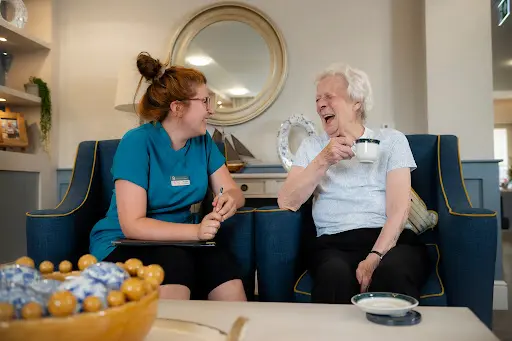
What strikes families most is how approachable everyone is — from reception through to the nursing team. Staff apparently make a point of stopping to chat with visitors, and families mention feeling genuinely welcomed rather than just processed. There's a sense that residents are known as individuals here, with staff respecting personal preferences and routines.
The eight family priority themes
- Staff warmth55
- Compassion & dignity55
- Cleanliness60
- Activities & engagement50
- Food quality50
- Healthcare60
- Management & leadership65
- Resident happiness55
What inspectors found
Inspected 2023-04-06
Is this home safe?
Is the care effective?
The inspection rated Effective as Good at St Michael's Nursing Home. This domain covers training, care planning, nutrition and hydration, and access to healthcare. The home lists dementia as a specialism, which means inspectors would have considered whether staff have appropriate dementia-specific training. No detail about training content, care plan quality, GP access, or food provision appears in the published text.Is this home caring?
The inspection rated Caring as Good at St Michael's Nursing Home. This domain covers dignity, respect, privacy, compassion, and whether staff know residents as individuals. Staff warmth and compassion are the two most important themes in family satisfaction data, accounting for 57.3% and 55.2% of positive reviews respectively. The published report contains no inspector observations about how staff interacted with residents, no quotes from residents or relatives, and no specific examples of dignified or compassionate care.Is the home responsive?
The inspection rated Responsive as Good at St Michael's Nursing Home. This domain covers activities, individual engagement, complaint handling, and end-of-life care. The home cares for people with dementia as well as older adults and people with learning disabilities, which means the activity programme needs to be adapted for a wide range of abilities. No specific information about activities, individual engagement, or how the home responds to complaints appears in the published text.Is the home well-led?
The inspection rated Well-led as Good at St Michael's Nursing Home. The home is operated by Charing Lodge Limited and has a named registered manager. A nominated individual is also named, indicating a governance structure above home level. The published text contains no detail about the manager's tenure, visibility, staff culture, quality monitoring processes, or how the home responds to concerns and complaints.
Source: CQC inspection report →
What the evidence base says
The home specialises in dementia and learning disability care alongside general nursing for people over 65. Families describe skilled nursing care that manages complex medication regimes and delicate health conditions. While the home provides dementia care, families focus more on the overall quality of support and the warm atmosphere rather than specific dementia interventions. What comes through is how staff maintain residents' dignity and choices, which matters enormously when cognitive abilities change. All areas worth probing directly during a visit.
The DCC Verdict
Our editorial view, built from the three lenses: what families tell us, what inspectors record, and how the home sits against good dementia-care practice.
DCC Family Score
St Michael's Nursing Home received a Good rating across all five inspection domains, which is a positive foundation. However, the published inspection text is very brief and contains almost no specific observations, quotes, or detailed evidence, so scores reflect confirmed ratings without the supporting detail families need to feel fully confident.
Homes in South East typically score 68–82.The three-lens summary
What families tell us
What strikes families most is how approachable everyone is — from reception through to the nursing team. Staff apparently make a point of stopping to chat with visitors, and families mention feeling genuinely welcomed rather than just processed. There's a sense that residents are known as individuals here, with staff respecting personal preferences and routines.
What inspectors have recorded
Communication seems to be a real strength here. Families report getting updates without having to chase, whether that's about admission details, changes in condition, or care planning. The management team appears accessible when concerns arise, and there's a proactive approach to keeping families informed that clearly makes a difference during stressful times.
How it sits against good practice
For families who've been through hospital discharges or are facing end-of-life care, the support here seems to extend beyond just the practical — it's the emotional steadiness that families remember.
Worth a visit
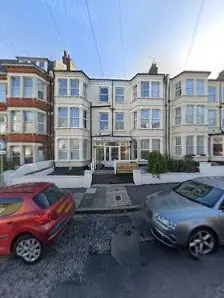
St Michael's Nursing Home, on Elm Grove in Margate, was rated Good across all five inspection domains at its most recent inspection in March 2023. The home is registered to care for adults over 65, people with dementia, and people with learning disabilities, and is run by Charing Lodge Limited with a named registered manager in post. A stable Good rating across every domain is a genuinely positive signal and places this home in the upper half of care homes nationally. The main limitation here is that the published inspection text is unusually brief. It confirms the rating but provides almost no specific observations, staff or resident quotes, or detailed evidence for families to weigh up. That means a visit to the home is especially important before making a decision. When you go, focus on what you can see for yourself: how staff speak to your parent on the dementia unit, whether the building feels calm and clean, and whether the manager is visible and willing to answer direct questions about night staffing numbers and how the team handles dementia-related distress.
The three questions to ask when you visitSave this home. Compare it against your shortlist.
Let our analysis show you how St. Michaels Care measures up against the other homes you’re considering. Free account.
In Their Own Words
How St. Michaels Care describes itself — collected from its own website. DCC has not edited or independently verified the content in this tab.
Where staff greet you by name and residents feel genuinely cared for
Nursing home in Margate: True Peace of Mind
Families describe a particular warmth at St Michael's Nursing Home in Margate that goes beyond professional care. Staff here seem to remember not just residents but visiting relatives too, creating an atmosphere where worried families feel their loved ones are in safe hands. The home supports people with dementia and learning disabilities, with many families sharing how staff handle complex health needs with real expertise.
Who they care for
The home specialises in dementia and learning disability care alongside general nursing for people over 65. Families describe skilled nursing care that manages complex medication regimes and delicate health conditions.
While the home provides dementia care, families focus more on the overall quality of support and the warm atmosphere rather than specific dementia interventions. What comes through is how staff maintain residents' dignity and choices, which matters enormously when cognitive abilities change.
“For families who've been through hospital discharges or are facing end-of-life care, the support here seems to extend beyond just the practical — it's the emotional steadiness that families remember.”
DCC does not edit or curate content in this tab. For independently curated information, see The Evidence and DCC Verdict.
The DCC Verdict
Our editorial view, built from the three lenses: what families tell us, what inspectors record, and how the home sits against good dementia-care practice.
DCC Family Score
St Michael's Nursing Home received a Good rating across all five inspection domains, which is a positive foundation. However, the published inspection text is very brief and contains almost no specific observations, quotes, or detailed evidence, so scores reflect confirmed ratings without the supporting detail families need to feel fully confident.
Homes in South East typically score 68–82.The three-lens summary
What families tell us
What strikes families most is how approachable everyone is — from reception through to the nursing team. Staff apparently make a point of stopping to chat with visitors, and families mention feeling genuinely welcomed rather than just processed. There's a sense that residents are known as individuals here, with staff respecting personal preferences and routines.
What inspectors have recorded
Communication seems to be a real strength here. Families report getting updates without having to chase, whether that's about admission details, changes in condition, or care planning. The management team appears accessible when concerns arise, and there's a proactive approach to keeping families informed that clearly makes a difference during stressful times.
How it sits against good practice
For families who've been through hospital discharges or are facing end-of-life care, the support here seems to extend beyond just the practical — it's the emotional steadiness that families remember.
Worth a visit
St Michael's Nursing Home, on Elm Grove in Margate, was rated Good across all five inspection domains at its most recent inspection in March 2023. The home is registered to care for adults over 65, people with dementia, and people with learning disabilities, and is run by Charing Lodge Limited with a named registered manager in post. A stable Good rating across every domain is a genuinely positive signal and places this home in the upper half of care homes nationally. The main limitation here is that the published inspection text is unusually brief. It confirms the rating but provides almost no specific observations, staff or resident quotes, or detailed evidence for families to weigh up. That means a visit to the home is especially important before making a decision. When you go, focus on what you can see for yourself: how staff speak to your parent on the dementia unit, whether the building feels calm and clean, and whether the manager is visible and willing to answer direct questions about night staffing numbers and how the team handles dementia-related distress.
The three questions to ask when you visitSave this home. Compare it against your shortlist.
Let our analysis show you how St. Michaels Care measures up against the other homes you’re considering. Free account.
In Their Own Words
How St. Michaels Care describes itself — collected from its own website. DCC has not edited or independently verified the content in this tab.
Where staff greet you by name and residents feel genuinely cared for
Nursing home in Margate: True Peace of Mind
Families describe a particular warmth at St Michael's Nursing Home in Margate that goes beyond professional care. Staff here seem to remember not just residents but visiting relatives too, creating an atmosphere where worried families feel their loved ones are in safe hands. The home supports people with dementia and learning disabilities, with many families sharing how staff handle complex health needs with real expertise.
Who they care for
The home specialises in dementia and learning disability care alongside general nursing for people over 65. Families describe skilled nursing care that manages complex medication regimes and delicate health conditions.
While the home provides dementia care, families focus more on the overall quality of support and the warm atmosphere rather than specific dementia interventions. What comes through is how staff maintain residents' dignity and choices, which matters enormously when cognitive abilities change.
Management & ethos
Communication seems to be a real strength here. Families report getting updates without having to chase, whether that's about admission details, changes in condition, or care planning. The management team appears accessible when concerns arise, and there's a proactive approach to keeping families informed that clearly makes a difference during stressful times.
The home & environment
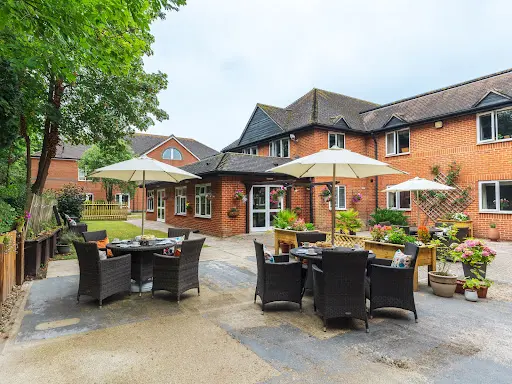
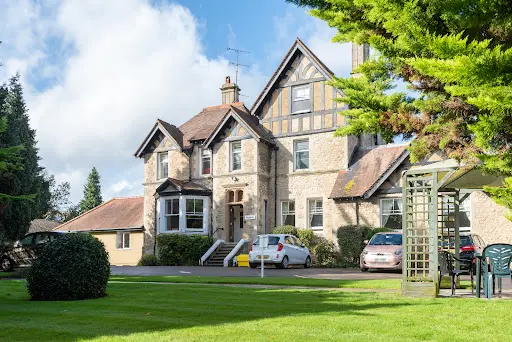
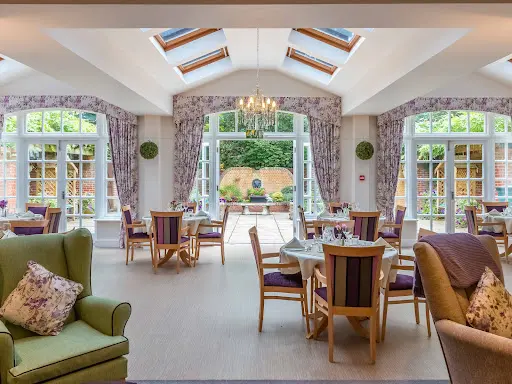
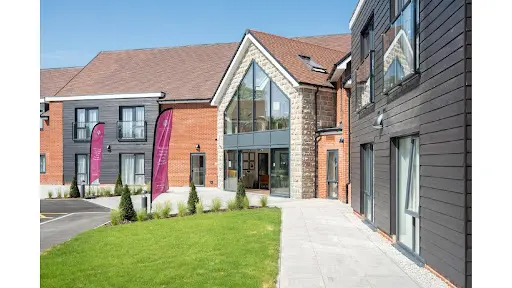
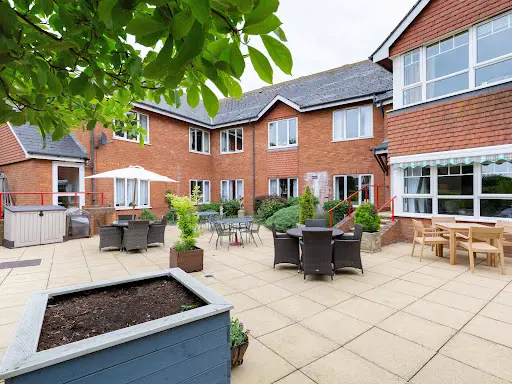
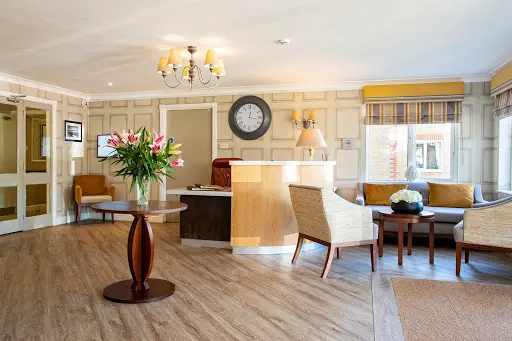
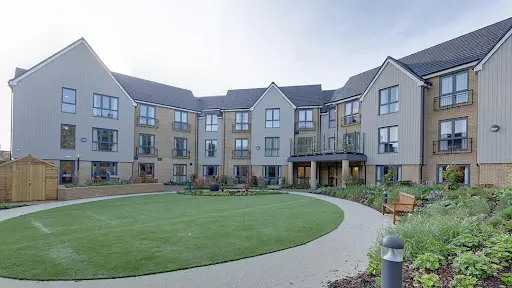
The home has been refurbished and families describe rooms as light and comfortable, with en-suite facilities throughout. While some mention the furniture feels functional rather than modern, the overall environment is well-maintained and clean. Families particularly note how thoughtfully residents are placed — those needing extra support are positioned near nursing stations so they're never isolated.
“For families who've been through hospital discharges or are facing end-of-life care, the support here seems to extend beyond just the practical — it's the emotional steadiness that families remember.”
DCC does not edit or curate content in this tab. For independently curated information, see The Evidence and DCC Verdict.