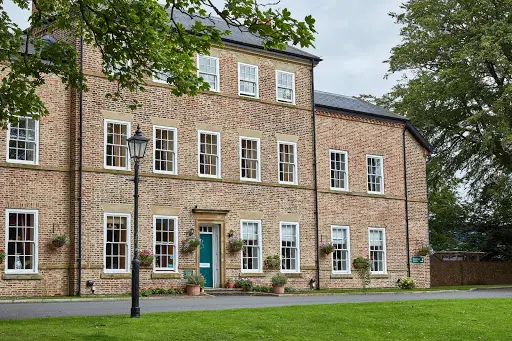
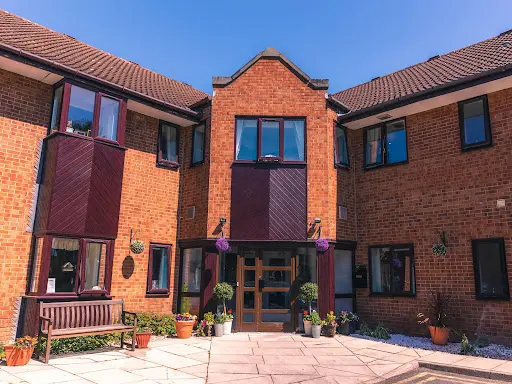
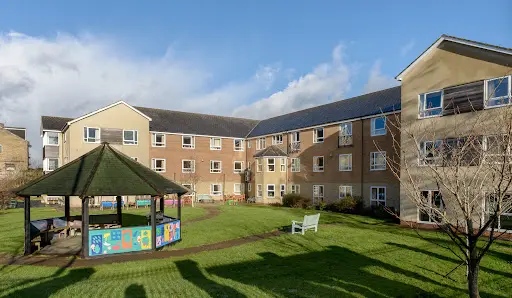
St James Court Care Home
At a Glance
The information you need to decide whether this home warrants a closer look.
Residential homes
Staff warmth score
of reviewers answered yes
Good to know
- Registered beds58
- SpecialismsCaring for adults over 65 yrs, Caring for adults under 65 yrs, Dementia, Mental health conditions
- Last inspected2020-04-08
Save St James Court Care Home to your shortlist
Keep a running list, add visit notes, and compare homes side-by-side. Free account — it takes a minute.
STAGE 4 — RESEARCHING CARE HOMES
Visit homes. Compare them side by side. Choose with confidence.
Most of us will view care homes the way we view houses, impression, atmosphere, the feeling in the corridor. We go home, try to remember what we saw, and make a permanent decision from a blurred memory.

The DCC shortlist gives every home you visit a structured record: the same twelve questions, answered the same way, every time. When you’re ready to choose, pull any two homes side by side and compare them directly. Same criteria, same evidence, your notes and your scores.
The Evidence
What the review data, the inspection reports, and the dementia-care evidence base tell us about this home.
What families say
Families consistently describe feeling genuinely welcomed here, with flexible visiting arrangements that let them spend time with loved ones when it matters most. The atmosphere feels warm and inclusive, with staff who make time to chat with residents and relatives alike. People particularly appreciate how the team creates a sense of belonging for everyone who walks through the door.
The eight family priority themes
- Staff warmth72
- Compassion & dignity72
- Cleanliness70
- Activities & engagement65
- Food quality65
- Healthcare68
- Management & leadership72
- Resident happiness68
What inspectors found
Inspected 2020-04-08
Is this home safe?
Is the care effective?
The Effective domain was rated Good at the March 2021 inspection. This domain covers training, care planning, healthcare access, and nutritional care. The home lists dementia as a specialism, so dementia-specific training would be expected to form part of what inspectors reviewed. No specific training records, care plan examples, GP access arrangements, or food provision details were described in the published report. A Good rating here suggests inspectors were satisfied with the systems in place.Is this home caring?
The Caring domain was rated Good at the March 2021 inspection. This domain covers staff warmth, dignity, respect, and whether residents are supported to maintain independence. No direct inspector observations of staff interactions, no resident quotes, and no relative feedback were included in the published report text. The home supports people with dementia and mental health conditions, where the quality of moment-to-moment staff interactions is particularly significant.Is the home responsive?
The Responsive domain was rated Good at the March 2021 inspection. This domain covers whether care is tailored to individuals, whether activities are meaningful and varied, and whether end-of-life care is planned. The home provides care for people with dementia and mental health conditions, where individual, person-led activity is particularly important. No specific activity examples, individual engagement observations, or end-of-life planning details were included in the published text.Is the home well-led?
The Well-led domain was rated Good at the March 2021 inspection, and the home improved from Requires Improvement to Good overall, which suggests leadership took meaningful action between inspections. A registered manager, Miss Tracey Louise Oliver, is named in the report alongside a nominated individual, indicating a defined management structure. No specific detail about the manager's visibility, staff culture, incident learning, or governance processes was included in the published text. The presence of a stable, named manager is a positive baseline indicator.
Source: CQC inspection report →
What the evidence base says
The home cares for adults across different age groups, including those under 65 who need specialist support. They provide care for people living with dementia and mental health conditions, alongside general nursing and personal care. For residents living with dementia, the team understands the importance of maintaining dignity and connection. Families have specifically noted how staff continue to engage meaningfully with residents even as their conditions progress. All areas worth probing directly during a visit.
The DCC Verdict
Our editorial view, built from the three lenses: what families tell us, what inspectors record, and how the home sits against good dementia-care practice.
DCC Family Score
St James Court Care Home scores 71 out of 100. The home achieved a Good rating across all five inspection domains, and the improvement from a previous Requires Improvement rating is an encouraging sign, but the published report contains very limited specific detail, which prevents higher confidence scores.
Homes in Yorkshire & Humberside typically score 68–82.The three-lens summary
What families tell us
Families consistently describe feeling genuinely welcomed here, with flexible visiting arrangements that let them spend time with loved ones when it matters most. The atmosphere feels warm and inclusive, with staff who make time to chat with residents and relatives alike. People particularly appreciate how the team creates a sense of belonging for everyone who walks through the door.
What inspectors have recorded
Staff here are praised for their approachable, caring nature and for treating residents with genuine respect. However, some families have reported concerning experiences including inadequate supervision and missed basic care needs. These contrasting accounts suggest the quality of care may vary, making it essential to visit and assess current staffing levels and care practices for yourself.
How it sits against good practice
With such contrasting experiences reported, visiting St. James Court yourself becomes especially important to understand their current care standards and whether they'd be right for your loved one.
Worth a visit
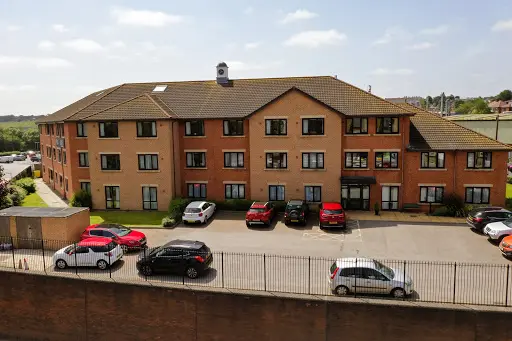
St James Court Care Home, on Tankersley Lane in Barnsley, was rated Good across all five inspection domains at its inspection in March 2021, published in April 2021. This is a meaningful improvement from a previous Requires Improvement rating, which suggests the home identified its weaknesses and addressed them. The home supports up to 58 people, including those living with dementia, mental health conditions, and adults both over and under 65. The main limitation of this report is that very little specific detail was published beyond the domain ratings and registration information. This means it is not possible to point to concrete examples of warm staff interactions, meaningful activities, or good dementia care from the inspection text alone. Before placing your parent here, visit at a mealtime, ask to see the staffing rota for the past two weeks including night shifts, and ask how often care plans are reviewed with family input. The improvement from Requires Improvement is a positive signal, but your own visit will tell you far more than this published summary can.
The three questions to ask when you visitSave this home. Compare it against your shortlist.
Let our analysis show you how St James Court Care Home measures up against the other homes you’re considering. Free account.
In Their Own Words
How St James Court Care Home describes itself — collected from its own website. DCC has not edited or independently verified the content in this tab.
Respectful care with dignity at life's most vulnerable moments
Residential home in Barnsley: True Peace of Mind
When families describe the care at St. James Court in Barnsley, they often speak about respect and dignity — particularly during those final, precious days with loved ones. This Yorkshire care home supports adults both under and over 65, including those living with dementia and mental health conditions. While most families share deeply positive experiences, some have raised serious concerns about care standards that deserve careful consideration.
Who they care for
The home cares for adults across different age groups, including those under 65 who need specialist support. They provide care for people living with dementia and mental health conditions, alongside general nursing and personal care.
For residents living with dementia, the team understands the importance of maintaining dignity and connection. Families have specifically noted how staff continue to engage meaningfully with residents even as their conditions progress.
“With such contrasting experiences reported, visiting St. James Court yourself becomes especially important to understand their current care standards and whether they'd be right for your loved one.”
DCC does not edit or curate content in this tab. For independently curated information, see The Evidence and DCC Verdict.
The DCC Verdict
Our editorial view, built from the three lenses: what families tell us, what inspectors record, and how the home sits against good dementia-care practice.
DCC Family Score
St James Court Care Home scores 71 out of 100. The home achieved a Good rating across all five inspection domains, and the improvement from a previous Requires Improvement rating is an encouraging sign, but the published report contains very limited specific detail, which prevents higher confidence scores.
Homes in Yorkshire & Humberside typically score 68–82.The three-lens summary
What families tell us
Families consistently describe feeling genuinely welcomed here, with flexible visiting arrangements that let them spend time with loved ones when it matters most. The atmosphere feels warm and inclusive, with staff who make time to chat with residents and relatives alike. People particularly appreciate how the team creates a sense of belonging for everyone who walks through the door.
What inspectors have recorded
Staff here are praised for their approachable, caring nature and for treating residents with genuine respect. However, some families have reported concerning experiences including inadequate supervision and missed basic care needs. These contrasting accounts suggest the quality of care may vary, making it essential to visit and assess current staffing levels and care practices for yourself.
How it sits against good practice
With such contrasting experiences reported, visiting St. James Court yourself becomes especially important to understand their current care standards and whether they'd be right for your loved one.
Worth a visit
St James Court Care Home, on Tankersley Lane in Barnsley, was rated Good across all five inspection domains at its inspection in March 2021, published in April 2021. This is a meaningful improvement from a previous Requires Improvement rating, which suggests the home identified its weaknesses and addressed them. The home supports up to 58 people, including those living with dementia, mental health conditions, and adults both over and under 65. The main limitation of this report is that very little specific detail was published beyond the domain ratings and registration information. This means it is not possible to point to concrete examples of warm staff interactions, meaningful activities, or good dementia care from the inspection text alone. Before placing your parent here, visit at a mealtime, ask to see the staffing rota for the past two weeks including night shifts, and ask how often care plans are reviewed with family input. The improvement from Requires Improvement is a positive signal, but your own visit will tell you far more than this published summary can.
The three questions to ask when you visitSave this home. Compare it against your shortlist.
Let our analysis show you how St James Court Care Home measures up against the other homes you’re considering. Free account.
In Their Own Words
How St James Court Care Home describes itself — collected from its own website. DCC has not edited or independently verified the content in this tab.
Respectful care with dignity at life's most vulnerable moments
Residential home in Barnsley: True Peace of Mind
When families describe the care at St. James Court in Barnsley, they often speak about respect and dignity — particularly during those final, precious days with loved ones. This Yorkshire care home supports adults both under and over 65, including those living with dementia and mental health conditions. While most families share deeply positive experiences, some have raised serious concerns about care standards that deserve careful consideration.
Who they care for
The home cares for adults across different age groups, including those under 65 who need specialist support. They provide care for people living with dementia and mental health conditions, alongside general nursing and personal care.
For residents living with dementia, the team understands the importance of maintaining dignity and connection. Families have specifically noted how staff continue to engage meaningfully with residents even as their conditions progress.
Management & ethos
Staff here are praised for their approachable, caring nature and for treating residents with genuine respect. However, some families have reported concerning experiences including inadequate supervision and missed basic care needs. These contrasting accounts suggest the quality of care may vary, making it essential to visit and assess current staffing levels and care practices for yourself.
The home & environment
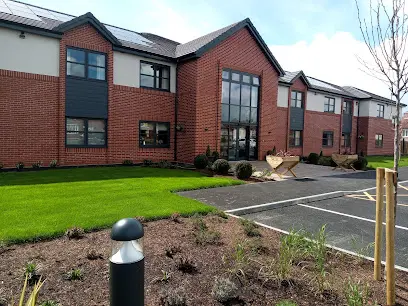
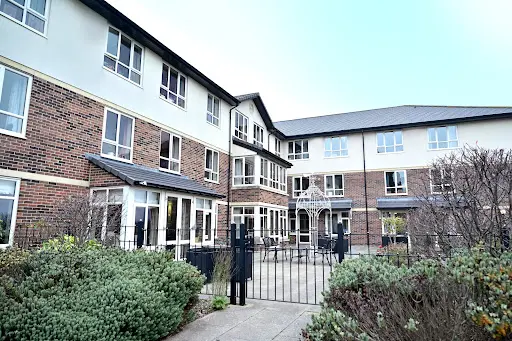
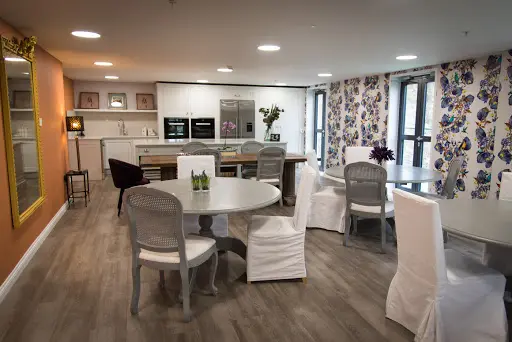
The home maintains high standards of cleanliness throughout, with families noting how well-kept and welcoming the environment feels. There's mention of singing activities that bring residents together, and the food gets positive remarks from those who've experienced it.
“With such contrasting experiences reported, visiting St. James Court yourself becomes especially important to understand their current care standards and whether they'd be right for your loved one.”
DCC does not edit or curate content in this tab. For independently curated information, see The Evidence and DCC Verdict.