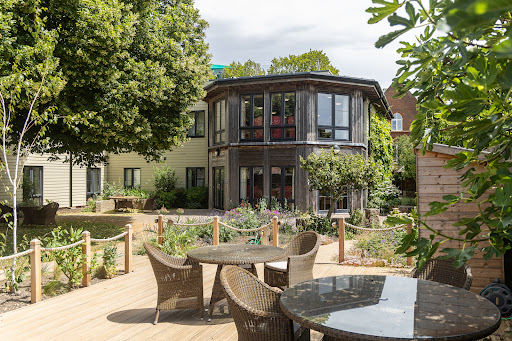
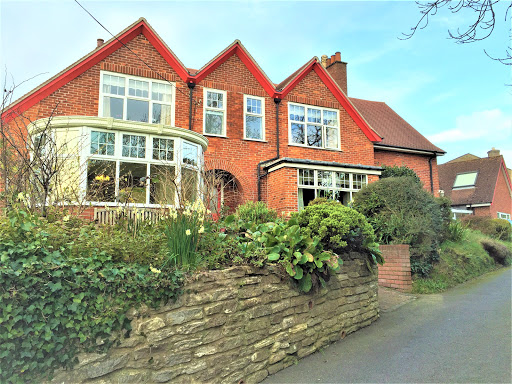
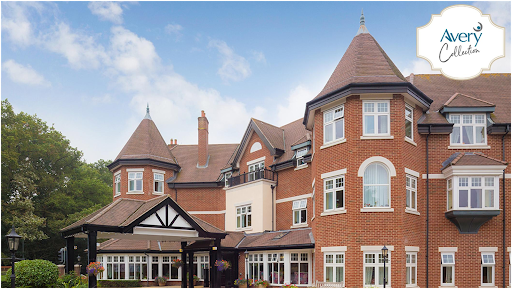
St. George's Care
At a Glance
The information you need to decide whether this home warrants a closer look.
Nursing homes
Staff warmth score
of reviewers answered yes
Good to know
- Registered beds56
- SpecialismsCaring for adults over 65 yrs, Caring for adults under 65 yrs, Dementia, Physical disabilities, Sensory impairment
- Last inspected2021-12-15
- Visit Website
The Evidence
What the review data, the inspection reports, and the dementia-care evidence base tell us about this home.
What families say
Based on 8 Google reviews · 0 reviews on carehome.co.uk · most recent 2026-04-10
The eight family priority themes
- Staff warmth72
- Compassion & dignity72
- Cleanliness70
- Activities & engagement62
- Food quality62
- Healthcare70
- Management & leadership74
- Resident happiness68
What inspectors found
Inspected 2021-12-15 · Report published 2021-12-15 · Inspected 2 times in the last three years
Is this home safe?
{"found":"The Safe domain was rated Good at the October 2021 inspection, an improvement from the previous Requires Improvement. Inspectors were satisfied that staffing levels were adequate and that medicines management and infection control met the required standard. The home is a nursing home, meaning a registered nurse must be on duty; inspectors confirmed this arrangement was in place. No specific incidents, falls patterns, or safeguarding concerns were highlighted in the published summary.","quotes":[],"family_meaning":"A Good for Safety after a previous Requires Improvement is genuinely encouraging, Sarah. It means inspectors found the specific problems from the earlier visit had been addressed. That said, Good Practice research consistently shows that night staffing is where safety can slip in nursing homes, and the published report does not tell you how many staff are on duty after 8pm. Cleanliness (cited in 24.3% of positive family reviews) and infection control are part of this domain, but you will need to judge those for yourself on a visit. The improvement trajectory is a positive signal, but it is worth confirming it has been sustained, given the inspection is now over three years old.","evidence_base":"The IFF Research and Leeds Beckett rapid evidence review found that agency staff reliance is one of the clearest predictors of safety risk in care homes, as unfamiliar staff are less likely to notice subtle changes in a resident's condition. The published report does not confirm the home's agency usage, so this is worth asking about directly.","watch_out":"Ask the manager to show you the actual staffing rota from last week, not a template. Count how many permanent staff versus agency staff were on the night shifts, and confirm whether a registered nurse was present throughout each night."}
Is the care effective?
{"found":"The Effective domain was rated Good, covering care planning, staff training, healthcare access, and nutrition. The home is registered to provide treatment of disease, disorder or injury, which means nursing staff must be competent to manage complex health conditions. Dementia is listed as a specialism, meaning inspectors would have considered whether staff training reflected this. No specific detail about GP access frequency, care plan review cycles, or training content appears in the published summary.","quotes":[],"family_meaning":"A Good for Effective tells you that inspectors were broadly satisfied with how the home plans and delivers care, but the published text does not give you the specifics that matter most for a parent with dementia. Good Practice evidence from 61 studies shows that care plans work best as living documents reviewed with families, not documents completed once and filed away. Food quality is cited positively in 20.9% of family reviews and is part of this domain, but you cannot judge it from the inspection summary alone. Ask to see a sample care plan format and find out how often reviews happen and whether you would be invited to contribute.","evidence_base":"The Leeds Beckett rapid evidence review found that regular, structured dementia training for all care staff, including night staff and bank workers, is strongly associated with better outcomes for people with dementia. The published inspection does not confirm what dementia training the home provides or how recently it was updated.","watch_out":"Ask the manager how often care plans are formally reviewed, and request an example of how a family member was involved in the last review. If the answer is vague or defaults to 'annually', probe further."}
Is this home caring?
{"found":"The Caring domain was rated Good, indicating inspectors were satisfied that staff treated people with dignity and respect and supported their independence. This domain typically requires direct observation of staff interactions during the inspection visit. No specific observations, preferred-name practices, or quotes from residents or relatives appear in the published summary. The improvement from Requires Improvement suggests that any dignity concerns noted previously had been resolved.","quotes":[],"family_meaning":"Staff warmth is the single biggest driver of family satisfaction in our review data, cited in 57.3% of positive reviews, and compassion and dignity appear in 55.2%. A Good for Caring is reassuring, but the published report gives you nothing specific to hold onto. When you visit, watch how staff speak to your parent in corridors and communal areas, not just in the formal part of your tour. Non-verbal communication matters as much as words for people with dementia, and Good Practice research confirms this clearly. Notice whether staff make eye contact, use calm tones, and address residents by name without being prompted.","evidence_base":"Good Practice research identifies that person-led care requires staff to know each individual's history, preferences, and communication style. For people with advanced dementia who cannot express preferences verbally, this knowledge becomes the foundation of dignified care.","watch_out":"During your visit, listen for what name staff use when addressing your parent. Ask a member of staff what your parent's preferred name would be, and note whether they know without checking a file."}
Is the home responsive?
{"found":"The Responsive domain was rated Good, covering activities, individual engagement, and end-of-life care. This domain asks whether the home adapts its care to each person's individual needs and whether people have a meaningful daily life. No activity schedules, individual engagement examples, or end-of-life care details appear in the published summary. The home cares for people with a range of needs including dementia and sensory impairment, which requires tailored rather than generic activity provision.","quotes":[],"family_meaning":"Activities and engagement are cited positively in 21.4% of family reviews, and resident happiness in 27.1%. A Good for Responsive is a positive signal, but group activities alone are not enough for someone with moderate or advanced dementia. Good Practice research points strongly to one-to-one engagement and familiar everyday tasks as the most beneficial approach for people who cannot join group sessions. The published report tells you nothing about whether this kind of individual engagement happens at St. George's. Resident happiness (27.1% of reviews) is hard to assess from a report; you need to spend time in the communal areas and watch how people are spending their day.","evidence_base":"The IFF Research and Leeds Beckett evidence review found that Montessori-based approaches and involvement in everyday household tasks, such as folding, sorting, and simple cooking tasks, are associated with significantly better wellbeing outcomes for people with dementia than passive group entertainment.","watch_out":"Ask the activities coordinator what happens for a resident who cannot join group sessions on a given day. Request to see the activity rota from the past two weeks and check whether any one-to-one sessions are recorded on it."}
Is the home well-led?
{"found":"The Well-led domain was rated Good, with a named registered manager and a nominated individual identified in the published report. This domain covers governance, staff culture, learning from incidents, and accountability. A Good rating here means inspectors were satisfied that the leadership team was functioning effectively at the time of the inspection. No detail about manager tenure, staff survey findings, or specific governance improvements is included in the published summary.","quotes":[],"family_meaning":"Management and communication with families account for 23.4% and 11.5% of positive family reviews respectively. Good Practice research is clear that leadership stability is one of the strongest predictors of sustained care quality: homes where the manager is visible, known to staff, and has been in post for more than a year tend to maintain their ratings between inspections. The published report does not confirm how long the current registered manager has been in post, which matters given the previous Requires Improvement rating. Ask this directly. A manager who arrived after the problems were identified may have driven the improvement, or the team may still be consolidating.","evidence_base":"The Leeds Beckett rapid evidence review found that bottom-up empowerment, where staff at all levels feel able to raise concerns without fear, is a consistent marker of well-led homes. Homes that rely on top-down compliance alone tend to perform less consistently between inspection cycles.","watch_out":"Ask the manager how long they have been in post, and ask what specific changes were made after the previous Requires Improvement rating. A confident, specific answer is a good sign; a vague or defensive one deserves follow-up."}
Source: CQC inspection report →
What the evidence base says
Against the DCC Good Practice in Dementia Care standards, this home’s evidence aligns most strongly on The team here supports residents with sensory impairments, physical disabilities and dementia. They also care for adults under 65 who need nursing support.. Gaps or open questions remain on For residents living with dementia, the staff work to maintain connections and quality of life. Families have noticed how their approach helps people stay engaged. — areas worth probing directly during a visit.
The DCC Verdict
Our editorial view, built from the three lenses: what families tell us, what inspectors record, and how the home sits against good dementia-care practice.
DCC Family Score
St. George's Nursing Home scores 72 out of 100, reflecting a genuine and encouraging improvement from its previous Requires Improvement rating to a Good across all five domains. The score is held back by the limited specific detail in the published inspection text, meaning some important areas cannot be independently verified from the report alone.
Homes in South East typically score 68–82.Worth a visit
St. George's Nursing Home in Lymington was rated Good across all five inspection domains at its most recent inspection, carried out in October 2021 and published in December 2021. This is a meaningful improvement from its previous Requires Improvement rating, and inspectors were satisfied with safety, staffing, care planning, dignity, responsiveness, and leadership at the time of the visit. The home cares for adults with dementia, physical disabilities, and sensory impairment across 56 beds, and is registered to provide nursing care. The main limitation here is that the published inspection text contains very little specific detail: no direct quotes from residents or relatives, no recorded observations of individual interactions, and no breakdown of findings within each domain. This makes it difficult to go beyond the headline rating. Given that the inspection took place in late 2021, conditions may have changed. Before deciding, visit in person during a weekday morning, ask to see last week's actual staffing rota, and speak to a relative of someone already living there. Pay particular attention to night staffing numbers and how the team supports people with dementia who cannot join group activities.
The three questions to ask when you visitSave this home. Compare it against your shortlist.
Let our analysis show you how St. George's Care measures up against the other homes you’re considering. Free account.
In Their Own Words
How St. George's Care describes itself — collected from its own website. DCC has not edited or independently verified the content in this tab.
Where compassionate staff help residents find their spark again
Dedicated nursing home Support in Lymington
When families visit St. George's Nursing Home in Lymington, they often notice something special — their loved ones seem brighter, more engaged, more themselves. This nursing home in the South East provides specialist care for people with various needs, from physical disabilities to dementia.
Who they care for
The team here supports residents with sensory impairments, physical disabilities and dementia. They also care for adults under 65 who need nursing support.
For residents living with dementia, the staff work to maintain connections and quality of life. Families have noticed how their approach helps people stay engaged.
“If you're looking for nursing care in the Lymington area, it's worth getting in touch to learn more about their approach.”
DCC does not edit or curate content in this tab. For independently curated information, see The Evidence and DCC Verdict.