Barchester – Spen Court Care Home
At a Glance
The information you need to decide whether this home warrants a closer look.
Residential homes
Staff warmth score
of reviewers answered yes
Good to know
- Registered beds45
- SpecialismsCaring for adults over 65 yrs, Dementia, Physical disabilities
- Last inspected2019-06-29
Save Barchester – Spen Court Care Home to your shortlist
Keep a running list, add visit notes, and compare homes side-by-side. Free account — it takes a minute.
STAGE 4 — RESEARCHING CARE HOMES
Visit homes. Compare them side by side. Choose with confidence.
Most of us will view care homes the way we view houses, impression, atmosphere, the feeling in the corridor. We go home, try to remember what we saw, and make a permanent decision from a blurred memory.

The DCC shortlist gives every home you visit a structured record: the same twelve questions, answered the same way, every time. When you’re ready to choose, pull any two homes side by side and compare them directly. Same criteria, same evidence, your notes and your scores.
The Evidence
What the review data, the inspection reports, and the dementia-care evidence base tell us about this home.
What families say
What strikes visitors is how staff take time to know residents properly. There's a warmth here that families notice — staff who remember the little things, who'll sit and read the newspaper with someone, or join in when there's singing in the lounge.
The eight family priority themes
- Staff warmth55
- Compassion & dignity60
- Cleanliness55
- Activities & engagement50
- Food quality50
- Healthcare50
- Management & leadership65
- Resident happiness55
What inspectors found
Inspected 2019-06-29
Is this home safe?
Is the care effective?
The Effective domain was rated Good at the April 2021 inspection. This domain covers training, care planning, healthcare access, nutrition, and the use of best-practice guidance. The home specialises in dementia care, which means inspectors would have considered whether staff have relevant skills and whether care plans reflect the individual needs of people with cognitive impairment. The published report text does not provide specific observations, quotes, or examples to illustrate how this Good rating was reached. The rating is a positive signal but the lack of published detail limits what can be said with confidence.Is this home caring?
The Caring domain was rated Good at the April 2021 inspection. This domain covers the warmth of staff interactions, dignity and respect, privacy, and whether residents are supported to maintain independence. For a home specialising in dementia, this rating indicates that inspectors found evidence of respectful, person-centred interactions. No specific observations, quotes, or named examples are available in the published report text to illustrate how this rating was reached. The Good rating is genuinely positive, but you should look for the specific signals of caring on your own visit.Is the home responsive?
The Responsive domain was rated Good at the April 2021 inspection. This domain covers whether activities are varied and meaningful, whether care is tailored to individual needs and preferences, how the home handles complaints, and how it supports people at the end of life. The home lists dementia as a specialism, making the quality of individual engagement particularly important. No specific observations, quotes, or activity examples are published in the available report text. The Good rating suggests inspectors found adequate responsiveness, but the depth of that finding cannot be confirmed from published information alone.Is the home well-led?
The Well-led domain was rated Good at the April 2021 inspection. A named registered manager, Mrs Paula Yvonne Pearson, and a nominated individual, Mr Dominic Jude Kay, are recorded as responsible for the service. Well-led covers the management culture, governance systems, how the home handles feedback and complaints, and whether staff feel able to raise concerns. The Good rating suggests inspectors found satisfactory evidence across these areas. No specific observations, staff quotes, or governance examples are available in the published text to illustrate how this rating was reached.
Source: CQC inspection report →
What the evidence base says
Spen Court cares for people over 65, including those living with dementia or physical disabilities. The home supports residents with dementia, though families considering care for someone with both dementia and sensory impairments might want to ask specifically about suitable activities during their visit. All areas worth probing directly during a visit.
The DCC Verdict
Our editorial view, built from the three lenses: what families tell us, what inspectors record, and how the home sits against good dementia-care practice.
DCC Family Score
Spen Court Care Home scores 72 out of 100, reflecting a Good overall rating with genuine strengths in caring, responsiveness, and leadership, but held back by a Requires Improvement in Safety and very limited specific detail published in the inspection findings.
Homes in Yorkshire & Humberside typically score 68–82.The three-lens summary
What families tell us
What strikes visitors is how staff take time to know residents properly. There's a warmth here that families notice — staff who remember the little things, who'll sit and read the newspaper with someone, or join in when there's singing in the lounge.
What inspectors have recorded
Staff here seem to understand what matters most to families. They're approachable when you need updates, and several families have mentioned feeling properly informed about their relative's care, especially during difficult times.
How it sits against good practice
It's worth visiting to see if their approach to care feels right for your family.
Worth a visit
Spen Court Care Home on Railway Street in Heckmondwike was rated Good overall at its inspection in April 2021, with Good ratings across Effective, Caring, Responsive, and Well-led. The home specialises in dementia care, care for adults over 65, and support for people with physical disabilities across its 45 beds. A named registered manager and a nominated individual are recorded, suggesting an established leadership structure. The Caring and Responsive ratings indicate that inspectors found satisfactory evidence of dignified, personalised care. The significant concern to weigh is the Requires Improvement rating in Safety, which means inspectors found something in that domain that did not meet the standard expected. The published report text available here does not provide the specific detail needed to explain exactly what that concern was, which makes it essential to ask the home directly before making a decision. The inspection also took place in April 2021, making the findings over three years old. On your visit, ask the manager to explain what the Safety finding related to, what was done to address it, and whether a more recent inspection has taken place.
The three questions to ask when you visitSave this home. Compare it against your shortlist.
Let our analysis show you how Barchester – Spen Court Care Home measures up against the other homes you’re considering. Free account.
In Their Own Words
How Barchester – Spen Court Care Home describes itself — collected from its own website. DCC has not edited or independently verified the content in this tab.
Where staff really connect with residents through everyday moments
Spen Court Care Home – Expert Care in Heckmondwike
Some care homes feel clinical, but Spen Court in Heckmondwike takes a different approach. Families describe walking into a place where staff stop to chat, where residents play dominoes after lunch, and where the atmosphere feels relaxed rather than institutional. It's the kind of place where end-of-life care comes with genuine compassion.
Who they care for
Spen Court cares for people over 65, including those living with dementia or physical disabilities.
The home supports residents with dementia, though families considering care for someone with both dementia and sensory impairments might want to ask specifically about suitable activities during their visit.
“It's worth visiting to see if their approach to care feels right for your family.”
DCC does not edit or curate content in this tab. For independently curated information, see The Evidence and DCC Verdict.
The DCC Verdict
Our editorial view, built from the three lenses: what families tell us, what inspectors record, and how the home sits against good dementia-care practice.
DCC Family Score
Spen Court Care Home scores 72 out of 100, reflecting a Good overall rating with genuine strengths in caring, responsiveness, and leadership, but held back by a Requires Improvement in Safety and very limited specific detail published in the inspection findings.
Homes in Yorkshire & Humberside typically score 68–82.The three-lens summary
What families tell us
What strikes visitors is how staff take time to know residents properly. There's a warmth here that families notice — staff who remember the little things, who'll sit and read the newspaper with someone, or join in when there's singing in the lounge.
What inspectors have recorded
Staff here seem to understand what matters most to families. They're approachable when you need updates, and several families have mentioned feeling properly informed about their relative's care, especially during difficult times.
How it sits against good practice
It's worth visiting to see if their approach to care feels right for your family.
Worth a visit
Spen Court Care Home on Railway Street in Heckmondwike was rated Good overall at its inspection in April 2021, with Good ratings across Effective, Caring, Responsive, and Well-led. The home specialises in dementia care, care for adults over 65, and support for people with physical disabilities across its 45 beds. A named registered manager and a nominated individual are recorded, suggesting an established leadership structure. The Caring and Responsive ratings indicate that inspectors found satisfactory evidence of dignified, personalised care. The significant concern to weigh is the Requires Improvement rating in Safety, which means inspectors found something in that domain that did not meet the standard expected. The published report text available here does not provide the specific detail needed to explain exactly what that concern was, which makes it essential to ask the home directly before making a decision. The inspection also took place in April 2021, making the findings over three years old. On your visit, ask the manager to explain what the Safety finding related to, what was done to address it, and whether a more recent inspection has taken place.
The three questions to ask when you visitSave this home. Compare it against your shortlist.
Let our analysis show you how Barchester – Spen Court Care Home measures up against the other homes you’re considering. Free account.
In Their Own Words
How Barchester – Spen Court Care Home describes itself — collected from its own website. DCC has not edited or independently verified the content in this tab.
Where staff really connect with residents through everyday moments
Spen Court Care Home – Expert Care in Heckmondwike
Some care homes feel clinical, but Spen Court in Heckmondwike takes a different approach. Families describe walking into a place where staff stop to chat, where residents play dominoes after lunch, and where the atmosphere feels relaxed rather than institutional. It's the kind of place where end-of-life care comes with genuine compassion.
Who they care for
Spen Court cares for people over 65, including those living with dementia or physical disabilities.
The home supports residents with dementia, though families considering care for someone with both dementia and sensory impairments might want to ask specifically about suitable activities during their visit.
Management & ethos
Staff here seem to understand what matters most to families. They're approachable when you need updates, and several families have mentioned feeling properly informed about their relative's care, especially during difficult times.
The home & environment
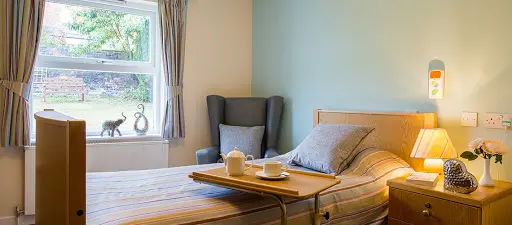
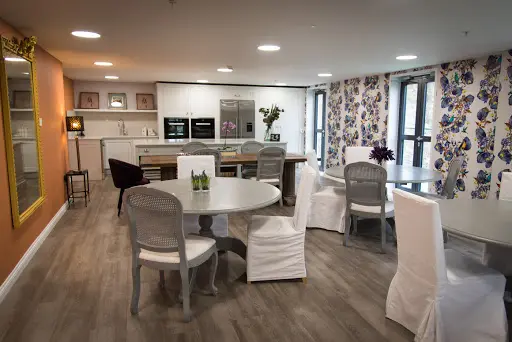
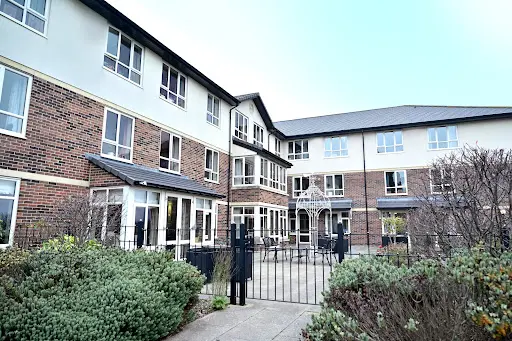
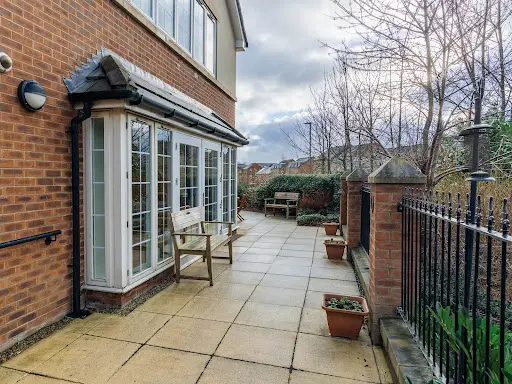
The home serves generous portions at mealtimes, which residents appreciate. There's outdoor space to enjoy when weather permits, and the layout works well for most people moving around the building.
“It's worth visiting to see if their approach to care feels right for your family.”
DCC does not edit or curate content in this tab. For independently curated information, see The Evidence and DCC Verdict.