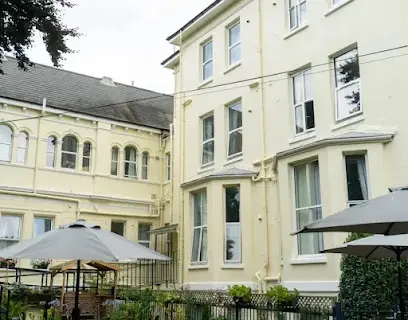
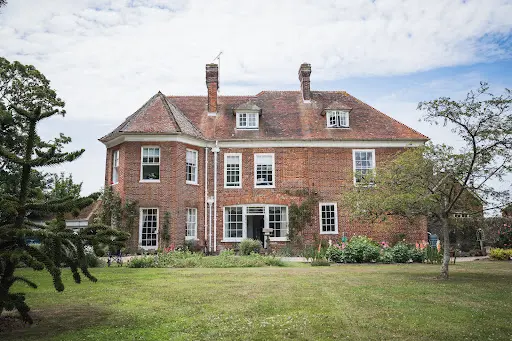
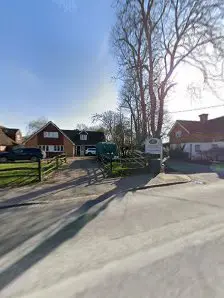
Southdowns Nursing Home
At a Glance
The information you need to decide whether this home warrants a closer look.
Nursing homes
Staff warmth score
of reviewers answered yes
Good to know
- Registered beds51
- SpecialismsCaring for adults over 65 yrs, Caring for adults under 65 yrs, Dementia, Mental health conditions, Physical disabilities, Sensory impairment
- Last inspected2023-07-25
Save Southdowns Nursing Home to your shortlist
Keep a running list, add visit notes, and compare homes side-by-side. Free account — it takes a minute.
STAGE 4 — RESEARCHING CARE HOMES
Visit homes. Compare them side by side. Choose with confidence.
Most of us will view care homes the way we view houses, impression, atmosphere, the feeling in the corridor. We go home, try to remember what we saw, and make a permanent decision from a blurred memory.

The DCC shortlist gives every home you visit a structured record: the same twelve questions, answered the same way, every time. When you’re ready to choose, pull any two homes side by side and compare them directly. Same criteria, same evidence, your notes and your scores.
The Evidence
What the review data, the inspection reports, and the dementia-care evidence base tell us about this home.
What families say
The eight family priority themes
- Staff warmth72
- Compassion & dignity72
- Cleanliness72
- Activities & engagement65
- Food quality65
- Healthcare72
- Management & leadership72
- Resident happiness70
What inspectors found
Inspected 2023-07-25
Is this home safe?
Is the care effective?
The February 2024 assessment rated this domain as Good. The published report does not include specific detail about care plan quality, GP access, medicines administration, dementia training content, or how the home supports people with the range of conditions it is registered for, including dementia, mental health conditions, and sensory impairments. The home employs nursing staff, which means clinical oversight should be available, but the depth of that provision is not described in the available text.Is this home caring?
The February 2024 assessment rated this domain as Good. No specific inspector observations, resident quotes, or family testimony are included in the published report text. The Caring domain typically captures whether staff treat people with warmth, use preferred names, respect privacy, and allow people to move at their own pace. None of these specifics are confirmed or contradicted in the available findings.Is the home responsive?
The February 2024 assessment rated this domain as Good. The published report does not describe the activity programme, how the home supports individuals who cannot join group activities, how complaints are handled, or how end-of-life care is approached. The home is registered for a wide range of conditions, which means the activity and engagement offer needs to be flexible enough to reach people at very different stages of dementia and with different physical abilities.Is the home well-led?
The February 2024 assessment rated this domain as Good. Mrs Kerry Ingram is the named Registered Manager and Mr Adrian James Pancott is the Nominated Individual. Having a named manager in a registered post is a baseline governance requirement and is confirmed here. The published report does not describe the manager's tenure, visibility on the floor, how staff are supported, how the home learns from incidents, or what specific improvements were made following the 2023 Requires Improvement rating.
Source: CQC inspection report →
What the evidence base says
The home specialises in caring for adults with physical disabilities and mental health conditions, supporting both those under and over 65. They're equipped to care for people with sensory impairments and have specific expertise in dementia care. Southdowns has developed specialist approaches for residents living with dementia. The nursing team understands the unique challenges dementia presents and works to maintain dignity and quality of life throughout each person's journey. All areas worth probing directly during a visit.
The DCC Verdict
Our editorial view, built from the three lenses: what families tell us, what inspectors record, and how the home sits against good dementia-care practice.
DCC Family Score
The home's most recent assessment in February 2024 rated all five domains as Good, which is a positive turnaround from the Requires Improvement rating recorded in July 2023. However, because the published report contains almost no specific observations, quotes, or detailed evidence, scores across every theme are held at the lower end of the positive range.
Homes in South East typically score 68–82.Worth a visit
Southdowns Nursing Home at 1 Hollington Park Road, St Leonards-on-Sea was assessed in February 2024 and rated Good across all five domains: Safe, Effective, Caring, Responsive, and Well-led. That is an improvement from the Requires Improvement rating recorded at the previous inspection in July 2023, which suggests the home identified problems and addressed them within roughly seven months. The home is a 51-bed nursing home registered to care for people with dementia, mental health conditions, physical disabilities, and sensory impairments, with a named registered manager in post. The main limitation here is that the published inspection text contains almost no specific observations, resident or family testimony, or detailed evidence to explain what earned each Good rating. That makes it difficult to tell you, with confidence, what day-to-day life actually looks like for your parent. Before you decide, visit in person during a weekday afternoon and ask the manager to show you the actual staffing rota for last week, including night shifts and agency cover. The jump from Requires Improvement to Good is encouraging, but the detail behind that improvement matters, and you will need to gather it yourself on a visit.
The three questions to ask when you visitSave this home. Compare it against your shortlist.
Let our analysis show you how Southdowns Nursing Home measures up against the other homes you’re considering. Free account.
In Their Own Words
How Southdowns Nursing Home describes itself — collected from its own website. DCC has not edited or independently verified the content in this tab.
Specialist nursing support for complex needs in St Leonards
Southdowns Nursing Home – Your Trusted nursing home
Southdowns Nursing Home in St Leonards-on-Sea provides specialist nursing care for people with complex physical and mental health needs. The home supports both younger and older adults, with particular expertise in dementia care, mental health conditions and physical disabilities. Their team works with residents who have sensory impairments, ensuring everyone receives tailored support.
Who they care for
The home specialises in caring for adults with physical disabilities and mental health conditions, supporting both those under and over 65. They're equipped to care for people with sensory impairments and have specific expertise in dementia care.
Southdowns has developed specialist approaches for residents living with dementia. The nursing team understands the unique challenges dementia presents and works to maintain dignity and quality of life throughout each person's journey.
“If you're considering Southdowns for someone with complex care needs, visiting will help you understand how they approach specialist nursing care.”
DCC does not edit or curate content in this tab. For independently curated information, see The Evidence and DCC Verdict.
The DCC Verdict
Our editorial view, built from the three lenses: what families tell us, what inspectors record, and how the home sits against good dementia-care practice.
DCC Family Score
The home's most recent assessment in February 2024 rated all five domains as Good, which is a positive turnaround from the Requires Improvement rating recorded in July 2023. However, because the published report contains almost no specific observations, quotes, or detailed evidence, scores across every theme are held at the lower end of the positive range.
Homes in South East typically score 68–82.Worth a visit
Southdowns Nursing Home at 1 Hollington Park Road, St Leonards-on-Sea was assessed in February 2024 and rated Good across all five domains: Safe, Effective, Caring, Responsive, and Well-led. That is an improvement from the Requires Improvement rating recorded at the previous inspection in July 2023, which suggests the home identified problems and addressed them within roughly seven months. The home is a 51-bed nursing home registered to care for people with dementia, mental health conditions, physical disabilities, and sensory impairments, with a named registered manager in post. The main limitation here is that the published inspection text contains almost no specific observations, resident or family testimony, or detailed evidence to explain what earned each Good rating. That makes it difficult to tell you, with confidence, what day-to-day life actually looks like for your parent. Before you decide, visit in person during a weekday afternoon and ask the manager to show you the actual staffing rota for last week, including night shifts and agency cover. The jump from Requires Improvement to Good is encouraging, but the detail behind that improvement matters, and you will need to gather it yourself on a visit.
The three questions to ask when you visitSave this home. Compare it against your shortlist.
Let our analysis show you how Southdowns Nursing Home measures up against the other homes you’re considering. Free account.
In Their Own Words
How Southdowns Nursing Home describes itself — collected from its own website. DCC has not edited or independently verified the content in this tab.
Specialist nursing support for complex needs in St Leonards
Southdowns Nursing Home – Your Trusted nursing home
Southdowns Nursing Home in St Leonards-on-Sea provides specialist nursing care for people with complex physical and mental health needs. The home supports both younger and older adults, with particular expertise in dementia care, mental health conditions and physical disabilities. Their team works with residents who have sensory impairments, ensuring everyone receives tailored support.
Who they care for
The home specialises in caring for adults with physical disabilities and mental health conditions, supporting both those under and over 65. They're equipped to care for people with sensory impairments and have specific expertise in dementia care.
Southdowns has developed specialist approaches for residents living with dementia. The nursing team understands the unique challenges dementia presents and works to maintain dignity and quality of life throughout each person's journey.
Management & ethos
Some families have found the staff keep them well-informed about their loved ones, particularly when visiting regularly isn't possible. The team has shown they can make time for family updates even during busy periods.
“If you're considering Southdowns for someone with complex care needs, visiting will help you understand how they approach specialist nursing care.”
DCC does not edit or curate content in this tab. For independently curated information, see The Evidence and DCC Verdict.