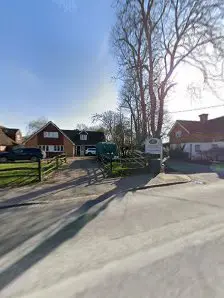
Grosvenor House Care Home
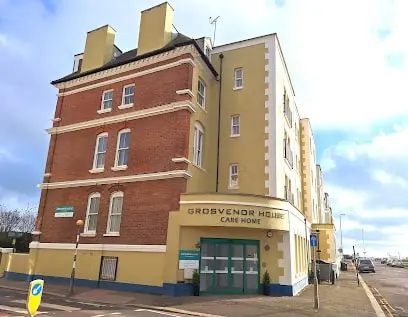
At a Glance
The information you need to decide whether this home warrants a closer look.
Residential homes
Staff warmth score
of reviewers answered yes
Good to know
- Registered beds33
- SpecialismsCaring for adults over 65 yrs, Dementia, Physical disabilities
- Last inspected2017-10-04
Save Grosvenor House Care Home to your shortlist
Keep a running list, add visit notes, and compare homes side-by-side. Free account — it takes a minute.
STAGE 4 — RESEARCHING CARE HOMES
Visit homes. Compare them side by side. Choose with confidence.
Most of us will view care homes the way we view houses, impression, atmosphere, the feeling in the corridor. We go home, try to remember what we saw, and make a permanent decision from a blurred memory.

The DCC shortlist gives every home you visit a structured record: the same twelve questions, answered the same way, every time. When you’re ready to choose, pull any two homes side by side and compare them directly. Same criteria, same evidence, your notes and your scores.
The Evidence
What the review data, the inspection reports, and the dementia-care evidence base tell us about this home.
What families say
What strikes families most is how the staff genuinely connect with each resident. They notice when someone's having a tough day, taking time to chat and lift spirits. People talk about seeing their relatives regain dignity they thought was lost — mums and dads who'd become quiet suddenly wanting to share stories again.
The eight family priority themes
- Staff warmth72
- Compassion & dignity72
- Cleanliness70
- Activities & engagement65
- Food quality65
- Healthcare70
- Management & leadership75
- Resident happiness70
What inspectors found
Inspected 2017-10-04
Is this home safe?
Is the care effective?
The Effective domain was rated Good at the January 2026 inspection. This domain covers whether staff have the right training, whether care plans are detailed and kept up to date, whether residents have good access to healthcare including GPs and specialists, and whether food and nutrition needs are met. The published summary does not include any specific observations about dementia training content, how often care plans are reviewed, or what food provision looks like in practice. The home lists Dementia as a specialism, which means inspectors will have looked at dementia-specific care arrangements.Is this home caring?
The Caring domain was rated Good at the January 2026 inspection. This domain covers whether staff are kind, whether residents are treated with dignity and respect, whether privacy is maintained, and whether residents have as much independence as possible. A Good rating here indicates inspectors were satisfied with the warmth and quality of staff interactions they observed. The published summary includes no direct quotes from residents or relatives, and no specific examples of how staff approached individual people during the inspection.Is the home responsive?
The Responsive domain was rated Good at the January 2026 inspection. This domain covers whether the home offers varied and meaningful activities, whether care is tailored to individual preferences, whether residents can maintain their identity and independence, and whether end-of-life care is planned. The published summary does not include any detail about the activities programme, whether one-to-one engagement is available for residents who cannot join groups, or how end-of-life wishes are recorded and honoured.Is the home well-led?
The Well-led domain was rated Good at the January 2026 inspection. The home is run by Greensleeves Homes Trust, a registered charity operating multiple care homes. Mrs Amanda Newport is named as the registered manager, and Miss Julie Clarges is the nominated individual. Having a named, accountable manager in post is a basic requirement that some homes struggle with. The improvement from Requires Improvement to Good across all domains is a positive signal that leadership has addressed the issues identified in earlier inspections. No detail about manager tenure, staff culture, or governance processes is included in the published summary.
Source: CQC inspection report →
What the evidence base says
The team cares for people over 65 with various needs, including dementia and physical disabilities. For residents living with dementia, the staff focus on maintaining connections and preserving each person's sense of self. They work to understand what makes each resident feel secure and valued. All areas worth probing directly during a visit.
The DCC Verdict
Our editorial view, built from the three lenses: what families tell us, what inspectors record, and how the home sits against good dementia-care practice.
DCC Family Score
Grosvenor House has improved from Requires Improvement to a Good rating across all five inspection domains, which is a meaningful positive shift. However, the published report contains limited specific detail, observations, or direct testimony, so scores reflect the rating itself rather than rich supporting evidence.
Homes in South East typically score 68–82.The three-lens summary
What families tell us
What strikes families most is how the staff genuinely connect with each resident. They notice when someone's having a tough day, taking time to chat and lift spirits. People talk about seeing their relatives regain dignity they thought was lost — mums and dads who'd become quiet suddenly wanting to share stories again.
What inspectors have recorded
When families need urgent help, the team responds quickly — they've arranged respite care within just three days when someone desperately needed it. However, one family raised concerns about care procedures that needed addressing, suggesting anyone considering the home should ask specific questions about current practices and recent improvements.
How it sits against good practice
Sometimes the smallest gestures — a shared joke, remembering how someone takes their tea — make all the difference in helping someone feel at home.
Worth a visit
Grosvenor House in St Leonards-on-Sea was rated Good across all five inspection domains at its most recent assessment, published in March 2026. This is a meaningful improvement from its previous Requires Improvement rating, and it is run by Greensleeves Homes Trust with a named registered manager in post. The home supports 33 residents, including people living with dementia and those with physical disabilities, and the inspection confirmed Good ratings for safety, effectiveness, caring, responsiveness, and leadership. The main limitation for families is that the published summary contains very limited specific detail: no inspector observations, no resident or relative quotes, and no examples of how care is delivered day to day. The Good rating tells you the home met the required standard, but it does not tell you what your mum's Tuesday afternoon looks like, how staff respond when she is anxious, or who is on duty at 2am. Visit in person, ask to see last week's actual staffing rota (not the template), and ask the manager directly how families are kept informed when something changes.
The three questions to ask when you visitSave this home. Compare it against your shortlist.
Let our analysis show you how Grosvenor House Care Home measures up against the other homes you’re considering. Free account.
In Their Own Words
How Grosvenor House Care Home describes itself — collected from its own website. DCC has not edited or independently verified the content in this tab.
Where warmth and genuine connections help residents rediscover their confidence
Compassionate Care in St Leonards-on-Sea at Grosvenor House
Finding the right care takes courage, especially when someone you love has been struggling elsewhere. Grosvenor House in St Leonards-on-Sea has become a place where families see their relatives transform — residents who arrived withdrawn start smiling again, joining in with life rather than watching from the sidelines.
Who they care for
The team cares for people over 65 with various needs, including dementia and physical disabilities.
For residents living with dementia, the staff focus on maintaining connections and preserving each person's sense of self. They work to understand what makes each resident feel secure and valued.
“Sometimes the smallest gestures — a shared joke, remembering how someone takes their tea — make all the difference in helping someone feel at home.”
DCC does not edit or curate content in this tab. For independently curated information, see The Evidence and DCC Verdict.
The DCC Verdict
Our editorial view, built from the three lenses: what families tell us, what inspectors record, and how the home sits against good dementia-care practice.
DCC Family Score
Grosvenor House has improved from Requires Improvement to a Good rating across all five inspection domains, which is a meaningful positive shift. However, the published report contains limited specific detail, observations, or direct testimony, so scores reflect the rating itself rather than rich supporting evidence.
Homes in South East typically score 68–82.The three-lens summary
What families tell us
What strikes families most is how the staff genuinely connect with each resident. They notice when someone's having a tough day, taking time to chat and lift spirits. People talk about seeing their relatives regain dignity they thought was lost — mums and dads who'd become quiet suddenly wanting to share stories again.
What inspectors have recorded
When families need urgent help, the team responds quickly — they've arranged respite care within just three days when someone desperately needed it. However, one family raised concerns about care procedures that needed addressing, suggesting anyone considering the home should ask specific questions about current practices and recent improvements.
How it sits against good practice
Sometimes the smallest gestures — a shared joke, remembering how someone takes their tea — make all the difference in helping someone feel at home.
Worth a visit
Grosvenor House in St Leonards-on-Sea was rated Good across all five inspection domains at its most recent assessment, published in March 2026. This is a meaningful improvement from its previous Requires Improvement rating, and it is run by Greensleeves Homes Trust with a named registered manager in post. The home supports 33 residents, including people living with dementia and those with physical disabilities, and the inspection confirmed Good ratings for safety, effectiveness, caring, responsiveness, and leadership. The main limitation for families is that the published summary contains very limited specific detail: no inspector observations, no resident or relative quotes, and no examples of how care is delivered day to day. The Good rating tells you the home met the required standard, but it does not tell you what your mum's Tuesday afternoon looks like, how staff respond when she is anxious, or who is on duty at 2am. Visit in person, ask to see last week's actual staffing rota (not the template), and ask the manager directly how families are kept informed when something changes.
The three questions to ask when you visitSave this home. Compare it against your shortlist.
Let our analysis show you how Grosvenor House Care Home measures up against the other homes you’re considering. Free account.
In Their Own Words
How Grosvenor House Care Home describes itself — collected from its own website. DCC has not edited or independently verified the content in this tab.
Where warmth and genuine connections help residents rediscover their confidence
Compassionate Care in St Leonards-on-Sea at Grosvenor House
Finding the right care takes courage, especially when someone you love has been struggling elsewhere. Grosvenor House in St Leonards-on-Sea has become a place where families see their relatives transform — residents who arrived withdrawn start smiling again, joining in with life rather than watching from the sidelines.
Who they care for
The team cares for people over 65 with various needs, including dementia and physical disabilities.
For residents living with dementia, the staff focus on maintaining connections and preserving each person's sense of self. They work to understand what makes each resident feel secure and valued.
Management & ethos
When families need urgent help, the team responds quickly — they've arranged respite care within just three days when someone desperately needed it. However, one family raised concerns about care procedures that needed addressing, suggesting anyone considering the home should ask specific questions about current practices and recent improvements.
The home & environment
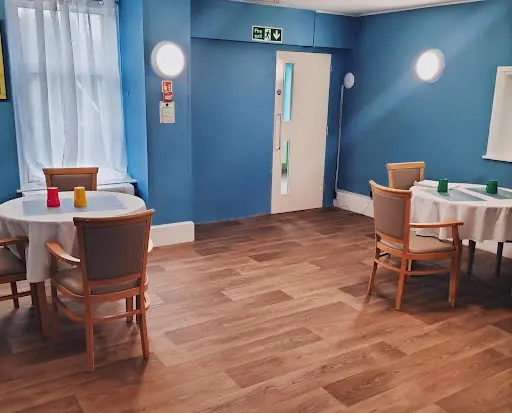
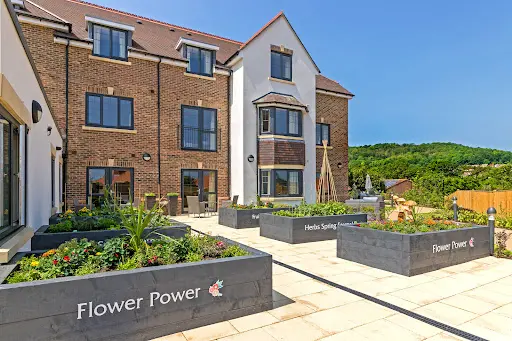
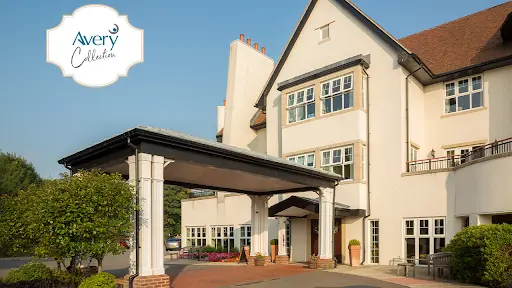
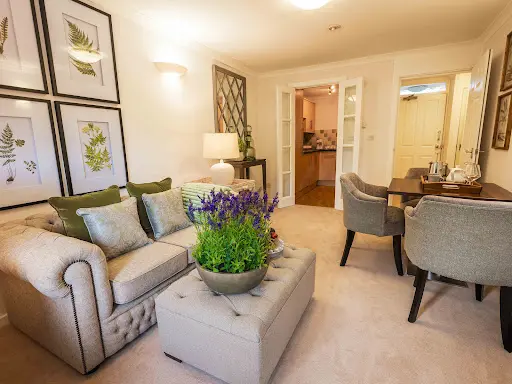
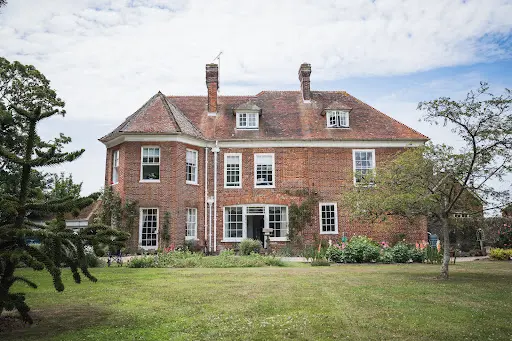
The home feels bright and welcoming, with everything kept spotless. Families mention the pleasant surroundings and how the location adds to the peaceful atmosphere. There's a programme of regular activities that helps keep days interesting and gives everyone something to look forward to.
“Sometimes the smallest gestures — a shared joke, remembering how someone takes their tea — make all the difference in helping someone feel at home.”
DCC does not edit or curate content in this tab. For independently curated information, see The Evidence and DCC Verdict.