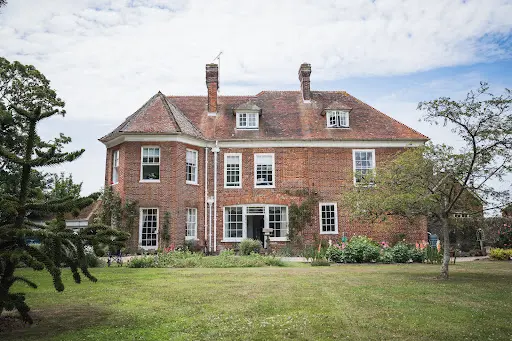
Earlsfield Court Care Home

At a Glance
The information you need to decide whether this home warrants a closer look.
Residential homes
Staff warmth score
of reviewers answered yes
Good to know
- Registered beds72
- SpecialismsCaring for adults over 65 yrs, Caring for adults under 65 yrs, Dementia, Physical disabilities, Sensory impairment
- Last inspected2021-09-23
Save Earlsfield Court Care Home to your shortlist
Keep a running list, add visit notes, and compare homes side-by-side. Free account — it takes a minute.
STAGE 4 — RESEARCHING CARE HOMES
Visit homes. Compare them side by side. Choose with confidence.
Most of us will view care homes the way we view houses, impression, atmosphere, the feeling in the corridor. We go home, try to remember what we saw, and make a permanent decision from a blurred memory.

The DCC shortlist gives every home you visit a structured record: the same twelve questions, answered the same way, every time. When you’re ready to choose, pull any two homes side by side and compare them directly. Same criteria, same evidence, your notes and your scores.
The Evidence
What the review data, the inspection reports, and the dementia-care evidence base tell us about this home.
What families say
People describe walking into somewhere that feels unhurried and warm, where staff stop to engage properly with both residents and visitors. The whole environment seems designed to put people at ease, from the spacious communal areas to the way staff conduct themselves with genuine friendliness.
The eight family priority themes
- Staff warmth55
- Compassion & dignity60
- Cleanliness55
- Activities & engagement50
- Food quality50
- Healthcare55
- Management & leadership35
- Resident happiness55
What inspectors found
Inspected 2021-09-23
Is this home safe?
Is the care effective?
The Effective domain was rated Good at the August 2021 inspection. This covers training, care planning, healthcare access, and nutrition. No specific examples of care plan content, GP access arrangements, or dementia training programmes are recorded in the published summary. The home's specialisms include dementia, physical disabilities, and sensory impairment, all of which require specific staff competencies. A Good rating here indicates inspectors were satisfied overall, but the level of detail available to families is limited.Is this home caring?
The Caring domain was rated Good at the August 2021 inspection. This domain covers staff warmth, dignity, respect, and support for independence. No direct inspector observations, resident quotes, or relative feedback are recorded in the published summary. A Good rating indicates that inspectors were satisfied with the quality of interactions they witnessed, but no specific examples are available to help families judge what daily life looks like for your parent. The home supports people with dementia and sensory impairment, where respectful, unhurried communication is especially important.Is the home responsive?
The Responsive domain was rated Good at the August 2021 inspection. This domain covers activities, engagement, individuality, and end-of-life care. No specific activity programmes, one-to-one engagement records, or end-of-life care examples are recorded in the published summary. The home supports people with dementia and a range of other needs, where tailored individual engagement is particularly important. A Good rating indicates inspectors were satisfied at the time of the visit, but no detail is available to families from the published text.Is the home well-led?
The Well-led domain was rated Requires Improvement at the August 2021 inspection. This is the only domain where inspectors found the home falling short of the required standard. The published summary does not explain the specific reasons for this rating or detail what actions the home was required to take. A named registered manager and nominated individual are in place. A monitoring review in July 2023 found no evidence to change the rating, meaning Requires Improvement in Well-led remains the official position more than two years after the inspection.
Source: CQC inspection report →
What the evidence base says
The home provides specialist support for people with dementia, sensory impairments, and physical disabilities, welcoming residents both under and over 65. For residents living with dementia, the calm atmosphere and consistent staff approach help create a reassuring environment. The modern, well-designed spaces support orientation and comfort. All areas worth probing directly during a visit.
The DCC Verdict
Our editorial view, built from the three lenses: what families tell us, what inspectors record, and how the home sits against good dementia-care practice.
DCC Family Score
Earlsfield Court scores 62 out of 100. Four of five inspection domains were rated Good, but Well-led was rated Requires Improvement, which pulls the overall picture down and raises specific questions about oversight and accountability that families should explore directly.
Homes in South East typically score 68–82.The three-lens summary
What families tell us
People describe walking into somewhere that feels unhurried and warm, where staff stop to engage properly with both residents and visitors. The whole environment seems designed to put people at ease, from the spacious communal areas to the way staff conduct themselves with genuine friendliness.
What inspectors have recorded
Staff consistently demonstrate the kind of professionalism families hope to find — they're efficient without being rushed, and attentive without being intrusive. Visitors notice how staff interact respectfully with residents, taking time to ensure comfort and maintaining dignity in all their interactions.
How it sits against good practice
Sometimes the right care home is the one where everything just feels properly looked after — the building, the atmosphere, and most importantly, the people who live there.
Worth a visit
Earlsfield Court, on Brooklands Road in Bexhill-on-Sea, was rated Good overall at its inspection in August 2021, with four of five domains, Safe, Effective, Caring, and Responsive, all receiving Good ratings. The home is registered for up to 72 people and supports a wide range of needs including dementia, physical disabilities, and sensory impairment. A named registered manager and nominated individual are in place. Critically, the Well-led domain was rated Requires Improvement at the same inspection, meaning inspectors had specific concerns about leadership and governance that were not resolved to a Good standard. The published inspection summary is brief and provides very little specific detail about what inspectors actually saw, heard, or read during their visit. This makes it genuinely difficult to judge the everyday experience your parent would have here. The Requires Improvement in Well-led matters more than it might first appear: Good Practice research consistently shows that leadership stability and accountability directly predict care quality over time. Before visiting, note that a review in July 2023 found no evidence to change the rating, meaning the Requires Improvement in Well-led remains the official position. On your visit, ask the manager directly what actions were taken following the Well-led finding, and ask to see the most recent improvement plan.
The three questions to ask when you visitSave this home. Compare it against your shortlist.
Let our analysis show you how Earlsfield Court Care Home measures up against the other homes you’re considering. Free account.
In Their Own Words
How Earlsfield Court Care Home describes itself — collected from its own website. DCC has not edited or independently verified the content in this tab.
Where thoughtful design meets genuine warmth in Bexhill-on-sea
Dedicated residential home Support in Bexhill-on-sea
When families visit Earlsfield Court in Bexhill-on-sea, they often mention how the atmosphere feels different from what they expected. The spaces feel modern and comfortable, the staff take time to chat, and there's a sense of calm that helps everyone breathe a little easier during what can be anxious visits.
Who they care for
The home provides specialist support for people with dementia, sensory impairments, and physical disabilities, welcoming residents both under and over 65.
For residents living with dementia, the calm atmosphere and consistent staff approach help create a reassuring environment. The modern, well-designed spaces support orientation and comfort.
“Sometimes the right care home is the one where everything just feels properly looked after — the building, the atmosphere, and most importantly, the people who live there.”
DCC does not edit or curate content in this tab. For independently curated information, see The Evidence and DCC Verdict.
The DCC Verdict
Our editorial view, built from the three lenses: what families tell us, what inspectors record, and how the home sits against good dementia-care practice.
DCC Family Score
Earlsfield Court scores 62 out of 100. Four of five inspection domains were rated Good, but Well-led was rated Requires Improvement, which pulls the overall picture down and raises specific questions about oversight and accountability that families should explore directly.
Homes in South East typically score 68–82.The three-lens summary
What families tell us
People describe walking into somewhere that feels unhurried and warm, where staff stop to engage properly with both residents and visitors. The whole environment seems designed to put people at ease, from the spacious communal areas to the way staff conduct themselves with genuine friendliness.
What inspectors have recorded
Staff consistently demonstrate the kind of professionalism families hope to find — they're efficient without being rushed, and attentive without being intrusive. Visitors notice how staff interact respectfully with residents, taking time to ensure comfort and maintaining dignity in all their interactions.
How it sits against good practice
Sometimes the right care home is the one where everything just feels properly looked after — the building, the atmosphere, and most importantly, the people who live there.
Worth a visit
Earlsfield Court, on Brooklands Road in Bexhill-on-Sea, was rated Good overall at its inspection in August 2021, with four of five domains, Safe, Effective, Caring, and Responsive, all receiving Good ratings. The home is registered for up to 72 people and supports a wide range of needs including dementia, physical disabilities, and sensory impairment. A named registered manager and nominated individual are in place. Critically, the Well-led domain was rated Requires Improvement at the same inspection, meaning inspectors had specific concerns about leadership and governance that were not resolved to a Good standard. The published inspection summary is brief and provides very little specific detail about what inspectors actually saw, heard, or read during their visit. This makes it genuinely difficult to judge the everyday experience your parent would have here. The Requires Improvement in Well-led matters more than it might first appear: Good Practice research consistently shows that leadership stability and accountability directly predict care quality over time. Before visiting, note that a review in July 2023 found no evidence to change the rating, meaning the Requires Improvement in Well-led remains the official position. On your visit, ask the manager directly what actions were taken following the Well-led finding, and ask to see the most recent improvement plan.
The three questions to ask when you visitSave this home. Compare it against your shortlist.
Let our analysis show you how Earlsfield Court Care Home measures up against the other homes you’re considering. Free account.
In Their Own Words
How Earlsfield Court Care Home describes itself — collected from its own website. DCC has not edited or independently verified the content in this tab.
Where thoughtful design meets genuine warmth in Bexhill-on-sea
Dedicated residential home Support in Bexhill-on-sea
When families visit Earlsfield Court in Bexhill-on-sea, they often mention how the atmosphere feels different from what they expected. The spaces feel modern and comfortable, the staff take time to chat, and there's a sense of calm that helps everyone breathe a little easier during what can be anxious visits.
Who they care for
The home provides specialist support for people with dementia, sensory impairments, and physical disabilities, welcoming residents both under and over 65.
For residents living with dementia, the calm atmosphere and consistent staff approach help create a reassuring environment. The modern, well-designed spaces support orientation and comfort.
Management & ethos
Staff consistently demonstrate the kind of professionalism families hope to find — they're efficient without being rushed, and attentive without being intrusive. Visitors notice how staff interact respectfully with residents, taking time to ensure comfort and maintaining dignity in all their interactions.
The home & environment
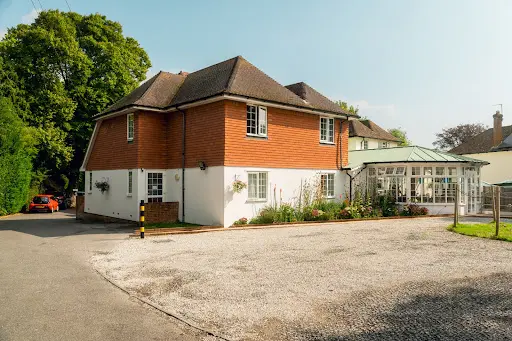
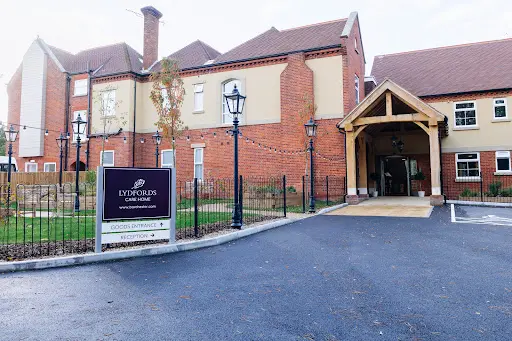
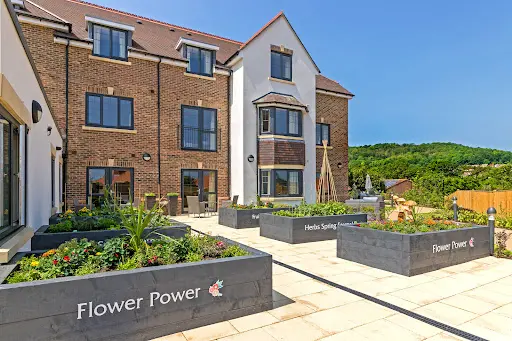
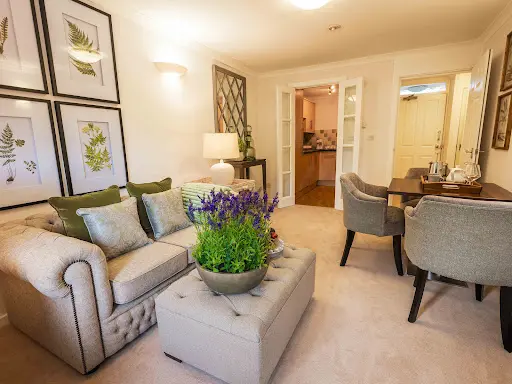
The home strikes visitors as immaculately maintained, with modern furnishings and thoughtful design touches throughout. There's a garden that provides pleasant outdoor space, and the communal areas offer comfortable spots for residents to spend time.
“Sometimes the right care home is the one where everything just feels properly looked after — the building, the atmosphere, and most importantly, the people who live there.”
DCC does not edit or curate content in this tab. For independently curated information, see The Evidence and DCC Verdict.