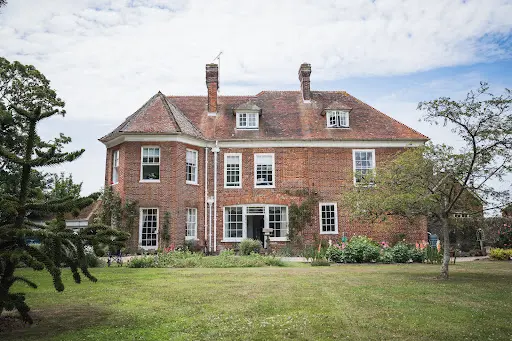
Barchester – Westergate House Care Home

At a Glance
The information you need to decide whether this home warrants a closer look.
Nursing homes
Staff warmth score
of reviewers answered yes
Good to know
- Registered beds79
- SpecialismsCaring for adults over 65 yrs, Caring for adults under 65 yrs, Dementia, Mental health conditions, Physical disabilities, Sensory impairment
- Last inspected2018-11-30
Save Barchester – Westergate House Care Home to your shortlist
Keep a running list, add visit notes, and compare homes side-by-side. Free account — it takes a minute.
STAGE 4 — RESEARCHING CARE HOMES
Visit homes. Compare them side by side. Choose with confidence.
Most of us will view care homes the way we view houses, impression, atmosphere, the feeling in the corridor. We go home, try to remember what we saw, and make a permanent decision from a blurred memory.

The DCC shortlist gives every home you visit a structured record: the same twelve questions, answered the same way, every time. When you’re ready to choose, pull any two homes side by side and compare them directly. Same criteria, same evidence, your notes and your scores.
The Evidence
What the review data, the inspection reports, and the dementia-care evidence base tell us about this home.
What families say
Families talk about the difference they see in their loved ones here. People who arrived withdrawn or struggling have found their spark again, joining in activities they choose and building real friendships. There's a warmth that comes through in how families describe watching their relatives settle in — seeing them genuinely happy and calling this place home.
The eight family priority themes
- Staff warmth72
- Compassion & dignity72
- Cleanliness70
- Activities & engagement65
- Food quality65
- Healthcare70
- Management & leadership72
- Resident happiness70
What inspectors found
Inspected 2018-11-30
Is this home safe?
Is the care effective?
The Effective domain was rated Good at the last full inspection. This domain covers whether staff have the right training, whether care plans reflect individual needs and preferences, how healthcare is accessed (including GP visits and specialist referrals), and how food and nutrition are managed. The published report does not include specific examples of care plan content, training programmes, or food provision. No concerns were raised. The 2023 monitoring review found no evidence to change this rating.Is this home caring?
The Caring domain was rated Good at the last full inspection. This domain covers staff warmth, how dignity and privacy are maintained, whether residents are treated as individuals, and how independence is supported. No inspector observations, resident quotes, or family testimony are included in the published report. The 2023 monitoring review did not identify concerns in this area.Is the home responsive?
The Responsive domain was rated Good at the last full inspection. This domain covers activities and engagement, how the home responds to individual preferences and complaints, and end-of-life care planning. The published report does not include examples of the activity programme, individual engagement, or complaint handling. No concerns were raised. The 2023 monitoring review found no evidence to change the rating.Is the home well-led?
The Well-led domain was rated Good at the last full inspection. A registered manager, Mr Paul Anthony Middleton-Russell, is named, alongside a nominated individual, Mr Dominic Jude Kay. The home is operated by Barchester Healthcare Homes Limited, a large national provider. The published report does not include specific observations about management visibility, staff culture, governance processes, or how the home learns from incidents. No concerns were raised in this domain.
Source: CQC inspection report →
What the evidence base says
The home cares for people with dementia, mental health conditions, physical disabilities and sensory impairments. They support both younger adults under 65 and older residents. Families whose loved ones have advanced dementia describe seeing real improvements after moving here. The staff know how to engage with people experiencing cognitive decline, and several families have talked about their relatives' health actually stabilising once they settled in. All areas worth probing directly during a visit.
The DCC Verdict
Our editorial view, built from the three lenses: what families tell us, what inspectors record, and how the home sits against good dementia-care practice.
DCC Family Score
Westergate House holds a Good rating across all five inspection domains, which is a solid baseline, but the published inspection report contains very little specific detail, meaning most scores reflect a general positive picture rather than concrete observed evidence.
Homes in South East typically score 68–82.The three-lens summary
What families tell us
Families talk about the difference they see in their loved ones here. People who arrived withdrawn or struggling have found their spark again, joining in activities they choose and building real friendships. There's a warmth that comes through in how families describe watching their relatives settle in — seeing them genuinely happy and calling this place home.
What inspectors have recorded
What stands out is how staff stick around and really get to know residents. Families describe the same faces year after year, building those relationships that matter so much with dementia care. The team seems to understand that good care means being flexible — whether that's making space for big family celebrations or supporting everyone through end-of-life care with real compassion.
How it sits against good practice
Sometimes the smallest details tell you the most — like residents being known faces in the village, or families feeling they can properly be part of their loved one's daily life here.
Worth a visit
Westergate House, on Denmans Lane in Arundel, was rated Good across all five inspection domains at its last full inspection in November 2018. The most recent published update, from a monitoring review in July 2023, confirmed that no evidence had emerged to change that rating. The home is run by Barchester Healthcare Homes Limited, a large national provider, and has a named registered manager and nominated individual in place. The main limitation here is that the published inspection report contains very little specific detail. There are no recorded inspector observations, no resident or family quotes, and no specific examples of care in practice. A Good rating from an inspection now several years old is a reasonable starting point, but it is not a substitute for what you see and hear when you visit. When you go, ask to meet the registered manager in person, ask to see last week's actual staffing rota (not the template), and spend time in a communal area watching how staff interact with residents.
The three questions to ask when you visitSave this home. Compare it against your shortlist.
Let our analysis show you how Barchester – Westergate House Care Home measures up against the other homes you’re considering. Free account.
In Their Own Words
How Barchester – Westergate House Care Home describes itself — collected from its own website. DCC has not edited or independently verified the content in this tab.
Where families find comfort through life's hardest moments
Nursing home in Arundel: True Peace of Mind
When you're watching someone you love struggle with dementia or complex health needs, finding the right support feels overwhelming. Westergate House in Arundel has become a place where families discover something they weren't sure they'd find — genuine contentment for their loved ones. Set in the heart of the village, this care home has quietly built a reputation for helping residents not just cope, but actually thrive.
Who they care for
The home cares for people with dementia, mental health conditions, physical disabilities and sensory impairments. They support both younger adults under 65 and older residents.
Families whose loved ones have advanced dementia describe seeing real improvements after moving here. The staff know how to engage with people experiencing cognitive decline, and several families have talked about their relatives' health actually stabilising once they settled in.
“Sometimes the smallest details tell you the most — like residents being known faces in the village, or families feeling they can properly be part of their loved one's daily life here.”
DCC does not edit or curate content in this tab. For independently curated information, see The Evidence and DCC Verdict.
The DCC Verdict
Our editorial view, built from the three lenses: what families tell us, what inspectors record, and how the home sits against good dementia-care practice.
DCC Family Score
Westergate House holds a Good rating across all five inspection domains, which is a solid baseline, but the published inspection report contains very little specific detail, meaning most scores reflect a general positive picture rather than concrete observed evidence.
Homes in South East typically score 68–82.The three-lens summary
What families tell us
Families talk about the difference they see in their loved ones here. People who arrived withdrawn or struggling have found their spark again, joining in activities they choose and building real friendships. There's a warmth that comes through in how families describe watching their relatives settle in — seeing them genuinely happy and calling this place home.
What inspectors have recorded
What stands out is how staff stick around and really get to know residents. Families describe the same faces year after year, building those relationships that matter so much with dementia care. The team seems to understand that good care means being flexible — whether that's making space for big family celebrations or supporting everyone through end-of-life care with real compassion.
How it sits against good practice
Sometimes the smallest details tell you the most — like residents being known faces in the village, or families feeling they can properly be part of their loved one's daily life here.
Worth a visit
Westergate House, on Denmans Lane in Arundel, was rated Good across all five inspection domains at its last full inspection in November 2018. The most recent published update, from a monitoring review in July 2023, confirmed that no evidence had emerged to change that rating. The home is run by Barchester Healthcare Homes Limited, a large national provider, and has a named registered manager and nominated individual in place. The main limitation here is that the published inspection report contains very little specific detail. There are no recorded inspector observations, no resident or family quotes, and no specific examples of care in practice. A Good rating from an inspection now several years old is a reasonable starting point, but it is not a substitute for what you see and hear when you visit. When you go, ask to meet the registered manager in person, ask to see last week's actual staffing rota (not the template), and spend time in a communal area watching how staff interact with residents.
The three questions to ask when you visitSave this home. Compare it against your shortlist.
Let our analysis show you how Barchester – Westergate House Care Home measures up against the other homes you’re considering. Free account.
In Their Own Words
How Barchester – Westergate House Care Home describes itself — collected from its own website. DCC has not edited or independently verified the content in this tab.
Where families find comfort through life's hardest moments
Nursing home in Arundel: True Peace of Mind
When you're watching someone you love struggle with dementia or complex health needs, finding the right support feels overwhelming. Westergate House in Arundel has become a place where families discover something they weren't sure they'd find — genuine contentment for their loved ones. Set in the heart of the village, this care home has quietly built a reputation for helping residents not just cope, but actually thrive.
Who they care for
The home cares for people with dementia, mental health conditions, physical disabilities and sensory impairments. They support both younger adults under 65 and older residents.
Families whose loved ones have advanced dementia describe seeing real improvements after moving here. The staff know how to engage with people experiencing cognitive decline, and several families have talked about their relatives' health actually stabilising once they settled in.
Management & ethos
What stands out is how staff stick around and really get to know residents. Families describe the same faces year after year, building those relationships that matter so much with dementia care. The team seems to understand that good care means being flexible — whether that's making space for big family celebrations or supporting everyone through end-of-life care with real compassion.
The home & environment
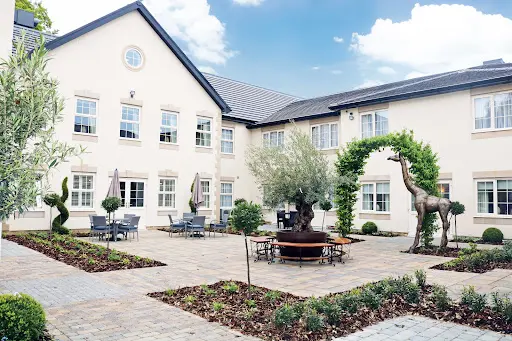
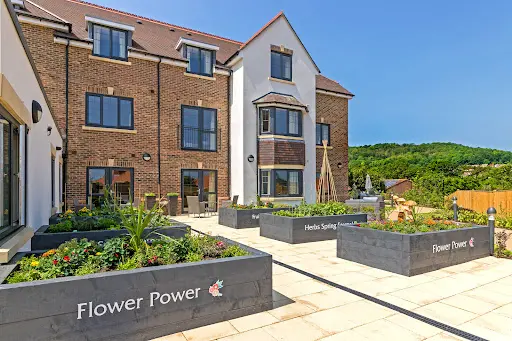
The home runs a full programme of activities that residents actually want to join — from arts and music sessions to minibus trips out. They're part of village life too, with the community coming in for events and residents getting out and about. The food's made fresh on-site, and families mention their pets are welcome to visit, which matters when you're trying to keep those connections alive.
“Sometimes the smallest details tell you the most — like residents being known faces in the village, or families feeling they can properly be part of their loved one's daily life here.”
DCC does not edit or curate content in this tab. For independently curated information, see The Evidence and DCC Verdict.