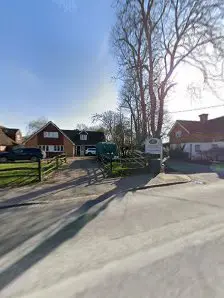
Eastbourne Gardens Care Home – Avery Collection

At a Glance
The information you need to decide whether this home warrants a closer look.
Nursing homes
Staff warmth score
of reviewers answered yes
Good to know
- Registered beds107
- SpecialismsCaring for adults over 65 yrs, Caring for adults under 65 yrs, Dementia
- Last inspected2018-12-13
Save Eastbourne Gardens Care Home – Avery Collection to your shortlist
Keep a running list, add visit notes, and compare homes side-by-side. Free account — it takes a minute.
STAGE 4 — RESEARCHING CARE HOMES
Visit homes. Compare them side by side. Choose with confidence.
Most of us will view care homes the way we view houses, impression, atmosphere, the feeling in the corridor. We go home, try to remember what we saw, and make a permanent decision from a blurred memory.

The DCC shortlist gives every home you visit a structured record: the same twelve questions, answered the same way, every time. When you’re ready to choose, pull any two homes side by side and compare them directly. Same criteria, same evidence, your notes and your scores.
The Evidence
What the review data, the inspection reports, and the dementia-care evidence base tell us about this home.
What families say
Families describe a special quality in how staff approach each resident — taking time to understand individual preferences and maintaining those important routines that bring comfort. The daily activities programme keeps people engaged at their own pace, whether that's joining group sessions or pursuing personal interests with one-on-one support. There's a real sense of continuity here, with residents able to stay in familiar surroundings even as their needs change.
The eight family priority themes
- Staff warmth85
- Compassion & dignity88
- Cleanliness75
- Activities & engagement80
- Food quality72
- Healthcare85
- Management & leadership90
- Resident happiness80
What inspectors found
Inspected 2018-12-13
Is this home safe?
Is the care effective?
The Effective domain was rated Outstanding at the July 2018 inspection. This domain covers staff training, care planning, healthcare access, nutrition, and how well the home works with other professionals such as GPs, district nurses, and specialists. An Outstanding rating in this area requires inspectors to find specific, compelling evidence rather than basic compliance. The home lists dementia as a specialism, which means training and care planning for people with cognitive impairment would have been scrutinised. Specific training content, care plan examples, and GP access arrangements are not detailed in the published summary available here.Is this home caring?
The Caring domain was rated Outstanding at the July 2018 inspection. This domain covers staff warmth, dignity, respect, independence, and emotional support. Outstanding here is the hardest rating to achieve because it depends on what inspectors directly observe and hear, not on paperwork. Staff warmth is the single most mentioned theme in positive family reviews across our data set, appearing in 57.3 per cent of positive reviews. Compassion and dignity appear in 55.2 per cent. No specific observations, quotes, or named examples from this inspection appear in the published summary available for analysis.Is the home responsive?
The Responsive domain was rated Outstanding at the July 2018 inspection. This domain covers how well the home tailors its care to individual needs, the quality and range of activities, how complaints are handled, and end-of-life care planning. Outstanding requires inspectors to find specific evidence that the home goes beyond a standard activity programme and engages people as individuals. The home serves both over-65s and under-65s, and lists dementia as a specialism, meaning responsiveness to varied and complex needs would have been assessed. Specific activity examples, individual engagement approaches, and complaint handling detail are not available in the published summary.Is the home well-led?
The Well-led domain was rated Outstanding at the July 2018 inspection. This domain covers management visibility, governance systems, staff culture, learning from incidents, and how families and residents are involved in shaping the home. The inspection record names the registered manager as Miss Katie Jane Byrne and the nominated individual as Mrs Natasha Southall, indicating an identifiable leadership structure at the time. Outstanding Well-led requires evidence of a positive culture where staff feel able to speak up and where the home improves continuously. No specific examples of governance mechanisms, incident learning, or family involvement are available in the published summary.
Source: CQC inspection report →
What the evidence base says
The home cares for adults under and over 65, with particular expertise in dementia support. Staff here understand the progression of dementia and adapt their approach as residents' abilities change. They work to maintain familiar routines and relationships that provide comfort and continuity throughout the journey. All areas worth probing directly during a visit.
The DCC Verdict
Our editorial view, built from the three lenses: what families tell us, what inspectors record, and how the home sits against good dementia-care practice.
DCC Family Score
Eastbourne Gardens Care Home received an Outstanding overall rating at its last inspection, with four of five domains rated Outstanding. The score reflects this strong official finding while acknowledging that the published report text contains very limited specific detail, so some themes are scored on the basis of the rating rather than granular inspection evidence.
Homes in South East typically score 68–82.The three-lens summary
What families tell us
Families describe a special quality in how staff approach each resident — taking time to understand individual preferences and maintaining those important routines that bring comfort. The daily activities programme keeps people engaged at their own pace, whether that's joining group sessions or pursuing personal interests with one-on-one support. There's a real sense of continuity here, with residents able to stay in familiar surroundings even as their needs change.
What inspectors have recorded
What stands out is how quickly staff respond when families raise concerns or when a resident's health takes an unexpected turn. The whole team, from reception through to clinical staff, maintains that same attentive, professional approach. They're particularly skilled at managing pain and providing comfort during terminal illness, supporting both residents and their families through those final stages with real compassion.
How it sits against good practice
For families facing difficult decisions about complex care needs, this is a place where professional expertise meets genuine human kindness.
Worth a visit
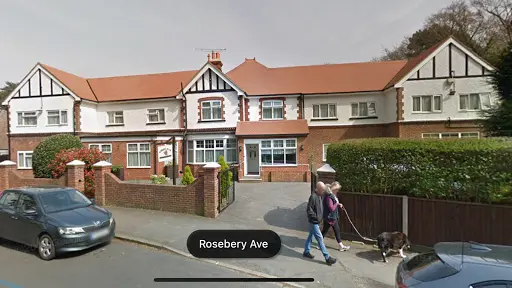
Eastbourne Gardens Care Home, at 6 Upper Kings Drive in Eastbourne, was rated Outstanding overall at its last inspection in July 2018, with four domains rated Outstanding (Effective, Caring, Responsive, and Well-led) and the Safe domain rated Good. Outstanding is the highest rating available and is awarded to fewer than five per cent of care homes in England, so this result places the home in a small group of services inspectors considered exceptional at the time of assessment. The most important caveat is that this inspection took place in July 2018, which means the findings are now over six years old. Care homes can change significantly in that time, including changes to management, staffing, and ownership. The registered manager named in the report is Miss Katie Jane Byrne. Before visiting, check whether she is still in post, ask what has changed since 2018, and request a copy of the home's most recent internal quality audit. On your visit, pay particular attention to night staffing levels and agency use, as these are the areas where the published findings give no specific detail.
The three questions to ask when you visitSave this home. Compare it against your shortlist.
Let our analysis show you how Eastbourne Gardens Care Home – Avery Collection measures up against the other homes you’re considering. Free account.
In Their Own Words
How Eastbourne Gardens Care Home – Avery Collection describes itself — collected from its own website. DCC has not edited or independently verified the content in this tab.
Where families find compassionate support through life's toughest moments
Nursing home in Eastbourne: True Peace of Mind
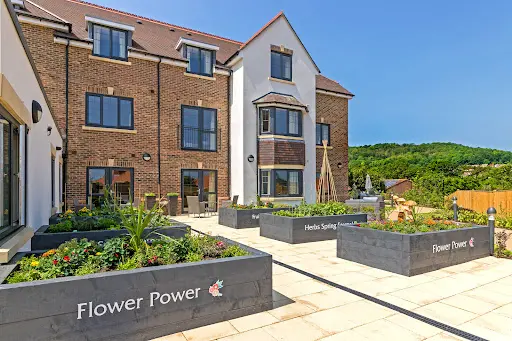
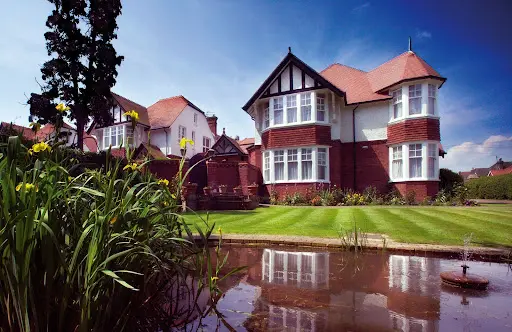
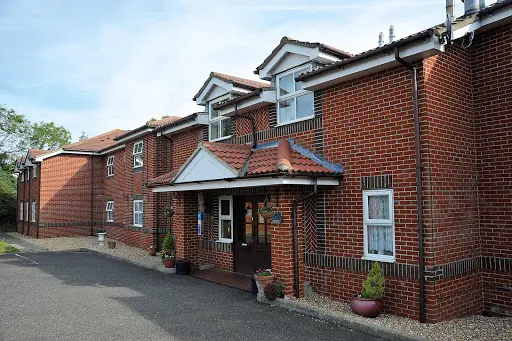
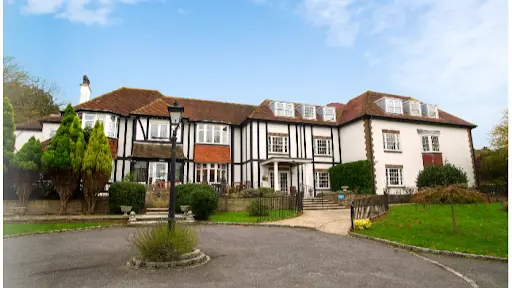
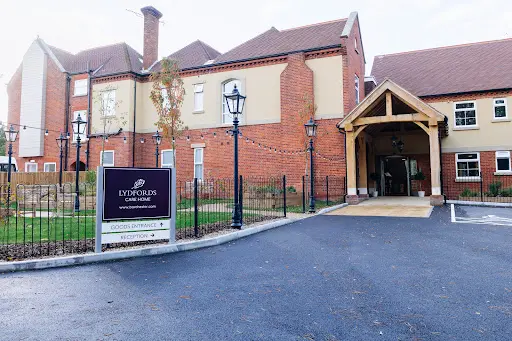
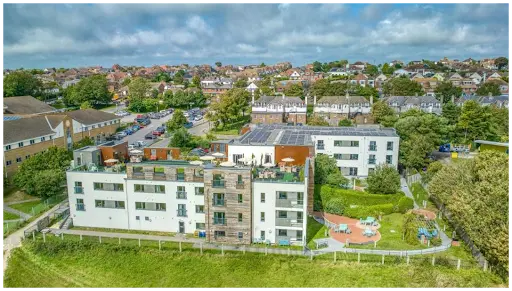
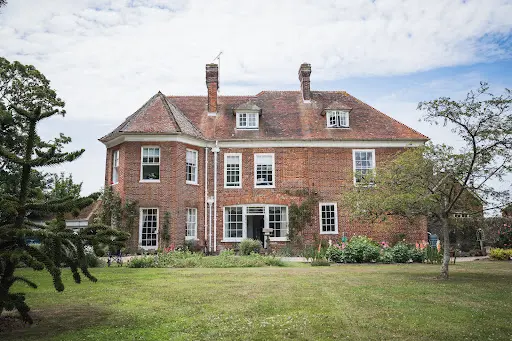
When care becomes complex and emotions run high, Eastbourne Gardens Care Home provides the steady, skilled support that matters most. This Eastbourne home has built its reputation on helping families navigate everything from dementia progression to end-of-life care with genuine warmth and clinical expertise. The spacious building, with its accessible corridors and peaceful gardens, creates a calming environment where residents can maintain their independence as long as possible.
Who they care for
The home cares for adults under and over 65, with particular expertise in dementia support.
Staff here understand the progression of dementia and adapt their approach as residents' abilities change. They work to maintain familiar routines and relationships that provide comfort and continuity throughout the journey.
“For families facing difficult decisions about complex care needs, this is a place where professional expertise meets genuine human kindness.”
DCC does not edit or curate content in this tab. For independently curated information, see The Evidence and DCC Verdict.
The DCC Verdict
Our editorial view, built from the three lenses: what families tell us, what inspectors record, and how the home sits against good dementia-care practice.
DCC Family Score
Eastbourne Gardens Care Home received an Outstanding overall rating at its last inspection, with four of five domains rated Outstanding. The score reflects this strong official finding while acknowledging that the published report text contains very limited specific detail, so some themes are scored on the basis of the rating rather than granular inspection evidence.
Homes in South East typically score 68–82.The three-lens summary
What families tell us
Families describe a special quality in how staff approach each resident — taking time to understand individual preferences and maintaining those important routines that bring comfort. The daily activities programme keeps people engaged at their own pace, whether that's joining group sessions or pursuing personal interests with one-on-one support. There's a real sense of continuity here, with residents able to stay in familiar surroundings even as their needs change.
What inspectors have recorded
What stands out is how quickly staff respond when families raise concerns or when a resident's health takes an unexpected turn. The whole team, from reception through to clinical staff, maintains that same attentive, professional approach. They're particularly skilled at managing pain and providing comfort during terminal illness, supporting both residents and their families through those final stages with real compassion.
How it sits against good practice
For families facing difficult decisions about complex care needs, this is a place where professional expertise meets genuine human kindness.
Worth a visit
Eastbourne Gardens Care Home, at 6 Upper Kings Drive in Eastbourne, was rated Outstanding overall at its last inspection in July 2018, with four domains rated Outstanding (Effective, Caring, Responsive, and Well-led) and the Safe domain rated Good. Outstanding is the highest rating available and is awarded to fewer than five per cent of care homes in England, so this result places the home in a small group of services inspectors considered exceptional at the time of assessment. The most important caveat is that this inspection took place in July 2018, which means the findings are now over six years old. Care homes can change significantly in that time, including changes to management, staffing, and ownership. The registered manager named in the report is Miss Katie Jane Byrne. Before visiting, check whether she is still in post, ask what has changed since 2018, and request a copy of the home's most recent internal quality audit. On your visit, pay particular attention to night staffing levels and agency use, as these are the areas where the published findings give no specific detail.
The three questions to ask when you visitSave this home. Compare it against your shortlist.
Let our analysis show you how Eastbourne Gardens Care Home – Avery Collection measures up against the other homes you’re considering. Free account.
In Their Own Words
How Eastbourne Gardens Care Home – Avery Collection describes itself — collected from its own website. DCC has not edited or independently verified the content in this tab.
Where families find compassionate support through life's toughest moments
Nursing home in Eastbourne: True Peace of Mind
When care becomes complex and emotions run high, Eastbourne Gardens Care Home provides the steady, skilled support that matters most. This Eastbourne home has built its reputation on helping families navigate everything from dementia progression to end-of-life care with genuine warmth and clinical expertise. The spacious building, with its accessible corridors and peaceful gardens, creates a calming environment where residents can maintain their independence as long as possible.
Who they care for
The home cares for adults under and over 65, with particular expertise in dementia support.
Staff here understand the progression of dementia and adapt their approach as residents' abilities change. They work to maintain familiar routines and relationships that provide comfort and continuity throughout the journey.
Management & ethos
What stands out is how quickly staff respond when families raise concerns or when a resident's health takes an unexpected turn. The whole team, from reception through to clinical staff, maintains that same attentive, professional approach. They're particularly skilled at managing pain and providing comfort during terminal illness, supporting both residents and their families through those final stages with real compassion.
The home & environment
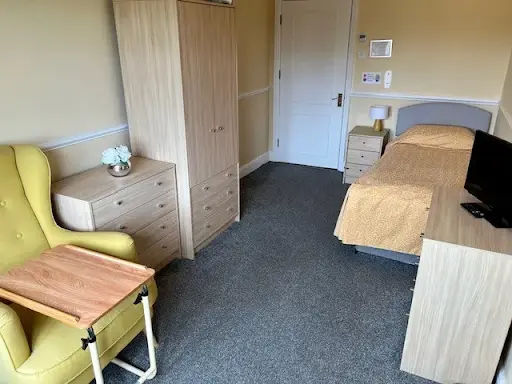
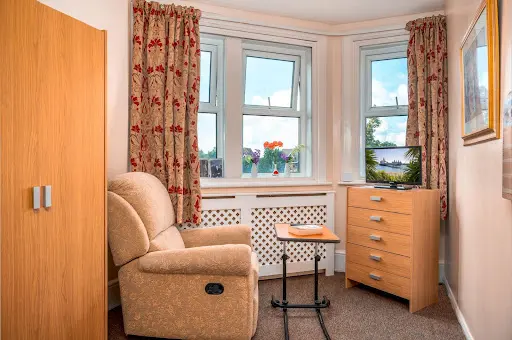
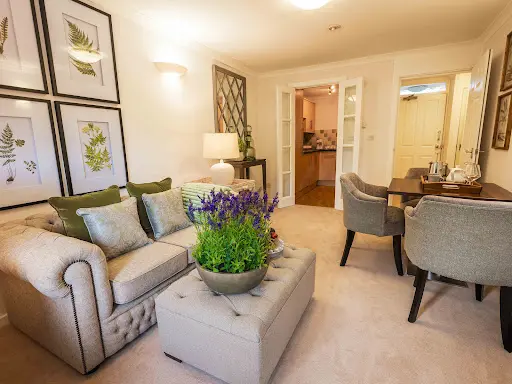
The building itself supports wellbeing beautifully, with plenty of natural light flooding the spacious corridors and communal areas. Residents can wander safely through the accessible layout or spend time in the gardens when weather permits. The care team coordinates closely to ensure smooth transitions — whether someone's recovering from surgery or adjusting to new health challenges.
“For families facing difficult decisions about complex care needs, this is a place where professional expertise meets genuine human kindness.”
DCC does not edit or curate content in this tab. For independently curated information, see The Evidence and DCC Verdict.