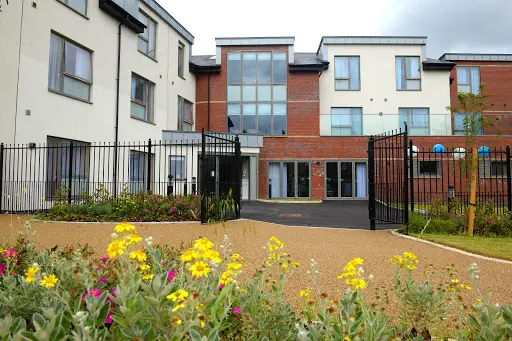
Redlands Rest Home

At a Glance
The information you need to decide whether this home warrants a closer look.
Residential homes
Staff warmth score
of reviewers answered yes
Good to know
- Registered beds23
- SpecialismsCaring for adults over 65 yrs, Caring for adults under 65 yrs, Dementia, Mental health conditions, Substance misuse problems
- Last inspected2023-03-10
Save Redlands Rest Home to your shortlist
Keep a running list, add visit notes, and compare homes side-by-side. Free account — it takes a minute.
STAGE 4 — RESEARCHING CARE HOMES
Visit homes. Compare them side by side. Choose with confidence.
Most of us will view care homes the way we view houses, impression, atmosphere, the feeling in the corridor. We go home, try to remember what we saw, and make a permanent decision from a blurred memory.

The DCC shortlist gives every home you visit a structured record: the same twelve questions, answered the same way, every time. When you’re ready to choose, pull any two homes side by side and compare them directly. Same criteria, same evidence, your notes and your scores.
The Evidence
What the review data, the inspection reports, and the dementia-care evidence base tell us about this home.
What families say
Families describe a friendly atmosphere where staff show real kindness in their daily interactions. The care team's respectful approach particularly stands out during difficult times, with relatives noting how staff maintain residents' dignity even through end-of-life care.
The eight family priority themes
- Staff warmth72
- Compassion & dignity72
- Cleanliness70
- Activities & engagement60
- Food quality58
- Healthcare65
- Management & leadership74
- Resident happiness68
What inspectors found
Inspected 2023-03-10
Is this home safe?
Is the care effective?
The Effective domain was rated Good, meaning inspectors were satisfied that staff have the skills and knowledge to meet the needs of people living there, that care plans reflect individual needs, and that health is monitored and supported. The home lists dementia as a specialism, which means dementia-specific training should be in place. The published text does not record what training staff have completed, how often care plans are reviewed, or how the home manages GP access and health appointments. Food and nutrition also fall within this domain, and no specific observations about meals or dietary management are recorded.Is this home caring?
The Caring domain was rated Good, meaning inspectors were satisfied that staff treat people with kindness, respect, and dignity, and that people's independence is promoted where possible. For a home with dementia as a specialism, this domain covers how staff communicate with residents who may not be able to express their preferences verbally, how personal care is handled with privacy, and whether residents appear settled and at ease. The published text does not record specific inspector observations, such as whether staff knocked before entering rooms, used preferred names, or responded calmly to distress. No quotes from residents or relatives are included.Is the home responsive?
The Responsive domain was rated Good, meaning inspectors were satisfied that the home plans and delivers care in a way that meets individual needs, responds to changing circumstances, and provides meaningful activities. The home lists dementia, mental health conditions, and substance misuse as specialisms alongside general older adult care, which means the activity and engagement offer needs to work for a varied group of people with different cognitive and physical abilities. The published text does not describe the activity programme, individual engagement for people who cannot join groups, or how the home involves residents and families in planning their care. End-of-life planning also falls within this domain and is not detailed.Is the home well-led?
The Well-led domain was rated Good, representing the most significant improvement from the previous Requires Improvement rating. The home is run by Unified Care Limited, with a named registered manager and a nominated individual recorded at the time of inspection. A Good Well-led rating means inspectors were satisfied that the management team provides effective leadership, that staff feel supported, that governance systems are in place, and that the home has a culture of learning and improvement. The published text does not record how long the current manager has been in post, whether staff feel able to raise concerns, or how the home measures and responds to resident and family feedback.
Source: CQC inspection report →
What the evidence base says
The home specialises in supporting adults under 65 with mental health conditions and substance misuse challenges, as well as providing dementia care for older residents. For those living with dementia, the team brings patience and understanding to daily care routines, though the mixed-age environment may present unique considerations. All areas worth probing directly during a visit.
The DCC Verdict
Our editorial view, built from the three lenses: what families tell us, what inspectors record, and how the home sits against good dementia-care practice.
DCC Family Score
Redlands Care Home achieved a Good rating across all five inspection domains, improving from a previous Requires Improvement rating, which is a meaningful step forward. However, the published inspection text contains limited specific observations, direct quotes, or detailed evidence, so the score reflects a solid but not fully evidenced picture.
Homes in North West typically score 68–82.The three-lens summary
What families tell us
Families describe a friendly atmosphere where staff show real kindness in their daily interactions. The care team's respectful approach particularly stands out during difficult times, with relatives noting how staff maintain residents' dignity even through end-of-life care.
What inspectors have recorded
The care approach here centers on compassion, though one family raised concerns about response times when their relative was distressed. This suggests the home may still be working on ensuring consistent monitoring across all shifts and situations.
How it sits against good practice
Complex care needs require specialised understanding — it's worth discussing your loved one's specific requirements directly with the team.
Worth a visit
Redlands Care Home at 44-46 Park Road, Lytham St Annes was rated Good across all five inspection domains at its assessment in December 2022, with the report published in March 2023. This represents a genuine improvement: the home previously held a Requires Improvement rating, and moving to Good across every domain means inspectors were satisfied that earlier concerns had been addressed. The home is registered for 23 beds and lists dementia, mental health conditions, and substance misuse as specialisms alongside general care for adults over and under 65. The main uncertainty here is that the published inspection text contains very limited specific detail. There are no direct quotes from residents, relatives, or staff, and no recorded inspector observations about day-to-day life in the home. A Good rating is meaningful, but it does not tell you whether your parent will be warm, engaged, and known by name. On a visit, focus on what you can see and hear: do staff use your parent's preferred name unprompted, does the building smell clean, are residents sitting together or alone, and does the manager know individual residents by sight. Ask specifically about night staffing numbers, how dementia training is delivered, and how the home communicates with families when something changes.
The three questions to ask when you visitSave this home. Compare it against your shortlist.
Let our analysis show you how Redlands Rest Home measures up against the other homes you’re considering. Free account.
In Their Own Words
How Redlands Rest Home describes itself — collected from its own website. DCC has not edited or independently verified the content in this tab.
Supporting complex needs with kindness in Lytham St Annes
Redlands Care Home – Your Trusted residential home
When someone you love needs specialist support for mental health challenges or substance misuse, finding the right place feels overwhelming. Redlands Care Home in Lytham St Annes provides residential care for adults with complex needs, including dementia and mental health conditions. The team here focuses on treating each resident with genuine respect and compassion.
Who they care for
The home specialises in supporting adults under 65 with mental health conditions and substance misuse challenges, as well as providing dementia care for older residents.
For those living with dementia, the team brings patience and understanding to daily care routines, though the mixed-age environment may present unique considerations.
“Complex care needs require specialised understanding — it's worth discussing your loved one's specific requirements directly with the team.”
DCC does not edit or curate content in this tab. For independently curated information, see The Evidence and DCC Verdict.
The DCC Verdict
Our editorial view, built from the three lenses: what families tell us, what inspectors record, and how the home sits against good dementia-care practice.
DCC Family Score
Redlands Care Home achieved a Good rating across all five inspection domains, improving from a previous Requires Improvement rating, which is a meaningful step forward. However, the published inspection text contains limited specific observations, direct quotes, or detailed evidence, so the score reflects a solid but not fully evidenced picture.
Homes in North West typically score 68–82.The three-lens summary
What families tell us
Families describe a friendly atmosphere where staff show real kindness in their daily interactions. The care team's respectful approach particularly stands out during difficult times, with relatives noting how staff maintain residents' dignity even through end-of-life care.
What inspectors have recorded
The care approach here centers on compassion, though one family raised concerns about response times when their relative was distressed. This suggests the home may still be working on ensuring consistent monitoring across all shifts and situations.
How it sits against good practice
Complex care needs require specialised understanding — it's worth discussing your loved one's specific requirements directly with the team.
Worth a visit
Redlands Care Home at 44-46 Park Road, Lytham St Annes was rated Good across all five inspection domains at its assessment in December 2022, with the report published in March 2023. This represents a genuine improvement: the home previously held a Requires Improvement rating, and moving to Good across every domain means inspectors were satisfied that earlier concerns had been addressed. The home is registered for 23 beds and lists dementia, mental health conditions, and substance misuse as specialisms alongside general care for adults over and under 65. The main uncertainty here is that the published inspection text contains very limited specific detail. There are no direct quotes from residents, relatives, or staff, and no recorded inspector observations about day-to-day life in the home. A Good rating is meaningful, but it does not tell you whether your parent will be warm, engaged, and known by name. On a visit, focus on what you can see and hear: do staff use your parent's preferred name unprompted, does the building smell clean, are residents sitting together or alone, and does the manager know individual residents by sight. Ask specifically about night staffing numbers, how dementia training is delivered, and how the home communicates with families when something changes.
The three questions to ask when you visitSave this home. Compare it against your shortlist.
Let our analysis show you how Redlands Rest Home measures up against the other homes you’re considering. Free account.
In Their Own Words
How Redlands Rest Home describes itself — collected from its own website. DCC has not edited or independently verified the content in this tab.
Supporting complex needs with kindness in Lytham St Annes
Redlands Care Home – Your Trusted residential home
When someone you love needs specialist support for mental health challenges or substance misuse, finding the right place feels overwhelming. Redlands Care Home in Lytham St Annes provides residential care for adults with complex needs, including dementia and mental health conditions. The team here focuses on treating each resident with genuine respect and compassion.
Who they care for
The home specialises in supporting adults under 65 with mental health conditions and substance misuse challenges, as well as providing dementia care for older residents.
For those living with dementia, the team brings patience and understanding to daily care routines, though the mixed-age environment may present unique considerations.
Management & ethos
The care approach here centers on compassion, though one family raised concerns about response times when their relative was distressed. This suggests the home may still be working on ensuring consistent monitoring across all shifts and situations.
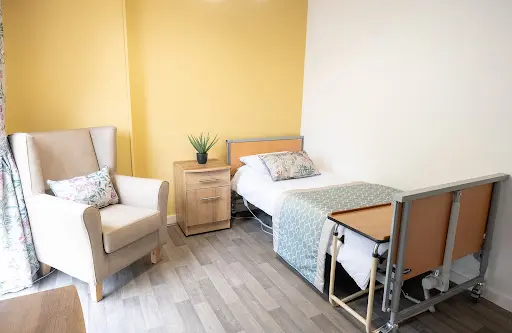
The home & environment
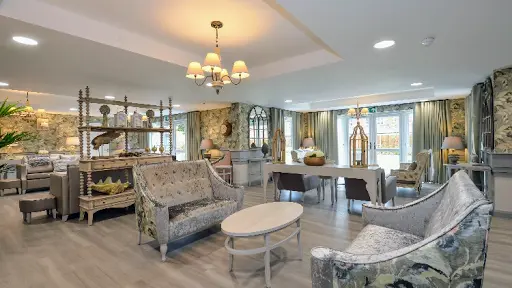
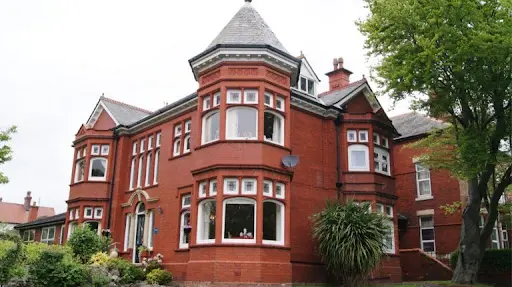
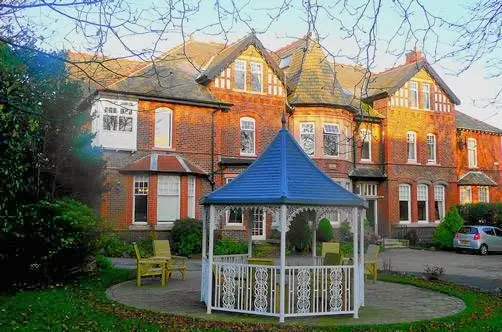
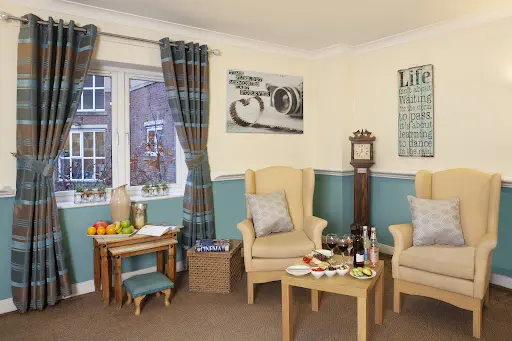
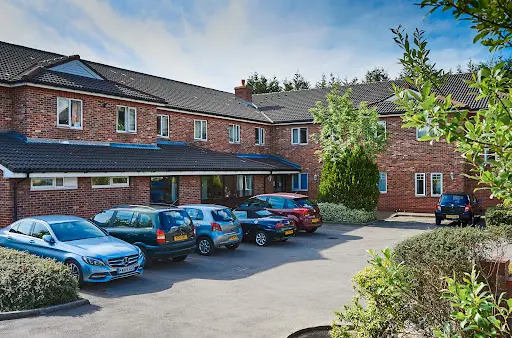
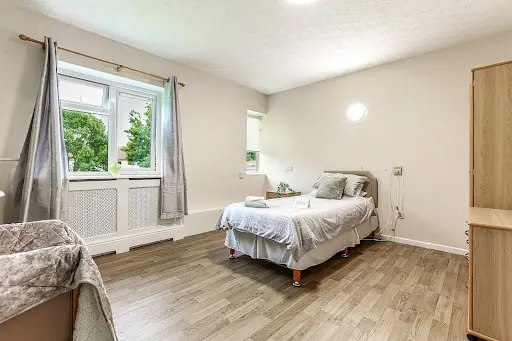
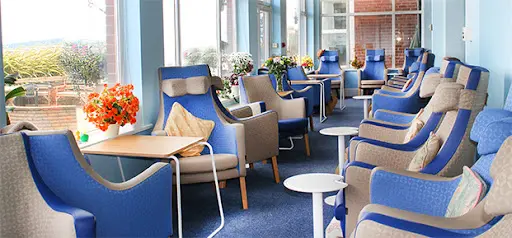
While the building itself isn't modern, families find the meals satisfying and well-prepared. Residents have access to regular structured activities throughout the day.
“Complex care needs require specialised understanding — it's worth discussing your loved one's specific requirements directly with the team.”
DCC does not edit or curate content in this tab. For independently curated information, see The Evidence and DCC Verdict.