Prince Michael of Kent Court
At a Glance
The information you need to decide whether this home warrants a closer look.
Residential homes
Staff warmth score
of reviewers answered yes
Good to know
- Registered beds55
- SpecialismsCaring for adults over 65 yrs, Caring for adults under 65 yrs, Dementia
- Last inspected2018-12-14
Save Prince Michael of Kent Court to your shortlist
Keep a running list, add visit notes, and compare homes side-by-side. Free account — it takes a minute.
STAGE 4 — RESEARCHING CARE HOMES
Visit homes. Compare them side by side. Choose with confidence.
Most of us will view care homes the way we view houses, impression, atmosphere, the feeling in the corridor. We go home, try to remember what we saw, and make a permanent decision from a blurred memory.

The DCC shortlist gives every home you visit a structured record: the same twelve questions, answered the same way, every time. When you’re ready to choose, pull any two homes side by side and compare them directly. Same criteria, same evidence, your notes and your scores.
The Evidence
What the review data, the inspection reports, and the dementia-care evidence base tell us about this home.
What families say
The warmth here comes through in everyday interactions. Families notice how staff take time to really connect with residents, creating an atmosphere where people feel genuinely cared for. The regular outings and structured activities give shape to the days, while the friendly approach from the care team helps residents feel settled and valued.
The eight family priority themes
- Staff warmth85
- Compassion & dignity92
- Cleanliness72
- Activities & engagement75
- Food quality70
- Healthcare75
- Management & leadership80
- Resident happiness78
What inspectors found
Inspected 2018-12-14
Is this home safe?
Is the care effective?
Effective was rated Good at the October 2024 inspection. This domain covers training, care planning, healthcare access, and nutrition. A Good rating indicates inspectors found that staff had the knowledge and skills to meet residents' needs, that care plans were in place, and that health needs including GP access and medication management were being met adequately. No specific detail about dementia training content, care plan review frequency, or food quality is included in the available published summary.Is this home caring?
Caring was rated Outstanding at the October 2024 inspection. This is the highest possible rating and is only awarded when inspectors find clear, consistent, and specific evidence of compassionate, dignified, and person-centred interactions. It covers how staff treat residents in everyday moments, whether privacy is respected, whether independence is promoted, and whether people feel genuinely valued. This rating represents the strongest finding in the report and is the area where this home most clearly distinguishes itself.Is the home responsive?
Responsive was rated Good at the October 2024 inspection. This domain covers how well the home tailors its care and activities to individual needs, including engagement, meaningful occupation, end-of-life care, and how complaints are handled. A Good rating indicates inspectors were satisfied that the home responded to residents as individuals. No specific detail about the activities programme, one-to-one engagement, or end-of-life planning is included in the available published summary.Is the home well-led?
Well-led was rated Good at the October 2024 inspection. This domain assesses whether leadership is visible and effective, whether there is a culture of openness and learning, and whether governance systems are in place to monitor and improve quality. A named registered manager and a nominated individual are both recorded. The home's overall trajectory from Requires Improvement to Outstanding demonstrates that leadership has driven meaningful, sustained improvement, which is itself a significant positive signal.
Source: CQC inspection report →
What the evidence base says
The home cares for adults both over and under 65, with particular expertise in dementia support. They've put real thought into creating an environment that works for people with dementia, using design features that help with orientation and engagement. The reminiscence activities are tailored to spark memories and maintain cognitive connections. All areas worth probing directly during a visit.
The DCC Verdict
Our editorial view, built from the three lenses: what families tell us, what inspectors record, and how the home sits against good dementia-care practice.
DCC Family Score
Prince Michael of Kent Court scores well above average, driven particularly by an Outstanding rating for Caring, which reflects strong evidence of compassionate, dignified, and person-centred interactions. Scores in areas such as food, cleanliness, and activities are solid but held back by limited published detail in the inspection findings.
Homes in East typically score 68–82.The three-lens summary
What families tell us
The warmth here comes through in everyday interactions. Families notice how staff take time to really connect with residents, creating an atmosphere where people feel genuinely cared for. The regular outings and structured activities give shape to the days, while the friendly approach from the care team helps residents feel settled and valued.
What inspectors have recorded
The care team's responsive approach shows in how they handle the little things throughout the day. While there have been some concerns raised about internal staff management, families consistently find the team attentive to their relatives' needs.
How it sits against good practice
Sometimes the best care comes from understanding what truly helps someone feel at home.
Worth a visit
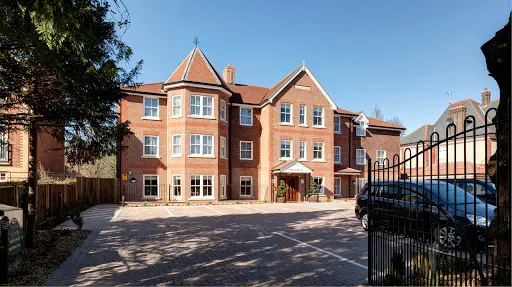
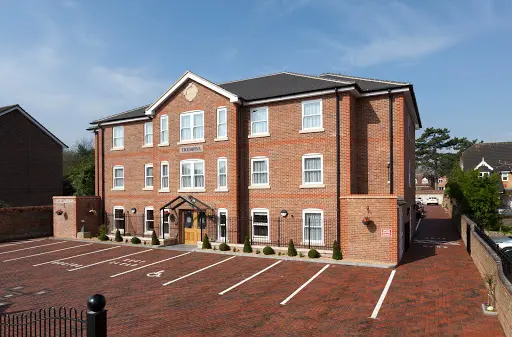
Prince Michael of Kent Court, a 55-bed residential home in Watford run by The Royal Masonic Benevolent Institution Care Company, was rated Outstanding at its most recent assessment in October 2024, with the full report published in March 2025. This is a significant improvement from a previous rating of Requires Improvement, which tells you that the leadership team has driven real, sustained change. The Outstanding rating for Caring is the standout finding: inspectors only award this where they find consistent, specific evidence of compassionate, dignified, and person-centred treatment across multiple visits and testimonies. The remaining domains, Safe, Effective, Responsive, and Well-led, were all rated Good. The main limitation of this report for families is that the publicly available summary is brief and does not include the granular detail you need to make a confident decision. There are no published quotes from residents or relatives, no descriptions of the dementia environment, and no staffing ratios for night shifts. Before you visit, prepare a short list of specific questions: how many permanent carers are on the dementia unit overnight, what proportion of shifts are covered by agency staff, and how the home supports your parent with one-to-one engagement if group activities are not suitable. When you visit, pay attention to how staff speak to residents in corridors and communal areas, whether they use preferred names, and whether the pace feels unhurried.
The three questions to ask when you visitSave this home. Compare it against your shortlist.
Let our analysis show you how Prince Michael of Kent Court measures up against the other homes you’re considering. Free account.
In Their Own Words
How Prince Michael of Kent Court describes itself — collected from its own website. DCC has not edited or independently verified the content in this tab.
Where thoughtful dementia design meets home-cooked comfort in Watford
Compassionate Care in Watford at Prince Michael of Kent Court
Finding the right dementia care means looking for those special touches that make all the difference. Prince Michael of Kent Court in East Watford has built its reputation on creating spaces and routines that genuinely support people living with dementia. From the way the environment is designed to the reminiscence activities that spark meaningful moments, this home focuses on what matters most for residents' wellbeing.
Who they care for
The home cares for adults both over and under 65, with particular expertise in dementia support.
They've put real thought into creating an environment that works for people with dementia, using design features that help with orientation and engagement. The reminiscence activities are tailored to spark memories and maintain cognitive connections.
“Sometimes the best care comes from understanding what truly helps someone feel at home.”
DCC does not edit or curate content in this tab. For independently curated information, see The Evidence and DCC Verdict.
The DCC Verdict
Our editorial view, built from the three lenses: what families tell us, what inspectors record, and how the home sits against good dementia-care practice.
DCC Family Score
Prince Michael of Kent Court scores well above average, driven particularly by an Outstanding rating for Caring, which reflects strong evidence of compassionate, dignified, and person-centred interactions. Scores in areas such as food, cleanliness, and activities are solid but held back by limited published detail in the inspection findings.
Homes in East typically score 68–82.The three-lens summary
What families tell us
The warmth here comes through in everyday interactions. Families notice how staff take time to really connect with residents, creating an atmosphere where people feel genuinely cared for. The regular outings and structured activities give shape to the days, while the friendly approach from the care team helps residents feel settled and valued.
What inspectors have recorded
The care team's responsive approach shows in how they handle the little things throughout the day. While there have been some concerns raised about internal staff management, families consistently find the team attentive to their relatives' needs.
How it sits against good practice
Sometimes the best care comes from understanding what truly helps someone feel at home.
Worth a visit
Prince Michael of Kent Court, a 55-bed residential home in Watford run by The Royal Masonic Benevolent Institution Care Company, was rated Outstanding at its most recent assessment in October 2024, with the full report published in March 2025. This is a significant improvement from a previous rating of Requires Improvement, which tells you that the leadership team has driven real, sustained change. The Outstanding rating for Caring is the standout finding: inspectors only award this where they find consistent, specific evidence of compassionate, dignified, and person-centred treatment across multiple visits and testimonies. The remaining domains, Safe, Effective, Responsive, and Well-led, were all rated Good. The main limitation of this report for families is that the publicly available summary is brief and does not include the granular detail you need to make a confident decision. There are no published quotes from residents or relatives, no descriptions of the dementia environment, and no staffing ratios for night shifts. Before you visit, prepare a short list of specific questions: how many permanent carers are on the dementia unit overnight, what proportion of shifts are covered by agency staff, and how the home supports your parent with one-to-one engagement if group activities are not suitable. When you visit, pay attention to how staff speak to residents in corridors and communal areas, whether they use preferred names, and whether the pace feels unhurried.
The three questions to ask when you visitSave this home. Compare it against your shortlist.
Let our analysis show you how Prince Michael of Kent Court measures up against the other homes you’re considering. Free account.
In Their Own Words
How Prince Michael of Kent Court describes itself — collected from its own website. DCC has not edited or independently verified the content in this tab.
Where thoughtful dementia design meets home-cooked comfort in Watford
Compassionate Care in Watford at Prince Michael of Kent Court
Finding the right dementia care means looking for those special touches that make all the difference. Prince Michael of Kent Court in East Watford has built its reputation on creating spaces and routines that genuinely support people living with dementia. From the way the environment is designed to the reminiscence activities that spark meaningful moments, this home focuses on what matters most for residents' wellbeing.
Who they care for
The home cares for adults both over and under 65, with particular expertise in dementia support.
They've put real thought into creating an environment that works for people with dementia, using design features that help with orientation and engagement. The reminiscence activities are tailored to spark memories and maintain cognitive connections.
Management & ethos
The care team's responsive approach shows in how they handle the little things throughout the day. While there have been some concerns raised about internal staff management, families consistently find the team attentive to their relatives' needs.
The home & environment
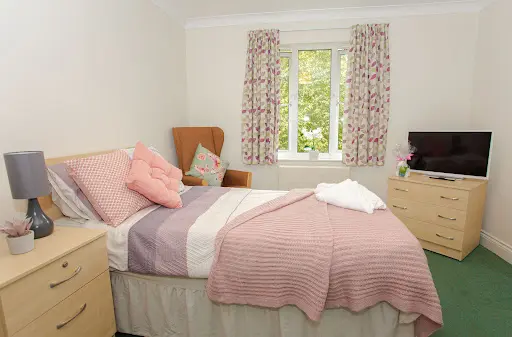
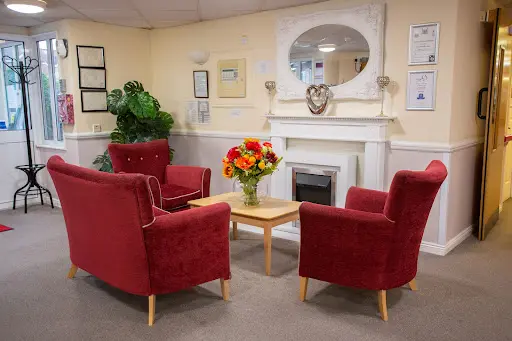
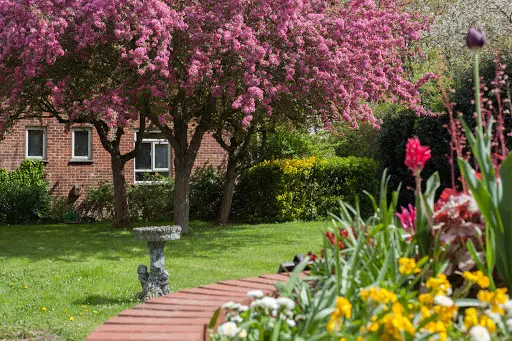
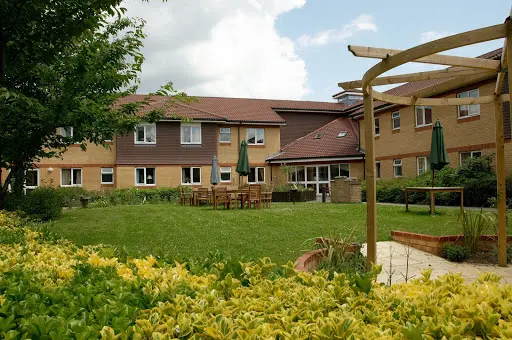
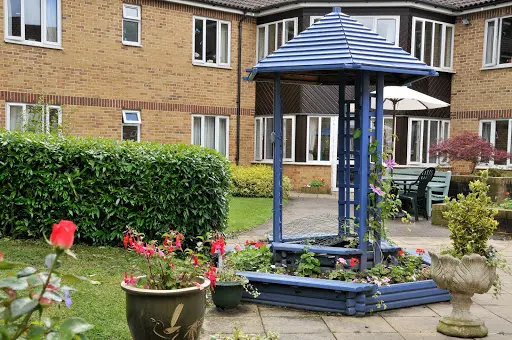
Everything's cooked fresh on-site, with proper attention to what residents actually want to eat. The gardens and communal lounges are well looked after, giving people pleasant spaces to spend time together or enjoy some fresh air. It's these practical touches that help create a comfortable environment for daily life.
“Sometimes the best care comes from understanding what truly helps someone feel at home.”
DCC does not edit or curate content in this tab. For independently curated information, see The Evidence and DCC Verdict.