Acacia Mews Care Home – Avery Healthcare
At a Glance
The information you need to decide whether this home warrants a closer look.
Residential homes
Staff warmth score
of reviewers answered yes
Good to know
- Registered beds68
- SpecialismsCaring for adults over 65 yrs, Caring for adults under 65 yrs, Dementia, Physical disabilities
- Last inspected2020-02-04
Save Acacia Mews Care Home – Avery Healthcare to your shortlist
Keep a running list, add visit notes, and compare homes side-by-side. Free account — it takes a minute.
STAGE 4 — RESEARCHING CARE HOMES
Visit homes. Compare them side by side. Choose with confidence.
Most of us will view care homes the way we view houses, impression, atmosphere, the feeling in the corridor. We go home, try to remember what we saw, and make a permanent decision from a blurred memory.

The DCC shortlist gives every home you visit a structured record: the same twelve questions, answered the same way, every time. When you’re ready to choose, pull any two homes side by side and compare them directly. Same criteria, same evidence, your notes and your scores.
The Evidence
What the review data, the inspection reports, and the dementia-care evidence base tell us about this home.
What families say
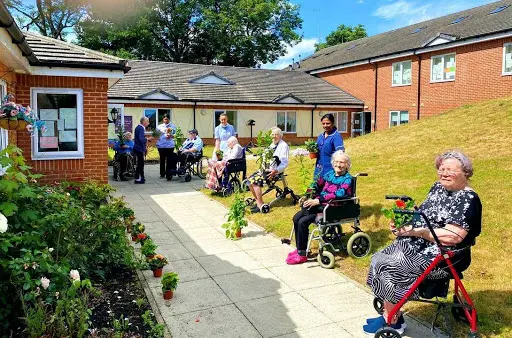
The atmosphere strikes visitors immediately — residents engaged in activities throughout the day, genuine smiles during mealtimes, and a general buzz of contentment. Families with loved ones in the dementia unit speak of seeing their relatives treated with real dignity and understanding. Healthcare professionals who visit regularly note how residents seem genuinely happy here, not just well-cared for.
The eight family priority themes
- Staff warmth72
- Compassion & dignity72
- Cleanliness72
- Activities & engagement68
- Food quality68
- Healthcare70
- Management & leadership74
- Resident happiness70
What inspectors found
Inspected 2020-02-04
Is this home safe?
Is the care effective?
The home was rated Good for Effective at the January 2020 inspection. This domain covers staff training, care planning, healthcare access, and food quality. The published summary does not include specific detail about dementia training content, care plan review frequency, GP access arrangements, or menus. The home lists dementia and physical disabilities as specialisms, which implies a need for skilled, trained staff, but the inspection summary does not describe what that training looks like in practice.Is this home caring?
The home was rated Good for Caring at the January 2020 inspection. This domain covers staff warmth, dignity, respect, and how well staff know the people they care for as individuals. The published summary does not include inspector observations of staff interactions, resident testimony about how they feel, or specific examples of dignity in practice. The Good rating tells us inspectors were satisfied, but the detail that would help you picture daily life here is not available in the published findings.Is the home responsive?
The home was rated Good for Responsive at the January 2020 inspection. This domain covers activities, individual engagement, how the home responds to changing needs, and end-of-life care planning. The published summary does not describe the activity programme, whether one-to-one activities are available for people who cannot join groups, or how end-of-life wishes are recorded and reviewed. The home's dementia specialism makes the question of individual engagement particularly important, as group activities alone are insufficient for people with moderate to advanced dementia.Is the home well-led?
The home was rated Good for Well-led at the January 2020 inspection. A named Registered Manager and a Nominated Individual are recorded as being in post. The Good Well-led rating indicates that inspectors were satisfied with governance, culture, and accountability arrangements at the time. The published summary does not describe the manager's visibility on the floor, how staff are supported to raise concerns, or what quality monitoring systems are in place. Given the inspection is now more than five years old, the stability of the leadership team is an open question.
Source: CQC inspection report →
What the evidence base says
The home provides specialised support for adults under 65 with physical disabilities, alongside their dementia care and general support for older residents. Families with relatives in the dementia units speak positively about the understanding and patience shown by staff. The care approach here seems to maintain dignity while providing the specialised support needed. All areas worth probing directly during a visit.
The DCC Verdict
Our editorial view, built from the three lenses: what families tell us, what inspectors record, and how the home sits against good dementia-care practice.
DCC Family Score
Acacia Mews Care Home was rated Good across all five inspection domains in January 2020, which is a positive foundation. However, the published inspection report contains limited specific detail, meaning scores reflect confirmed Good ratings rather than rich, observable evidence.
Homes in East typically score 68–82.The three-lens summary
What families tell us
The atmosphere strikes visitors immediately — residents engaged in activities throughout the day, genuine smiles during mealtimes, and a general buzz of contentment. Families with loved ones in the dementia unit speak of seeing their relatives treated with real dignity and understanding. Healthcare professionals who visit regularly note how residents seem genuinely happy here, not just well-cared for.
What inspectors have recorded
Staff here demonstrate the kind of attentiveness that makes all the difference — responding quickly to residents' needs while still having time for a chat or a laugh. Families appreciate how approachable the team is, whether they're updating on their loved one's care or just making sure visitors feel welcome. Even professionals who work across multiple homes comment on the notably engaged and caring approach they see here.
How it sits against good practice
Sometimes the best measure of a care home is simply whether the people living there seem content — at Acacia Mews, that contentment is evident.
Worth a visit
Acacia Mews Care Home on St Albans Road East in Hatfield was rated Good across all five inspection domains when inspectors visited in January 2020. The home supports up to 68 people, including those living with dementia, physical disabilities, and adults under 65, which is a relatively broad range of needs for a residential home. A named Registered Manager and Nominated Individual were confirmed in post, and the Good Well-led rating suggests the home had a functioning leadership structure at the time of inspection. The most important caution for your decision is the age of these findings: the inspection took place in January 2020, more than five years ago, and a monitoring review in July 2023 found no reason to change the rating but did not constitute a full re-inspection. A lot can change in five years, including staffing, management, occupancy, and culture. When you visit, ask to see the most recent staffing rota, ask whether the Registered Manager named in the 2020 report is still in post, and ask how the home has changed since the inspection. The watch-out questions in each section below will help you fill the gaps the published findings leave open.
The three questions to ask when you visitSave this home. Compare it against your shortlist.
Let our analysis show you how Acacia Mews Care Home – Avery Healthcare measures up against the other homes you’re considering. Free account.
In Their Own Words
How Acacia Mews Care Home – Avery Healthcare describes itself — collected from its own website. DCC has not edited or independently verified the content in this tab.
Where warmth and skilled care create genuine happiness
Acacia Mews Care Home – Expert Care in Hatfield
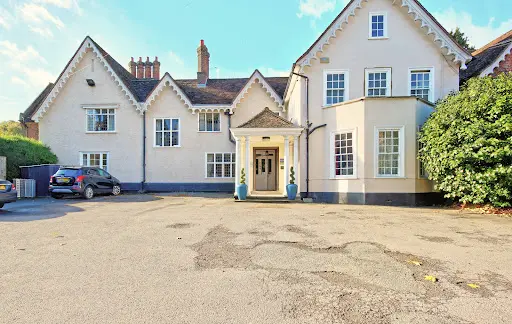
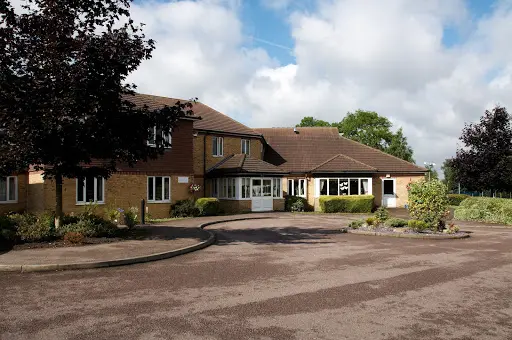
Walking through Acacia Mews Care Home in Hatfield feels different from the start — visitors often mention the genuine warmth that greets them at the door. This purpose-built home has earned a reputation for creating an environment where residents flourish, whether they're living with dementia, physical disabilities, or simply need support as they age. Families describe a palpable sense of contentment here that goes beyond good care standards.
Who they care for
The home provides specialised support for adults under 65 with physical disabilities, alongside their dementia care and general support for older residents.
Families with relatives in the dementia units speak positively about the understanding and patience shown by staff. The care approach here seems to maintain dignity while providing the specialised support needed.
“Sometimes the best measure of a care home is simply whether the people living there seem content — at Acacia Mews, that contentment is evident.”
DCC does not edit or curate content in this tab. For independently curated information, see The Evidence and DCC Verdict.
The DCC Verdict
Our editorial view, built from the three lenses: what families tell us, what inspectors record, and how the home sits against good dementia-care practice.
DCC Family Score
Acacia Mews Care Home was rated Good across all five inspection domains in January 2020, which is a positive foundation. However, the published inspection report contains limited specific detail, meaning scores reflect confirmed Good ratings rather than rich, observable evidence.
Homes in East typically score 68–82.The three-lens summary
What families tell us
The atmosphere strikes visitors immediately — residents engaged in activities throughout the day, genuine smiles during mealtimes, and a general buzz of contentment. Families with loved ones in the dementia unit speak of seeing their relatives treated with real dignity and understanding. Healthcare professionals who visit regularly note how residents seem genuinely happy here, not just well-cared for.
What inspectors have recorded
Staff here demonstrate the kind of attentiveness that makes all the difference — responding quickly to residents' needs while still having time for a chat or a laugh. Families appreciate how approachable the team is, whether they're updating on their loved one's care or just making sure visitors feel welcome. Even professionals who work across multiple homes comment on the notably engaged and caring approach they see here.
How it sits against good practice
Sometimes the best measure of a care home is simply whether the people living there seem content — at Acacia Mews, that contentment is evident.
Worth a visit
Acacia Mews Care Home on St Albans Road East in Hatfield was rated Good across all five inspection domains when inspectors visited in January 2020. The home supports up to 68 people, including those living with dementia, physical disabilities, and adults under 65, which is a relatively broad range of needs for a residential home. A named Registered Manager and Nominated Individual were confirmed in post, and the Good Well-led rating suggests the home had a functioning leadership structure at the time of inspection. The most important caution for your decision is the age of these findings: the inspection took place in January 2020, more than five years ago, and a monitoring review in July 2023 found no reason to change the rating but did not constitute a full re-inspection. A lot can change in five years, including staffing, management, occupancy, and culture. When you visit, ask to see the most recent staffing rota, ask whether the Registered Manager named in the 2020 report is still in post, and ask how the home has changed since the inspection. The watch-out questions in each section below will help you fill the gaps the published findings leave open.
The three questions to ask when you visitSave this home. Compare it against your shortlist.
Let our analysis show you how Acacia Mews Care Home – Avery Healthcare measures up against the other homes you’re considering. Free account.
In Their Own Words
How Acacia Mews Care Home – Avery Healthcare describes itself — collected from its own website. DCC has not edited or independently verified the content in this tab.
Where warmth and skilled care create genuine happiness
Acacia Mews Care Home – Expert Care in Hatfield
Walking through Acacia Mews Care Home in Hatfield feels different from the start — visitors often mention the genuine warmth that greets them at the door. This purpose-built home has earned a reputation for creating an environment where residents flourish, whether they're living with dementia, physical disabilities, or simply need support as they age. Families describe a palpable sense of contentment here that goes beyond good care standards.
Who they care for
The home provides specialised support for adults under 65 with physical disabilities, alongside their dementia care and general support for older residents.
Families with relatives in the dementia units speak positively about the understanding and patience shown by staff. The care approach here seems to maintain dignity while providing the specialised support needed.
Management & ethos
Staff here demonstrate the kind of attentiveness that makes all the difference — responding quickly to residents' needs while still having time for a chat or a laugh. Families appreciate how approachable the team is, whether they're updating on their loved one's care or just making sure visitors feel welcome. Even professionals who work across multiple homes comment on the notably engaged and caring approach they see here.
The home & environment
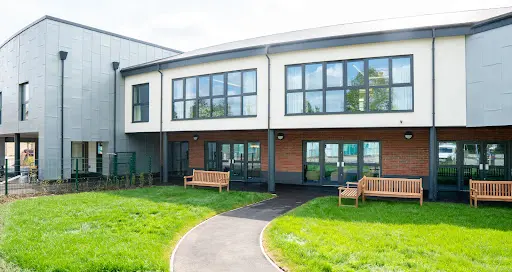
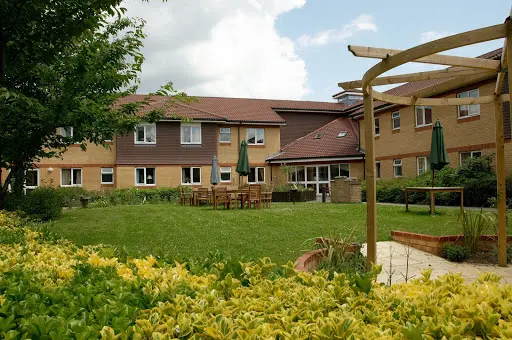
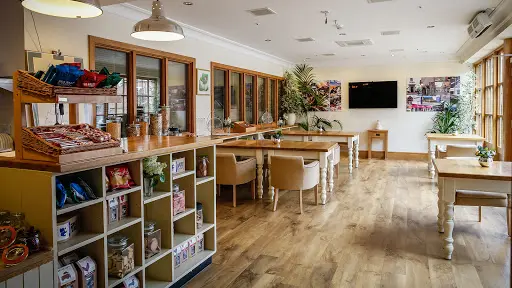
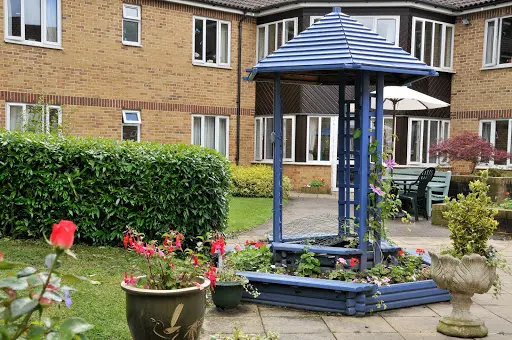
The home maintains exceptional standards that visitors notice straight away — from the spotless communal areas to the thoughtfully decorated lounges where residents gather. The kitchen draws particular praise, with families impressed by both the quality of meals and the care taken in presentation. The purpose-built layout works well too, creating comfortable spaces where residents can socialise or find quiet moments.
“Sometimes the best measure of a care home is simply whether the people living there seem content — at Acacia Mews, that contentment is evident.”
DCC does not edit or curate content in this tab. For independently curated information, see The Evidence and DCC Verdict.