The Chase
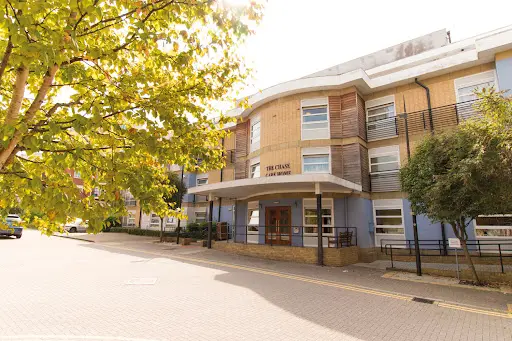
At a Glance
The information you need to decide whether this home warrants a closer look.
Nursing homes
Staff warmth score
of reviewers answered yes
Good to know
- Registered beds110
- SpecialismsCaring for adults over 65 yrs, Caring for adults under 65 yrs, Dementia
- Last inspected2021-09-09
Save The Chase to your shortlist
Keep a running list, add visit notes, and compare homes side-by-side. Free account — it takes a minute.
STAGE 4 — RESEARCHING CARE HOMES
Visit homes. Compare them side by side. Choose with confidence.
Most of us will view care homes the way we view houses, impression, atmosphere, the feeling in the corridor. We go home, try to remember what we saw, and make a permanent decision from a blurred memory.

The DCC shortlist gives every home you visit a structured record: the same twelve questions, answered the same way, every time. When you’re ready to choose, pull any two homes side by side and compare them directly. Same criteria, same evidence, your notes and your scores.
The Evidence
What the review data, the inspection reports, and the dementia-care evidence base tell us about this home.
What families say
Residents find their days filled with purpose through the structured activity programme. Regular bingo sessions, music events, and daily activities create natural opportunities for social connection. The atmosphere feels lively rather than institutional, with genuine engagement between staff and residents throughout the day.
The eight family priority themes
- Staff warmth72
- Compassion & dignity72
- Cleanliness70
- Activities & engagement65
- Food quality65
- Healthcare70
- Management & leadership74
- Resident happiness68
What inspectors found
Inspected 2021-09-09
Is this home safe?
Is the care effective?
The Effective domain was rated Good. This domain covers staff training, care planning, access to healthcare professionals, nutrition, and hydration. The home specialises in dementia care, which means inspectors would have considered whether staff training is adequate for that specialism. No specific examples of care plan content, GP access arrangements, dementia training programmes, or mealtime observations are recorded in the published findings.Is this home caring?
The Caring domain was rated Good. This covers how staff interact with residents, whether people are treated with dignity and respect, and whether residents feel their independence is supported. A Good rating requires inspectors to find positive evidence in these areas. The published inspection summary does not include specific observed interactions, preferred name use, or resident or relative quotes from the 2021 inspection.Is the home responsive?
The Responsive domain was rated Good. This covers how well the home tailors care to individual needs, the activities programme, and end-of-life care planning. The home's dementia specialism means inspectors would have considered whether activities are appropriate for people at different stages of dementia. The published findings do not describe specific activities, one-to-one engagement provision, or how end-of-life care is approached.Is the home well-led?
The Well-Led domain was rated Good. The home is operated by Healthcare Homes (LSC) Limited and has a named registered manager (Mrs Ana Maria Ciobotaru) and a named nominated individual (Mrs Helen Gidlow). The improvement from Requires Improvement to Good across all domains suggests that leadership took previous inspection findings seriously and made demonstrable changes. No specific information about staff culture, governance meetings, or how the management team communicates with families is included in the published findings.
Source: CQC inspection report →
What the evidence base says
The home cares for adults over 65 and under 65, with particular expertise in dementia support. Staff show genuine understanding of dementia's challenges, responding with patience when residents experience confusion or difficult behaviour. The structured daily programme helps provide the routine and stimulation that people with dementia often benefit from. All areas worth probing directly during a visit.
The DCC Verdict
Our editorial view, built from the three lenses: what families tell us, what inspectors record, and how the home sits against good dementia-care practice.
DCC Family Score
The Chase Care Centre scores 73 out of 100, reflecting a solid Good rating across all five inspection domains and a meaningful improvement from its previous Requires Improvement rating. Scores are held back by the limited specific detail available in the published inspection findings, which makes it harder to verify the day-to-day experience for your parent.
Homes in East typically score 68–82.The three-lens summary
What families tell us
Residents find their days filled with purpose through the structured activity programme. Regular bingo sessions, music events, and daily activities create natural opportunities for social connection. The atmosphere feels lively rather than institutional, with genuine engagement between staff and residents throughout the day.
What inspectors have recorded
Communication stands out as a real strength here. Families appreciate being kept informed about their relatives' condition and any changes to care plans. The open visiting policy means you can drop in whenever suits you, creating flexibility that many families value. Staff demonstrate both clinical competence and emotional intelligence in their daily work.
How it sits against good practice
Sometimes the right care home is the one where clinical expertise comes wrapped in human kindness.
Worth a visit
The Chase Care Centre, at 4 Printers Avenue, Watford, was rated Good across all five inspection domains at its last inspection in August 2021. This is a meaningful result because the home had previously been rated Requires Improvement, and moving to Good in every domain signals that the management team identified problems and addressed them. The home has 110 beds and specialises in dementia care, nursing care, and supporting both older and younger adults. The main limitation of this report is that the published inspection text is very brief and does not contain specific observations, resident quotes, or detailed evidence of day-to-day care. A Good rating is a positive foundation, but it is now nearly four years old, and the July 2023 monitoring review confirmed no reassessment was needed at that point rather than carrying out a new full inspection. Before making a decision, visit the home and ask to see the most recent staffing rota (particularly night shifts across 110 beds), how care plans are reviewed and whether families are included, and what the home's current approach to one-to-one dementia support looks like.
The three questions to ask when you visitSave this home. Compare it against your shortlist.
Let our analysis show you how The Chase measures up against the other homes you’re considering. Free account.
In Their Own Words
How The Chase describes itself — collected from its own website. DCC has not edited or independently verified the content in this tab.
Where patience meets purpose in dementia care
The Chase – Expert Care in Watford
Families searching for dementia care often worry about finding staff who truly understand the condition. The Chase Care Centre in Watford brings together clinical knowledge with genuine compassion. What stands out here isn't just the medical expertise — it's how carers maintain dignity even during the most challenging moments.
Who they care for
The home cares for adults over 65 and under 65, with particular expertise in dementia support.
Staff show genuine understanding of dementia's challenges, responding with patience when residents experience confusion or difficult behaviour. The structured daily programme helps provide the routine and stimulation that people with dementia often benefit from.
“Sometimes the right care home is the one where clinical expertise comes wrapped in human kindness.”
DCC does not edit or curate content in this tab. For independently curated information, see The Evidence and DCC Verdict.
The DCC Verdict
Our editorial view, built from the three lenses: what families tell us, what inspectors record, and how the home sits against good dementia-care practice.
DCC Family Score
The Chase Care Centre scores 73 out of 100, reflecting a solid Good rating across all five inspection domains and a meaningful improvement from its previous Requires Improvement rating. Scores are held back by the limited specific detail available in the published inspection findings, which makes it harder to verify the day-to-day experience for your parent.
Homes in East typically score 68–82.The three-lens summary
What families tell us
Residents find their days filled with purpose through the structured activity programme. Regular bingo sessions, music events, and daily activities create natural opportunities for social connection. The atmosphere feels lively rather than institutional, with genuine engagement between staff and residents throughout the day.
What inspectors have recorded
Communication stands out as a real strength here. Families appreciate being kept informed about their relatives' condition and any changes to care plans. The open visiting policy means you can drop in whenever suits you, creating flexibility that many families value. Staff demonstrate both clinical competence and emotional intelligence in their daily work.
How it sits against good practice
Sometimes the right care home is the one where clinical expertise comes wrapped in human kindness.
Worth a visit
The Chase Care Centre, at 4 Printers Avenue, Watford, was rated Good across all five inspection domains at its last inspection in August 2021. This is a meaningful result because the home had previously been rated Requires Improvement, and moving to Good in every domain signals that the management team identified problems and addressed them. The home has 110 beds and specialises in dementia care, nursing care, and supporting both older and younger adults. The main limitation of this report is that the published inspection text is very brief and does not contain specific observations, resident quotes, or detailed evidence of day-to-day care. A Good rating is a positive foundation, but it is now nearly four years old, and the July 2023 monitoring review confirmed no reassessment was needed at that point rather than carrying out a new full inspection. Before making a decision, visit the home and ask to see the most recent staffing rota (particularly night shifts across 110 beds), how care plans are reviewed and whether families are included, and what the home's current approach to one-to-one dementia support looks like.
The three questions to ask when you visitSave this home. Compare it against your shortlist.
Let our analysis show you how The Chase measures up against the other homes you’re considering. Free account.
In Their Own Words
How The Chase describes itself — collected from its own website. DCC has not edited or independently verified the content in this tab.
Where patience meets purpose in dementia care
The Chase – Expert Care in Watford
Families searching for dementia care often worry about finding staff who truly understand the condition. The Chase Care Centre in Watford brings together clinical knowledge with genuine compassion. What stands out here isn't just the medical expertise — it's how carers maintain dignity even during the most challenging moments.
Who they care for
The home cares for adults over 65 and under 65, with particular expertise in dementia support.
Staff show genuine understanding of dementia's challenges, responding with patience when residents experience confusion or difficult behaviour. The structured daily programme helps provide the routine and stimulation that people with dementia often benefit from.
Management & ethos
Communication stands out as a real strength here. Families appreciate being kept informed about their relatives' condition and any changes to care plans. The open visiting policy means you can drop in whenever suits you, creating flexibility that many families value. Staff demonstrate both clinical competence and emotional intelligence in their daily work.
The home & environment
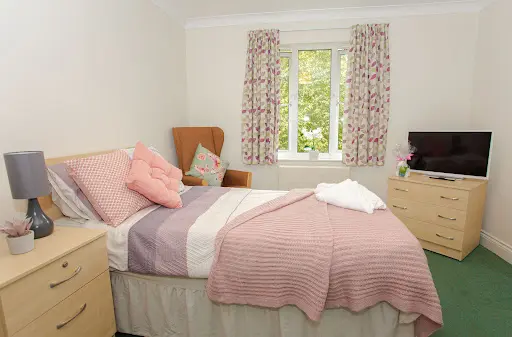
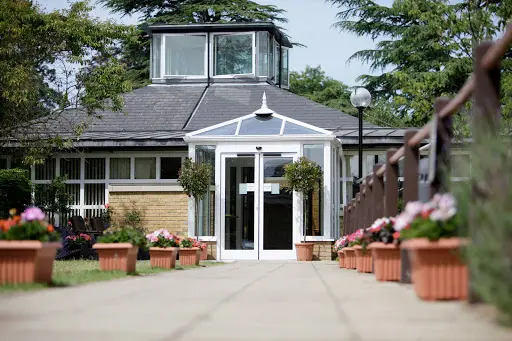
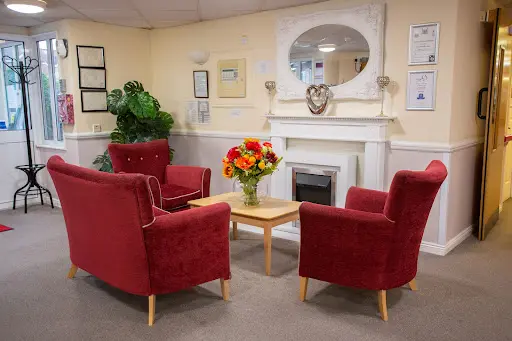
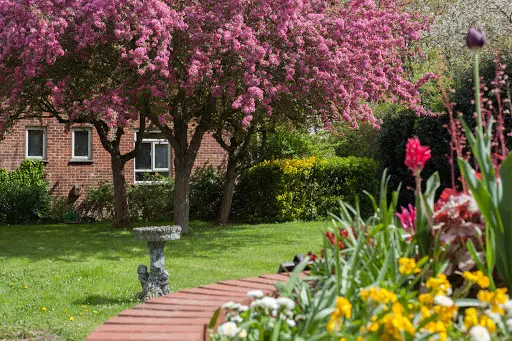
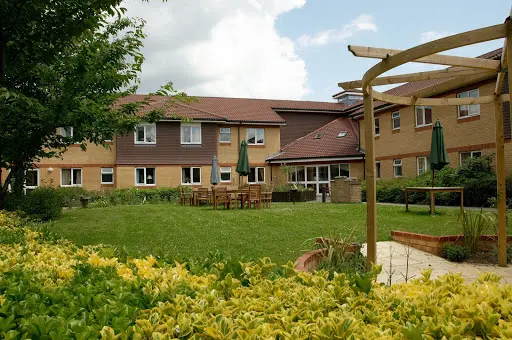
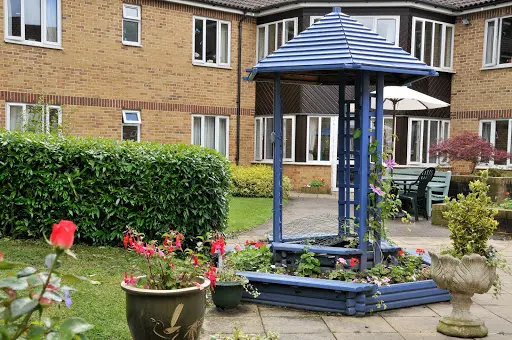
Several families have noticed significant improvements in their relatives' physical health after moving in. Weight gain and better nutritional status suggest the kitchen team understands the importance of appealing meals for older adults. The home maintains professional cleanliness standards throughout.
“Sometimes the right care home is the one where clinical expertise comes wrapped in human kindness.”
DCC does not edit or curate content in this tab. For independently curated information, see The Evidence and DCC Verdict.