Mountbatten Lodge
At a Glance
The information you need to decide whether this home warrants a closer look.
Residential homes
Staff warmth score
of reviewers answered yes
Good to know
- Registered beds60
- SpecialismsCaring for adults over 65 yrs, Caring for adults under 65 yrs, Dementia, Physical disabilities
- Last inspected2019-06-14
Save Mountbatten Lodge to your shortlist
Keep a running list, add visit notes, and compare homes side-by-side. Free account — it takes a minute.
STAGE 4 — RESEARCHING CARE HOMES
Visit homes. Compare them side by side. Choose with confidence.
Most of us will view care homes the way we view houses, impression, atmosphere, the feeling in the corridor. We go home, try to remember what we saw, and make a permanent decision from a blurred memory.

The DCC shortlist gives every home you visit a structured record: the same twelve questions, answered the same way, every time. When you’re ready to choose, pull any two homes side by side and compare them directly. Same criteria, same evidence, your notes and your scores.
The Evidence
What the review data, the inspection reports, and the dementia-care evidence base tell us about this home.
What families say
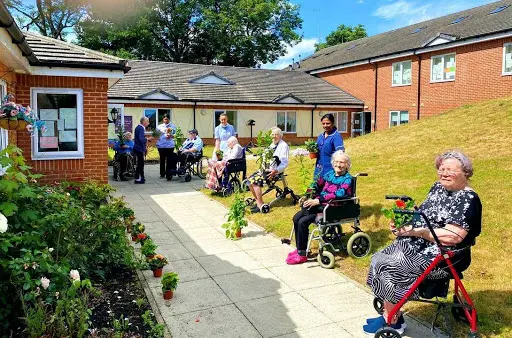
Families talk about feeling genuinely included in the life of the home, with transparent access to see how care happens day to day. The atmosphere strikes visitors as homely and calm, while residents engage in varied activities from structured programmes to community fetes that help maintain their independence.
The eight family priority themes
- Staff warmth72
- Compassion & dignity72
- Cleanliness68
- Activities & engagement82
- Food quality65
- Healthcare68
- Management & leadership70
- Resident happiness70
What inspectors found
Inspected 2019-06-14
Is this home safe?
Is the care effective?
The Effective domain was rated Good at the May 2019 inspection. This covers how well the home plans and delivers care, including training, healthcare access, nutrition, and care planning. The published summary does not include specific observations about how care plans are written or reviewed, how often GPs visit, or what dementia training staff have completed. No concerns were raised in this domain.Is this home caring?
The Caring domain was rated Good at the May 2019 inspection. This covers staff warmth, dignity, respect, and how well staff support independence. The published summary contains no specific inspector observations about staff interactions, no quotes from residents or relatives recorded during the inspection, and no detail about how privacy is maintained in practice. A Good rating here means the standard was met, but the evidence behind it is not visible in the published text.Is the home responsive?
The Responsive domain was rated Outstanding at the May 2019 inspection. This is the home's strongest result and the most meaningful finding in the published report. Outstanding is awarded only when a home clearly exceeds what is normally expected in how it tailors care and activities to individuals, responds to complaints, and meets the specific needs of each person. The home supports people with dementia, physical disabilities, and both younger and older adults. The published summary does not detail the specific features that earned this rating, but the rating itself is a significant signal.Is the home well-led?
The Well-led domain was rated Good at the May 2019 inspection. The registered manager at the time of inspection was Miss Beth Louise Hoskins, and the nominated individual was Mr Stewart Christopher Mynott. The published summary does not describe the management culture, staff morale, or how the home handles complaints and incidents in any specific detail. A Good rating means governance systems met the required standard, but nothing more can be drawn from the available text.
Source: CQC inspection report →
What the evidence base says
The home cares for adults both under and over 65 with physical disabilities, as well as providing specialist dementia support. Staff show particular skill in maintaining dignity and personhood for residents living with dementia, understanding how to respond to individual needs while keeping people engaged in meaningful activities. All areas worth probing directly during a visit.
The DCC Verdict
Our editorial view, built from the three lenses: what families tell us, what inspectors record, and how the home sits against good dementia-care practice.
DCC Family Score
Mountbatten Lodge scores well overall, with its Outstanding rating for responsiveness lifting the result, but the 2019 inspection date means there is limited specific detail available to verify many of the themes families care about most.
Homes in East typically score 68–82.The three-lens summary
What families tell us
Families talk about feeling genuinely included in the life of the home, with transparent access to see how care happens day to day. The atmosphere strikes visitors as homely and calm, while residents engage in varied activities from structured programmes to community fetes that help maintain their independence.
What inspectors have recorded
The management team stays visible and approachable, working closely with both families and external healthcare professionals. Staff demonstrate real understanding of individual residents' needs and preferences, adjusting care plans responsively when health conditions change.
How it sits against good practice
The way families describe the sensitive support during end-of-life care speaks volumes about the values that run through everything here.
Worth a visit
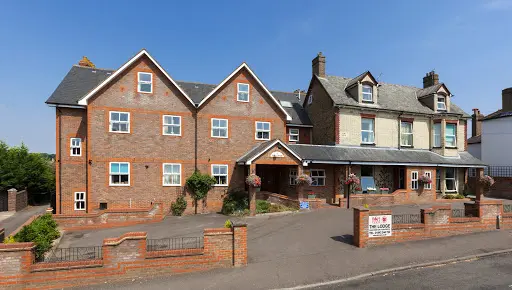
Mountbatten Lodge on Old Crabtree Lane in Hemel Hempstead was rated Good overall at its last inspection in May 2019, with an Outstanding rating for Responsive care. That Outstanding rating is significant: inspectors only award it when a home goes well beyond the standard expected, and in the Responsive domain it reflects how well the home tailors its approach to each person's individual needs, activities, and preferences. The home is run by Quantum Care Limited and supports up to 60 people, including those living with dementia and those with physical disabilities. The main uncertainty here is straightforward: the inspection took place in May 2019, which is now more than five years ago. A review in July 2023 found no evidence requiring a reassessment, but that is a monitoring check rather than a full re-inspection. A lot can change in five years, including staffing, management, and the day-to-day culture of a home. The published summary contains very little specific detail about what inspectors actually observed. Before making a decision, visit in person and ask the manager to walk you through current staffing ratios, how care plans are reviewed with families, and what a typical day looks like for a resident who cannot join group activities.
The three questions to ask when you visitSave this home. Compare it against your shortlist.
Let our analysis show you how Mountbatten Lodge measures up against the other homes you’re considering. Free account.
In Their Own Words
How Mountbatten Lodge describes itself — collected from its own website. DCC has not edited or independently verified the content in this tab.
Where dignity meets genuine warmth in Hemel Hempstead care
Compassionate Care in Hemel Hempstead at Mountbatten Lodge
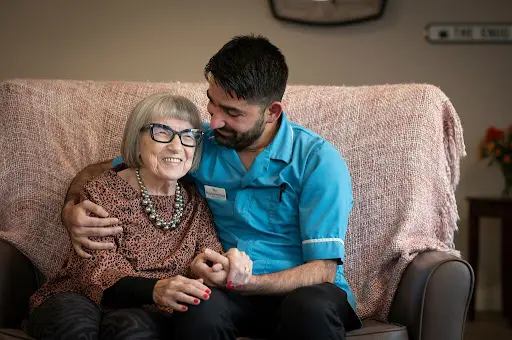
When families describe how staff treat their relatives with consistent kindness and respect, it tells you something important about the culture at Mountbatten Lodge in Hemel Hempstead East. This established care home supports adults of all ages with physical disabilities and dementia, creating an atmosphere that feels calm and domestic rather than clinical.
Who they care for
The home cares for adults both under and over 65 with physical disabilities, as well as providing specialist dementia support.
Staff show particular skill in maintaining dignity and personhood for residents living with dementia, understanding how to respond to individual needs while keeping people engaged in meaningful activities.
“The way families describe the sensitive support during end-of-life care speaks volumes about the values that run through everything here.”
DCC does not edit or curate content in this tab. For independently curated information, see The Evidence and DCC Verdict.
The DCC Verdict
Our editorial view, built from the three lenses: what families tell us, what inspectors record, and how the home sits against good dementia-care practice.
DCC Family Score
Mountbatten Lodge scores well overall, with its Outstanding rating for responsiveness lifting the result, but the 2019 inspection date means there is limited specific detail available to verify many of the themes families care about most.
Homes in East typically score 68–82.The three-lens summary
What families tell us
Families talk about feeling genuinely included in the life of the home, with transparent access to see how care happens day to day. The atmosphere strikes visitors as homely and calm, while residents engage in varied activities from structured programmes to community fetes that help maintain their independence.
What inspectors have recorded
The management team stays visible and approachable, working closely with both families and external healthcare professionals. Staff demonstrate real understanding of individual residents' needs and preferences, adjusting care plans responsively when health conditions change.
How it sits against good practice
The way families describe the sensitive support during end-of-life care speaks volumes about the values that run through everything here.
Worth a visit
Mountbatten Lodge on Old Crabtree Lane in Hemel Hempstead was rated Good overall at its last inspection in May 2019, with an Outstanding rating for Responsive care. That Outstanding rating is significant: inspectors only award it when a home goes well beyond the standard expected, and in the Responsive domain it reflects how well the home tailors its approach to each person's individual needs, activities, and preferences. The home is run by Quantum Care Limited and supports up to 60 people, including those living with dementia and those with physical disabilities. The main uncertainty here is straightforward: the inspection took place in May 2019, which is now more than five years ago. A review in July 2023 found no evidence requiring a reassessment, but that is a monitoring check rather than a full re-inspection. A lot can change in five years, including staffing, management, and the day-to-day culture of a home. The published summary contains very little specific detail about what inspectors actually observed. Before making a decision, visit in person and ask the manager to walk you through current staffing ratios, how care plans are reviewed with families, and what a typical day looks like for a resident who cannot join group activities.
The three questions to ask when you visitSave this home. Compare it against your shortlist.
Let our analysis show you how Mountbatten Lodge measures up against the other homes you’re considering. Free account.
In Their Own Words
How Mountbatten Lodge describes itself — collected from its own website. DCC has not edited or independently verified the content in this tab.
Where dignity meets genuine warmth in Hemel Hempstead care
Compassionate Care in Hemel Hempstead at Mountbatten Lodge
When families describe how staff treat their relatives with consistent kindness and respect, it tells you something important about the culture at Mountbatten Lodge in Hemel Hempstead East. This established care home supports adults of all ages with physical disabilities and dementia, creating an atmosphere that feels calm and domestic rather than clinical.
Who they care for
The home cares for adults both under and over 65 with physical disabilities, as well as providing specialist dementia support.
Staff show particular skill in maintaining dignity and personhood for residents living with dementia, understanding how to respond to individual needs while keeping people engaged in meaningful activities.
Management & ethos
The management team stays visible and approachable, working closely with both families and external healthcare professionals. Staff demonstrate real understanding of individual residents' needs and preferences, adjusting care plans responsively when health conditions change.
The home & environment
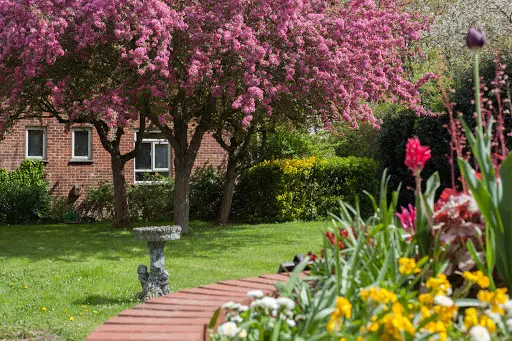
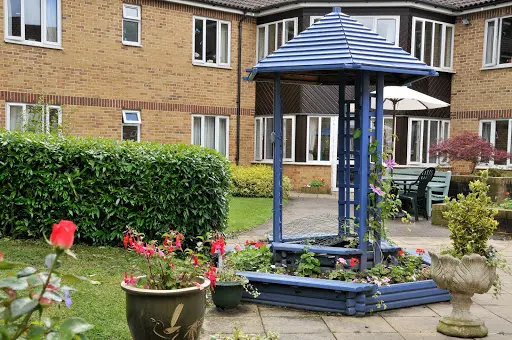
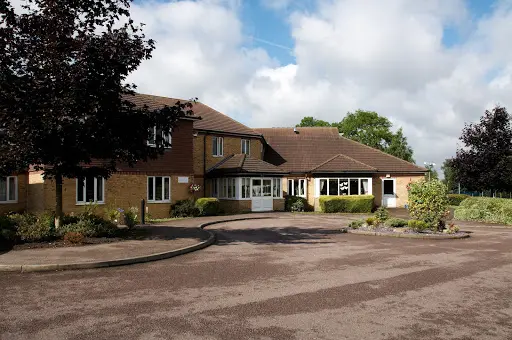
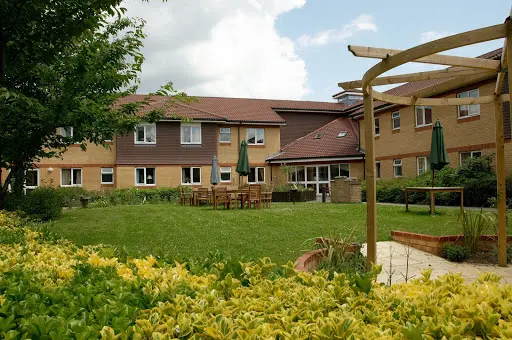
The physical environment consistently impresses visitors with its cleanliness and presentation. Rather than feeling institutional, the space has a domestic quality that helps residents feel settled, with everything kept tidy and well-maintained throughout.
“The way families describe the sensitive support during end-of-life care speaks volumes about the values that run through everything here.”
DCC does not edit or curate content in this tab. For independently curated information, see The Evidence and DCC Verdict.