Prince George Duke of Kent Court

At a Glance
The information you need to decide whether this home warrants a closer look.
Nursing homes
Staff warmth score
of reviewers answered yes
Good to know
- Registered beds74
- SpecialismsCaring for adults over 65 yrs, Caring for adults under 65 yrs, Dementia
- Last inspected2017-11-15
Save Prince George Duke of Kent Court to your shortlist
Keep a running list, add visit notes, and compare homes side-by-side. Free account — it takes a minute.
STAGE 4 — RESEARCHING CARE HOMES
Visit homes. Compare them side by side. Choose with confidence.
Most of us will view care homes the way we view houses, impression, atmosphere, the feeling in the corridor. We go home, try to remember what we saw, and make a permanent decision from a blurred memory.

The DCC shortlist gives every home you visit a structured record: the same twelve questions, answered the same way, every time. When you’re ready to choose, pull any two homes side by side and compare them directly. Same criteria, same evidence, your notes and your scores.
The Evidence
What the review data, the inspection reports, and the dementia-care evidence base tell us about this home.
What families say
Visitors regularly comment on how settled and engaged their relatives have become here. Where some residents arrived withdrawn or anxious, families now find them joining in with activities and looking forward to each day. The difference shows in small but meaningful ways — more smiles, better appetites, renewed interest in conversation.
The eight family priority themes
- Staff warmth55
- Compassion & dignity60
- Cleanliness60
- Activities & engagement55
- Food quality50
- Healthcare45
- Management & leadership65
- Resident happiness55
What inspectors found
Inspected 2017-11-15
Is this home safe?
Is the care effective?
The Effective domain was rated Requires Improvement at the January 2022 inspection. This is the domain that covers care planning, staff training, dementia-specific knowledge, healthcare coordination, and nutrition. The published summary does not describe what specific failings were identified. A monitoring review in July 2023 found no evidence requiring a change to the overall Good rating, but this does not confirm the Effective domain has been re-inspected or upgraded. This rating is the most significant concern in the published record for families considering this home for a parent with dementia.Is this home caring?
The Caring domain was rated Good at the January 2022 inspection. This domain covers staff warmth, dignity, respect, and whether your parent's independence is supported. The published summary does not include specific inspector observations or resident and family quotes to illustrate what Good caring looks like in practice at this home. A Good rating here indicates inspectors were satisfied with what they found, but the level of detail available is limited.Is the home responsive?
The Responsive domain was rated Good at the January 2022 inspection. This domain covers whether the home tailors daily life to individual preferences, whether activities are meaningful, and whether the home responds to complaints and changing needs. The published summary provides no specific detail about the activity programme, individual engagement for people with advanced dementia, or how the home handles complaints. A Good rating indicates inspectors were broadly satisfied.Is the home well-led?
The Well-Led domain was rated Good at the January 2022 inspection. The home has a named registered manager (Miss Nina Stephens) and a nominated individual (Mr Russell Evans) from the operating organisation, The Royal Masonic Benevolent Institution Care Company. Well-Led covers the culture of the home, whether staff feel supported and can raise concerns, and whether governance systems identify and act on problems. The published summary does not include detail on manager tenure, staff survey findings, or specific governance mechanisms.
Source: CQC inspection report →
What the evidence base says
The home provides care for adults both under and over 65, with particular expertise in dementia support. For residents living with dementia, the recently strengthened specialist team provides focused support. The home's approach helps residents maintain their sense of self while ensuring they receive the specific care their condition requires. All areas worth probing directly during a visit.
The DCC Verdict
Our editorial view, built from the three lenses: what families tell us, what inspectors record, and how the home sits against good dementia-care practice.
DCC Family Score
The home holds a Good overall rating, but the Requires Improvement in Effective (which covers training, care plans, healthcare, and food) pulls the family score down. There is not enough specific inspection detail in the published findings to give high confidence across most themes.
Homes in London typically score 68–82.The three-lens summary
What families tell us
Visitors regularly comment on how settled and engaged their relatives have become here. Where some residents arrived withdrawn or anxious, families now find them joining in with activities and looking forward to each day. The difference shows in small but meaningful ways — more smiles, better appetites, renewed interest in conversation.
What inspectors have recorded
The staff here draw particular praise for their thoughtful, responsive approach to each resident's needs. Families describe carers who notice the small things and adapt their care accordingly. Recent improvements to the dementia team structure show the home's commitment to strengthening their specialist support.
How it sits against good practice
What matters most here seems to be understanding each resident as an individual — and that shows in the contentment families see when they visit.
Worth a visit
Prince George Duke of Kent Court, in Chislehurst, was rated Good overall at its last inspection in January 2022, with Good ratings in Safe, Caring, Responsive, and Well-Led. The home is run by The Royal Masonic Benevolent Institution Care Company and specialises in nursing care for older adults and people living with dementia. One domain, Effective, was rated Requires Improvement at that inspection, which covers training, care plans, healthcare coordination, and nutrition. A monitoring review in July 2023 found no evidence requiring a reassessment of the rating, meaning the Good overall rating remains current. The published inspection summary is limited in specific detail, so it is difficult to assess the quality of daily life from the written record alone. The Requires Improvement in Effective is the most important area to probe before you commit to a placement. Ask specifically about care plan quality, how often plans are reviewed, what dementia training staff have completed since 2022, and how healthcare professionals such as GPs and community nurses are coordinated. On your visit, watch for unhurried staff interactions, note whether residents appear settled and engaged, and ask to speak with the registered manager about what has changed since the Effective rating was flagged.
The three questions to ask when you visitSave this home. Compare it against your shortlist.
Let our analysis show you how Prince George Duke of Kent Court measures up against the other homes you’re considering. Free account.
In Their Own Words
How Prince George Duke of Kent Court describes itself — collected from its own website. DCC has not edited or independently verified the content in this tab.
Where residents rediscover happiness and families find reassurance
Nursing home in Chislehurst: True Peace of Mind
Families visiting Prince George Duke of Kent Court in Chislehurst often mention the same thing — how much happier their loved ones seem since moving in. This care home brings together thoughtful staff and engaging daily routines to create an environment where residents genuinely thrive. Located in this leafy corner of London, the home has built its reputation on consistent, attentive care.
Who they care for
The home provides care for adults both under and over 65, with particular expertise in dementia support.
For residents living with dementia, the recently strengthened specialist team provides focused support. The home's approach helps residents maintain their sense of self while ensuring they receive the specific care their condition requires.
“What matters most here seems to be understanding each resident as an individual — and that shows in the contentment families see when they visit.”
DCC does not edit or curate content in this tab. For independently curated information, see The Evidence and DCC Verdict.
The DCC Verdict
Our editorial view, built from the three lenses: what families tell us, what inspectors record, and how the home sits against good dementia-care practice.
DCC Family Score
The home holds a Good overall rating, but the Requires Improvement in Effective (which covers training, care plans, healthcare, and food) pulls the family score down. There is not enough specific inspection detail in the published findings to give high confidence across most themes.
Homes in London typically score 68–82.The three-lens summary
What families tell us
Visitors regularly comment on how settled and engaged their relatives have become here. Where some residents arrived withdrawn or anxious, families now find them joining in with activities and looking forward to each day. The difference shows in small but meaningful ways — more smiles, better appetites, renewed interest in conversation.
What inspectors have recorded
The staff here draw particular praise for their thoughtful, responsive approach to each resident's needs. Families describe carers who notice the small things and adapt their care accordingly. Recent improvements to the dementia team structure show the home's commitment to strengthening their specialist support.
How it sits against good practice
What matters most here seems to be understanding each resident as an individual — and that shows in the contentment families see when they visit.
Worth a visit
Prince George Duke of Kent Court, in Chislehurst, was rated Good overall at its last inspection in January 2022, with Good ratings in Safe, Caring, Responsive, and Well-Led. The home is run by The Royal Masonic Benevolent Institution Care Company and specialises in nursing care for older adults and people living with dementia. One domain, Effective, was rated Requires Improvement at that inspection, which covers training, care plans, healthcare coordination, and nutrition. A monitoring review in July 2023 found no evidence requiring a reassessment of the rating, meaning the Good overall rating remains current. The published inspection summary is limited in specific detail, so it is difficult to assess the quality of daily life from the written record alone. The Requires Improvement in Effective is the most important area to probe before you commit to a placement. Ask specifically about care plan quality, how often plans are reviewed, what dementia training staff have completed since 2022, and how healthcare professionals such as GPs and community nurses are coordinated. On your visit, watch for unhurried staff interactions, note whether residents appear settled and engaged, and ask to speak with the registered manager about what has changed since the Effective rating was flagged.
The three questions to ask when you visitSave this home. Compare it against your shortlist.
Let our analysis show you how Prince George Duke of Kent Court measures up against the other homes you’re considering. Free account.
In Their Own Words
How Prince George Duke of Kent Court describes itself — collected from its own website. DCC has not edited or independently verified the content in this tab.
Where residents rediscover happiness and families find reassurance
Nursing home in Chislehurst: True Peace of Mind
Families visiting Prince George Duke of Kent Court in Chislehurst often mention the same thing — how much happier their loved ones seem since moving in. This care home brings together thoughtful staff and engaging daily routines to create an environment where residents genuinely thrive. Located in this leafy corner of London, the home has built its reputation on consistent, attentive care.
Who they care for
The home provides care for adults both under and over 65, with particular expertise in dementia support.
For residents living with dementia, the recently strengthened specialist team provides focused support. The home's approach helps residents maintain their sense of self while ensuring they receive the specific care their condition requires.
Management & ethos
The staff here draw particular praise for their thoughtful, responsive approach to each resident's needs. Families describe carers who notice the small things and adapt their care accordingly. Recent improvements to the dementia team structure show the home's commitment to strengthening their specialist support.
The home & environment
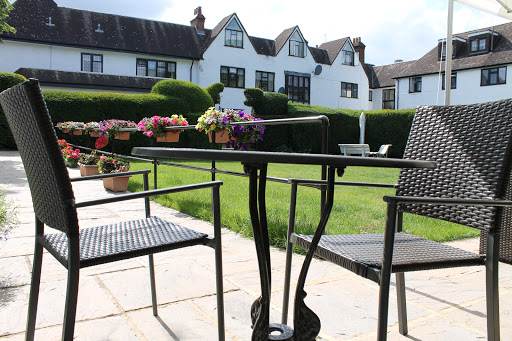
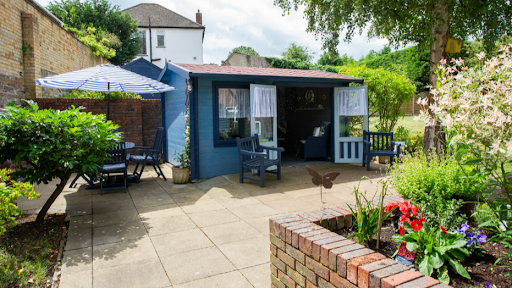
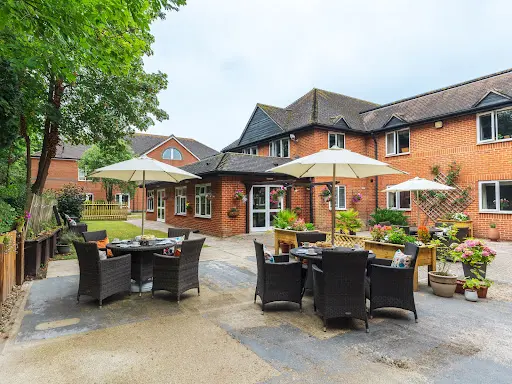
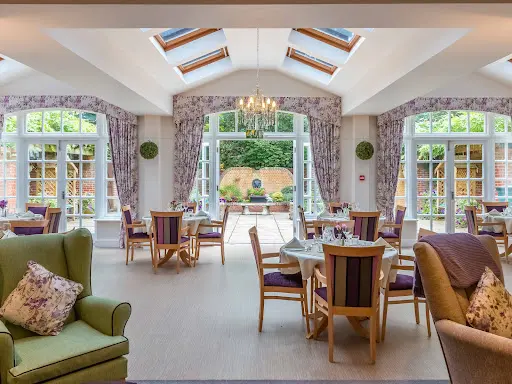
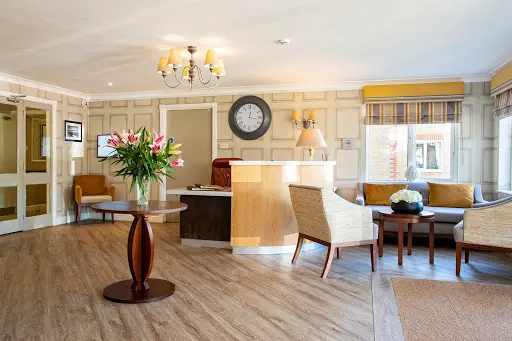
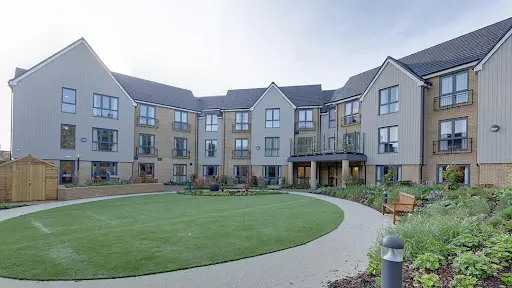
Entertainment and social activities form a regular part of life here, with families noting how much their loved ones enjoy the variety on offer. The home maintains the kind of environment where residents want to spend time in communal areas rather than staying in their rooms.
“What matters most here seems to be understanding each resident as an individual — and that shows in the contentment families see when they visit.”
DCC does not edit or curate content in this tab. For independently curated information, see The Evidence and DCC Verdict.