Pranam Care Centre – DMP Healthcare
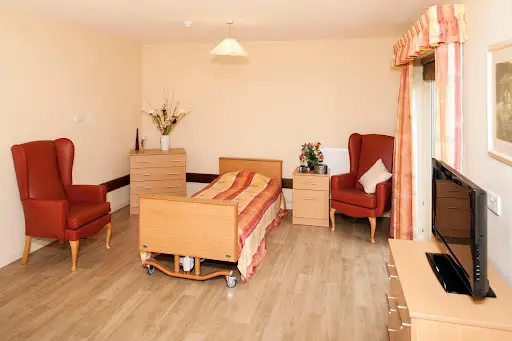
At a Glance
The information you need to decide whether this home warrants a closer look.
Residential homes
Staff warmth score
of reviewers answered yes
Good to know
- Registered beds51
- SpecialismsCaring for adults over 65 yrs, Caring for adults under 65 yrs, Dementia, Mental health conditions, Physical disabilities, Sensory impairment
- Last inspected2023-01-05
Save Pranam Care Centre – DMP Healthcare to your shortlist
Keep a running list, add visit notes, and compare homes side-by-side. Free account — it takes a minute.
STAGE 4 — RESEARCHING CARE HOMES
Visit homes. Compare them side by side. Choose with confidence.
Most of us will view care homes the way we view houses, impression, atmosphere, the feeling in the corridor. We go home, try to remember what we saw, and make a permanent decision from a blurred memory.

The DCC shortlist gives every home you visit a structured record: the same twelve questions, answered the same way, every time. When you’re ready to choose, pull any two homes side by side and compare them directly. Same criteria, same evidence, your notes and your scores.
The Evidence
What the review data, the inspection reports, and the dementia-care evidence base tell us about this home.
What families say
Family members describe the staff as approachable and warm during what can be an overwhelming time. The team appears to understand that moving into care affects the whole family, not just the resident. Some visitors have particularly noted how easy staff are to talk to when they have questions or concerns.
The eight family priority themes
- Staff warmth70
- Compassion & dignity70
- Cleanliness70
- Activities & engagement65
- Food quality65
- Healthcare70
- Management & leadership72
- Resident happiness68
What inspectors found
Inspected 2023-01-05
Is this home safe?
Is the care effective?
Pranam Care Centre was rated Good for Effective at its June 2024 inspection. This domain covers training, care planning, healthcare access, and nutrition. The published summary does not include specific examples of dementia training content, GP access arrangements, or how care plans are written and reviewed. The home lists Dementia as a specialism alongside mental health conditions, physical disabilities, and sensory impairment, which implies staff are expected to hold relevant skills across a broad range of needs. No effectiveness concerns are flagged in the domain rating.Is this home caring?
Pranam Care Centre was rated Good for Caring at its June 2024 inspection. This is the domain most directly linked to how staff treat the people who live here day to day. The published summary does not include direct quotes from residents or relatives, nor does it describe specific observations of staff interactions such as use of preferred names, pace of care, or response to distress. No concerns about dignity or respect are flagged. The home supports people with a wide range of needs, including dementia and mental health conditions, where skilled, patient communication is particularly important.Is the home responsive?
Pranam Care Centre was rated Good for Responsive at its June 2024 inspection. This domain covers activities, individual engagement, and how well the home adapts to each person's preferences and needs. The published summary does not describe specific activity programmes, name an activities coordinator, or indicate whether people who cannot join group activities receive one-to-one engagement. The home supports people with dementia, physical disabilities, and sensory impairment, all of whom may need tailored rather than standard group-based activities. No responsiveness concerns are flagged.Is the home well-led?
Pranam Care Centre was rated Good for Well-led at its June 2024 inspection, having previously held an Inadequate overall rating. The home has a named Registered Manager, Ms Janice Veronica McKenzie, and a Nominated Individual, Mr Gelu Lucian Balog. The published summary does not describe management visibility, governance systems, how staff are supported to raise concerns, or how the home tracks and learns from incidents. The improvement from Inadequate to Good across all domains is itself a leadership achievement, but the published text does not explain what specific changes drove that improvement.
Source: CQC inspection report →
What the evidence base says
The home cares for adults of all ages with various needs, including physical disabilities, sensory impairments, and mental health conditions. They also support people living with dementia. For residents with dementia, the activity coordinator focuses on creating meaningful engagement opportunities. The staff team includes those experienced in supporting people through different stages of their dementia journey. All areas worth probing directly during a visit.
The DCC Verdict
Our editorial view, built from the three lenses: what families tell us, what inspectors record, and how the home sits against good dementia-care practice.
DCC Family Score
Pranam Care Centre scores 72 out of 100, reflecting a home that has made meaningful progress from Inadequate to Good across all five inspection domains, though the published report provides limited specific detail to move scores higher with confidence.
Homes in London typically score 68–82.The three-lens summary
What families tell us
Family members describe the staff as approachable and warm during what can be an overwhelming time. The team appears to understand that moving into care affects the whole family, not just the resident. Some visitors have particularly noted how easy staff are to talk to when they have questions or concerns.
What inspectors have recorded
The management team, including an experienced manager and deputy, provides support through the admission process. Several family members have found them helpful in navigating the practical and emotional aspects of settling a loved one into care.
How it sits against good practice
If you're considering Pranam for someone you love, visiting during activity time might give you a sense of how residents spend their days together.
Worth a visit
Pranam Care Centre, at 49-53 Northcote Avenue, Southall, was rated Good across all five inspection domains at its most recent assessment in June 2024, with the report published in September 2024. This represents a significant improvement from its previous Inadequate rating, which is an important positive signal. The home supports 51 people across a range of needs, including dementia, mental health conditions, physical disabilities, and sensory impairment, and carries a named Registered Manager and Nominated Individual. The main limitation of this report for families is that the published summary is very brief. All domain ratings are Good, but the text does not include the direct observations, resident or family quotes, or specific practice examples that would normally allow a fuller picture. Before visiting, prepare a list of specific questions: ask to see the actual staffing rota for a recent week (including nights), ask how many permanent staff work on the dementia unit, ask when your parent's care plan would be reviewed and who would be involved, and observe how staff interact with people in communal areas when they do not know they are being watched.
The three questions to ask when you visitSave this home. Compare it against your shortlist.
Let our analysis show you how Pranam Care Centre – DMP Healthcare measures up against the other homes you’re considering. Free account.
In Their Own Words
How Pranam Care Centre – DMP Healthcare describes itself — collected from its own website. DCC has not edited or independently verified the content in this tab.
Supportive transitions and engaging activities in diverse Southall community
Compassionate Care in Southall at Pranam Care Centre
Families navigating the move to residential care often find comfort in staff who understand the emotional weight of the transition. Pranam Care Centre in Southall welcomes residents with diverse needs, from younger adults with physical disabilities to those living with dementia. The home's activity coordinator works to create opportunities for residents to connect and engage with each other.
Who they care for
The home cares for adults of all ages with various needs, including physical disabilities, sensory impairments, and mental health conditions. They also support people living with dementia.
For residents with dementia, the activity coordinator focuses on creating meaningful engagement opportunities. The staff team includes those experienced in supporting people through different stages of their dementia journey.
“If you're considering Pranam for someone you love, visiting during activity time might give you a sense of how residents spend their days together.”
DCC does not edit or curate content in this tab. For independently curated information, see The Evidence and DCC Verdict.
The DCC Verdict
Our editorial view, built from the three lenses: what families tell us, what inspectors record, and how the home sits against good dementia-care practice.
DCC Family Score
Pranam Care Centre scores 72 out of 100, reflecting a home that has made meaningful progress from Inadequate to Good across all five inspection domains, though the published report provides limited specific detail to move scores higher with confidence.
Homes in London typically score 68–82.The three-lens summary
What families tell us
Family members describe the staff as approachable and warm during what can be an overwhelming time. The team appears to understand that moving into care affects the whole family, not just the resident. Some visitors have particularly noted how easy staff are to talk to when they have questions or concerns.
What inspectors have recorded
The management team, including an experienced manager and deputy, provides support through the admission process. Several family members have found them helpful in navigating the practical and emotional aspects of settling a loved one into care.
How it sits against good practice
If you're considering Pranam for someone you love, visiting during activity time might give you a sense of how residents spend their days together.
Worth a visit
Pranam Care Centre, at 49-53 Northcote Avenue, Southall, was rated Good across all five inspection domains at its most recent assessment in June 2024, with the report published in September 2024. This represents a significant improvement from its previous Inadequate rating, which is an important positive signal. The home supports 51 people across a range of needs, including dementia, mental health conditions, physical disabilities, and sensory impairment, and carries a named Registered Manager and Nominated Individual. The main limitation of this report for families is that the published summary is very brief. All domain ratings are Good, but the text does not include the direct observations, resident or family quotes, or specific practice examples that would normally allow a fuller picture. Before visiting, prepare a list of specific questions: ask to see the actual staffing rota for a recent week (including nights), ask how many permanent staff work on the dementia unit, ask when your parent's care plan would be reviewed and who would be involved, and observe how staff interact with people in communal areas when they do not know they are being watched.
The three questions to ask when you visitSave this home. Compare it against your shortlist.
Let our analysis show you how Pranam Care Centre – DMP Healthcare measures up against the other homes you’re considering. Free account.
In Their Own Words
How Pranam Care Centre – DMP Healthcare describes itself — collected from its own website. DCC has not edited or independently verified the content in this tab.
Supportive transitions and engaging activities in diverse Southall community
Compassionate Care in Southall at Pranam Care Centre
Families navigating the move to residential care often find comfort in staff who understand the emotional weight of the transition. Pranam Care Centre in Southall welcomes residents with diverse needs, from younger adults with physical disabilities to those living with dementia. The home's activity coordinator works to create opportunities for residents to connect and engage with each other.
Who they care for
The home cares for adults of all ages with various needs, including physical disabilities, sensory impairments, and mental health conditions. They also support people living with dementia.
For residents with dementia, the activity coordinator focuses on creating meaningful engagement opportunities. The staff team includes those experienced in supporting people through different stages of their dementia journey.
Management & ethos
The management team, including an experienced manager and deputy, provides support through the admission process. Several family members have found them helpful in navigating the practical and emotional aspects of settling a loved one into care.
“If you're considering Pranam for someone you love, visiting during activity time might give you a sense of how residents spend their days together.”
DCC does not edit or curate content in this tab. For independently curated information, see The Evidence and DCC Verdict.