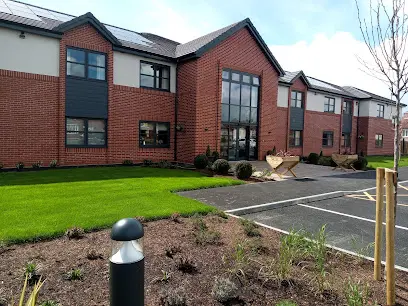
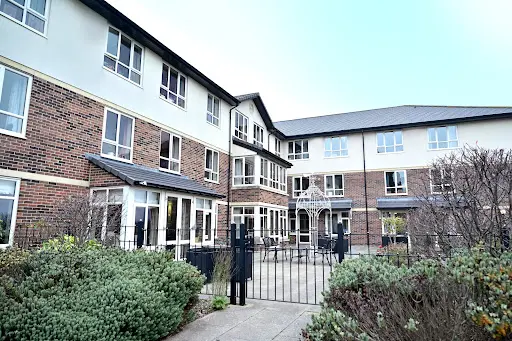
Omega Oak Barn
At a Glance
The information you need to decide whether this home warrants a closer look.
Residential homes
Staff warmth score
of reviewers answered yes
Good to know
- Registered beds28
- SpecialismsCaring for adults over 65 yrs, Dementia
- Last inspected2022-01-18
Save Omega Oak Barn to your shortlist
Keep a running list, add visit notes, and compare homes side-by-side. Free account — it takes a minute.
STAGE 4 — RESEARCHING CARE HOMES
Visit homes. Compare them side by side. Choose with confidence.
Most of us will view care homes the way we view houses, impression, atmosphere, the feeling in the corridor. We go home, try to remember what we saw, and make a permanent decision from a blurred memory.

The DCC shortlist gives every home you visit a structured record: the same twelve questions, answered the same way, every time. When you’re ready to choose, pull any two homes side by side and compare them directly. Same criteria, same evidence, your notes and your scores.
The Evidence
What the review data, the inspection reports, and the dementia-care evidence base tell us about this home.
What families say
Families talk about staff who are naturally friendly and approachable. There's a sense that the team here takes time to understand what residents need and responds willingly when help is needed.
The eight family priority themes
- Staff warmth55
- Compassion & dignity55
- Cleanliness55
- Activities & engagement50
- Food quality50
- Healthcare55
- Management & leadership65
- Resident happiness55
What inspectors found
Inspected 2022-01-18
Is this home safe?
Is the care effective?
The Effective domain was rated Good, indicating that inspectors were satisfied with training, care planning, healthcare access, and nutritional support at the time of the December 2021 inspection. The home lists dementia as a specialism, which at Good level implies some evidence of dementia-specific knowledge among staff. No specific information is available about the content of dementia training, how often care plans are reviewed, or how GP and specialist healthcare access is arranged. Food quality and mealtime support — particularly important for people living with dementia — are not described in the available report text.Is this home caring?
The Caring domain was rated Good at the December 2021 inspection. This domain covers whether staff treat your parent with warmth, respect their privacy, support their independence, and respond to them as individuals rather than as a diagnosis. No direct inspector observations, resident quotes, or family testimony are recorded in the available report text. The improvement from a previous Requires Improvement rating suggests that any concerns about care quality were addressed before the December 2021 visit. The home's dementia specialism means caring interactions — including non-verbal communication — should be a core competency.Is the home responsive?
The Responsive domain was rated Good, indicating that inspectors considered the home to be meeting residents' individual needs, providing appropriate activities, and handling complaints. No specific activities are described in the available report text, and there is no information about how engagement is tailored for residents at different stages of dementia, including those who cannot participate in group activities. End-of-life planning and complaint handling processes are not detailed. For a 28-bed dementia specialist home, individual responsiveness — particularly for residents with more advanced dementia — is a key quality indicator.Is the home well-led?
The Well-led domain was rated Good, an improvement from the previous Requires Improvement. A named registered manager, Mr Daniel Corker, is recorded alongside a nominated individual, Mr Christopher Michael Lord Bunting. The improvement trajectory suggests that governance systems, staff support, and quality monitoring were strengthened following earlier concerns. No detail about management visibility, staff culture, or how the service responds to feedback is available in the published summary. The July 2023 review confirmed no evidence requiring reassessment of the current rating.
Source: CQC inspection report →
What the evidence base says
The home provides specialist dementia care alongside general support for older adults. They're set up to care for people over 65 who need varying levels of support. For those living with dementia, the home offers dedicated support. The team understands the particular needs that come with memory loss and works to maintain dignity and comfort throughout the journey. All areas worth probing directly during a visit.
The DCC Verdict
Our editorial view, built from the three lenses: what families tell us, what inspectors record, and how the home sits against good dementia-care practice.
DCC Family Score
Omega Oak Barn has improved from Requires Improvement to Good across all five inspection domains, which is genuinely positive — but the published report contains limited specific detail, so scores reflect the rating rather than rich observed evidence.
Homes in Yorkshire & Humberside typically score 68–82.The three-lens summary
What families tell us
Families talk about staff who are naturally friendly and approachable. There's a sense that the team here takes time to understand what residents need and responds willingly when help is needed.
What inspectors have recorded
What comes across is a team that's properly attentive to residents' needs. People describe care that's consistently good, with staff who are always ready to help when asked.
How it sits against good practice
Sometimes the best measure of a care home is simply knowing that your loved one is in good hands.
Worth a visit
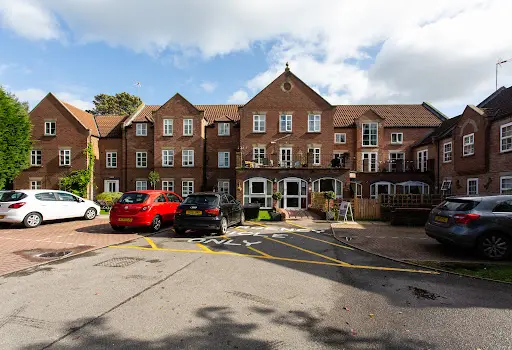
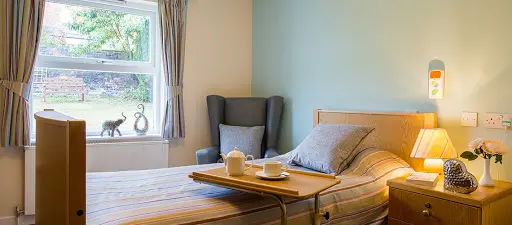
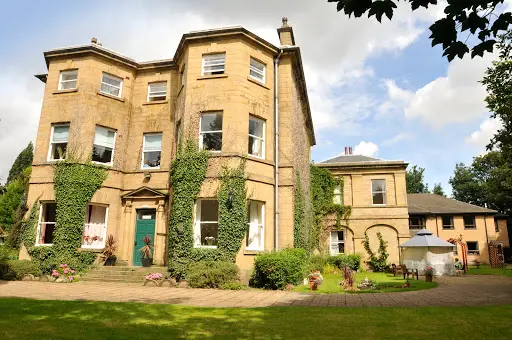
Omega Oak Barn, a 28-bed residential home in York specialising in dementia care for adults over 65, was inspected in December 2021 and rated Good across all five domains — Safe, Effective, Caring, Responsive, and Well-led. This is a meaningful improvement from a previous Requires Improvement rating, and the July 2023 review confirmed the rating remained unchanged. The home is run by Moorstone York Opco Limited with a named registered manager in post, which is a positive baseline sign. The main limitation here is the published report contains very limited descriptive detail — no direct resident or family quotes, no specific inspector observations, and no breakdown of what changed between the previous rating and this one. That means the Good rating tells you the direction of travel is positive, but you cannot rely on this report alone to judge what daily life looks and feels like for your mum or dad. Visit in person, arrive unannounced if possible, and use the checklist questions above — particularly around night staffing numbers, agency staff use, and what one-to-one engagement looks like for residents living with more advanced dementia.
The three questions to ask when you visitSave this home. Compare it against your shortlist.
Let our analysis show you how Omega Oak Barn measures up against the other homes you’re considering. Free account.
In Their Own Words
How Omega Oak Barn describes itself — collected from its own website. DCC has not edited or independently verified the content in this tab.
Where friendly staff make all the difference in York
Omega Oak Barn – Your Trusted residential home
When you're looking for care in York, sometimes it's the simple things that matter most. Omega Oak Barn has built its reputation on something refreshingly straightforward — staff who genuinely care about making residents comfortable. It's a place where helping out isn't seen as just part of the job.
Who they care for
The home provides specialist dementia care alongside general support for older adults. They're set up to care for people over 65 who need varying levels of support.
For those living with dementia, the home offers dedicated support. The team understands the particular needs that come with memory loss and works to maintain dignity and comfort throughout the journey.
“Sometimes the best measure of a care home is simply knowing that your loved one is in good hands.”
DCC does not edit or curate content in this tab. For independently curated information, see The Evidence and DCC Verdict.
The DCC Verdict
Our editorial view, built from the three lenses: what families tell us, what inspectors record, and how the home sits against good dementia-care practice.
DCC Family Score
Omega Oak Barn has improved from Requires Improvement to Good across all five inspection domains, which is genuinely positive — but the published report contains limited specific detail, so scores reflect the rating rather than rich observed evidence.
Homes in Yorkshire & Humberside typically score 68–82.The three-lens summary
What families tell us
Families talk about staff who are naturally friendly and approachable. There's a sense that the team here takes time to understand what residents need and responds willingly when help is needed.
What inspectors have recorded
What comes across is a team that's properly attentive to residents' needs. People describe care that's consistently good, with staff who are always ready to help when asked.
How it sits against good practice
Sometimes the best measure of a care home is simply knowing that your loved one is in good hands.
Worth a visit
Omega Oak Barn, a 28-bed residential home in York specialising in dementia care for adults over 65, was inspected in December 2021 and rated Good across all five domains — Safe, Effective, Caring, Responsive, and Well-led. This is a meaningful improvement from a previous Requires Improvement rating, and the July 2023 review confirmed the rating remained unchanged. The home is run by Moorstone York Opco Limited with a named registered manager in post, which is a positive baseline sign. The main limitation here is the published report contains very limited descriptive detail — no direct resident or family quotes, no specific inspector observations, and no breakdown of what changed between the previous rating and this one. That means the Good rating tells you the direction of travel is positive, but you cannot rely on this report alone to judge what daily life looks and feels like for your mum or dad. Visit in person, arrive unannounced if possible, and use the checklist questions above — particularly around night staffing numbers, agency staff use, and what one-to-one engagement looks like for residents living with more advanced dementia.
The three questions to ask when you visitSave this home. Compare it against your shortlist.
Let our analysis show you how Omega Oak Barn measures up against the other homes you’re considering. Free account.
In Their Own Words
How Omega Oak Barn describes itself — collected from its own website. DCC has not edited or independently verified the content in this tab.
Where friendly staff make all the difference in York
Omega Oak Barn – Your Trusted residential home
When you're looking for care in York, sometimes it's the simple things that matter most. Omega Oak Barn has built its reputation on something refreshingly straightforward — staff who genuinely care about making residents comfortable. It's a place where helping out isn't seen as just part of the job.
Who they care for
The home provides specialist dementia care alongside general support for older adults. They're set up to care for people over 65 who need varying levels of support.
For those living with dementia, the home offers dedicated support. The team understands the particular needs that come with memory loss and works to maintain dignity and comfort throughout the journey.
Management & ethos
What comes across is a team that's properly attentive to residents' needs. People describe care that's consistently good, with staff who are always ready to help when asked.
“Sometimes the best measure of a care home is simply knowing that your loved one is in good hands.”
DCC does not edit or curate content in this tab. For independently curated information, see The Evidence and DCC Verdict.