Amarna House Care Home

At a Glance
The information you need to decide whether this home warrants a closer look.
Residential homes
Staff warmth score
of reviewers answered yes
Good to know
- Registered beds80
- SpecialismsCaring for adults over 65 yrs, Caring for adults under 65 yrs, Dementia, Physical disabilities, Sensory impairment
- Last inspected2018-10-18
Save Amarna House Care Home to your shortlist
Keep a running list, add visit notes, and compare homes side-by-side. Free account — it takes a minute.
STAGE 4 — RESEARCHING CARE HOMES
Visit homes. Compare them side by side. Choose with confidence.
Most of us will view care homes the way we view houses, impression, atmosphere, the feeling in the corridor. We go home, try to remember what we saw, and make a permanent decision from a blurred memory.

The DCC shortlist gives every home you visit a structured record: the same twelve questions, answered the same way, every time. When you’re ready to choose, pull any two homes side by side and compare them directly. Same criteria, same evidence, your notes and your scores.
The Evidence
What the review data, the inspection reports, and the dementia-care evidence base tell us about this home.
What families say
Families visiting Amarna House often comment on how welcoming the atmosphere feels from the moment they arrive. Staff take time to chat with residents and visitors alike, creating connections that go beyond routine care tasks. The home has developed a reputation for helping residents transition smoothly from other care settings, with families particularly noting how staff communicate proactively during those crucial early weeks.
The eight family priority themes
- Staff warmth72
- Compassion & dignity72
- Cleanliness70
- Activities & engagement65
- Food quality65
- Healthcare68
- Management & leadership72
- Resident happiness70
What inspectors found
Inspected 2018-10-18
Is this home safe?
Is the care effective?
Amarna House Care Home received a Good rating for effectiveness at its September 2018 inspection. This domain covers staff training, care planning, access to healthcare professionals, and nutrition and hydration. Dementia is listed as a specialism, which means inspectors would have considered whether staff training and care approaches were appropriate for people living with dementia. No specific training content, care plan examples, GP access arrangements, or food quality details are recorded in the published findings.Is this home caring?
Amarna House Care Home received a Good rating in the Caring domain at its September 2018 inspection. This domain covers how staff treat residents day to day, including warmth, dignity, privacy, and respect for independence. No specific inspector observations about staff interactions, resident preferences, or dignity practices are included in the published findings. No resident or family quotes are recorded.Is the home responsive?
Amarna House Care Home received a Good rating in the Responsive domain at its September 2018 inspection. This domain covers how well the home tailors its care and activities to individual residents, including people with dementia, and how it handles complaints. No specific activities, individual engagement examples, or complaint-handling details are recorded in the published findings. The home supports people with dementia, physical disabilities, and sensory impairment, which means responsiveness to varied and complex needs is particularly important.Is the home well-led?
Amarna House Care Home received a Good rating for leadership at its September 2018 inspection. A named registered manager, Mrs Linda Clorinda Donnellan-Beevers, and a nominated individual, Mrs Natasha Southall, were recorded as accountable for the home at the time of inspection. The home is run by Avery Homes (Nelson) Limited. No specific examples of governance practices, staff culture, audit processes, or how the home responds to feedback are included in the published findings.
Source: CQC inspection report →
What the evidence base says
The home specialises in supporting people with dementia alongside physical disabilities and sensory impairments. They welcome both younger adults under 65 and older residents, bringing specialist knowledge to complex care situations. For residents with dementia, the staff work to create familiar routines and maintain dignity through all stages of the condition. The team's experience with dementia care shows in their patient approach and understanding of how the condition affects each person differently. All areas worth probing directly during a visit.
The DCC Verdict
Our editorial view, built from the three lenses: what families tell us, what inspectors record, and how the home sits against good dementia-care practice.
DCC Family Score
Amarna House Care Home received a Good rating across all five inspection domains in September 2018, which is a genuinely positive baseline. However, the published inspection text contains very limited specific detail, so scores reflect a confirmed Good rating rather than strong observational evidence.
Homes in Yorkshire & Humberside typically score 68–82.The three-lens summary
What families tell us
Families visiting Amarna House often comment on how welcoming the atmosphere feels from the moment they arrive. Staff take time to chat with residents and visitors alike, creating connections that go beyond routine care tasks. The home has developed a reputation for helping residents transition smoothly from other care settings, with families particularly noting how staff communicate proactively during those crucial early weeks.
What inspectors have recorded
The management team at Amarna House maintains a visible presence, with families often meeting senior staff during visits and assessments. However, some longer-term families have raised concerns about how management responds to feedback, particularly around fall prevention and staffing levels. These experiences suggest the importance of establishing clear communication expectations from the start.
How it sits against good practice
Visiting Amarna House will give you the clearest picture of whether their approach matches what your family needs.
Worth a visit
Amarna House Care Home, on Rosetta Way in York, was rated Good across all five inspection domains following an inspection in September 2018. That is a positive and consistent result for an 80-bed home that supports people living with dementia, physical disabilities, and sensory impairment alongside older and younger adults. A named registered manager and nominated individual were in post at the time of inspection, providing clear accountability at the top of the home. The main uncertainty here is straightforward: the published inspection report contains very little specific detail beyond the ratings themselves. There are no inspector observations, no resident or family quotes, and no examples of what good care looked like day to day. That means this report cannot tell you whether your parent would be warm and well-engaged, only that the inspection found no reason to mark the home down. Before you decide, visit in person during a weekday afternoon, ask to see the staffing rota for the past two weeks (including nights), and ask what one-to-one activity provision looks like for someone who cannot join group sessions.
The three questions to ask when you visitSave this home. Compare it against your shortlist.
Let our analysis show you how Amarna House Care Home measures up against the other homes you’re considering. Free account.
In Their Own Words
How Amarna House Care Home describes itself — collected from its own website. DCC has not edited or independently verified the content in this tab.
Where warmth meets expertise in specialist dementia care
Amarna House Care Home – Your Trusted residential home
Finding the right care feels overwhelming when your loved one needs specialist support. Amarna House Care Home in York brings together experienced staff who understand complex needs with a genuine warmth that helps residents settle quickly. The team here supports people with dementia, physical disabilities and sensory impairments, creating an environment where individual needs shape the care approach.
Who they care for
The home specialises in supporting people with dementia alongside physical disabilities and sensory impairments. They welcome both younger adults under 65 and older residents, bringing specialist knowledge to complex care situations.
For residents with dementia, the staff work to create familiar routines and maintain dignity through all stages of the condition. The team's experience with dementia care shows in their patient approach and understanding of how the condition affects each person differently.
“Visiting Amarna House will give you the clearest picture of whether their approach matches what your family needs.”
DCC does not edit or curate content in this tab. For independently curated information, see The Evidence and DCC Verdict.
The DCC Verdict
Our editorial view, built from the three lenses: what families tell us, what inspectors record, and how the home sits against good dementia-care practice.
DCC Family Score
Amarna House Care Home received a Good rating across all five inspection domains in September 2018, which is a genuinely positive baseline. However, the published inspection text contains very limited specific detail, so scores reflect a confirmed Good rating rather than strong observational evidence.
Homes in Yorkshire & Humberside typically score 68–82.The three-lens summary
What families tell us
Families visiting Amarna House often comment on how welcoming the atmosphere feels from the moment they arrive. Staff take time to chat with residents and visitors alike, creating connections that go beyond routine care tasks. The home has developed a reputation for helping residents transition smoothly from other care settings, with families particularly noting how staff communicate proactively during those crucial early weeks.
What inspectors have recorded
The management team at Amarna House maintains a visible presence, with families often meeting senior staff during visits and assessments. However, some longer-term families have raised concerns about how management responds to feedback, particularly around fall prevention and staffing levels. These experiences suggest the importance of establishing clear communication expectations from the start.
How it sits against good practice
Visiting Amarna House will give you the clearest picture of whether their approach matches what your family needs.
Worth a visit
Amarna House Care Home, on Rosetta Way in York, was rated Good across all five inspection domains following an inspection in September 2018. That is a positive and consistent result for an 80-bed home that supports people living with dementia, physical disabilities, and sensory impairment alongside older and younger adults. A named registered manager and nominated individual were in post at the time of inspection, providing clear accountability at the top of the home. The main uncertainty here is straightforward: the published inspection report contains very little specific detail beyond the ratings themselves. There are no inspector observations, no resident or family quotes, and no examples of what good care looked like day to day. That means this report cannot tell you whether your parent would be warm and well-engaged, only that the inspection found no reason to mark the home down. Before you decide, visit in person during a weekday afternoon, ask to see the staffing rota for the past two weeks (including nights), and ask what one-to-one activity provision looks like for someone who cannot join group sessions.
The three questions to ask when you visitSave this home. Compare it against your shortlist.
Let our analysis show you how Amarna House Care Home measures up against the other homes you’re considering. Free account.
In Their Own Words
How Amarna House Care Home describes itself — collected from its own website. DCC has not edited or independently verified the content in this tab.
Where warmth meets expertise in specialist dementia care
Amarna House Care Home – Your Trusted residential home
Finding the right care feels overwhelming when your loved one needs specialist support. Amarna House Care Home in York brings together experienced staff who understand complex needs with a genuine warmth that helps residents settle quickly. The team here supports people with dementia, physical disabilities and sensory impairments, creating an environment where individual needs shape the care approach.
Who they care for
The home specialises in supporting people with dementia alongside physical disabilities and sensory impairments. They welcome both younger adults under 65 and older residents, bringing specialist knowledge to complex care situations.
For residents with dementia, the staff work to create familiar routines and maintain dignity through all stages of the condition. The team's experience with dementia care shows in their patient approach and understanding of how the condition affects each person differently.
Management & ethos
The management team at Amarna House maintains a visible presence, with families often meeting senior staff during visits and assessments. However, some longer-term families have raised concerns about how management responds to feedback, particularly around fall prevention and staffing levels. These experiences suggest the importance of establishing clear communication expectations from the start.
The home & environment
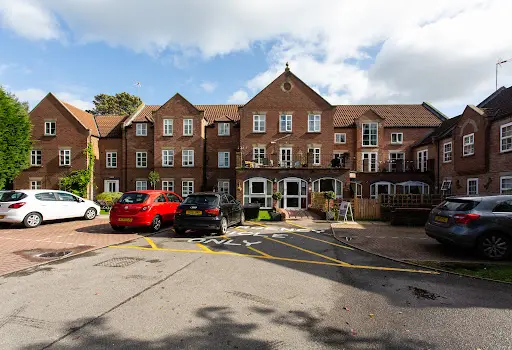
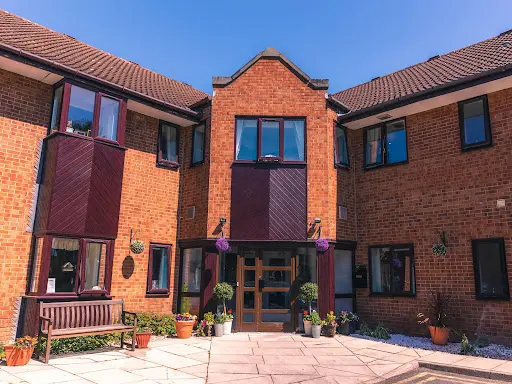
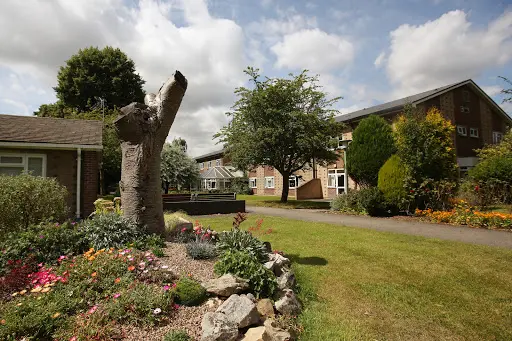
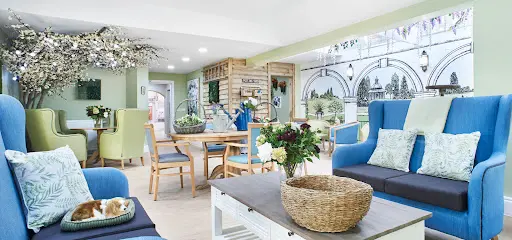
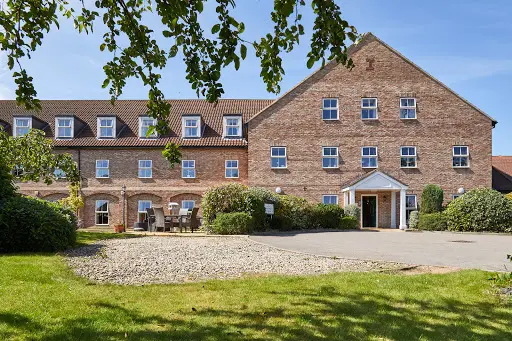
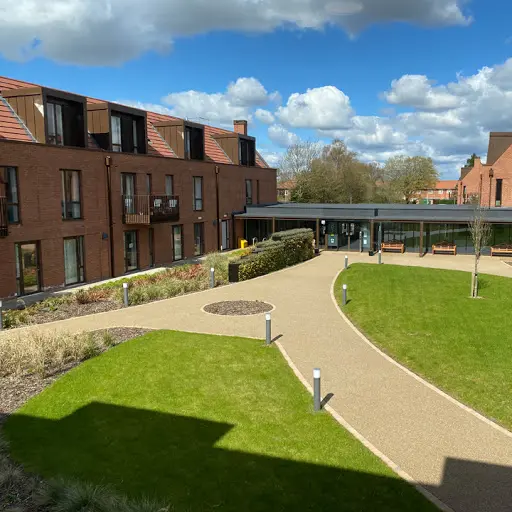
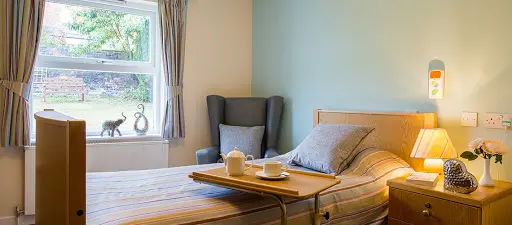
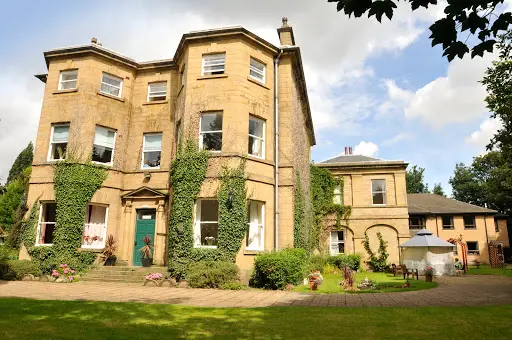
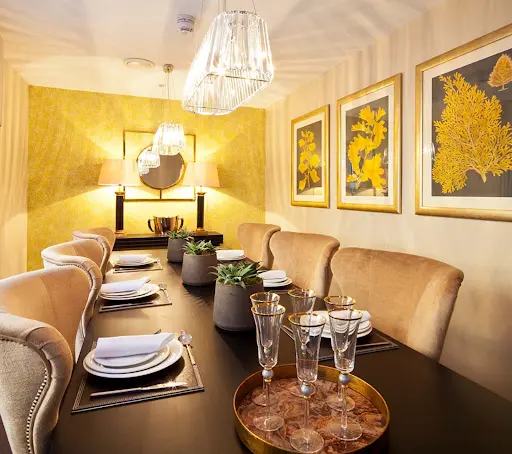
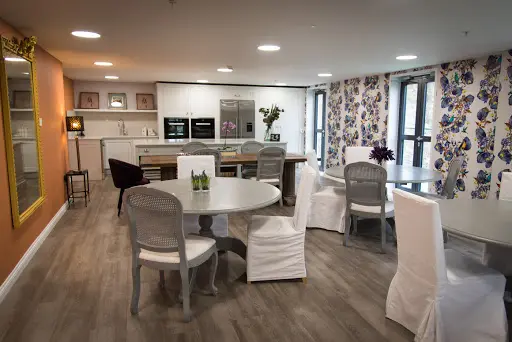
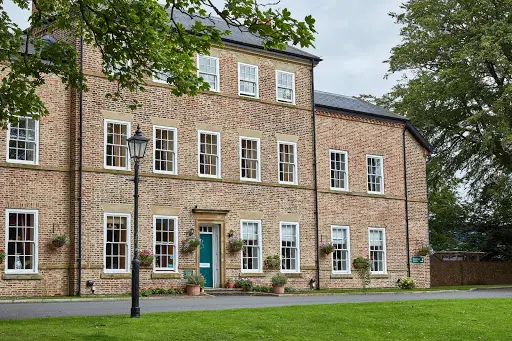
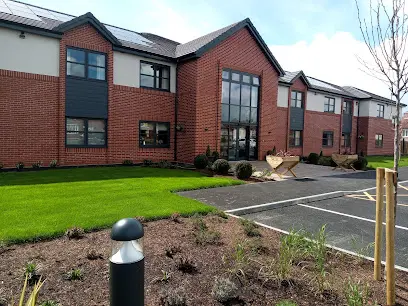
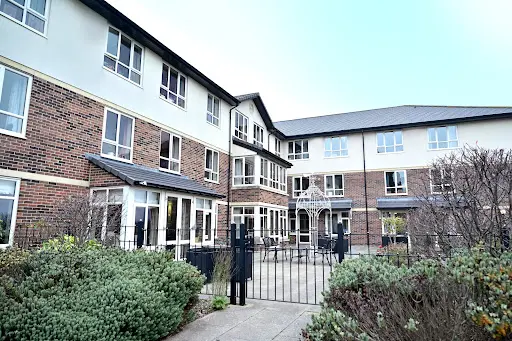
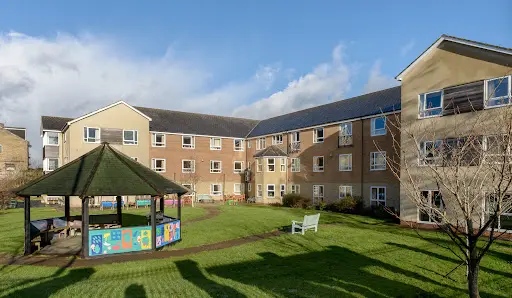
The home maintains high standards of cleanliness throughout, with spotless rooms and well-kept communal areas that create a comfortable living environment. While the physical spaces are clearly well-maintained, it's worth noting that some aspects of daily life, including meal quality, have drawn mixed feedback from families over the years.
“Visiting Amarna House will give you the clearest picture of whether their approach matches what your family needs.”
DCC does not edit or curate content in this tab. For independently curated information, see The Evidence and DCC Verdict.