Oaklands Care Home
At a Glance
The information you need to decide whether this home warrants a closer look.
Nursing homes, Residential homes
Staff warmth score
of reviewers answered yes
Good to know
- Registered beds53
- SpecialismsCaring for adults over 65 yrs, Dementia, Mental health conditions
- Last inspected2021-03-04
Save Oaklands Care Home to your shortlist
Keep a running list, add visit notes, and compare homes side-by-side. Free account — it takes a minute.
STAGE 4 — RESEARCHING CARE HOMES
Visit homes. Compare them side by side. Choose with confidence.
Most of us will view care homes the way we view houses, impression, atmosphere, the feeling in the corridor. We go home, try to remember what we saw, and make a permanent decision from a blurred memory.

The DCC shortlist gives every home you visit a structured record: the same twelve questions, answered the same way, every time. When you’re ready to choose, pull any two homes side by side and compare them directly. Same criteria, same evidence, your notes and your scores.
The Evidence
What the review data, the inspection reports, and the dementia-care evidence base tell us about this home.
What families say
Visitors often mention how residents seem truly settled here. The atmosphere feels calm and purposeful, with staff taking time to know each person individually. There's a sense that residents aren't just cared for — they're engaged in life, whether that's through planned activities or simple daily interactions.
The eight family priority themes
- Staff warmth70
- Compassion & dignity70
- Cleanliness65
- Activities & engagement55
- Food quality55
- Healthcare65
- Management & leadership45
- Resident happiness65
What inspectors found
Inspected 2021-03-04
Is this home safe?
Is the care effective?
Oaklands was rated Good for effective at the December 2020 inspection. This domain covers training, care planning, healthcare access, and nutrition. The published summary does not include specific examples of care plan content, detail about dementia training programmes, or information about how the home works with GPs and specialist services. A Good rating indicates inspectors were broadly satisfied. The home specialises in dementia and mental health conditions, which means the bar for effective care planning and staff knowledge should be high.Is this home caring?
Oaklands was rated Good for caring at the December 2020 inspection. This is the domain that most directly reflects how staff treat your parent on a daily basis, covering warmth, dignity, privacy, and respect for independence. The published summary does not include specific inspector observations of staff interactions, quotes from residents, or examples of how the home supported individual preferences. A Good rating in caring is one of the stronger positive signals an inspection can produce, but without supporting detail it is difficult to know exactly what the inspector saw.Is the home responsive?
Oaklands was rated Good for responsive at the December 2020 inspection. Responsiveness covers whether the home adapts to individual needs, provides meaningful activities, supports independence, and plans appropriately for end of life. The published summary does not include specific examples of activity programmes, details about how the home supports people with advanced dementia to remain engaged, or information about end-of-life planning practices. The home supports residents with dementia and mental health conditions, which makes responsiveness to individual need particularly important.Is the home well-led?
Oaklands was rated Requires Improvement for well-led at the December 2020 inspection. This is the one domain where inspectors were not satisfied. Well-led covers the quality of leadership, the culture within the home, whether staff feel able to speak up, and whether governance systems are effective at identifying and acting on problems. A Requires Improvement rating here means inspectors found specific shortcomings that the home needed to address. Given the home's previous Inadequate rating, this indicates that while operational care had improved sufficiently to be rated Good, the underlying leadership and governance infrastructure had not yet fully caught up. The published summary does not specify what particular leadership or governance issues were identified.
Source: CQC inspection report →
What the evidence base says
Oaklands specialises in dementia care, mental health conditions, and caring for adults over 65. They also offer respite stays, giving families a break while ensuring their loved ones receive proper care. The dementia care approach here centres on individual attention and patience. Staff work to understand what helps each person feel secure and engaged, whether through structured activities or quieter moments of connection. All areas worth probing directly during a visit.
The DCC Verdict
Our editorial view, built from the three lenses: what families tell us, what inspectors record, and how the home sits against good dementia-care practice.
DCC Family Score
Oaklands scores 72 out of 100. The home has made a significant recovery from a previous Inadequate rating, with inspectors finding Good across four of five domains. The score is held back by a Requires Improvement rating for leadership, which means there is real progress here but important questions still to answer.
Homes in East typically score 68–82.The three-lens summary
What families tell us
Visitors often mention how residents seem truly settled here. The atmosphere feels calm and purposeful, with staff taking time to know each person individually. There's a sense that residents aren't just cared for — they're engaged in life, whether that's through planned activities or simple daily interactions.
What inspectors have recorded
Staff here show the kind of patience that matters in dementia care. Families notice how team members engage genuinely with residents, not just going through motions. The recent change in leadership seems to have strengthened this approach, with care standards notably improved. While staffing levels could be fuller on some shifts, the quality of attention residents receive remains consistent.
How it sits against good practice
Sometimes the best measure of a care home is seeing your loved one content in their new routine — that's what families find at Oaklands.
Worth a visit
Oaklands, on Norwich Road in Diss, was rated Good overall at its most recent inspection in December 2020, with the report published in March 2021. This is a meaningful result because the home was previously rated Inadequate, meaning inspectors found sufficient improvement across safety, effectiveness, caring, and responsiveness to award Good in all four of those domains. For a home that has made this kind of turnaround, a Good rating represents real, measurable progress. The single significant concern is that well-led was rated Requires Improvement, meaning inspectors were not yet fully satisfied with the quality of leadership and governance. Leadership stability is one of the strongest predictors of whether a home maintains or improves its quality over time, and this rating introduces genuine uncertainty about the home's direction. The inspection is also now over three years old, which means the picture may have changed considerably. On a visit, ask to meet the registered manager, find out how long they have been in post, and ask what has changed in the home's leadership since the Requires Improvement rating was given.
The three questions to ask when you visitSave this home. Compare it against your shortlist.
Let our analysis show you how Oaklands Care Home measures up against the other homes you’re considering. Free account.
In Their Own Words
How Oaklands Care Home describes itself — collected from its own website. DCC has not edited or independently verified the content in this tab.
Where patience meets purpose in dementia care every single day
Compassionate Care in Diss at Oaklands
When dementia changes everything, finding the right care feels overwhelming. At Oaklands in Diss, families describe watching their loved ones settle into routines that bring genuine contentment. The care here focuses on understanding each person's unique needs, particularly those living with dementia.
Who they care for
Oaklands specialises in dementia care, mental health conditions, and caring for adults over 65. They also offer respite stays, giving families a break while ensuring their loved ones receive proper care.
The dementia care approach here centres on individual attention and patience. Staff work to understand what helps each person feel secure and engaged, whether through structured activities or quieter moments of connection.
“Sometimes the best measure of a care home is seeing your loved one content in their new routine — that's what families find at Oaklands.”
DCC does not edit or curate content in this tab. For independently curated information, see The Evidence and DCC Verdict.
The DCC Verdict
Our editorial view, built from the three lenses: what families tell us, what inspectors record, and how the home sits against good dementia-care practice.
DCC Family Score
Oaklands scores 72 out of 100. The home has made a significant recovery from a previous Inadequate rating, with inspectors finding Good across four of five domains. The score is held back by a Requires Improvement rating for leadership, which means there is real progress here but important questions still to answer.
Homes in East typically score 68–82.The three-lens summary
What families tell us
Visitors often mention how residents seem truly settled here. The atmosphere feels calm and purposeful, with staff taking time to know each person individually. There's a sense that residents aren't just cared for — they're engaged in life, whether that's through planned activities or simple daily interactions.
What inspectors have recorded
Staff here show the kind of patience that matters in dementia care. Families notice how team members engage genuinely with residents, not just going through motions. The recent change in leadership seems to have strengthened this approach, with care standards notably improved. While staffing levels could be fuller on some shifts, the quality of attention residents receive remains consistent.
How it sits against good practice
Sometimes the best measure of a care home is seeing your loved one content in their new routine — that's what families find at Oaklands.
Worth a visit
Oaklands, on Norwich Road in Diss, was rated Good overall at its most recent inspection in December 2020, with the report published in March 2021. This is a meaningful result because the home was previously rated Inadequate, meaning inspectors found sufficient improvement across safety, effectiveness, caring, and responsiveness to award Good in all four of those domains. For a home that has made this kind of turnaround, a Good rating represents real, measurable progress. The single significant concern is that well-led was rated Requires Improvement, meaning inspectors were not yet fully satisfied with the quality of leadership and governance. Leadership stability is one of the strongest predictors of whether a home maintains or improves its quality over time, and this rating introduces genuine uncertainty about the home's direction. The inspection is also now over three years old, which means the picture may have changed considerably. On a visit, ask to meet the registered manager, find out how long they have been in post, and ask what has changed in the home's leadership since the Requires Improvement rating was given.
The three questions to ask when you visitSave this home. Compare it against your shortlist.
Let our analysis show you how Oaklands Care Home measures up against the other homes you’re considering. Free account.
In Their Own Words
How Oaklands Care Home describes itself — collected from its own website. DCC has not edited or independently verified the content in this tab.
Where patience meets purpose in dementia care every single day
Compassionate Care in Diss at Oaklands
When dementia changes everything, finding the right care feels overwhelming. At Oaklands in Diss, families describe watching their loved ones settle into routines that bring genuine contentment. The care here focuses on understanding each person's unique needs, particularly those living with dementia.
Who they care for
Oaklands specialises in dementia care, mental health conditions, and caring for adults over 65. They also offer respite stays, giving families a break while ensuring their loved ones receive proper care.
The dementia care approach here centres on individual attention and patience. Staff work to understand what helps each person feel secure and engaged, whether through structured activities or quieter moments of connection.
Management & ethos
Staff here show the kind of patience that matters in dementia care. Families notice how team members engage genuinely with residents, not just going through motions. The recent change in leadership seems to have strengthened this approach, with care standards notably improved. While staffing levels could be fuller on some shifts, the quality of attention residents receive remains consistent.
The home & environment
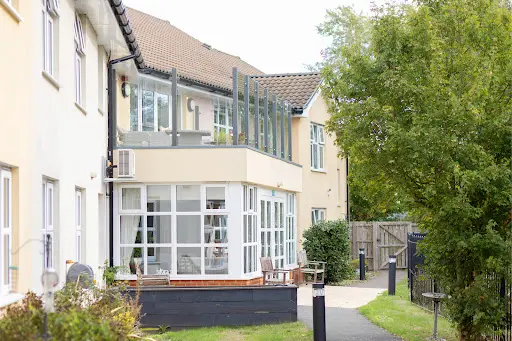
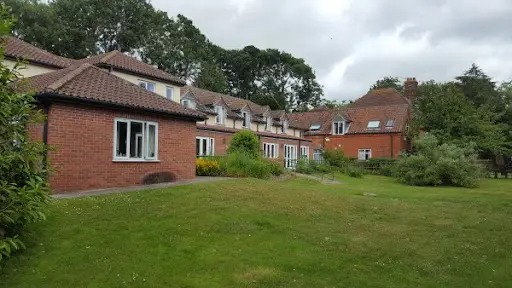
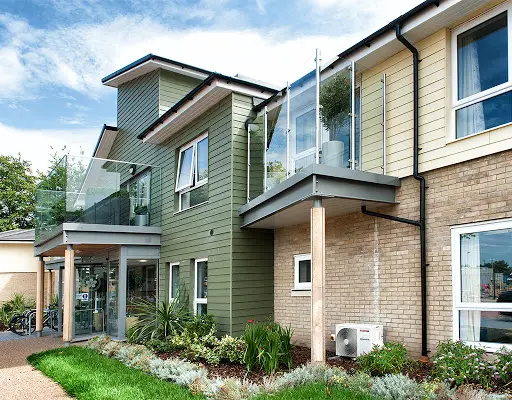
The gardens at Oaklands get plenty of use, giving residents proper outdoor space to enjoy. Visiting choirs perform regularly, and there are often animals visiting too — the kind of activities that spark real connection. The building itself is kept clean and tidy, creating a pleasant environment for both residents and visitors.
“Sometimes the best measure of a care home is seeing your loved one content in their new routine — that's what families find at Oaklands.”
DCC does not edit or curate content in this tab. For independently curated information, see The Evidence and DCC Verdict.