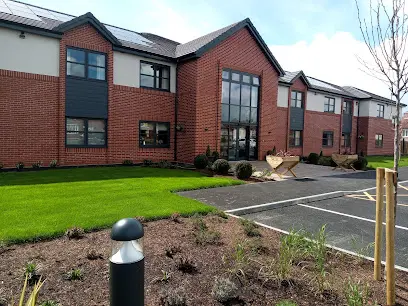
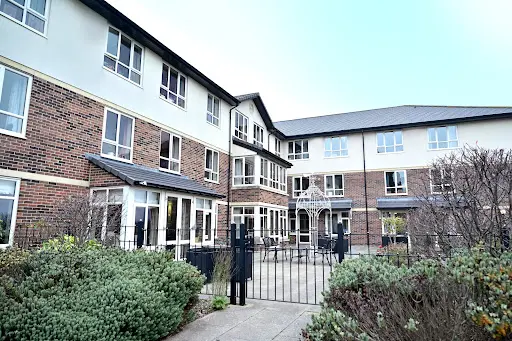
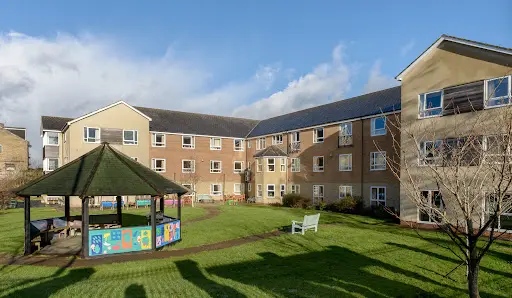
Northfield Care Centre
At a Glance
The information you need to decide whether this home warrants a closer look.
Nursing homes
Staff warmth score
of reviewers answered yes
Good to know
- Registered beds80
- SpecialismsCaring for adults over 65 yrs, Caring for adults under 65 yrs, Dementia, Mental health conditions, Physical disabilities, Sensory impairment
- Last inspected2023-05-04
Save Northfield Care Centre to your shortlist
Keep a running list, add visit notes, and compare homes side-by-side. Free account — it takes a minute.
STAGE 4 — RESEARCHING CARE HOMES
Visit homes. Compare them side by side. Choose with confidence.
Most of us will view care homes the way we view houses, impression, atmosphere, the feeling in the corridor. We go home, try to remember what we saw, and make a permanent decision from a blurred memory.

The DCC shortlist gives every home you visit a structured record: the same twelve questions, answered the same way, every time. When you’re ready to choose, pull any two homes side by side and compare them directly. Same criteria, same evidence, your notes and your scores.
The Evidence
What the review data, the inspection reports, and the dementia-care evidence base tell us about this home.
What families say
The eight family priority themes
- Staff warmth70
- Compassion & dignity70
- Cleanliness70
- Activities & engagement65
- Food quality65
- Healthcare70
- Management & leadership72
- Resident happiness68
What inspectors found
Inspected 2023-05-04
Is this home safe?
Is the care effective?
The home was rated Good for effectiveness at its most recent inspection in March 2025. The published report does not include specific findings about care plan quality, GP access, dementia training, or food. The home is registered for dementia care alongside several other complex needs, which makes the quality of care planning and staff training particularly important. No concerns were identified in the published findings, but the limited detail means this rating cannot be verified from the published text alone.Is this home caring?
The home was rated Good for caring at its most recent inspection in March 2025. The published report does not include specific inspector observations of staff interactions, resident testimony about kindness, or examples of dignity being upheld in practice. No concerns were raised, but the absence of specific evidence means it is not possible to verify how warmth and compassion show up in day-to-day life at this home.Is the home responsive?
The home was rated Good for responsiveness at its most recent inspection in March 2025. The published report does not include specific findings about the activity programme, individual engagement, or how the home responds to changing needs. The home cares for people with a wide range of conditions, including dementia, mental health conditions, and sensory impairments, which makes individual responsiveness particularly important. No concerns were identified, but no supporting detail is available in the published text.Is the home well-led?
The home was rated Good for well-led at its most recent inspection in March 2025. Miss Dawn Paley is named as the registered manager and Mr Thomas Wood as the nominated individual, indicating a defined leadership structure. The home has improved from a previous Inadequate rating, which suggests that leadership changes or improvements have had a real effect. The published report does not include detail on manager visibility, staff culture, governance systems, or how the home learns from incidents.
Source: CQC inspection report →
What the evidence base says
The home specialises in dementia care, mental health conditions, physical disabilities and sensory impairments. They care for adults both under and over 65, providing tailored support for complex care needs. For those living with dementia, the home offers specialist care within their broader support framework. Staff have experience supporting residents with varying stages of dementia alongside other complex conditions. All areas worth probing directly during a visit.
The DCC Verdict
Our editorial view, built from the three lenses: what families tell us, what inspectors record, and how the home sits against good dementia-care practice.
DCC Family Score
Northfield Care Centre has recovered from a previous Inadequate rating to achieve a Good rating across all five domains, which is a meaningful improvement. However, the inspection text provided contains limited specific detail, so most scores reflect the Good rating with appropriate caution rather than strong confirmed evidence.
Homes in Yorkshire & Humberside typically score 68–82.Worth a visit
Northfield Care Centre, in Doncaster, was rated Good across all five inspection domains at its most recent inspection on 26 March 2025, with the report published on 2 June 2025. This is a significant turnaround: the home previously held an Inadequate rating, and achieving Good across every domain represents a real shift in the quality of care being provided. The home is registered for up to 80 beds and cares for people with dementia, mental health conditions, physical disabilities, and sensory impairments, as well as adults both over and under 65. A named registered manager, Miss Dawn Paley, is in post. The published inspection report contains very limited specific detail, which means it is not possible to independently verify the everyday experience your parent would have here: warmth of staff, quality of food, activity provision, and night-time staffing are all unconfirmed by the published evidence. Given the home's history of an Inadequate rating, it is especially important to visit in person and ask probing questions before making a decision. Ask the manager to show you actual staffing rotas for the past week (not template schedules), ask how many permanent staff versus agency staff covered night shifts last month, and request to observe a mealtime and a group activity session. A Good rating after a difficult period is encouraging, but visiting and asking the right questions is the only way to see whether the improvement is embedded in daily life.
The three questions to ask when you visitSave this home. Compare it against your shortlist.
Let our analysis show you how Northfield Care Centre measures up against the other homes you’re considering. Free account.
In Their Own Words
How Northfield Care Centre describes itself — collected from its own website. DCC has not edited or independently verified the content in this tab.
Specialist dementia and disability care in a clean Doncaster setting
Compassionate Care in Doncaster at Northfield Care Centre
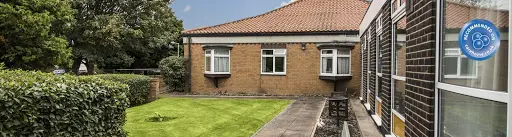
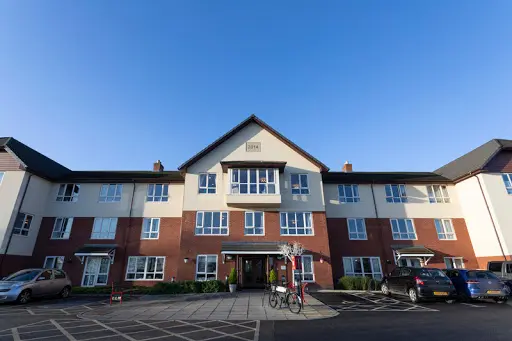
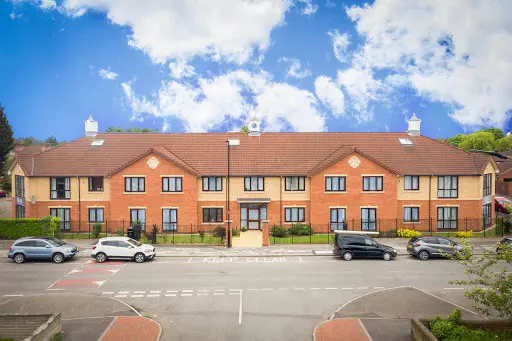
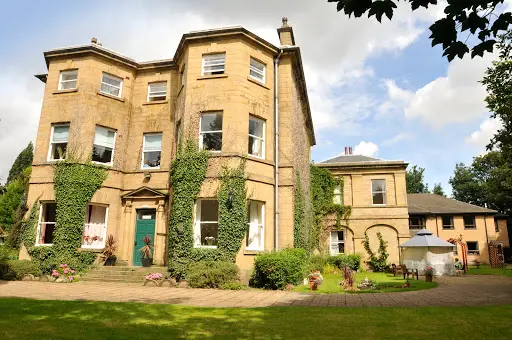
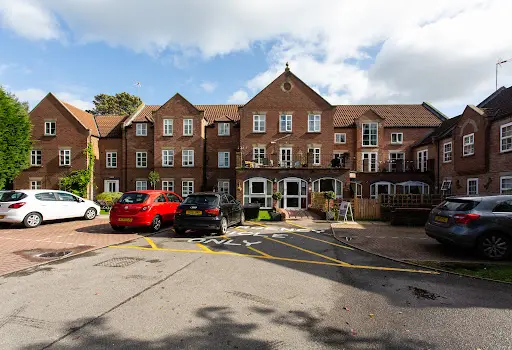
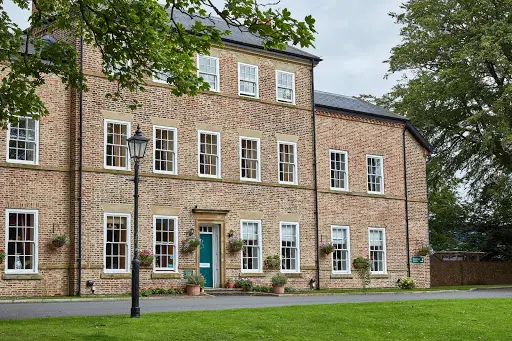
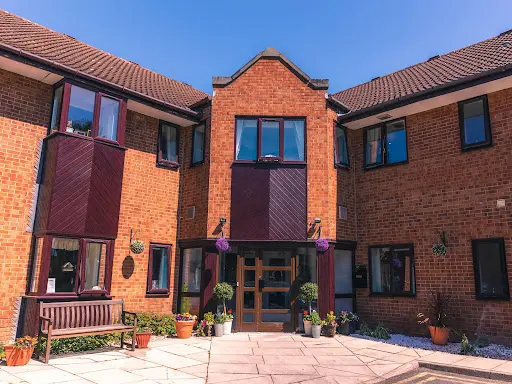
Finding the right care for complex needs requires careful consideration. Northfield Care Centre in Doncaster provides specialist support for people with dementia, mental health conditions, physical disabilities and sensory impairments. The home welcomes both younger adults and those over 65, offering a clean and well-maintained environment for residents requiring specialised care.
Who they care for
The home specialises in dementia care, mental health conditions, physical disabilities and sensory impairments. They care for adults both under and over 65, providing tailored support for complex care needs.
For those living with dementia, the home offers specialist care within their broader support framework. Staff have experience supporting residents with varying stages of dementia alongside other complex conditions.
“If you're considering Northfield Care Centre, visiting in person will help you understand how they might support your loved one's specific needs.”
DCC does not edit or curate content in this tab. For independently curated information, see The Evidence and DCC Verdict.
The DCC Verdict
Our editorial view, built from the three lenses: what families tell us, what inspectors record, and how the home sits against good dementia-care practice.
DCC Family Score
Northfield Care Centre has recovered from a previous Inadequate rating to achieve a Good rating across all five domains, which is a meaningful improvement. However, the inspection text provided contains limited specific detail, so most scores reflect the Good rating with appropriate caution rather than strong confirmed evidence.
Homes in Yorkshire & Humberside typically score 68–82.Worth a visit
Northfield Care Centre, in Doncaster, was rated Good across all five inspection domains at its most recent inspection on 26 March 2025, with the report published on 2 June 2025. This is a significant turnaround: the home previously held an Inadequate rating, and achieving Good across every domain represents a real shift in the quality of care being provided. The home is registered for up to 80 beds and cares for people with dementia, mental health conditions, physical disabilities, and sensory impairments, as well as adults both over and under 65. A named registered manager, Miss Dawn Paley, is in post. The published inspection report contains very limited specific detail, which means it is not possible to independently verify the everyday experience your parent would have here: warmth of staff, quality of food, activity provision, and night-time staffing are all unconfirmed by the published evidence. Given the home's history of an Inadequate rating, it is especially important to visit in person and ask probing questions before making a decision. Ask the manager to show you actual staffing rotas for the past week (not template schedules), ask how many permanent staff versus agency staff covered night shifts last month, and request to observe a mealtime and a group activity session. A Good rating after a difficult period is encouraging, but visiting and asking the right questions is the only way to see whether the improvement is embedded in daily life.
The three questions to ask when you visitSave this home. Compare it against your shortlist.
Let our analysis show you how Northfield Care Centre measures up against the other homes you’re considering. Free account.
In Their Own Words
How Northfield Care Centre describes itself — collected from its own website. DCC has not edited or independently verified the content in this tab.
Specialist dementia and disability care in a clean Doncaster setting
Compassionate Care in Doncaster at Northfield Care Centre
Finding the right care for complex needs requires careful consideration. Northfield Care Centre in Doncaster provides specialist support for people with dementia, mental health conditions, physical disabilities and sensory impairments. The home welcomes both younger adults and those over 65, offering a clean and well-maintained environment for residents requiring specialised care.
Who they care for
The home specialises in dementia care, mental health conditions, physical disabilities and sensory impairments. They care for adults both under and over 65, providing tailored support for complex care needs.
For those living with dementia, the home offers specialist care within their broader support framework. Staff have experience supporting residents with varying stages of dementia alongside other complex conditions.
Management & ethos
Some staff members demonstrate real professionalism and attentiveness to residents' needs. Reception staff have been noted for their welcoming approach, and certain carers show genuine knowledge about the people they support.
The home & environment
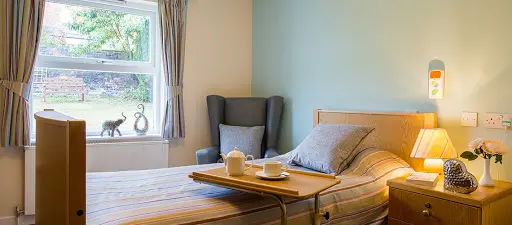
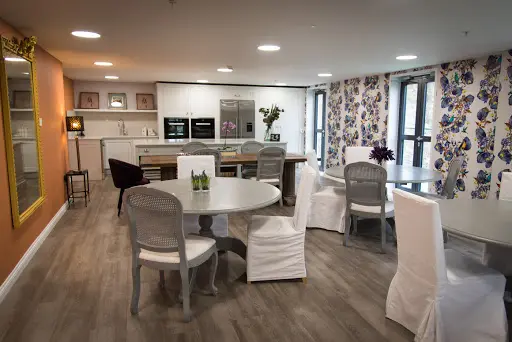
The home maintains notably high standards of cleanliness throughout. Families have commented on the well-kept environment and properly maintained laundry services, with rooms and communal areas kept tidy and fresh.
“If you're considering Northfield Care Centre, visiting in person will help you understand how they might support your loved one's specific needs.”
DCC does not edit or curate content in this tab. For independently curated information, see The Evidence and DCC Verdict.