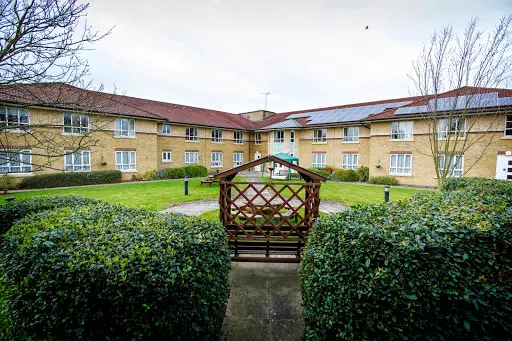
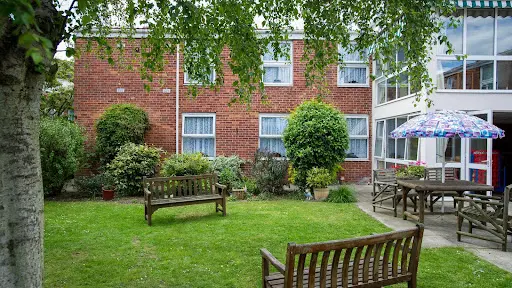
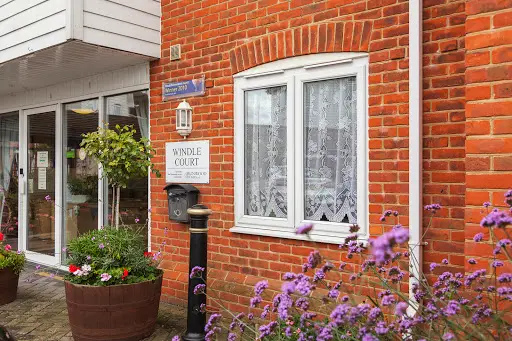
Mountdale Nursing Home
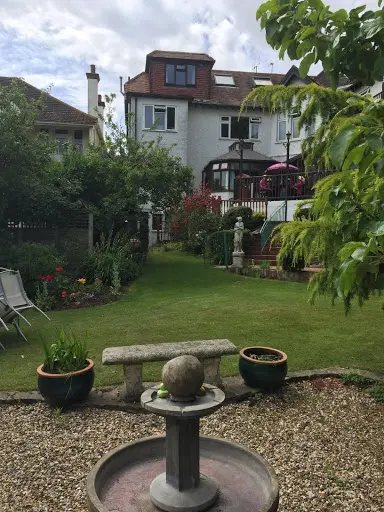
At a Glance
The information you need to decide whether this home warrants a closer look.
Nursing homes
Staff warmth score
of reviewers answered yes
Good to know
- Registered beds24
- SpecialismsCaring for adults over 65 yrs, Caring for adults under 65 yrs, Dementia, Eating disorders, Learning disabilities, Physical disabilities, Substance misuse problems
- Last inspected2024-01-24
Save Mountdale Nursing Home to your shortlist
Keep a running list, add visit notes, and compare homes side-by-side. Free account — it takes a minute.
STAGE 4 — RESEARCHING CARE HOMES
Visit homes. Compare them side by side. Choose with confidence.
Most of us will view care homes the way we view houses, impression, atmosphere, the feeling in the corridor. We go home, try to remember what we saw, and make a permanent decision from a blurred memory.

The DCC shortlist gives every home you visit a structured record: the same twelve questions, answered the same way, every time. When you’re ready to choose, pull any two homes side by side and compare them directly. Same criteria, same evidence, your notes and your scores.
The Evidence
What the review data, the inspection reports, and the dementia-care evidence base tell us about this home.
What families say
Families speak of finding unexpected comfort here during difficult times. They describe staff who seem to instinctively know when to offer a reassuring word or simply be present. The atmosphere feels calm and supportive, helping both residents and their loved ones feel less alone in their journey.
The eight family priority themes
- Staff warmth40
- Compassion & dignity40
- Cleanliness40
- Activities & engagement35
- Food quality35
- Healthcare38
- Management & leadership30
- Resident happiness35
What inspectors found
Inspected 2024-01-24
Is this home safe?
Is the care effective?
No domain-level rating or detailed findings are available for the Effective domain from the inspection data provided. This covers whether staff know how to care for your parent, including dementia training, how care plans are written and reviewed, whether your parent sees a GP when needed, and whether food meets their dietary needs. Without published findings, it is not possible to confirm whether any of these areas were functioning well or poorly at the time of inspection. The overall Inadequate rating means something significant was not working. Whether that included failures in training, care planning, or healthcare access is not confirmed by the data available here.Is this home caring?
No domain-level rating or detailed findings are available for the Caring domain from the inspection data provided. This is the domain that covers whether staff are genuinely kind, whether your parent is addressed by their preferred name, whether they are rushed or given time, and whether their dignity and privacy are respected. Staff warmth is the single highest-weighted theme in our family review data, mentioned in 57.3% of positive reviews. The absence of any published evidence here means it is not possible to say whether the people living at Mountdale Nursing Home experience warmth and dignity in their daily care.Is the home responsive?
No domain-level rating or detailed findings are available for the Responsive domain from the inspection data provided. This domain covers whether your parent would have a life here: whether activities are meaningful and individual rather than generic group sessions, whether their personal history and preferences shape their daily routine, and whether end-of-life wishes are recorded and respected. Mountdale Nursing Home lists dementia among its specialisms, which means it should be able to demonstrate how it meets the specific engagement and stimulation needs of people living with dementia. That evidence is not available from the published findings.Is the home well-led?
No domain-level rating is published for the Well-led domain from the inspection data provided. However, the overall Inadequate rating, combined with the recorded decline from a previous Good rating, points to significant leadership and governance concerns at the time of inspection. The registered managers listed are Mr Akhil Dogar and Mr Nathaniel Dogar, with Mr Nathaniel Dogar also listed as the Nominated Individual. Having the Nominated Individual and a registered manager be the same person can concentrate oversight in a single role, which is worth exploring. A later assessment dated November 2024 appears to have resulted in Good ratings across all five domains, but that assessment is not the basis of this report and should be verified directly with the regulator.
Source: CQC inspection report →
What the evidence base says
Mountdale supports adults of all ages with complex needs including dementia, learning disabilities, physical disabilities, eating disorders and substance misuse challenges. Their on-site nursing team provides round-the-clock clinical care. For those living with dementia, the nursing team brings specialist understanding to each person's unique needs. Staff work closely with families to maintain routines and connections that matter. All areas worth probing directly during a visit.
The DCC Verdict
Our editorial view, built from the three lenses: what families tell us, what inspectors record, and how the home sits against good dementia-care practice.
DCC Family Score
Mountdale Nursing Home holds an overall Inadequate rating, having declined from a previous Good. The inspection findings provided do not contain specific observational detail across any domain, which means scores reflect the serious concern signalled by the Inadequate rating rather than confirmed positive evidence.
Homes in East typically score 68–82.The three-lens summary
What families tell us
Families speak of finding unexpected comfort here during difficult times. They describe staff who seem to instinctively know when to offer a reassuring word or simply be present. The atmosphere feels calm and supportive, helping both residents and their loved ones feel less alone in their journey.
What inspectors have recorded
What stands out is how quickly the team responds when needs change. Families mention staff arranging specialist equipment the same day it's needed, adapting meals without being asked, and adjusting care plans immediately. The nursing team makes clinical decisions on-site, which means residents get the right support without waiting for outside medical visits.
How it sits against good practice
Sometimes the right place reveals itself through the small acts of kindness that make the hardest days bearable.
Worth a visit
Mountdale Nursing Home in Leigh-on-Sea holds an overall Inadequate rating, a significant decline from its previous Good rating. The inspection data provided does not include detailed domain-level findings or observational narrative, so this report cannot confirm specific strengths or weaknesses from inspector records. What is clear is that an Inadequate rating is the most serious outcome issued by the inspectorate, and it indicates that the people living here were not receiving care that met the required standard at the time of assessment. The most important thing to understand if you are considering this home for your mum or dad is that an Inadequate rating typically triggers a period of regulatory scrutiny and required improvement, which may mean the home is under active monitoring now. Before visiting, check the regulator's website for any more recent assessments or enforcement action. On any visit, ask the manager directly: what specific failures led to the Inadequate rating, what has changed since, and whether an independent review of care records has taken place. Do not rely on verbal reassurance alone; ask to see evidence of the actions taken.
The three questions to ask when you visitSave this home. Compare it against your shortlist.
Let our analysis show you how Mountdale Nursing Home measures up against the other homes you’re considering. Free account.
In Their Own Words
How Mountdale Nursing Home describes itself — collected from its own website. DCC has not edited or independently verified the content in this tab.
Where dignity matters most when time is precious
Compassionate Care in Leigh On Sea at Mountdale Nursing Home
When families face the hardest moments, finding the right support becomes everything. Mountdale Nursing Home in Leigh On Sea understands that some journeys need extra compassion. This nursing home has quietly built its reputation on helping families through life's most challenging transitions, with on-site nursing staff who respond quickly when every moment counts.
Who they care for
Mountdale supports adults of all ages with complex needs including dementia, learning disabilities, physical disabilities, eating disorders and substance misuse challenges. Their on-site nursing team provides round-the-clock clinical care.
For those living with dementia, the nursing team brings specialist understanding to each person's unique needs. Staff work closely with families to maintain routines and connections that matter.
“Sometimes the right place reveals itself through the small acts of kindness that make the hardest days bearable.”
DCC does not edit or curate content in this tab. For independently curated information, see The Evidence and DCC Verdict.
The DCC Verdict
Our editorial view, built from the three lenses: what families tell us, what inspectors record, and how the home sits against good dementia-care practice.
DCC Family Score
Mountdale Nursing Home holds an overall Inadequate rating, having declined from a previous Good. The inspection findings provided do not contain specific observational detail across any domain, which means scores reflect the serious concern signalled by the Inadequate rating rather than confirmed positive evidence.
Homes in East typically score 68–82.The three-lens summary
What families tell us
Families speak of finding unexpected comfort here during difficult times. They describe staff who seem to instinctively know when to offer a reassuring word or simply be present. The atmosphere feels calm and supportive, helping both residents and their loved ones feel less alone in their journey.
What inspectors have recorded
What stands out is how quickly the team responds when needs change. Families mention staff arranging specialist equipment the same day it's needed, adapting meals without being asked, and adjusting care plans immediately. The nursing team makes clinical decisions on-site, which means residents get the right support without waiting for outside medical visits.
How it sits against good practice
Sometimes the right place reveals itself through the small acts of kindness that make the hardest days bearable.
Worth a visit
Mountdale Nursing Home in Leigh-on-Sea holds an overall Inadequate rating, a significant decline from its previous Good rating. The inspection data provided does not include detailed domain-level findings or observational narrative, so this report cannot confirm specific strengths or weaknesses from inspector records. What is clear is that an Inadequate rating is the most serious outcome issued by the inspectorate, and it indicates that the people living here were not receiving care that met the required standard at the time of assessment. The most important thing to understand if you are considering this home for your mum or dad is that an Inadequate rating typically triggers a period of regulatory scrutiny and required improvement, which may mean the home is under active monitoring now. Before visiting, check the regulator's website for any more recent assessments or enforcement action. On any visit, ask the manager directly: what specific failures led to the Inadequate rating, what has changed since, and whether an independent review of care records has taken place. Do not rely on verbal reassurance alone; ask to see evidence of the actions taken.
The three questions to ask when you visitSave this home. Compare it against your shortlist.
Let our analysis show you how Mountdale Nursing Home measures up against the other homes you’re considering. Free account.
In Their Own Words
How Mountdale Nursing Home describes itself — collected from its own website. DCC has not edited or independently verified the content in this tab.
Where dignity matters most when time is precious
Compassionate Care in Leigh On Sea at Mountdale Nursing Home
When families face the hardest moments, finding the right support becomes everything. Mountdale Nursing Home in Leigh On Sea understands that some journeys need extra compassion. This nursing home has quietly built its reputation on helping families through life's most challenging transitions, with on-site nursing staff who respond quickly when every moment counts.
Who they care for
Mountdale supports adults of all ages with complex needs including dementia, learning disabilities, physical disabilities, eating disorders and substance misuse challenges. Their on-site nursing team provides round-the-clock clinical care.
For those living with dementia, the nursing team brings specialist understanding to each person's unique needs. Staff work closely with families to maintain routines and connections that matter.
Management & ethos
What stands out is how quickly the team responds when needs change. Families mention staff arranging specialist equipment the same day it's needed, adapting meals without being asked, and adjusting care plans immediately. The nursing team makes clinical decisions on-site, which means residents get the right support without waiting for outside medical visits.
“Sometimes the right place reveals itself through the small acts of kindness that make the hardest days bearable.”
DCC does not edit or curate content in this tab. For independently curated information, see The Evidence and DCC Verdict.