Barchester – Derham House Care Home
At a Glance
The information you need to decide whether this home warrants a closer look.
Nursing homes
Staff warmth score
of reviewers answered yes
Good to know
- Registered beds65
- SpecialismsCaring for adults over 65 yrs, Dementia
- Last inspected2019-01-24
Save Barchester – Derham House Care Home to your shortlist
Keep a running list, add visit notes, and compare homes side-by-side. Free account — it takes a minute.
STAGE 4 — RESEARCHING CARE HOMES
Visit homes. Compare them side by side. Choose with confidence.
Most of us will view care homes the way we view houses, impression, atmosphere, the feeling in the corridor. We go home, try to remember what we saw, and make a permanent decision from a blurred memory.

The DCC shortlist gives every home you visit a structured record: the same twelve questions, answered the same way, every time. When you’re ready to choose, pull any two homes side by side and compare them directly. Same criteria, same evidence, your notes and your scores.
The Evidence
What the review data, the inspection reports, and the dementia-care evidence base tell us about this home.
What families say
Families consistently describe how their relatives express feeling safe and content here, with some noting remarkable transformations in wellbeing. The atmosphere seems to help even those who've struggled elsewhere to find their feet again. Residents participate in regular entertainment and outings at their own pace, with staff supporting rather than pushing involvement.
The eight family priority themes
- Staff warmth72
- Compassion & dignity72
- Cleanliness70
- Activities & engagement68
- Food quality68
- Healthcare70
- Management & leadership74
- Resident happiness70
What inspectors found
Inspected 2019-01-24
Is this home safe?
Is the care effective?
The Effective domain was rated Good at the December 2018 inspection. This domain covers the quality of care planning, staff training, access to healthcare professionals such as GPs and dietitians, and nutrition. The home lists dementia as a specialism, which means inspectors would have considered whether staff training and care approaches were appropriate for residents living with dementia. No specific detail about training content, care plan quality, or food provision is available in the published summary.Is this home caring?
The Caring domain was rated Good at the December 2018 inspection. This domain covers staff warmth, dignity, respect, and how well the home supports residents to maintain independence. A Good rating indicates inspectors were satisfied with the quality of interactions and the culture of care observed. No specific quotes from residents or relatives and no detailed observations about staff behaviour are included in the published summary.Is the home responsive?
The Responsive domain was rated Good at the December 2018 inspection. This domain covers how well the home tailors its care to individual needs, the quality and variety of the activity programme, and arrangements for end-of-life care. The home specialises in dementia care, so responsiveness to the specific and changing needs of residents living with dementia is central to this rating. No specific examples of activities, individual engagement, or end-of-life planning are included in the published summary.Is the home well-led?
The Well-led domain was rated Good at the December 2018 inspection, an improvement from the previous Requires Improvement rating. The home has a named registered manager, Miss Corina Popescu, and a nominated individual, Mr Dominic Jude Kay, providing a clear accountability structure. This domain covers the quality of management, staff culture, governance systems, and whether the home learns from incidents and complaints. The improvement in this domain from the previous inspection is particularly significant, as leadership quality is one of the strongest predictors of overall care quality over time.
Source: CQC inspection report →
What the evidence base says
The home specialises in dementia care and supports adults over 65. Staff work with residents experiencing various stages of cognitive decline, adapting their approach to individual needs and capabilities. The team shows particular skill in supporting residents with dementia to maintain their sense of self and connection. Even when communication becomes challenging, families observe staff respecting personal boundaries while still ensuring proper care and gentle encouragement. All areas worth probing directly during a visit.
The DCC Verdict
Our editorial view, built from the three lenses: what families tell us, what inspectors record, and how the home sits against good dementia-care practice.
DCC Family Score
Derham House received a Good rating across all five inspection domains, an improvement from its previous Requires Improvement rating. Scores reflect positive but largely general findings, with limited specific observations, quotes, or detail available in the published report.
Homes in London typically score 68–82.The three-lens summary
What families tell us
Families consistently describe how their relatives express feeling safe and content here, with some noting remarkable transformations in wellbeing. The atmosphere seems to help even those who've struggled elsewhere to find their feet again. Residents participate in regular entertainment and outings at their own pace, with staff supporting rather than pushing involvement.
What inspectors have recorded
Staff across all departments — from carers to nurses to administrative team members — demonstrate consistent professionalism paired with genuine engagement. Families particularly value the support provided during difficult transitions, whether that's initial admission, arranging respite care, or navigating end-of-life decisions. The team's approach to palliative care shows particular sensitivity, ensuring family members can be present and supported during final days.
How it sits against good practice
The consistent thread through family experiences at Derham House is watching their loved ones not just receive care, but genuinely flourish.
Worth a visit
Derham House in Upminster, a 65-bed nursing home specialising in dementia care for adults over 65, was rated Good across all five inspection domains at its assessment in December 2018. This is a meaningful improvement from its previous Requires Improvement rating, suggesting the management team has addressed earlier concerns and stabilised quality. The home is run by Barchester Healthcare Homes Limited, with a named registered manager in post. The main limitation of this report is that the published summary is brief, and very little specific detail is available about what inspectors actually saw, heard, or read during their visit. A Good rating is reassuring, but it cannot tell you whether your parent will be known by their preferred name, whether staff have time to sit with them after a difficult moment, or whether the dementia unit feels calm at ten o'clock at night. Visit on a weekday afternoon and again on a weekend morning, ask to see last week's actual staffing rota rather than the template, and find out how the team would contact you if your parent had a fall or a sudden change in health.
The three questions to ask when you visitSave this home. Compare it against your shortlist.
Let our analysis show you how Barchester – Derham House Care Home measures up against the other homes you’re considering. Free account.
In Their Own Words
How Barchester – Derham House Care Home describes itself — collected from its own website. DCC has not edited or independently verified the content in this tab.
Where professional care meets genuine warmth every single day
Derham House – Expert Care in Upminster
When families describe how their loved ones have thrived at Derham House in Upminster, they often mention the same thing — watching someone they worried about become visibly happier and healthier within weeks. This care home has built its reputation on combining skilled nursing care with the kind of genuine warmth that helps residents feel truly settled. The difference shows in everything from weight gain after hospital stays to residents actively choosing to join in activities they enjoy.
Who they care for
The home specialises in dementia care and supports adults over 65. Staff work with residents experiencing various stages of cognitive decline, adapting their approach to individual needs and capabilities.
The team shows particular skill in supporting residents with dementia to maintain their sense of self and connection. Even when communication becomes challenging, families observe staff respecting personal boundaries while still ensuring proper care and gentle encouragement.
“The consistent thread through family experiences at Derham House is watching their loved ones not just receive care, but genuinely flourish.”
DCC does not edit or curate content in this tab. For independently curated information, see The Evidence and DCC Verdict.
The DCC Verdict
Our editorial view, built from the three lenses: what families tell us, what inspectors record, and how the home sits against good dementia-care practice.
DCC Family Score
Derham House received a Good rating across all five inspection domains, an improvement from its previous Requires Improvement rating. Scores reflect positive but largely general findings, with limited specific observations, quotes, or detail available in the published report.
Homes in London typically score 68–82.The three-lens summary
What families tell us
Families consistently describe how their relatives express feeling safe and content here, with some noting remarkable transformations in wellbeing. The atmosphere seems to help even those who've struggled elsewhere to find their feet again. Residents participate in regular entertainment and outings at their own pace, with staff supporting rather than pushing involvement.
What inspectors have recorded
Staff across all departments — from carers to nurses to administrative team members — demonstrate consistent professionalism paired with genuine engagement. Families particularly value the support provided during difficult transitions, whether that's initial admission, arranging respite care, or navigating end-of-life decisions. The team's approach to palliative care shows particular sensitivity, ensuring family members can be present and supported during final days.
How it sits against good practice
The consistent thread through family experiences at Derham House is watching their loved ones not just receive care, but genuinely flourish.
Worth a visit
Derham House in Upminster, a 65-bed nursing home specialising in dementia care for adults over 65, was rated Good across all five inspection domains at its assessment in December 2018. This is a meaningful improvement from its previous Requires Improvement rating, suggesting the management team has addressed earlier concerns and stabilised quality. The home is run by Barchester Healthcare Homes Limited, with a named registered manager in post. The main limitation of this report is that the published summary is brief, and very little specific detail is available about what inspectors actually saw, heard, or read during their visit. A Good rating is reassuring, but it cannot tell you whether your parent will be known by their preferred name, whether staff have time to sit with them after a difficult moment, or whether the dementia unit feels calm at ten o'clock at night. Visit on a weekday afternoon and again on a weekend morning, ask to see last week's actual staffing rota rather than the template, and find out how the team would contact you if your parent had a fall or a sudden change in health.
The three questions to ask when you visitSave this home. Compare it against your shortlist.
Let our analysis show you how Barchester – Derham House Care Home measures up against the other homes you’re considering. Free account.
In Their Own Words
How Barchester – Derham House Care Home describes itself — collected from its own website. DCC has not edited or independently verified the content in this tab.
Where professional care meets genuine warmth every single day
Derham House – Expert Care in Upminster
When families describe how their loved ones have thrived at Derham House in Upminster, they often mention the same thing — watching someone they worried about become visibly happier and healthier within weeks. This care home has built its reputation on combining skilled nursing care with the kind of genuine warmth that helps residents feel truly settled. The difference shows in everything from weight gain after hospital stays to residents actively choosing to join in activities they enjoy.
Who they care for
The home specialises in dementia care and supports adults over 65. Staff work with residents experiencing various stages of cognitive decline, adapting their approach to individual needs and capabilities.
The team shows particular skill in supporting residents with dementia to maintain their sense of self and connection. Even when communication becomes challenging, families observe staff respecting personal boundaries while still ensuring proper care and gentle encouragement.
Management & ethos
Staff across all departments — from carers to nurses to administrative team members — demonstrate consistent professionalism paired with genuine engagement. Families particularly value the support provided during difficult transitions, whether that's initial admission, arranging respite care, or navigating end-of-life decisions. The team's approach to palliative care shows particular sensitivity, ensuring family members can be present and supported during final days.
The home & environment
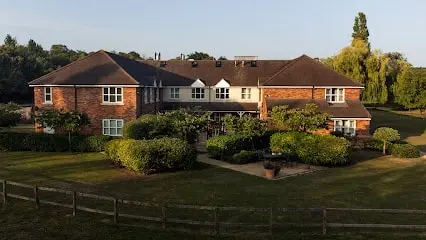
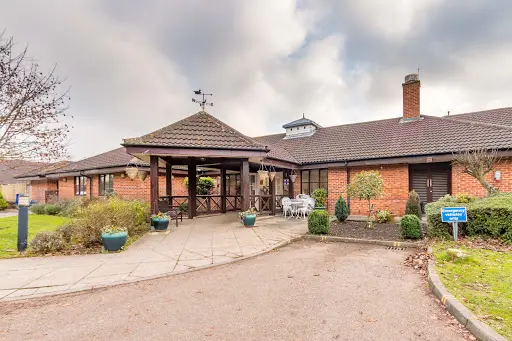
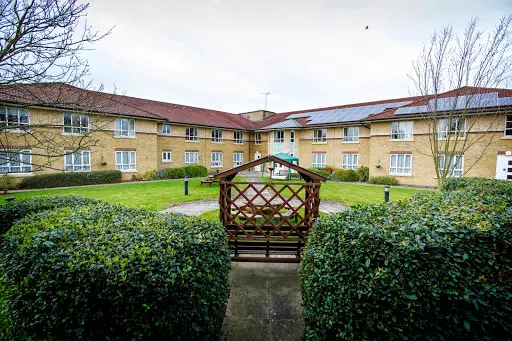
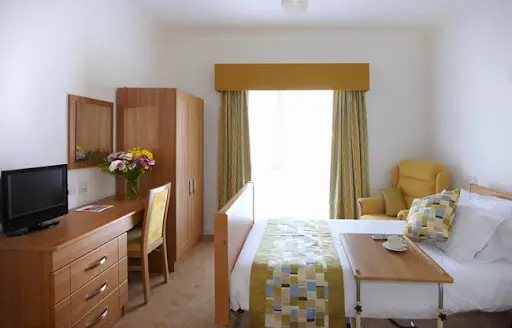
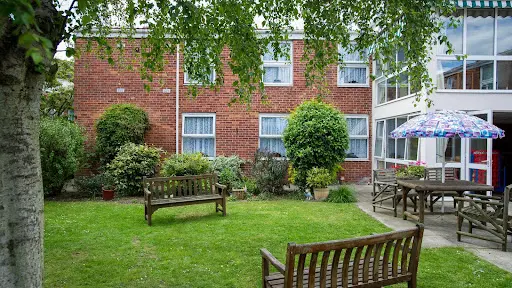
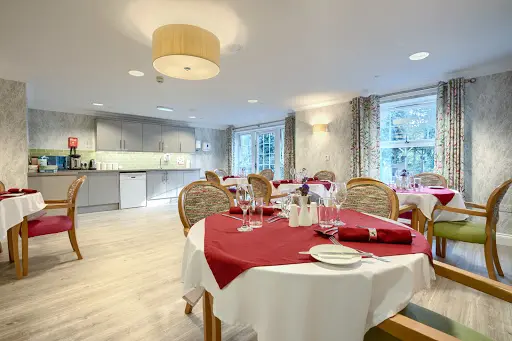
The home maintains high standards of cleanliness throughout, with dining rooms set with white tablecloths and fresh-cooked meals that families say their relatives genuinely enjoy. The outdoor spaces provide attractive areas for residents to spend time when weather permits. Regular therapy dog visits and entertainment sessions bring variety to daily life.
“The consistent thread through family experiences at Derham House is watching their loved ones not just receive care, but genuinely flourish.”
DCC does not edit or curate content in this tab. For independently curated information, see The Evidence and DCC Verdict.