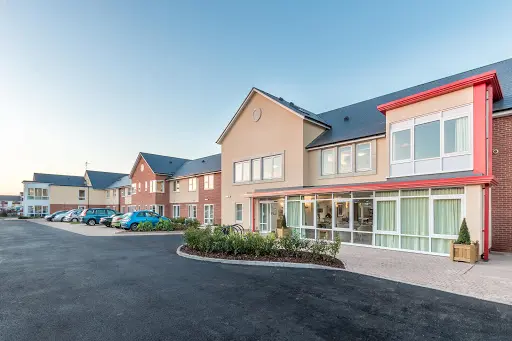
Birchwood Residential Care Home – Sanctuary Care
At a Glance
The information you need to decide whether this home warrants a closer look.
Residential homes
Staff warmth score
of reviewers answered yes
Good to know
- Registered beds44
- SpecialismsCaring for adults over 65 yrs, Dementia, Physical disabilities, Sensory impairment
- Last inspected2023-03-24
Save Birchwood Residential Care Home – Sanctuary Care to your shortlist
Keep a running list, add visit notes, and compare homes side-by-side. Free account — it takes a minute.
STAGE 4 — RESEARCHING CARE HOMES
Visit homes. Compare them side by side. Choose with confidence.
Most of us will view care homes the way we view houses, impression, atmosphere, the feeling in the corridor. We go home, try to remember what we saw, and make a permanent decision from a blurred memory.

The DCC shortlist gives every home you visit a structured record: the same twelve questions, answered the same way, every time. When you’re ready to choose, pull any two homes side by side and compare them directly. Same criteria, same evidence, your notes and your scores.
The Evidence
What the review data, the inspection reports, and the dementia-care evidence base tell us about this home.
What families say
Families describe a genuine warmth here. They talk about seeing their relatives settle quickly, often within weeks, joining in activities they'd stopped doing at home. The structured social calendar — from themed events to regular live music — gives residents something to look forward to, while quieter souls find their own peaceful corners.
The eight family priority themes
- Staff warmth70
- Compassion & dignity72
- Cleanliness70
- Activities & engagement65
- Food quality65
- Healthcare68
- Management & leadership74
- Resident happiness68
What inspectors found
Inspected 2023-03-24
Is this home safe?
Is the care effective?
The Effective domain was rated Good at the March 2023 inspection. This domain covers care planning, dementia-specific training, healthcare access including GP contact, food quality, and how well the home understands and meets individual needs. No specific examples of care plan content, training programmes, or mealtime observations are included in the published report text.Is this home caring?
The Caring domain was rated Good at the March 2023 inspection. This is the domain that most directly covers whether staff are warm, whether your parent is treated with dignity, and whether their independence is supported. The published text does not include any specific inspector observations of staff interactions, corridor behaviour, or how residents are addressed. No resident or family testimony is recorded in the available findings.Is the home responsive?
The Responsive domain was rated Good at the March 2023 inspection. This covers whether the home provides activities that suit individuals, whether residents can maintain their own routines, and whether end-of-life care is planned. The home lists dementia as a specialism alongside physical disabilities and sensory impairments. No detail about the activity programme, individual engagement for residents who cannot join group activities, or end-of-life planning is included in the published report.Is the home well-led?
The Well-led domain was rated Good at the March 2023 inspection. A registered manager, Ms Audrey Parathan, and a nominated individual, Mrs Louise Palmer, are both named and in post. The home improved from Requires Improvement to Good across all five domains, which indicates that leadership identified problems and acted on them. The published text does not describe how long the current manager has been in post, what specific changes were made, or how staff are supported to raise concerns.
Source: CQC inspection report →
What the evidence base says
Birchwood specialises in supporting people with dementia, sensory impairments and physical disabilities. The team brings in visiting services like hairdressing and chiropody, adapting their approach when residents can't easily move around. For residents living with dementia, the home focuses on maintaining familiar routines and encouraging participation in activities that bring joy. Staff work to understand each person's unique needs and preferences, helping them stay connected to the life of the home. All areas worth probing directly during a visit.
The DCC Verdict
Our editorial view, built from the three lenses: what families tell us, what inspectors record, and how the home sits against good dementia-care practice.
DCC Family Score
Birchwood Residential Care Home achieved a Good rating across all five inspection domains after a previous Requires Improvement, which is a meaningful improvement. However, the published inspection text is limited in specific observations, quotes, and direct evidence, so most scores sit in the 65 to 74 range rather than higher, reflecting positive but undetailed findings.
Homes in London typically score 68–82.The three-lens summary
What families tell us
Families describe a genuine warmth here. They talk about seeing their relatives settle quickly, often within weeks, joining in activities they'd stopped doing at home. The structured social calendar — from themed events to regular live music — gives residents something to look forward to, while quieter souls find their own peaceful corners.
What inspectors have recorded
Staff know their residents well, with many working here for years. They're attentive to the small things — making sure everyone has a drink to hand, checking in regularly, responding quickly when called. The manager stays in touch with families about health updates and care changes, though some families have found communication styles don't always match their expectations.
How it sits against good practice
Long-term residents here have found a stable, caring environment where they're known as individuals — though every family's experience shapes their own perspective on what matters most.
Worth a visit
Birchwood Residential Care Home, at 406 Clayhall Avenue in Ilford, was rated Good across all five inspection domains at its most recent inspection in March 2023. This is a genuine improvement from a previous Requires Improvement rating, which tells you that someone in the home recognised problems and took steps to fix them. The home is registered, has named leadership in post, and cares for adults over 65, including people with dementia, physical disabilities, and sensory impairments, across 44 beds. The main limitation of this report is that the published inspection text is very brief and contains almost no specific observations, staff interactions, or resident and family testimony. A Good rating is genuinely positive, but it tells you the home met required standards on a single day in March 2023. It does not tell you whether staff are warm at 10pm, whether your parent's care plan reflects who they actually are, or whether the activity programme suits someone with moderate dementia. Visit in person, ask to see last week's actual staffing rota rather than the template, and ask specifically how the home improved from its previous Requires Improvement rating and what has changed.
The three questions to ask when you visitSave this home. Compare it against your shortlist.
Let our analysis show you how Birchwood Residential Care Home – Sanctuary Care measures up against the other homes you’re considering. Free account.
In Their Own Words
How Birchwood Residential Care Home – Sanctuary Care describes itself — collected from its own website. DCC has not edited or independently verified the content in this tab.
Where residents find their smile again in Ilford
Compassionate Care in Ilford at Birchwood Residential Care Home
When families walk through the doors at Birchwood Residential Care Home in Ilford, they often notice something special — residents who arrived uncertain or withdrawn are chatting over tea, tapping along to live music, or simply sitting contentedly in the garden. This established care home has been supporting older people for over six years, creating a rhythm of daily life that feels natural and unhurried.
Who they care for
Birchwood specialises in supporting people with dementia, sensory impairments and physical disabilities. The team brings in visiting services like hairdressing and chiropody, adapting their approach when residents can't easily move around.
For residents living with dementia, the home focuses on maintaining familiar routines and encouraging participation in activities that bring joy. Staff work to understand each person's unique needs and preferences, helping them stay connected to the life of the home.
“Long-term residents here have found a stable, caring environment where they're known as individuals — though every family's experience shapes their own perspective on what matters most.”
DCC does not edit or curate content in this tab. For independently curated information, see The Evidence and DCC Verdict.
The DCC Verdict
Our editorial view, built from the three lenses: what families tell us, what inspectors record, and how the home sits against good dementia-care practice.
DCC Family Score
Birchwood Residential Care Home achieved a Good rating across all five inspection domains after a previous Requires Improvement, which is a meaningful improvement. However, the published inspection text is limited in specific observations, quotes, and direct evidence, so most scores sit in the 65 to 74 range rather than higher, reflecting positive but undetailed findings.
Homes in London typically score 68–82.The three-lens summary
What families tell us
Families describe a genuine warmth here. They talk about seeing their relatives settle quickly, often within weeks, joining in activities they'd stopped doing at home. The structured social calendar — from themed events to regular live music — gives residents something to look forward to, while quieter souls find their own peaceful corners.
What inspectors have recorded
Staff know their residents well, with many working here for years. They're attentive to the small things — making sure everyone has a drink to hand, checking in regularly, responding quickly when called. The manager stays in touch with families about health updates and care changes, though some families have found communication styles don't always match their expectations.
How it sits against good practice
Long-term residents here have found a stable, caring environment where they're known as individuals — though every family's experience shapes their own perspective on what matters most.
Worth a visit
Birchwood Residential Care Home, at 406 Clayhall Avenue in Ilford, was rated Good across all five inspection domains at its most recent inspection in March 2023. This is a genuine improvement from a previous Requires Improvement rating, which tells you that someone in the home recognised problems and took steps to fix them. The home is registered, has named leadership in post, and cares for adults over 65, including people with dementia, physical disabilities, and sensory impairments, across 44 beds. The main limitation of this report is that the published inspection text is very brief and contains almost no specific observations, staff interactions, or resident and family testimony. A Good rating is genuinely positive, but it tells you the home met required standards on a single day in March 2023. It does not tell you whether staff are warm at 10pm, whether your parent's care plan reflects who they actually are, or whether the activity programme suits someone with moderate dementia. Visit in person, ask to see last week's actual staffing rota rather than the template, and ask specifically how the home improved from its previous Requires Improvement rating and what has changed.
The three questions to ask when you visitSave this home. Compare it against your shortlist.
Let our analysis show you how Birchwood Residential Care Home – Sanctuary Care measures up against the other homes you’re considering. Free account.
In Their Own Words
How Birchwood Residential Care Home – Sanctuary Care describes itself — collected from its own website. DCC has not edited or independently verified the content in this tab.
Where residents find their smile again in Ilford
Compassionate Care in Ilford at Birchwood Residential Care Home
When families walk through the doors at Birchwood Residential Care Home in Ilford, they often notice something special — residents who arrived uncertain or withdrawn are chatting over tea, tapping along to live music, or simply sitting contentedly in the garden. This established care home has been supporting older people for over six years, creating a rhythm of daily life that feels natural and unhurried.
Who they care for
Birchwood specialises in supporting people with dementia, sensory impairments and physical disabilities. The team brings in visiting services like hairdressing and chiropody, adapting their approach when residents can't easily move around.
For residents living with dementia, the home focuses on maintaining familiar routines and encouraging participation in activities that bring joy. Staff work to understand each person's unique needs and preferences, helping them stay connected to the life of the home.
Management & ethos
Staff know their residents well, with many working here for years. They're attentive to the small things — making sure everyone has a drink to hand, checking in regularly, responding quickly when called. The manager stays in touch with families about health updates and care changes, though some families have found communication styles don't always match their expectations.
The home & environment
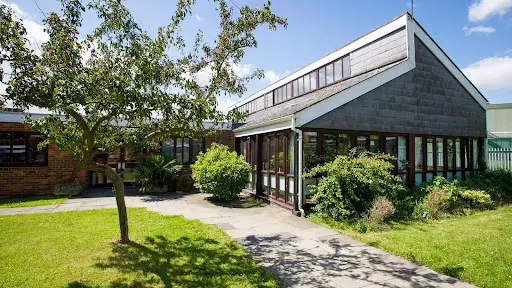
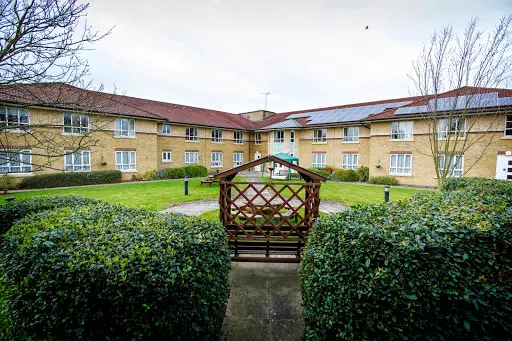
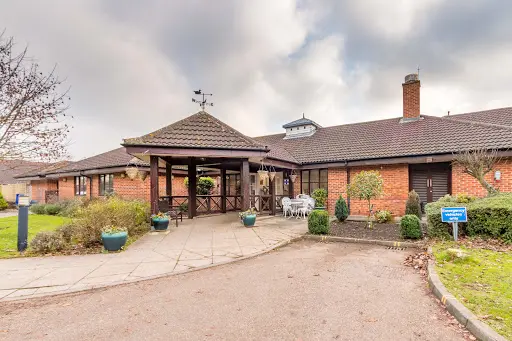
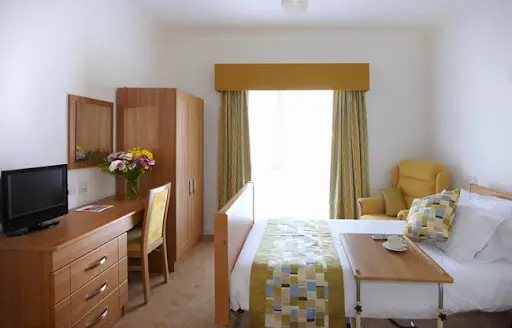
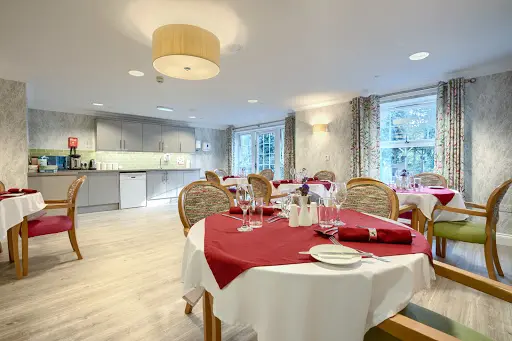
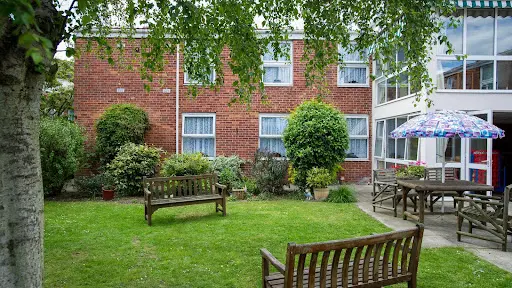
The home maintains consistently high cleanliness standards, with families regularly commenting on spotless rooms and fresh bedding. Meals are prepared in-house by the home's own kitchen, with the chef adapting dishes to individual preferences and dietary needs. The garden provides a pleasant outdoor space for barbecues and quiet visits when the weather allows.
“Long-term residents here have found a stable, caring environment where they're known as individuals — though every family's experience shapes their own perspective on what matters most.”
DCC does not edit or curate content in this tab. For independently curated information, see The Evidence and DCC Verdict.