Barchester – Woodland View Care Home
At a Glance
The information you need to decide whether this home warrants a closer look.
Nursing homes
Staff warmth score
of reviewers answered yes
Good to know
- Registered beds60
- SpecialismsCaring for adults over 65 yrs, Caring for adults under 65 yrs, Dementia, Physical disabilities
- Last inspected2021-03-18
Save Barchester – Woodland View Care Home to your shortlist
Keep a running list, add visit notes, and compare homes side-by-side. Free account — it takes a minute.
STAGE 4 — RESEARCHING CARE HOMES
Visit homes. Compare them side by side. Choose with confidence.
Most of us will view care homes the way we view houses, impression, atmosphere, the feeling in the corridor. We go home, try to remember what we saw, and make a permanent decision from a blurred memory.

The DCC shortlist gives every home you visit a structured record: the same twelve questions, answered the same way, every time. When you’re ready to choose, pull any two homes side by side and compare them directly. Same criteria, same evidence, your notes and your scores.
The Evidence
What the review data, the inspection reports, and the dementia-care evidence base tell us about this home.
What families say
Families describe carers who notice the small things — understanding when someone needs comfort even if they can't ask for it. There's a real sense of life here, with regular entertainment bringing energy to the home and giving residents things to look forward to. People talk about how clean and well-kept everything is, from the communal areas to individual rooms.
The eight family priority themes
- Staff warmth72
- Compassion & dignity72
- Cleanliness70
- Activities & engagement65
- Food quality65
- Healthcare70
- Management & leadership74
- Resident happiness68
What inspectors found
Inspected 2021-03-18
Is this home safe?
Is the care effective?
The Effective domain was rated Good, covering training, care planning, nutrition and hydration, and access to healthcare professionals including GPs. Dementia is listed as a specialism, which implies the home is expected to demonstrate specific knowledge and adapted practice for people with dementia. The published inspection text does not describe the content of dementia training, how often care plans are reviewed, or how medication is managed. No detail on food quality, menu choice, or how dietary needs are assessed is recorded.Is this home caring?
The Caring domain was rated Good, covering staff warmth, dignity, respect, and how staff support residents' independence. The published inspection text does not include specific observations of staff interactions, preferred name use, or how staff respond when a resident is distressed or anxious. No resident or relative quotes are recorded in the available findings. The improvement across all domains suggests inspectors were satisfied with the overall culture of care.Is the home responsive?
The Responsive domain was rated Good, covering activities, individual engagement, how the home responds to complaints, and end-of-life planning. The home supports people with dementia and physical disabilities, which requires a tailored rather than a one-size-fits-all approach to activities. The published inspection text does not describe specific activities, whether one-to-one engagement is available for people who cannot join groups, or how the home records and responds to complaints. No detail on end-of-life planning is recorded.Is the home well-led?
The Well-led domain was rated Good, covering the management culture, governance, staff support, and how the home learns from incidents and complaints. A registered manager (Mrs Adrien Csipkar) and a nominated individual (Mr Dominic Jude Kay) are named, indicating a clear accountability structure. The improvement from Requires Improvement to Good across all domains suggests the management team drove meaningful change before the February 2021 inspection. The published text does not describe manager visibility, how staff are supported to raise concerns, or what governance processes look like in practice.
Source: CQC inspection report →
What the evidence base says
The home supports younger adults under 65 as well as older residents, all living with physical disabilities or dementia. This mixed community brings different perspectives and experiences together. For residents living with dementia, the carers show particular skill in reading non-verbal cues and responding with patience. Families notice how staff adapt their approach to each person's changing needs throughout the day. All areas worth probing directly during a visit.
The DCC Verdict
Our editorial view, built from the three lenses: what families tell us, what inspectors record, and how the home sits against good dementia-care practice.
DCC Family Score
Woodland View improved from Requires Improvement to Good across all five domains, which is a meaningful step forward. However, the published inspection text contains limited specific detail, so scores reflect that positive direction rather than strong observed evidence.
Homes in East typically score 68–82.The three-lens summary
What families tell us
Families describe carers who notice the small things — understanding when someone needs comfort even if they can't ask for it. There's a real sense of life here, with regular entertainment bringing energy to the home and giving residents things to look forward to. People talk about how clean and well-kept everything is, from the communal areas to individual rooms.
What inspectors have recorded
Most families find the manager approachable and available when they need to talk. Staff show real warmth in their daily interactions, taking time to understand what makes each resident feel secure. While one family experienced frustrating delays getting their concerns addressed, most describe good communication about their loved one's care.
How it sits against good practice
Sometimes the hardest decisions lead to the most meaningful connections — between carers and residents, between families finding comfort in shared experiences.
Worth a visit
Woodland View, at 216 Turner Road, Colchester, was rated Good across all five domains at its inspection in February 2021, having previously been rated Requires Improvement. That improvement matters: it means inspectors found the home had addressed earlier concerns and was meeting the standard expected in safety, care, training, responsiveness, and leadership. The home is run by Barchester Healthcare Homes Limited and has a named registered manager, which suggests accountability is in place. The main uncertainty here is the published inspection text itself: it is very brief and contains almost no specific observations, resident quotes, or detailed findings beyond the ratings. A Good rating is a solid foundation, but it was awarded more than four years ago, and the evidence base available to families is thin. On your visit, ask to see last week's actual staffing rota (not a template), ask how many permanent versus agency staff covered the dementia unit on the last three night shifts, and ask the manager to walk you through how a care plan is put together and how often families are involved in reviewing it.
The three questions to ask when you visitSave this home. Compare it against your shortlist.
Let our analysis show you how Barchester – Woodland View Care Home measures up against the other homes you’re considering. Free account.
In Their Own Words
How Barchester – Woodland View Care Home describes itself — collected from its own website. DCC has not edited or independently verified the content in this tab.
Where caring staff bring comfort through life's changes
Nursing home in Colchester: True Peace of Mind
For families facing difficult transitions, Woodland View in East Colchester offers something precious — carers who truly understand what matters to each resident. This home welcomes adults of all ages who need support with physical disabilities or dementia, creating a warm environment where individual needs come first.
Who they care for
The home supports younger adults under 65 as well as older residents, all living with physical disabilities or dementia. This mixed community brings different perspectives and experiences together.
For residents living with dementia, the carers show particular skill in reading non-verbal cues and responding with patience. Families notice how staff adapt their approach to each person's changing needs throughout the day.
“Sometimes the hardest decisions lead to the most meaningful connections — between carers and residents, between families finding comfort in shared experiences.”
DCC does not edit or curate content in this tab. For independently curated information, see The Evidence and DCC Verdict.
The DCC Verdict
Our editorial view, built from the three lenses: what families tell us, what inspectors record, and how the home sits against good dementia-care practice.
DCC Family Score
Woodland View improved from Requires Improvement to Good across all five domains, which is a meaningful step forward. However, the published inspection text contains limited specific detail, so scores reflect that positive direction rather than strong observed evidence.
Homes in East typically score 68–82.The three-lens summary
What families tell us
Families describe carers who notice the small things — understanding when someone needs comfort even if they can't ask for it. There's a real sense of life here, with regular entertainment bringing energy to the home and giving residents things to look forward to. People talk about how clean and well-kept everything is, from the communal areas to individual rooms.
What inspectors have recorded
Most families find the manager approachable and available when they need to talk. Staff show real warmth in their daily interactions, taking time to understand what makes each resident feel secure. While one family experienced frustrating delays getting their concerns addressed, most describe good communication about their loved one's care.
How it sits against good practice
Sometimes the hardest decisions lead to the most meaningful connections — between carers and residents, between families finding comfort in shared experiences.
Worth a visit
Woodland View, at 216 Turner Road, Colchester, was rated Good across all five domains at its inspection in February 2021, having previously been rated Requires Improvement. That improvement matters: it means inspectors found the home had addressed earlier concerns and was meeting the standard expected in safety, care, training, responsiveness, and leadership. The home is run by Barchester Healthcare Homes Limited and has a named registered manager, which suggests accountability is in place. The main uncertainty here is the published inspection text itself: it is very brief and contains almost no specific observations, resident quotes, or detailed findings beyond the ratings. A Good rating is a solid foundation, but it was awarded more than four years ago, and the evidence base available to families is thin. On your visit, ask to see last week's actual staffing rota (not a template), ask how many permanent versus agency staff covered the dementia unit on the last three night shifts, and ask the manager to walk you through how a care plan is put together and how often families are involved in reviewing it.
The three questions to ask when you visitSave this home. Compare it against your shortlist.
Let our analysis show you how Barchester – Woodland View Care Home measures up against the other homes you’re considering. Free account.
In Their Own Words
How Barchester – Woodland View Care Home describes itself — collected from its own website. DCC has not edited or independently verified the content in this tab.
Where caring staff bring comfort through life's changes
Nursing home in Colchester: True Peace of Mind
For families facing difficult transitions, Woodland View in East Colchester offers something precious — carers who truly understand what matters to each resident. This home welcomes adults of all ages who need support with physical disabilities or dementia, creating a warm environment where individual needs come first.
Who they care for
The home supports younger adults under 65 as well as older residents, all living with physical disabilities or dementia. This mixed community brings different perspectives and experiences together.
For residents living with dementia, the carers show particular skill in reading non-verbal cues and responding with patience. Families notice how staff adapt their approach to each person's changing needs throughout the day.
Management & ethos
Most families find the manager approachable and available when they need to talk. Staff show real warmth in their daily interactions, taking time to understand what makes each resident feel secure. While one family experienced frustrating delays getting their concerns addressed, most describe good communication about their loved one's care.
The home & environment
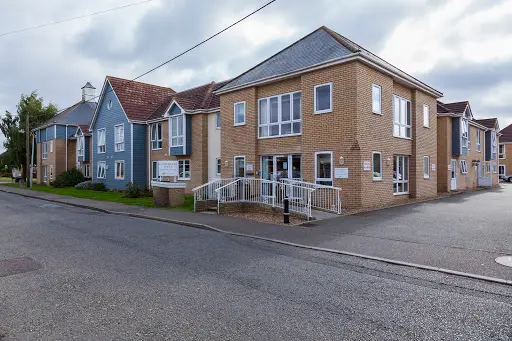
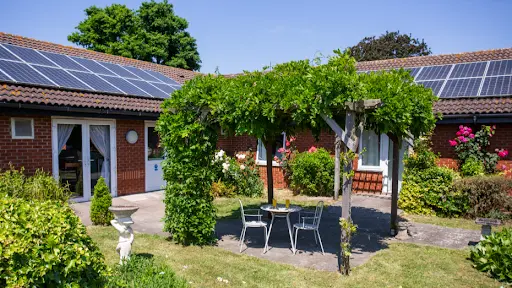
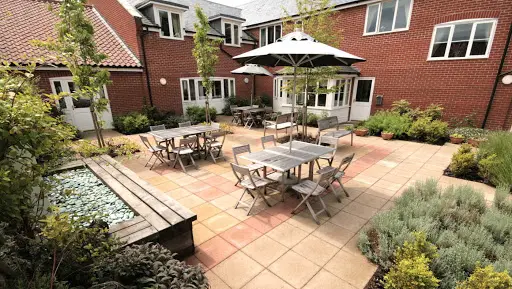
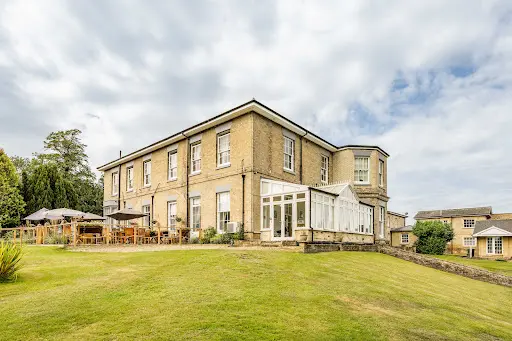
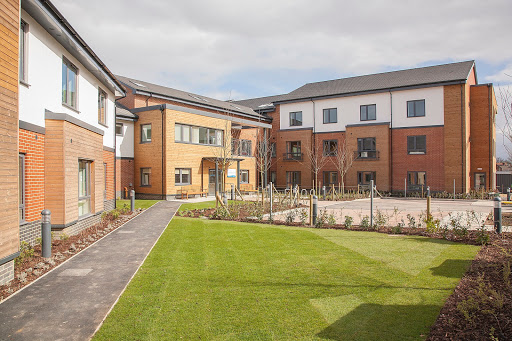
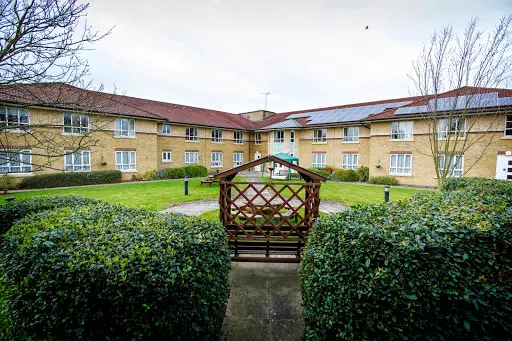
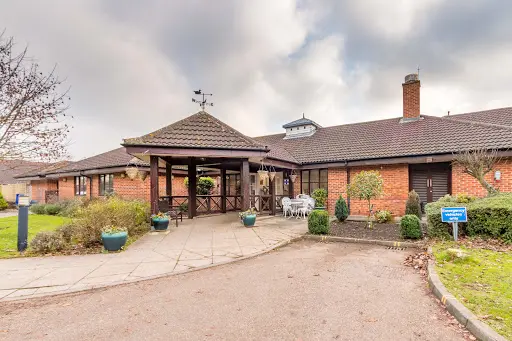
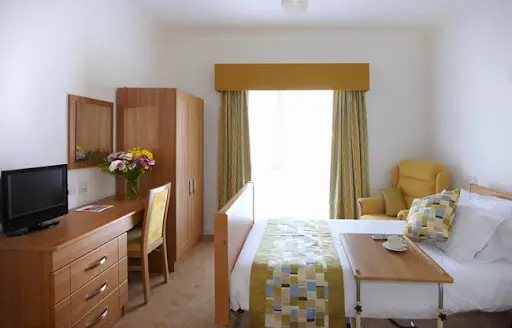
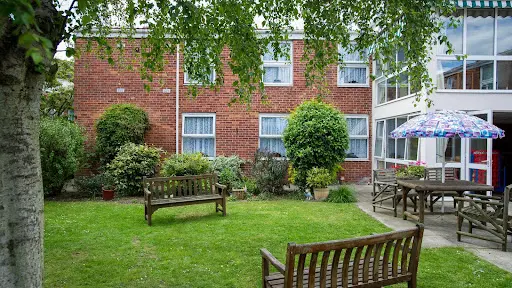
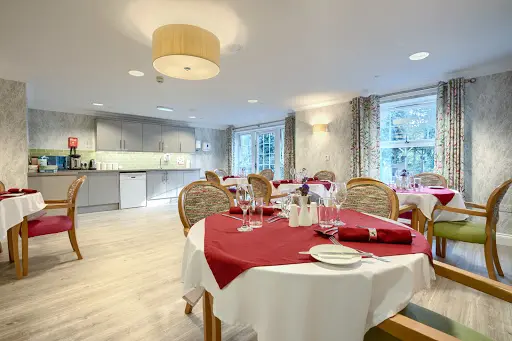
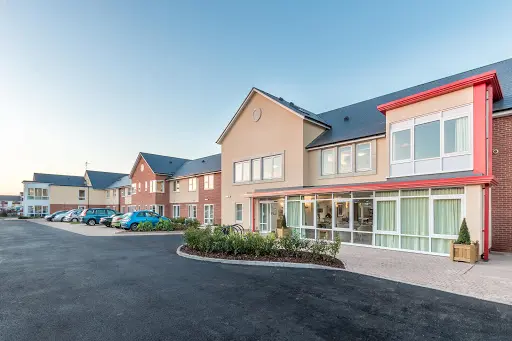
The chef gets to know what each resident enjoys eating, creating varied menus that work around different dietary needs. Families appreciate having outdoor spaces where they can spend time together in good weather. The home stays fresh and tidy, with attention paid to keeping everything comfortable and welcoming.
“Sometimes the hardest decisions lead to the most meaningful connections — between carers and residents, between families finding comfort in shared experiences.”
DCC does not edit or curate content in this tab. For independently curated information, see The Evidence and DCC Verdict.