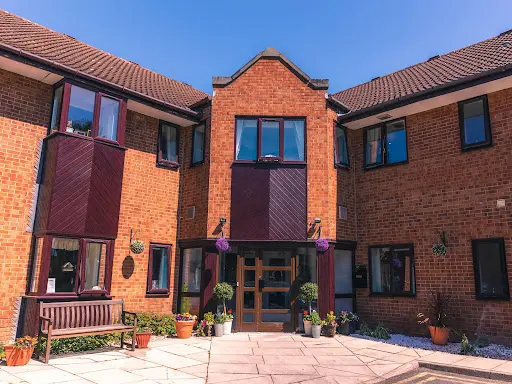
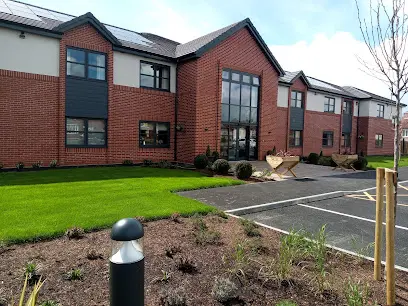
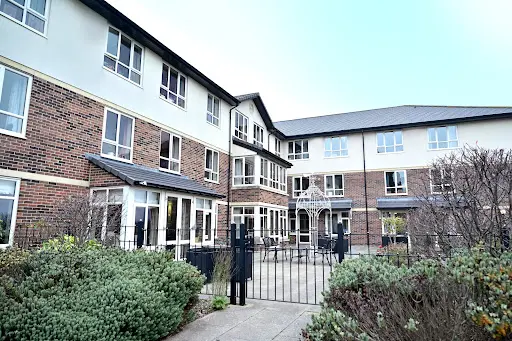
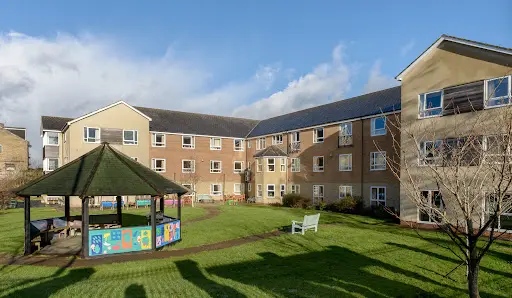
Mill View care home, Bradford
At a Glance
The information you need to decide whether this home warrants a closer look.
Residential homes
Staff warmth score
of reviewers answered yes
Good to know
- Registered beds50
- SpecialismsCaring for adults over 65 yrs, Dementia
- Last inspected2024-01-09
Save Mill View care home, Bradford to your shortlist
Keep a running list, add visit notes, and compare homes side-by-side. Free account — it takes a minute.
STAGE 4 — RESEARCHING CARE HOMES
Visit homes. Compare them side by side. Choose with confidence.
Most of us will view care homes the way we view houses, impression, atmosphere, the feeling in the corridor. We go home, try to remember what we saw, and make a permanent decision from a blurred memory.

The DCC shortlist gives every home you visit a structured record: the same twelve questions, answered the same way, every time. When you’re ready to choose, pull any two homes side by side and compare them directly. Same criteria, same evidence, your notes and your scores.
The Evidence
What the review data, the inspection reports, and the dementia-care evidence base tell us about this home.
What families say
What strikes visitors most is how staff remember the small things that matter to each resident. They notice when someone prefers their tea a certain way or needs extra reassurance on difficult days. The home organises themed evenings and summer fairs that bring families together, creating moments of joy alongside daily care.
The eight family priority themes
- Staff warmth75
- Compassion & dignity75
- Cleanliness55
- Activities & engagement65
- Food quality60
- Healthcare55
- Management & leadership70
- Resident happiness70
What inspectors found
Inspected 2024-01-09
Is this home safe?
Is the care effective?
The Effective domain was rated Good, covering training, care planning, healthcare access, and nutritional support. A Good rating here means inspectors were satisfied that staff have the knowledge and tools to deliver competent care. The home specialises in dementia, so effective practice should include dementia-specific training and care plans that reflect the individual's history, preferences, and communication needs. The published summary does not provide specific detail on training completion rates, GP visit frequency, or how care plans are written and reviewed. The Anchor Hanover Group, which runs the home, is a large national provider with formal training infrastructure.Is this home caring?
The Caring domain was rated Good, the domain most directly concerned with how staff treat the people who live here. Inspectors assess whether staff are warm and respectful, whether residents are addressed by their preferred names, whether privacy is maintained, and whether people are supported to make their own choices where possible. A Good rating means the inspection team observed sufficient positive evidence of these behaviours across the home. The published summary does not include specific observations or quotes from residents or relatives, so the depth of warmth cannot be assessed from the report alone. No concerns about dignity or disrespectful practice were recorded.Is the home responsive?
The Responsive domain was rated Good, covering how well the home meets individual needs, including activities, engagement, and end-of-life care. A Good rating here means inspectors were satisfied that the home makes reasonable efforts to offer a life beyond basic personal care. For a dementia-specialist home with 50 residents, responsiveness includes both group and individual activities, as well as ensuring that people with more advanced dementia are not simply left in front of a television. The published summary does not describe specific activities, name an activities coordinator, or confirm whether one-to-one engagement is available for residents who cannot participate in groups.Is the home well-led?
The Well-led domain was rated Good, meaning inspectors were satisfied with the governance, management culture, and accountability structures at the home. Mrs Carmen Elena Susai is the registered manager, and Mr Daniel Ryan is the nominated individual for the Anchor Hanover Group. A Good rating here suggests the manager is visible and known to staff, that there are systems for reviewing incidents and complaints, and that the staff feel supported. The context worth noting is that the home's overall rating has declined from Outstanding to Good, with a Requires Improvement in Safety alongside it. That trajectory raises a question about whether the current leadership team inherited the shortfall or contributed to it, and what is being done to restore the previous standard.
Source: CQC inspection report →
What the evidence base says
The home cares for adults over 65, with particular expertise in dementia support. Mill View allows residents with dementia to move between floors as their needs change, avoiding the disruption of transferring to new homes. This continuity helps reduce anxiety during cognitive decline, keeping people in familiar surroundings with staff who know them well. All areas worth probing directly during a visit.
The DCC Verdict
Our editorial view, built from the three lenses: what families tell us, what inspectors record, and how the home sits against good dementia-care practice.
DCC Family Score
Mill View scores in the solid mid-range for a home rated Good overall, but the Requires Improvement in Safety pulls the score down noticeably. The strongest evidence sits in caring and staff warmth; the weakest areas, cleanliness and healthcare, are where you should focus your questions on a visit.
Homes in Yorkshire & Humberside typically score 68–82.The three-lens summary
What families tell us
What strikes visitors most is how staff remember the small things that matter to each resident. They notice when someone prefers their tea a certain way or needs extra reassurance on difficult days. The home organises themed evenings and summer fairs that bring families together, creating moments of joy alongside daily care.
What inspectors have recorded
Staff here understand that supporting families matters as much as caring for residents. When carers feel overwhelmed, management takes time to listen and offer practical reassurance. The team's approach to end-of-life care shows particular thoughtfulness — they create dignity in those final days and support families through their grief.
How it sits against good practice
Sometimes the right care home reveals itself through the details — in how staff line the driveway when a resident passes, or how they remember who takes sugar in their tea.
Worth a visit
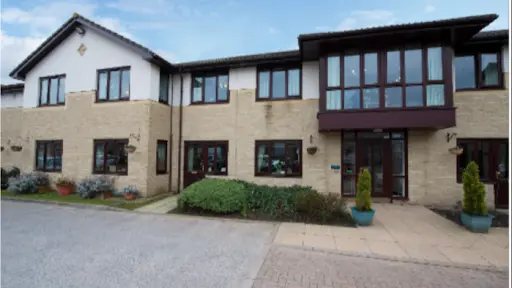
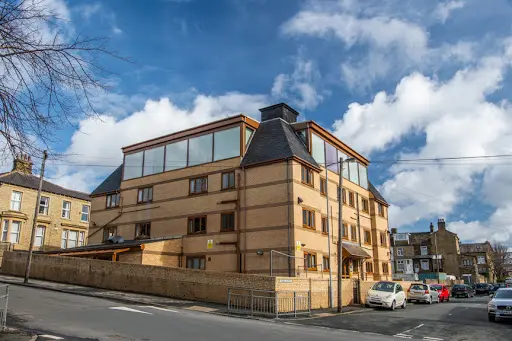
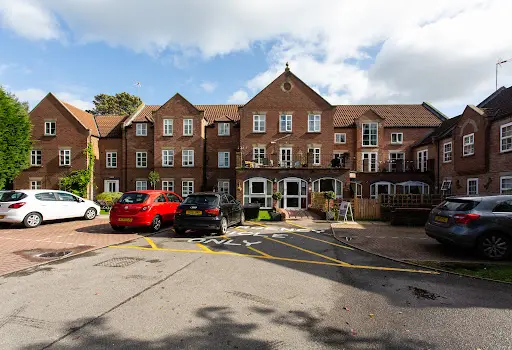
Mill View, on Bolton Lane in Bradford, was rated Good overall at its inspection in November 2023, with Good ratings in Effective, Caring, Responsive, and Well-led. Inspectors found enough positive evidence across care quality, staff behaviour, and management to award a Good rating in four of the five domains. The home is run by Anchor Hanover Group, one of the larger care providers in England, and has a named registered manager and nominated individual in post. The significant concern is the Requires Improvement rating in Safe, which marks a decline from what was previously an Outstanding home. That trajectory, from Outstanding down to a mixed result, is the single most important thing to explore before making a decision. On a visit, ask the manager to explain specifically what the safety shortfalls were, what has been done since November 2023 to address them, and when they expect a reinspection. Also ask how many permanent staff, rather than agency staff, are on duty overnight. The published inspection summary is brief, so many questions about food, activities, dementia-specific environments, and family communication cannot be answered from the report alone and require a direct conversation with the home.
The three questions to ask when you visitSave this home. Compare it against your shortlist.
Let our analysis show you how Mill View care home, Bradford measures up against the other homes you’re considering. Free account.
In Their Own Words
How Mill View care home, Bradford describes itself — collected from its own website. DCC has not edited or independently verified the content in this tab.
Where dementia care feels like coming home to old friends
Mill View – Your Trusted residential home
For families facing dementia's challenges, Mill View in Bradford offers something genuinely different. The home's approach centres on keeping residents in familiar surroundings as their needs change, with staff who take time to know each person's story. Families describe a place where their loved ones feel settled rather than displaced.
Who they care for
The home cares for adults over 65, with particular expertise in dementia support.
Mill View allows residents with dementia to move between floors as their needs change, avoiding the disruption of transferring to new homes. This continuity helps reduce anxiety during cognitive decline, keeping people in familiar surroundings with staff who know them well.
“Sometimes the right care home reveals itself through the details — in how staff line the driveway when a resident passes, or how they remember who takes sugar in their tea.”
DCC does not edit or curate content in this tab. For independently curated information, see The Evidence and DCC Verdict.
The DCC Verdict
Our editorial view, built from the three lenses: what families tell us, what inspectors record, and how the home sits against good dementia-care practice.
DCC Family Score
Mill View scores in the solid mid-range for a home rated Good overall, but the Requires Improvement in Safety pulls the score down noticeably. The strongest evidence sits in caring and staff warmth; the weakest areas, cleanliness and healthcare, are where you should focus your questions on a visit.
Homes in Yorkshire & Humberside typically score 68–82.The three-lens summary
What families tell us
What strikes visitors most is how staff remember the small things that matter to each resident. They notice when someone prefers their tea a certain way or needs extra reassurance on difficult days. The home organises themed evenings and summer fairs that bring families together, creating moments of joy alongside daily care.
What inspectors have recorded
Staff here understand that supporting families matters as much as caring for residents. When carers feel overwhelmed, management takes time to listen and offer practical reassurance. The team's approach to end-of-life care shows particular thoughtfulness — they create dignity in those final days and support families through their grief.
How it sits against good practice
Sometimes the right care home reveals itself through the details — in how staff line the driveway when a resident passes, or how they remember who takes sugar in their tea.
Worth a visit
Mill View, on Bolton Lane in Bradford, was rated Good overall at its inspection in November 2023, with Good ratings in Effective, Caring, Responsive, and Well-led. Inspectors found enough positive evidence across care quality, staff behaviour, and management to award a Good rating in four of the five domains. The home is run by Anchor Hanover Group, one of the larger care providers in England, and has a named registered manager and nominated individual in post. The significant concern is the Requires Improvement rating in Safe, which marks a decline from what was previously an Outstanding home. That trajectory, from Outstanding down to a mixed result, is the single most important thing to explore before making a decision. On a visit, ask the manager to explain specifically what the safety shortfalls were, what has been done since November 2023 to address them, and when they expect a reinspection. Also ask how many permanent staff, rather than agency staff, are on duty overnight. The published inspection summary is brief, so many questions about food, activities, dementia-specific environments, and family communication cannot be answered from the report alone and require a direct conversation with the home.
The three questions to ask when you visitSave this home. Compare it against your shortlist.
Let our analysis show you how Mill View care home, Bradford measures up against the other homes you’re considering. Free account.
In Their Own Words
How Mill View care home, Bradford describes itself — collected from its own website. DCC has not edited or independently verified the content in this tab.
Where dementia care feels like coming home to old friends
Mill View – Your Trusted residential home
For families facing dementia's challenges, Mill View in Bradford offers something genuinely different. The home's approach centres on keeping residents in familiar surroundings as their needs change, with staff who take time to know each person's story. Families describe a place where their loved ones feel settled rather than displaced.
Who they care for
The home cares for adults over 65, with particular expertise in dementia support.
Mill View allows residents with dementia to move between floors as their needs change, avoiding the disruption of transferring to new homes. This continuity helps reduce anxiety during cognitive decline, keeping people in familiar surroundings with staff who know them well.
Management & ethos
Staff here understand that supporting families matters as much as caring for residents. When carers feel overwhelmed, management takes time to listen and offer practical reassurance. The team's approach to end-of-life care shows particular thoughtfulness — they create dignity in those final days and support families through their grief.
The home & environment
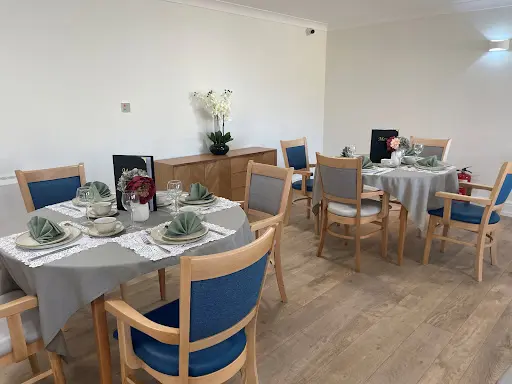
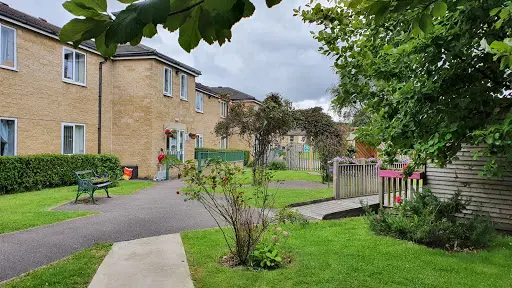
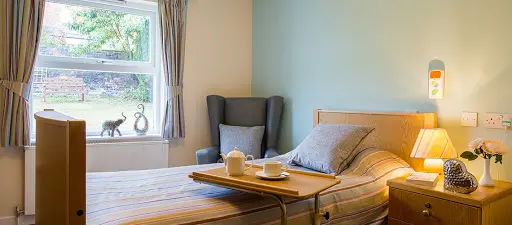
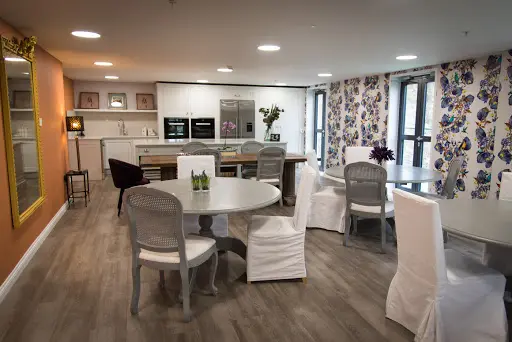
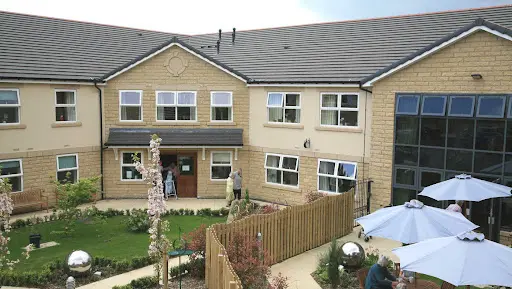
The kitchen prepares fresh meals daily, with proper home cooking that families say their relatives actually enjoy eating. Outside, the gardens provide quiet spaces where residents can spend time in good weather. The home keeps everything spotlessly clean, with recent refurbishments creating bright, comfortable spaces throughout.
“Sometimes the right care home reveals itself through the details — in how staff line the driveway when a resident passes, or how they remember who takes sugar in their tea.”
DCC does not edit or curate content in this tab. For independently curated information, see The Evidence and DCC Verdict.