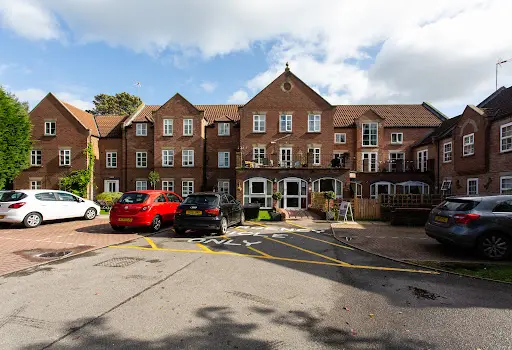
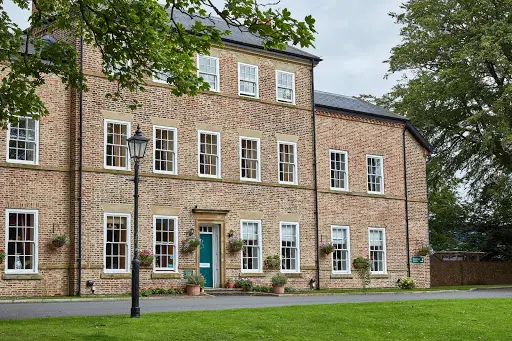
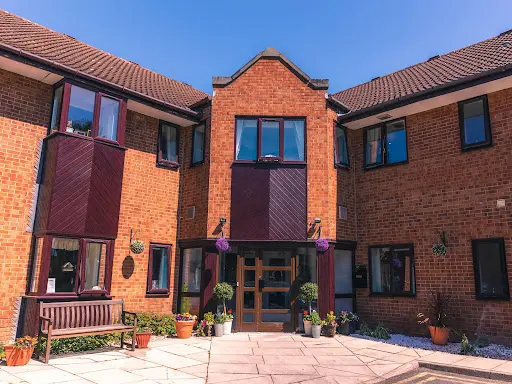
Ashcroft care home, Undercliffe

At a Glance
The information you need to decide whether this home warrants a closer look.
Residential homes
Staff warmth score
of reviewers answered yes
Good to know
- Registered beds66
- SpecialismsCaring for adults over 65 yrs, Dementia
- Last inspected2018-09-12
Save Ashcroft care home, Undercliffe to your shortlist
Keep a running list, add visit notes, and compare homes side-by-side. Free account — it takes a minute.
STAGE 4 — RESEARCHING CARE HOMES
Visit homes. Compare them side by side. Choose with confidence.
Most of us will view care homes the way we view houses, impression, atmosphere, the feeling in the corridor. We go home, try to remember what we saw, and make a permanent decision from a blurred memory.

The DCC shortlist gives every home you visit a structured record: the same twelve questions, answered the same way, every time. When you’re ready to choose, pull any two homes side by side and compare them directly. Same criteria, same evidence, your notes and your scores.
The Evidence
What the review data, the inspection reports, and the dementia-care evidence base tell us about this home.
What families say
Families talk about how staff genuinely listen when they share concerns, then actually do something about them. People describe feeling welcomed rather than judged when they visit. The atmosphere seems to help residents relax too — some who struggled in other places have found their feet here.
The eight family priority themes
- Staff warmth78
- Compassion & dignity85
- Cleanliness68
- Activities & engagement65
- Food quality60
- Healthcare65
- Management & leadership72
- Resident happiness72
What inspectors found
Inspected 2018-09-12
Is this home safe?
Is the care effective?
The effective domain was rated Good, meaning inspectors were satisfied that staff had the skills and knowledge to meet residents' needs, that care plans reflected individual requirements, and that residents had appropriate access to health professionals including GPs. The home specialises in dementia care for adults over 65, so dementia-specific training and care planning would have been part of what inspectors assessed. No specific detail about training content, care plan format, or health monitoring processes is available in the published summary.Is this home caring?
The caring domain was rated Outstanding, the highest possible rating and one awarded to fewer than one in ten care homes inspected in England. This rating requires inspectors to have found specific, consistent evidence of staff treating residents with genuine warmth, compassion, and respect, going well beyond basic compliance. It typically involves direct observations of interactions, testimony from residents and relatives, and evidence that individual preferences and dignity are actively upheld. The published summary does not reproduce specific quotes or observations, but the rating itself carries significant evidential weight.Is the home responsive?
The responsive domain was rated Good, meaning inspectors were satisfied that the home tailored its care to individual needs, offered a range of activities and opportunities for engagement, and had processes for handling complaints. The home specialises in dementia care, which means responsiveness to changing needs and communication styles would have been part of what inspectors considered. No specific detail about the activity programme, individual engagement, or complaint handling processes is available in the published summary.Is the home well-led?
The well-led domain was rated Good, meaning inspectors were satisfied that the home has effective governance, that the registered manager is accountable, and that staff are supported to raise concerns. The home had previously been rated Requires Improvement, so the improvement to Good in this domain indicates that leadership and oversight were strengthened. The registered manager is listed as Miss Emma Rachel Ciccone and the nominated individual as Mr Daniel Ryan. The home is operated by Anchor Hanover Group, one of the larger care providers in England.
Source: CQC inspection report →
What the evidence base says
Ashcroft provides residential care for adults over 65, with specific support for those living with dementia. They also care for younger adults who need residential support. The home has a dedicated dementia floor where staff work to help residents feel secure and engaged. Families mention sensory activities and gentle encouragement that helps their loved ones stay connected. All areas worth probing directly during a visit.
The DCC Verdict
Our editorial view, built from the three lenses: what families tell us, what inspectors record, and how the home sits against good dementia-care practice.
DCC Family Score
Ashcroft scores well above average for warmth and dignity, reflecting its Outstanding rating for caring. Scores in food, activities, and cleanliness are more cautious because the inspection text available does not provide specific supporting detail in those areas.
Homes in Yorkshire & Humberside typically score 68–82.The three-lens summary
What families tell us
Families talk about how staff genuinely listen when they share concerns, then actually do something about them. People describe feeling welcomed rather than judged when they visit. The atmosphere seems to help residents relax too — some who struggled in other places have found their feet here.
What inspectors have recorded
Staff seem to understand what matters most — treating residents with patience and respect, especially during difficult times. When families need reassurance or have questions, they find staff approachable and willing to talk things through. One family did raise concerns about how some health issues were handled, particularly around infection checks and safety procedures on the dementia floor.
How it sits against good practice
Sometimes the smallest things — a staff member who remembers how your dad takes his tea, or seeing your mum laughing with new friends — tell you everything you need to know.
Worth a visit
Ashcroft in Bradford was rated Good overall at its last inspection in April 2018, having improved from a previous rating of Requires Improvement. That improvement matters: it tells you the home identified what was not working and fixed it. The standout result is an Outstanding rating for caring, the highest grade available and one awarded to fewer than one in ten care homes in England. The remaining four domains, safe, effective, responsive, and well-led, were all rated Good. The main uncertainty here is age. This inspection was carried out in April 2018, which means the findings are now more than six years old. A review in July 2023 found no reason to change the rating, but that was a desk-based check rather than a fresh inspection. A lot can change in six years, including staff, management, and ownership. The home is now run by Anchor Hanover Group. On your visit, ask how long the current registered manager has been in post, ask to see last month's staffing rota (not a template), and pay close attention to how staff interact with residents in corridors and communal spaces, because that will tell you more than any paperwork.
The three questions to ask when you visitSave this home. Compare it against your shortlist.
Let our analysis show you how Ashcroft care home, Undercliffe measures up against the other homes you’re considering. Free account.
In Their Own Words
How Ashcroft care home, Undercliffe describes itself — collected from its own website. DCC has not edited or independently verified the content in this tab.
Where dignity and friendship help families breathe easier
Ashcroft – Your Trusted residential home
When you're worried about someone you love, finding the right place can feel overwhelming. Ashcroft in Bradford has become a place where many families say they finally feel that weight lifting. Residents here often surprise their families by settling in quickly, making friends with other residents and chatting easily with staff.
Who they care for
Ashcroft provides residential care for adults over 65, with specific support for those living with dementia. They also care for younger adults who need residential support.
The home has a dedicated dementia floor where staff work to help residents feel secure and engaged. Families mention sensory activities and gentle encouragement that helps their loved ones stay connected.
“Sometimes the smallest things — a staff member who remembers how your dad takes his tea, or seeing your mum laughing with new friends — tell you everything you need to know.”
DCC does not edit or curate content in this tab. For independently curated information, see The Evidence and DCC Verdict.
The DCC Verdict
Our editorial view, built from the three lenses: what families tell us, what inspectors record, and how the home sits against good dementia-care practice.
DCC Family Score
Ashcroft scores well above average for warmth and dignity, reflecting its Outstanding rating for caring. Scores in food, activities, and cleanliness are more cautious because the inspection text available does not provide specific supporting detail in those areas.
Homes in Yorkshire & Humberside typically score 68–82.The three-lens summary
What families tell us
Families talk about how staff genuinely listen when they share concerns, then actually do something about them. People describe feeling welcomed rather than judged when they visit. The atmosphere seems to help residents relax too — some who struggled in other places have found their feet here.
What inspectors have recorded
Staff seem to understand what matters most — treating residents with patience and respect, especially during difficult times. When families need reassurance or have questions, they find staff approachable and willing to talk things through. One family did raise concerns about how some health issues were handled, particularly around infection checks and safety procedures on the dementia floor.
How it sits against good practice
Sometimes the smallest things — a staff member who remembers how your dad takes his tea, or seeing your mum laughing with new friends — tell you everything you need to know.
Worth a visit
Ashcroft in Bradford was rated Good overall at its last inspection in April 2018, having improved from a previous rating of Requires Improvement. That improvement matters: it tells you the home identified what was not working and fixed it. The standout result is an Outstanding rating for caring, the highest grade available and one awarded to fewer than one in ten care homes in England. The remaining four domains, safe, effective, responsive, and well-led, were all rated Good. The main uncertainty here is age. This inspection was carried out in April 2018, which means the findings are now more than six years old. A review in July 2023 found no reason to change the rating, but that was a desk-based check rather than a fresh inspection. A lot can change in six years, including staff, management, and ownership. The home is now run by Anchor Hanover Group. On your visit, ask how long the current registered manager has been in post, ask to see last month's staffing rota (not a template), and pay close attention to how staff interact with residents in corridors and communal spaces, because that will tell you more than any paperwork.
The three questions to ask when you visitSave this home. Compare it against your shortlist.
Let our analysis show you how Ashcroft care home, Undercliffe measures up against the other homes you’re considering. Free account.
In Their Own Words
How Ashcroft care home, Undercliffe describes itself — collected from its own website. DCC has not edited or independently verified the content in this tab.
Where dignity and friendship help families breathe easier
Ashcroft – Your Trusted residential home
When you're worried about someone you love, finding the right place can feel overwhelming. Ashcroft in Bradford has become a place where many families say they finally feel that weight lifting. Residents here often surprise their families by settling in quickly, making friends with other residents and chatting easily with staff.
Who they care for
Ashcroft provides residential care for adults over 65, with specific support for those living with dementia. They also care for younger adults who need residential support.
The home has a dedicated dementia floor where staff work to help residents feel secure and engaged. Families mention sensory activities and gentle encouragement that helps their loved ones stay connected.
Management & ethos
Staff seem to understand what matters most — treating residents with patience and respect, especially during difficult times. When families need reassurance or have questions, they find staff approachable and willing to talk things through. One family did raise concerns about how some health issues were handled, particularly around infection checks and safety procedures on the dementia floor.
The home & environment
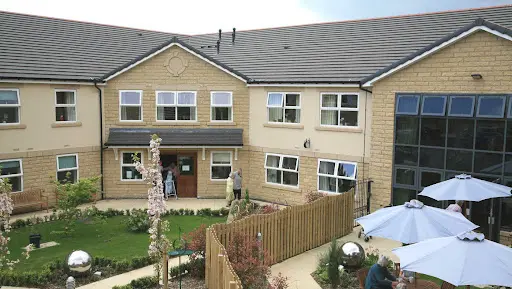
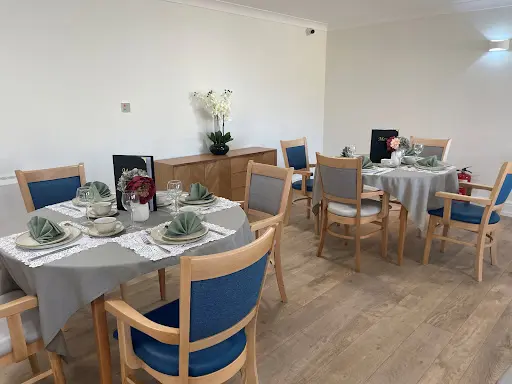
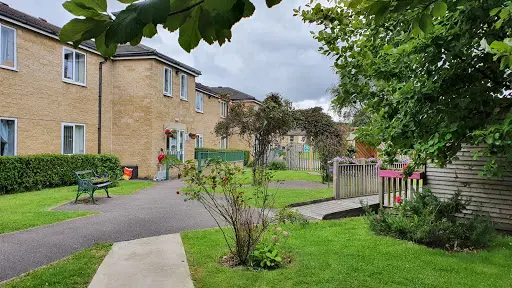
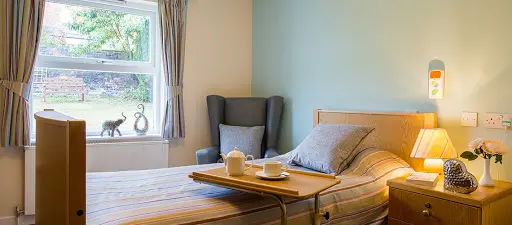
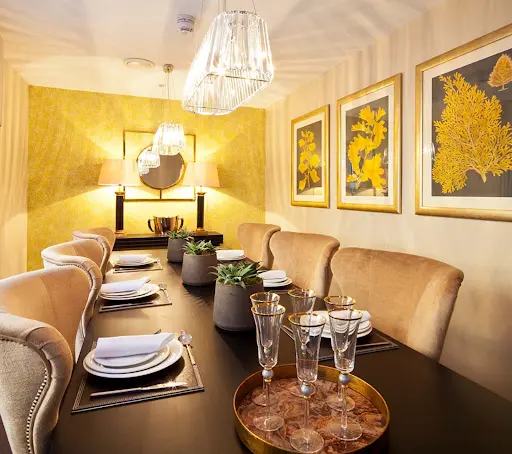
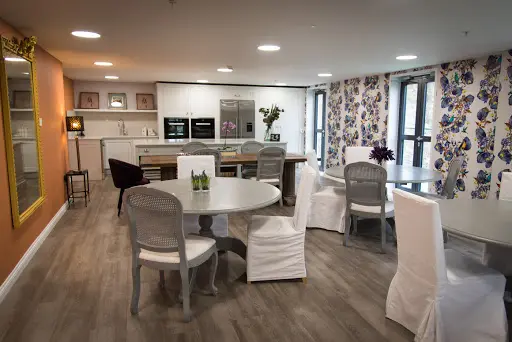
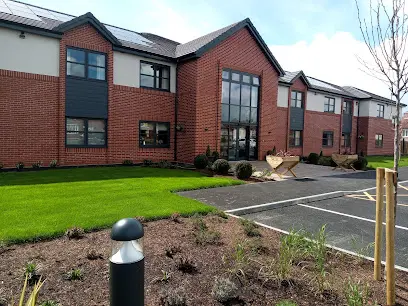
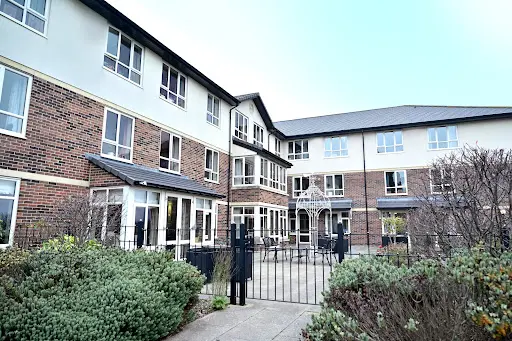
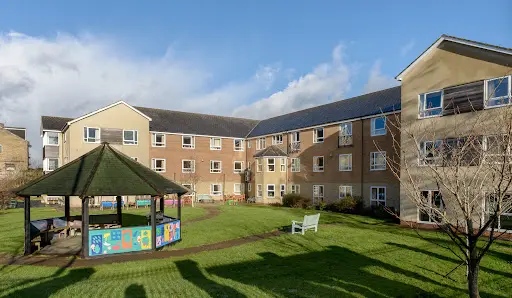
There's a real effort to keep life interesting with regular visits from hairdressers and entertainers, plus trips out when residents feel up to it. The home stays clean and well-kept, which families notice straight away. They've created different spaces where residents can socialise or find quiet moments.
“Sometimes the smallest things — a staff member who remembers how your dad takes his tea, or seeing your mum laughing with new friends — tell you everything you need to know.”
DCC does not edit or curate content in this tab. For independently curated information, see The Evidence and DCC Verdict.