Meadows House Residential and Nursing Home – Sanctuary Care

At a Glance
The information you need to decide whether this home warrants a closer look.
Nursing homes
Staff warmth score
of reviewers answered yes
Good to know
- Registered beds59
- SpecialismsCaring for adults over 65 yrs, Caring for adults under 65 yrs, Dementia, Physical disabilities, Sensory impairment
- Last inspected2019-09-19
Save Meadows House Residential and Nursing Home – Sanctuary Care to your shortlist
Keep a running list, add visit notes, and compare homes side-by-side. Free account — it takes a minute.
STAGE 4 — RESEARCHING CARE HOMES
Visit homes. Compare them side by side. Choose with confidence.
Most of us will view care homes the way we view houses, impression, atmosphere, the feeling in the corridor. We go home, try to remember what we saw, and make a permanent decision from a blurred memory.

The DCC shortlist gives every home you visit a structured record: the same twelve questions, answered the same way, every time. When you’re ready to choose, pull any two homes side by side and compare them directly. Same criteria, same evidence, your notes and your scores.
The Evidence
What the review data, the inspection reports, and the dementia-care evidence base tell us about this home.
What families say
The difference families notice most is how their loved ones settle in and begin to flourish. Residents who arrived feeling anxious or disconnected start joining in with activities, chatting with others, and showing real contentment in their new surroundings. The regular rhythm of music sessions, cooking activities, bingo games and seasonal celebrations gives each day structure and purpose.
The eight family priority themes
- Staff warmth55
- Compassion & dignity55
- Cleanliness55
- Activities & engagement35
- Food quality50
- Healthcare55
- Management & leadership60
- Resident happiness50
What inspectors found
Inspected 2019-09-19
Is this home safe?
Is the care effective?
Meadows House was rated Good for Effective at its August 2019 inspection. This domain covers training, care planning, healthcare access, nutrition, and how well staff understand the needs of the people they support. Dementia is listed as a specialism, which means the home should have specific competencies in this area. The published inspection text does not include detail about the content of dementia training, how frequently care plans are reviewed, or how GP and specialist health access is arranged. The Good rating indicates no significant failures were found in these areas.Is this home caring?
Meadows House was rated Good for Caring at its August 2019 inspection. This domain covers staff warmth, dignity, privacy, respect, and how well staff treat residents as individuals. A Good rating here means inspectors were satisfied with the overall culture of care. The published text does not include specific observations, direct quotes from residents or relatives, or examples of how dignity was upheld in practice. No concerns were flagged in this area.Is the home responsive?
Meadows House was rated Requires Improvement for Responsive at its August 2019 inspection. This is the one domain where the home did not meet the Good standard. The Responsive domain covers how well the home tailors care to individual needs, the variety and quality of activities, and how the home responds when things are not working for a resident. The published text does not describe the specific reasons the home received this rating, or what the home was told to improve. This gap in published detail is itself a reason to ask direct questions before deciding.Is the home well-led?
Meadows House was rated Good for Well-led at its August 2019 inspection. The report names Mrs Florina Mihnia as the registered manager and Mrs Louise Palmer as the nominated individual for the provider, Sanctuary Care Limited. A Good rating for Well-led indicates inspectors were satisfied with the governance structure, the culture of the home, and the accountability arrangements in place. The published text does not include detail about how long the manager has been in post, how staff are supported to raise concerns, or how the home monitors and improves quality over time.
Source: CQC inspection report →
What the evidence base says
The home provides both residential and nursing care for adults over 65, with additional expertise in supporting younger adults and those living with physical disabilities or sensory impairments. For residents living with dementia, the structured activity programme and consistent staff approach help create reassuring routines. The team understands how to support residents who may feel anxious or withdrawn, using familiar activities and gentle encouragement to help them reconnect. All areas worth probing directly during a visit.
The DCC Verdict
Our editorial view, built from the three lenses: what families tell us, what inspectors record, and how the home sits against good dementia-care practice.
DCC Family Score
Meadows House scores 68 out of 100, reflecting a home that has made genuine progress from a previous Requires Improvement rating to Good overall, but where the inspection text provides limited specific detail across most areas and where the Responsive domain remains Requires Improvement, meaning activities and individualised engagement still need attention.
Homes in London typically score 68–82.The three-lens summary
What families tell us
The difference families notice most is how their loved ones settle in and begin to flourish. Residents who arrived feeling anxious or disconnected start joining in with activities, chatting with others, and showing real contentment in their new surroundings. The regular rhythm of music sessions, cooking activities, bingo games and seasonal celebrations gives each day structure and purpose.
What inspectors have recorded
Staff work closely with families to create comfortable visiting experiences and keep communication flowing about any concerns. Some families have raised concerns about management approach and weekend responsiveness, which the home will want to address. The care team shows particular skill in supporting high-dependency residents, managing complex nursing needs with consistency and attentiveness throughout the day.
How it sits against good practice
Watching someone you love become themselves again makes all the difference when you're navigating such a difficult transition.
Worth a visit
Meadows House Residential and Nursing Home, at 95 Tudway Road in London SE3, was rated Good overall at its inspection on 29 August 2019. This represented genuine progress: the home had previously been rated Requires Improvement and has since moved upward across four of its five domains, including Safe, Effective, Caring, and Well-led. The registered manager, Mrs Florina Mihnia, was named in the report alongside a nominated individual, indicating an identified leadership structure. The inspection was reviewed again in July 2023, and no evidence was found at that point to change the rating. The most important uncertainty for any family considering this home is the Requires Improvement rating in the Responsive domain, which covers activities, individualised engagement, and how well the home responds to each person's preferences and needs. For a parent living with dementia, meaningful activity and personal recognition are not optional extras: they directly affect wellbeing. The published inspection text is limited in detail, so you will need to ask direct questions on a visit. Ask the manager to show you last week's actual activity records, not a planned timetable, and specifically ask how staff engage residents who cannot or do not join group sessions. This home shows improvement, but the responsive gap is worth pressing on.
The three questions to ask when you visitSave this home. Compare it against your shortlist.
Let our analysis show you how Meadows House Residential and Nursing Home – Sanctuary Care measures up against the other homes you’re considering. Free account.
In Their Own Words
How Meadows House Residential and Nursing Home – Sanctuary Care describes itself — collected from its own website. DCC has not edited or independently verified the content in this tab.
Where withdrawn residents rediscover joy through music and meaningful days
Meadows House Residential and Nursing Home – Your Trusted nursing home
When families see a loved one withdraw into themselves, finding the right care feels overwhelming. Meadows House Residential and Nursing Home in London has built its reputation on helping residents reconnect with life through carefully structured days and genuine warmth. Families describe watching their relatives transform from anxious and withdrawn to engaged and content, often within just a few weeks of moving in.
Who they care for
The home provides both residential and nursing care for adults over 65, with additional expertise in supporting younger adults and those living with physical disabilities or sensory impairments.
For residents living with dementia, the structured activity programme and consistent staff approach help create reassuring routines. The team understands how to support residents who may feel anxious or withdrawn, using familiar activities and gentle encouragement to help them reconnect.
“Watching someone you love become themselves again makes all the difference when you're navigating such a difficult transition.”
DCC does not edit or curate content in this tab. For independently curated information, see The Evidence and DCC Verdict.
The DCC Verdict
Our editorial view, built from the three lenses: what families tell us, what inspectors record, and how the home sits against good dementia-care practice.
DCC Family Score
Meadows House scores 68 out of 100, reflecting a home that has made genuine progress from a previous Requires Improvement rating to Good overall, but where the inspection text provides limited specific detail across most areas and where the Responsive domain remains Requires Improvement, meaning activities and individualised engagement still need attention.
Homes in London typically score 68–82.The three-lens summary
What families tell us
The difference families notice most is how their loved ones settle in and begin to flourish. Residents who arrived feeling anxious or disconnected start joining in with activities, chatting with others, and showing real contentment in their new surroundings. The regular rhythm of music sessions, cooking activities, bingo games and seasonal celebrations gives each day structure and purpose.
What inspectors have recorded
Staff work closely with families to create comfortable visiting experiences and keep communication flowing about any concerns. Some families have raised concerns about management approach and weekend responsiveness, which the home will want to address. The care team shows particular skill in supporting high-dependency residents, managing complex nursing needs with consistency and attentiveness throughout the day.
How it sits against good practice
Watching someone you love become themselves again makes all the difference when you're navigating such a difficult transition.
Worth a visit
Meadows House Residential and Nursing Home, at 95 Tudway Road in London SE3, was rated Good overall at its inspection on 29 August 2019. This represented genuine progress: the home had previously been rated Requires Improvement and has since moved upward across four of its five domains, including Safe, Effective, Caring, and Well-led. The registered manager, Mrs Florina Mihnia, was named in the report alongside a nominated individual, indicating an identified leadership structure. The inspection was reviewed again in July 2023, and no evidence was found at that point to change the rating. The most important uncertainty for any family considering this home is the Requires Improvement rating in the Responsive domain, which covers activities, individualised engagement, and how well the home responds to each person's preferences and needs. For a parent living with dementia, meaningful activity and personal recognition are not optional extras: they directly affect wellbeing. The published inspection text is limited in detail, so you will need to ask direct questions on a visit. Ask the manager to show you last week's actual activity records, not a planned timetable, and specifically ask how staff engage residents who cannot or do not join group sessions. This home shows improvement, but the responsive gap is worth pressing on.
The three questions to ask when you visitSave this home. Compare it against your shortlist.
Let our analysis show you how Meadows House Residential and Nursing Home – Sanctuary Care measures up against the other homes you’re considering. Free account.
In Their Own Words
How Meadows House Residential and Nursing Home – Sanctuary Care describes itself — collected from its own website. DCC has not edited or independently verified the content in this tab.
Where withdrawn residents rediscover joy through music and meaningful days
Meadows House Residential and Nursing Home – Your Trusted nursing home
When families see a loved one withdraw into themselves, finding the right care feels overwhelming. Meadows House Residential and Nursing Home in London has built its reputation on helping residents reconnect with life through carefully structured days and genuine warmth. Families describe watching their relatives transform from anxious and withdrawn to engaged and content, often within just a few weeks of moving in.
Who they care for
The home provides both residential and nursing care for adults over 65, with additional expertise in supporting younger adults and those living with physical disabilities or sensory impairments.
For residents living with dementia, the structured activity programme and consistent staff approach help create reassuring routines. The team understands how to support residents who may feel anxious or withdrawn, using familiar activities and gentle encouragement to help them reconnect.
Management & ethos
Staff work closely with families to create comfortable visiting experiences and keep communication flowing about any concerns. Some families have raised concerns about management approach and weekend responsiveness, which the home will want to address. The care team shows particular skill in supporting high-dependency residents, managing complex nursing needs with consistency and attentiveness throughout the day.
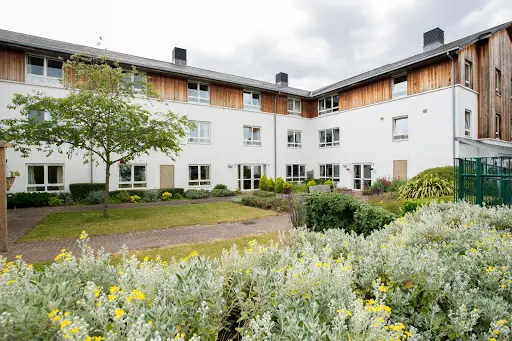
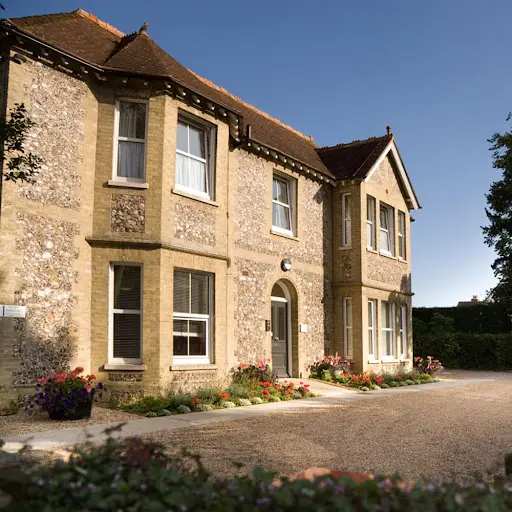
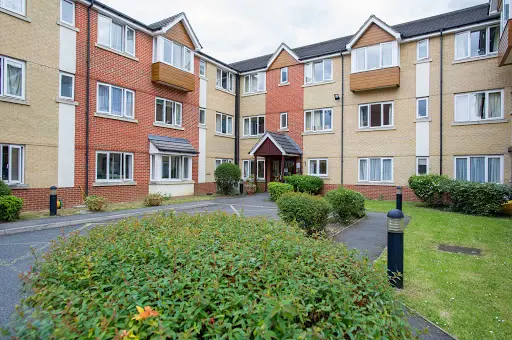
The home & environment
The kitchen prepares home-cooked meals on site, with careful attention to how food is presented and individual dietary needs are met. Residents' rooms stay fresh and well-maintained, while personal appearance and hygiene receive consistent attention. The home welcomes visiting entertainers and makes space for religious visits, ensuring residents can maintain their spiritual and cultural connections.
“Watching someone you love become themselves again makes all the difference when you're navigating such a difficult transition.”
DCC does not edit or curate content in this tab. For independently curated information, see The Evidence and DCC Verdict.