Manor House Residential Home
At a Glance
The information you need to decide whether this home warrants a closer look.
Residential homes, Supported housing
Staff warmth score
of reviewers answered yes
Good to know
- Registered beds22
- SpecialismsCaring for adults over 65 yrs, Dementia, Physical disabilities
- Last inspected2023-03-07
Save Manor House Residential Home to your shortlist
Keep a running list, add visit notes, and compare homes side-by-side. Free account — it takes a minute.
STAGE 4 — RESEARCHING CARE HOMES
Visit homes. Compare them side by side. Choose with confidence.
Most of us will view care homes the way we view houses, impression, atmosphere, the feeling in the corridor. We go home, try to remember what we saw, and make a permanent decision from a blurred memory.

The DCC shortlist gives every home you visit a structured record: the same twelve questions, answered the same way, every time. When you’re ready to choose, pull any two homes side by side and compare them directly. Same criteria, same evidence, your notes and your scores.
The Evidence
What the review data, the inspection reports, and the dementia-care evidence base tell us about this home.
What families say
What strikes visitors is how content residents seem here. Family members talk about seeing genuine affection between carers and residents, particularly those living with dementia. There's a patience and warmth that creates an atmosphere where people feel comfortable and cared for.
The eight family priority themes
- Staff warmth72
- Compassion & dignity72
- Cleanliness70
- Activities & engagement65
- Food quality65
- Healthcare68
- Management & leadership68
- Resident happiness70
What inspectors found
Inspected 2023-03-07
Is this home safe?
Is the care effective?
Manor House Residential Home received a 'Good' rating for Effective in the February 2024 assessment. The home lists dementia as a specialism, which implies a baseline expectation that staff are trained in dementia-specific care approaches. A 'Good' Effective rating typically reflects adequate care planning, training, and healthcare access — though the specific evidence gathered during the inspection is not available to us. The home is residential rather than nursing, so healthcare effectiveness is primarily about coordinating with external professionals such as GPs, community nurses, and physiotherapists.Is this home caring?
The home received a 'Good' rating for Caring in the February 2024 assessment. Caring is the domain most directly concerned with how staff treat your parent day to day — their warmth, respect, willingness to preserve dignity, and ability to respond to distress in someone who may not be able to use words. A 'Good' rating here is meaningful, particularly for a home that had previously declined to 'Requires Improvement'. However, no direct quotes from residents, relatives, or staff observations have been made available in the inspection data we hold.Is the home responsive?
Manor House received a 'Good' rating for Responsive in the February 2024 assessment. Responsiveness covers whether the home adapts to your parent as an individual — their history, preferences, routines, and what gives their day meaning. It also covers activities, end-of-life planning, and how the home handles complaints. At 22 beds, this is a relatively small home, which can support more personalised attention — though it also means fewer staff and resources for a varied activity programme.Is the home well-led?
The home received a 'Good' rating for Well-led in the February 2024 assessment. Two named leaders are listed in the registration data: Ms Julie Lloyd as Registered Manager and Mr Kiran Pancholi as Nominated Individual, under the provider organisation RKL Living Ltd. Leadership stability is particularly important at this home given that its overall rating declined from 'Good' to 'Requires Improvement' before recovering — suggesting that whatever drove the decline has since been addressed, at least to inspectors' satisfaction.
Source: CQC inspection report →
What the evidence base says
The home cares for people over 65, including those living with dementia and physical disabilities. Staff show particular skill in connecting with residents who have dementia, using patience and genuine warmth to help them feel secure and valued throughout their day. All areas worth probing directly during a visit.
The DCC Verdict
Our editorial view, built from the three lenses: what families tell us, what inspectors record, and how the home sits against good dementia-care practice.
DCC Family Score
Manor House Residential Home has recovered from a 'Requires Improvement' rating to achieve 'Good' across all five domains in its most recent assessment, suggesting meaningful improvement — but the inspection data available to us contains limited specific observations, quotes, or direct evidence to score confidently above the mid-range.
Homes in East Midlands typically score 68–82.The three-lens summary
What families tell us
What strikes visitors is how content residents seem here. Family members talk about seeing genuine affection between carers and residents, particularly those living with dementia. There's a patience and warmth that creates an atmosphere where people feel comfortable and cared for.
What inspectors have recorded
How it sits against good practice
Sometimes the smallest gestures reveal the most about a place — here, it's in those everyday moments of connection.
Worth a visit
Manor House Residential Home, a 22-bed residential and supported housing service in Market Harborough run by RKL Living Ltd, was rated 'Requires Improvement' overall at the time it was added to our database (March 2023). However, the most recent assessment — carried out in February 2024 and published in May 2024 — awarded 'Good' across all five inspection domains: Safe, Effective, Caring, Responsive, and Well-led. This is a meaningful turnaround and suggests that concerns identified in the earlier inspection have been addressed under the current registered management team. The home specialises in dementia and care for older adults, including people with physical disabilities. The main limitation of this report is transparency: the full text of the February 2024 assessment was not available to us, meaning we cannot tell you what inspectors actually saw, heard, or read during their visit. The 'Good' ratings are encouraging, but without specific observations, resident or relative quotes, or evidence of what changed since the previous 'Requires Improvement' rating, it is difficult to go beyond the headline. On your visit, ask the manager directly what the earlier inspection identified as concerns and how those have been resolved. Also ask how many permanent staff work on the dementia unit overnight, and whether families are involved in reviewing care plans.
The three questions to ask when you visitSave this home. Compare it against your shortlist.
Let our analysis show you how Manor House Residential Home measures up against the other homes you’re considering. Free account.
In Their Own Words
How Manor House Residential Home describes itself — collected from its own website. DCC has not edited or independently verified the content in this tab.
Where patience and genuine warmth make the difference
Manor House Residential Home – Your Trusted residential home,supported housing
Finding the right care takes more than comparing facilities — it's about discovering where your loved one will truly feel valued. Manor House Residential Home in Market Harborough understands this deeply. Here, families have found something precious: carers who connect with residents as individuals, whether they're tending gardens or simply sharing quiet moments together.
Who they care for
The home cares for people over 65, including those living with dementia and physical disabilities.
Staff show particular skill in connecting with residents who have dementia, using patience and genuine warmth to help them feel secure and valued throughout their day.
“Sometimes the smallest gestures reveal the most about a place — here, it's in those everyday moments of connection.”
DCC does not edit or curate content in this tab. For independently curated information, see The Evidence and DCC Verdict.
The DCC Verdict
Our editorial view, built from the three lenses: what families tell us, what inspectors record, and how the home sits against good dementia-care practice.
DCC Family Score
Manor House Residential Home has recovered from a 'Requires Improvement' rating to achieve 'Good' across all five domains in its most recent assessment, suggesting meaningful improvement — but the inspection data available to us contains limited specific observations, quotes, or direct evidence to score confidently above the mid-range.
Homes in East Midlands typically score 68–82.The three-lens summary
What families tell us
What strikes visitors is how content residents seem here. Family members talk about seeing genuine affection between carers and residents, particularly those living with dementia. There's a patience and warmth that creates an atmosphere where people feel comfortable and cared for.
What inspectors have recorded
How it sits against good practice
Sometimes the smallest gestures reveal the most about a place — here, it's in those everyday moments of connection.
Worth a visit
Manor House Residential Home, a 22-bed residential and supported housing service in Market Harborough run by RKL Living Ltd, was rated 'Requires Improvement' overall at the time it was added to our database (March 2023). However, the most recent assessment — carried out in February 2024 and published in May 2024 — awarded 'Good' across all five inspection domains: Safe, Effective, Caring, Responsive, and Well-led. This is a meaningful turnaround and suggests that concerns identified in the earlier inspection have been addressed under the current registered management team. The home specialises in dementia and care for older adults, including people with physical disabilities. The main limitation of this report is transparency: the full text of the February 2024 assessment was not available to us, meaning we cannot tell you what inspectors actually saw, heard, or read during their visit. The 'Good' ratings are encouraging, but without specific observations, resident or relative quotes, or evidence of what changed since the previous 'Requires Improvement' rating, it is difficult to go beyond the headline. On your visit, ask the manager directly what the earlier inspection identified as concerns and how those have been resolved. Also ask how many permanent staff work on the dementia unit overnight, and whether families are involved in reviewing care plans.
The three questions to ask when you visitSave this home. Compare it against your shortlist.
Let our analysis show you how Manor House Residential Home measures up against the other homes you’re considering. Free account.
In Their Own Words
How Manor House Residential Home describes itself — collected from its own website. DCC has not edited or independently verified the content in this tab.
Where patience and genuine warmth make the difference
Manor House Residential Home – Your Trusted residential home,supported housing
Finding the right care takes more than comparing facilities — it's about discovering where your loved one will truly feel valued. Manor House Residential Home in Market Harborough understands this deeply. Here, families have found something precious: carers who connect with residents as individuals, whether they're tending gardens or simply sharing quiet moments together.
Who they care for
The home cares for people over 65, including those living with dementia and physical disabilities.
Staff show particular skill in connecting with residents who have dementia, using patience and genuine warmth to help them feel secure and valued throughout their day.
The home & environment
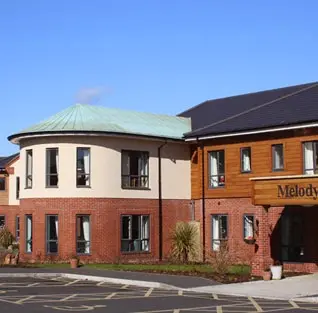
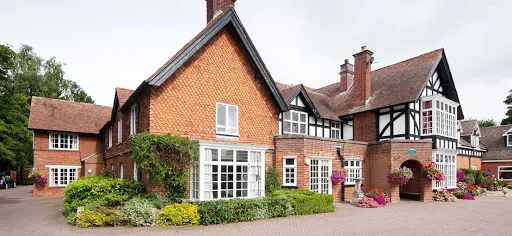
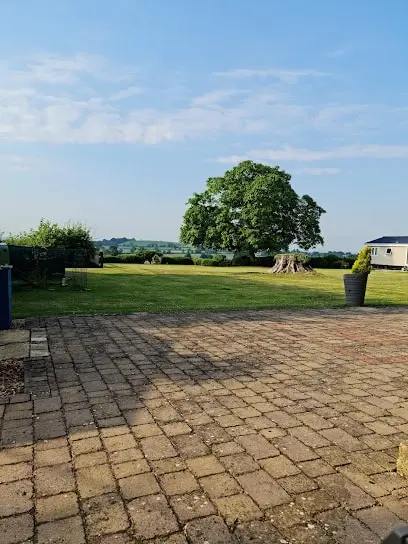
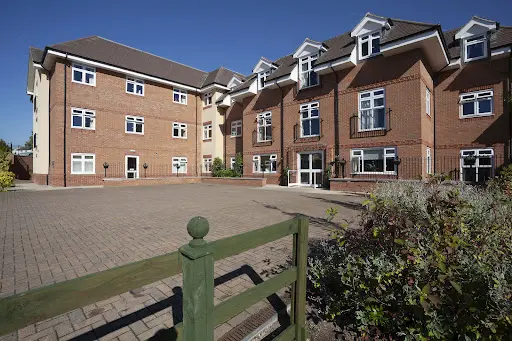
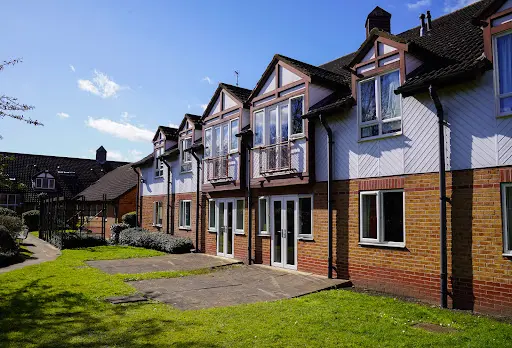
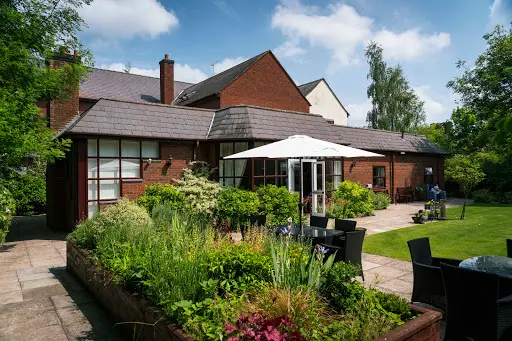
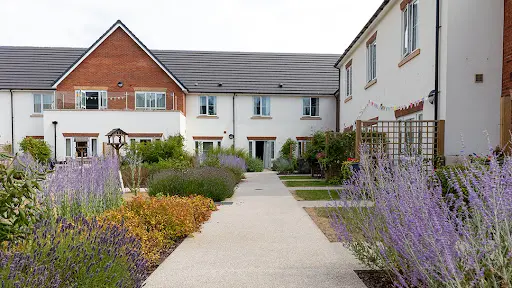
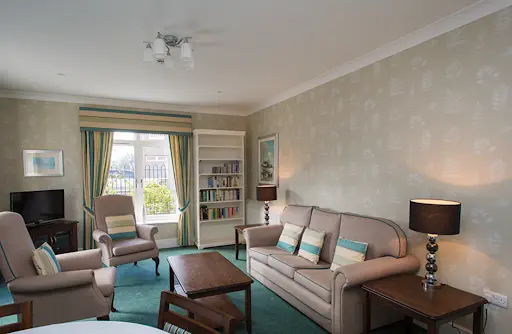
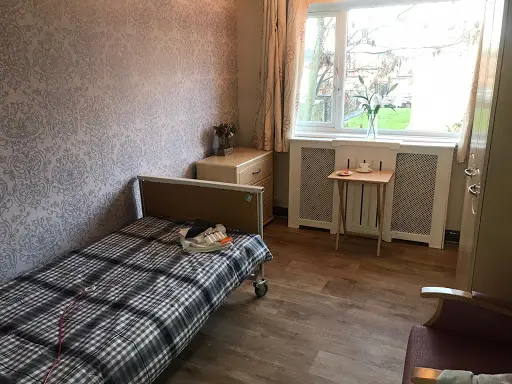
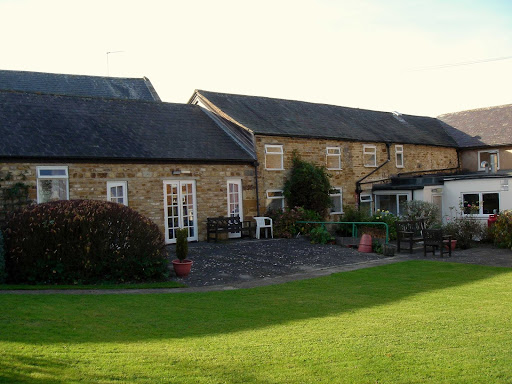
The bedrooms are kept fresh and clean, with pleasant views that residents enjoy. When possible, people are encouraged to pursue the activities that have always mattered to them — whether that's pottering in the garden or other familiar pastimes that bring comfort and purpose.
“Sometimes the smallest gestures reveal the most about a place — here, it's in those everyday moments of connection.”
DCC does not edit or curate content in this tab. For independently curated information, see The Evidence and DCC Verdict.