Lenthall House Residential Home

At a Glance
The information you need to decide whether this home warrants a closer look.
Residential homes
Staff warmth score
of reviewers answered yes
Good to know
- Registered beds40
- SpecialismsCaring for adults over 65 yrs, Caring for adults under 65 yrs, Dementia, Learning disabilities, Mental health conditions, Physical disabilities, Sensory impairment
- Last inspected2022-08-17
Save Lenthall House Residential Home to your shortlist
Keep a running list, add visit notes, and compare homes side-by-side. Free account — it takes a minute.
STAGE 4 — RESEARCHING CARE HOMES
Visit homes. Compare them side by side. Choose with confidence.
Most of us will view care homes the way we view houses, impression, atmosphere, the feeling in the corridor. We go home, try to remember what we saw, and make a permanent decision from a blurred memory.

The DCC shortlist gives every home you visit a structured record: the same twelve questions, answered the same way, every time. When you’re ready to choose, pull any two homes side by side and compare them directly. Same criteria, same evidence, your notes and your scores.
The Evidence
What the review data, the inspection reports, and the dementia-care evidence base tell us about this home.
What families say
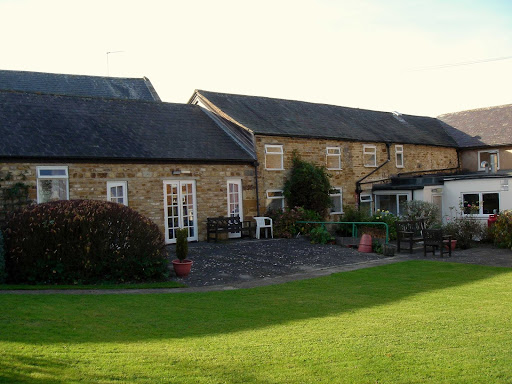
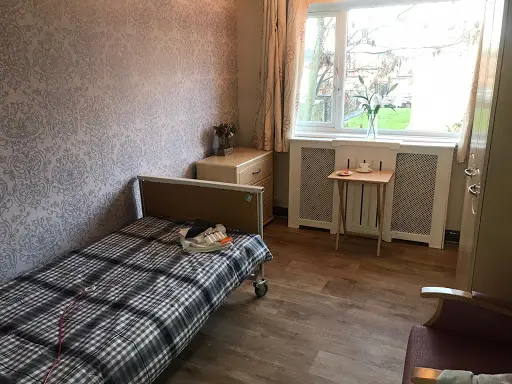
Families describe walking into bright, spacious rooms where their loved ones seem genuinely content. They mention finding their relatives engaged in activities or chatting with staff, rather than sitting alone. The atmosphere feels purposeful but relaxed, with people moving between different lounges or heading out to the courtyard.
The eight family priority themes
- Staff warmth72
- Compassion & dignity72
- Cleanliness72
- Activities & engagement65
- Food quality65
- Healthcare72
- Management & leadership75
- Resident happiness70
What inspectors found
Inspected 2022-08-17
Is this home safe?
Is the care effective?
The Effective domain was rated Good at the July 2025 inspection. This domain covers whether staff have the right training and knowledge, whether care plans are meaningful and kept up to date, whether residents have access to GPs and health professionals, and whether food meets individual needs. The published summary does not provide specific examples for Lenthall House in any of these areas. The home's specialism list includes dementia, learning disabilities, and mental health conditions, all of which require specific staff training and tailored care planning to meet the Good standard.Is this home caring?
The Caring domain was rated Good at the July 2025 inspection. This domain covers how staff treat the people who live at the home: whether they are warm and respectful, whether dignity and privacy are protected, and whether residents are supported to be as independent as possible. No direct inspector observations or resident and relative quotes are available in the published summary for this home, so the Good rating is the primary evidence available. The home supports people with a wide range of conditions, including dementia, where communication and non-verbal cues are particularly important markers of caring practice.Is the home responsive?
The Responsive domain was rated Good at the July 2025 inspection. This domain covers whether the home provides activities and engagement that reflect individual preferences, whether it responds to complaints effectively, and whether end-of-life care is handled with sensitivity. The published summary does not include details of the activity programme, how individual engagement is arranged for residents who cannot join group sessions, or how the home handles complaints and feedback. Lenthall House supports people with a wide range of conditions, and meaningful responsiveness for someone with advanced dementia will look very different from responsiveness for someone with a physical disability.Is the home well-led?
The Well-led domain was rated Good at the July 2025 inspection. The home has a named Registered Manager and a Nominated Individual, both recorded with the regulator. In the context of a home that has moved from Inadequate to Good, a Good Well-led rating is particularly significant: sustained improvement of this kind almost always requires stable, accountable leadership. The published summary does not describe the manager's tenure, the staff culture in detail, or how the home handles feedback and learning from incidents. The home is run by Leicestershire County Care Limited.
Source: CQC inspection report →
What the evidence base says
The home cares for both younger and older adults with varying needs including dementia, learning disabilities, mental health conditions and physical disabilities. They also support people with sensory impairments. For residents with dementia, the structured weekly activities and consistent staff presence seem to provide reassuring routine. Families appreciate being able to visit frequently, which helps maintain those vital connections. All areas worth probing directly during a visit.
The DCC Verdict
Our editorial view, built from the three lenses: what families tell us, what inspectors record, and how the home sits against good dementia-care practice.
DCC Family Score
Lenthall House scores 74 out of 100, reflecting a genuine and significant turnaround from a previous Inadequate rating to a Good rating across all five inspection domains. The score sits in the positive range but stops short of the highest band because the published report provides limited specific observations, direct quotes, or detailed evidence on day-to-day care beyond the headline ratings.
Homes in East Midlands typically score 68–82.The three-lens summary
What families tell us
Families describe walking into bright, spacious rooms where their loved ones seem genuinely content. They mention finding their relatives engaged in activities or chatting with staff, rather than sitting alone. The atmosphere feels purposeful but relaxed, with people moving between different lounges or heading out to the courtyard.
What inspectors have recorded
What strikes families most is how staff approach their work — not just completing tasks but genuinely connecting with residents. They notice how team members adapt their approach to each person's needs and personality. Communication with families feels straightforward, with flexible visiting arrangements that help everyone stay connected.
How it sits against good practice
Sometimes finding the right care home happens when you need it most — and the relief families express suggests Lenthall House rises to meet those moments.
Worth a visit
Lenthall House in Market Harborough was rated Good at its most recent inspection on 21 July 2025, with that rating confirmed across all five domains: Safe, Effective, Caring, Responsive, and Well-led. This is a significant turnaround: the home had previously held an Inadequate rating, meaning inspectors found serious concerns at an earlier point, and the current Good rating across the board reflects genuine improvement under the current management team. The home cares for up to 40 people across a wide range of needs, including dementia, learning disabilities, mental health conditions, physical disabilities, and sensory impairment. The main limitation for any family reading this report is that the published inspection summary provides headline ratings but very little specific detail. There are no direct inspector observations, resident quotes, or relative feedback recorded in the available text, which means the score and analysis here are based on the rating framework rather than granular evidence. Given the home's history of a previous Inadequate rating, it is especially important to visit in person, ask specific questions about staffing consistency and night cover, and speak to both residents and family members who already use the home. The improvements are real and recognised, but your own eyes on a visit will tell you more than any published rating.
The three questions to ask when you visitSave this home. Compare it against your shortlist.
Let our analysis show you how Lenthall House Residential Home measures up against the other homes you’re considering. Free account.
In Their Own Words
How Lenthall House Residential Home describes itself — collected from its own website. DCC has not edited or independently verified the content in this tab.
Where careful attention transforms everyday moments into meaningful connections
Lenthall House – Expert Care in Market Harborough
When families describe Lenthall House in Market Harborough, they talk about the small things that matter — how staff remember exactly how someone likes their tea, or pause mid-task to share a laugh. This care home supports people with various needs, from dementia to learning disabilities, creating a place where different generations and abilities come together.
Who they care for
The home cares for both younger and older adults with varying needs including dementia, learning disabilities, mental health conditions and physical disabilities. They also support people with sensory impairments.
For residents with dementia, the structured weekly activities and consistent staff presence seem to provide reassuring routine. Families appreciate being able to visit frequently, which helps maintain those vital connections.
“Sometimes finding the right care home happens when you need it most — and the relief families express suggests Lenthall House rises to meet those moments.”
DCC does not edit or curate content in this tab. For independently curated information, see The Evidence and DCC Verdict.
The DCC Verdict
Our editorial view, built from the three lenses: what families tell us, what inspectors record, and how the home sits against good dementia-care practice.
DCC Family Score
Lenthall House scores 74 out of 100, reflecting a genuine and significant turnaround from a previous Inadequate rating to a Good rating across all five inspection domains. The score sits in the positive range but stops short of the highest band because the published report provides limited specific observations, direct quotes, or detailed evidence on day-to-day care beyond the headline ratings.
Homes in East Midlands typically score 68–82.The three-lens summary
What families tell us
Families describe walking into bright, spacious rooms where their loved ones seem genuinely content. They mention finding their relatives engaged in activities or chatting with staff, rather than sitting alone. The atmosphere feels purposeful but relaxed, with people moving between different lounges or heading out to the courtyard.
What inspectors have recorded
What strikes families most is how staff approach their work — not just completing tasks but genuinely connecting with residents. They notice how team members adapt their approach to each person's needs and personality. Communication with families feels straightforward, with flexible visiting arrangements that help everyone stay connected.
How it sits against good practice
Sometimes finding the right care home happens when you need it most — and the relief families express suggests Lenthall House rises to meet those moments.
Worth a visit
Lenthall House in Market Harborough was rated Good at its most recent inspection on 21 July 2025, with that rating confirmed across all five domains: Safe, Effective, Caring, Responsive, and Well-led. This is a significant turnaround: the home had previously held an Inadequate rating, meaning inspectors found serious concerns at an earlier point, and the current Good rating across the board reflects genuine improvement under the current management team. The home cares for up to 40 people across a wide range of needs, including dementia, learning disabilities, mental health conditions, physical disabilities, and sensory impairment. The main limitation for any family reading this report is that the published inspection summary provides headline ratings but very little specific detail. There are no direct inspector observations, resident quotes, or relative feedback recorded in the available text, which means the score and analysis here are based on the rating framework rather than granular evidence. Given the home's history of a previous Inadequate rating, it is especially important to visit in person, ask specific questions about staffing consistency and night cover, and speak to both residents and family members who already use the home. The improvements are real and recognised, but your own eyes on a visit will tell you more than any published rating.
The three questions to ask when you visitSave this home. Compare it against your shortlist.
Let our analysis show you how Lenthall House Residential Home measures up against the other homes you’re considering. Free account.
In Their Own Words
How Lenthall House Residential Home describes itself — collected from its own website. DCC has not edited or independently verified the content in this tab.
Where careful attention transforms everyday moments into meaningful connections
Lenthall House – Expert Care in Market Harborough
When families describe Lenthall House in Market Harborough, they talk about the small things that matter — how staff remember exactly how someone likes their tea, or pause mid-task to share a laugh. This care home supports people with various needs, from dementia to learning disabilities, creating a place where different generations and abilities come together.
Who they care for
The home cares for both younger and older adults with varying needs including dementia, learning disabilities, mental health conditions and physical disabilities. They also support people with sensory impairments.
For residents with dementia, the structured weekly activities and consistent staff presence seem to provide reassuring routine. Families appreciate being able to visit frequently, which helps maintain those vital connections.
Management & ethos
What strikes families most is how staff approach their work — not just completing tasks but genuinely connecting with residents. They notice how team members adapt their approach to each person's needs and personality. Communication with families feels straightforward, with flexible visiting arrangements that help everyone stay connected.
The home & environment
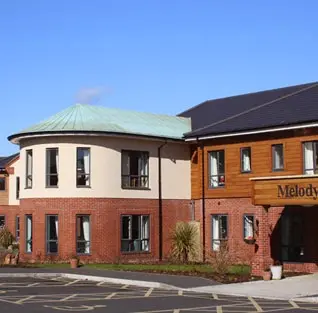
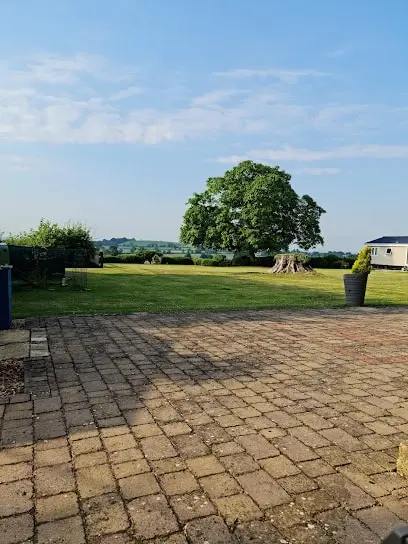
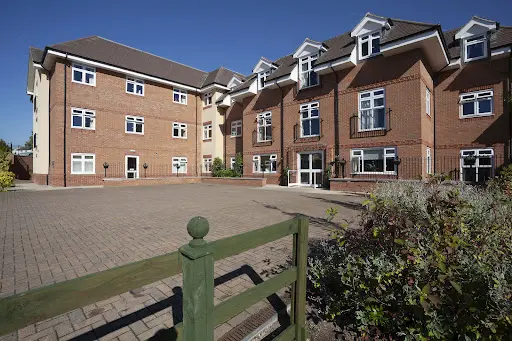
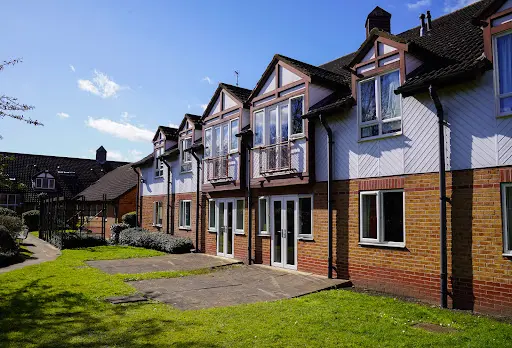
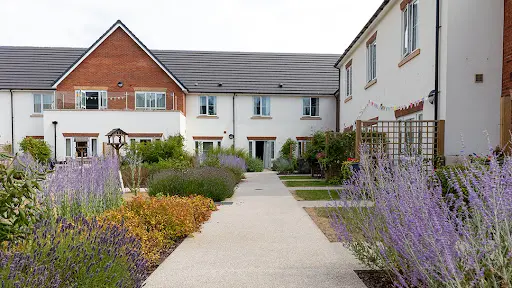
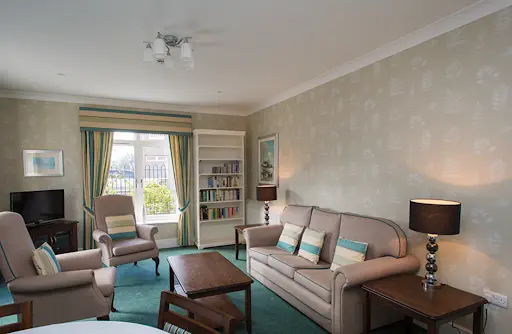
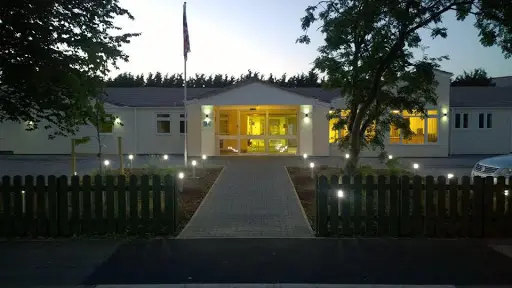
The home-cooked meals get particular praise from families who've watched their loved ones regain weight and enthusiasm for food. The building itself offers plenty of natural light and space to move around, with comfortable resident rooms that look out over pleasant views. There's a piano that gets regular use, and various activity spaces that stay busy throughout the week.
“Sometimes finding the right care home happens when you need it most — and the relief families express suggests Lenthall House rises to meet those moments.”
DCC does not edit or curate content in this tab. For independently curated information, see The Evidence and DCC Verdict.