Orchard Manor View
At a Glance
The information you need to decide whether this home warrants a closer look.
Residential homes
Staff warmth score
of reviewers answered yes
Good to know
- Registered beds30
- SpecialismsCaring for adults over 65 yrs, Caring for adults under 65 yrs, Dementia
- Last inspected2019-12-11
Save Orchard Manor View to your shortlist
Keep a running list, add visit notes, and compare homes side-by-side. Free account — it takes a minute.
STAGE 4 — RESEARCHING CARE HOMES
Visit homes. Compare them side by side. Choose with confidence.
Most of us will view care homes the way we view houses, impression, atmosphere, the feeling in the corridor. We go home, try to remember what we saw, and make a permanent decision from a blurred memory.

The DCC shortlist gives every home you visit a structured record: the same twelve questions, answered the same way, every time. When you’re ready to choose, pull any two homes side by side and compare them directly. Same criteria, same evidence, your notes and your scores.
The Evidence
What the review data, the inspection reports, and the dementia-care evidence base tell us about this home.
What families say
Families describe a warm atmosphere where residents participate in creative activities, exercise classes, and garden projects. The smaller scale appears particularly helpful for those who might feel overwhelmed in larger settings. Visiting entertainers add variety to the weekly programme, and families notice their relatives engaging more than they expected.
The eight family priority themes
- Staff warmth55
- Compassion & dignity55
- Cleanliness55
- Activities & engagement50
- Food quality50
- Healthcare55
- Management & leadership60
- Resident happiness55
What inspectors found
Inspected 2019-12-11
Is this home safe?
Is the care effective?
The Effective domain was rated Good. This covers care planning, dementia-specific training, food and hydration, and access to healthcare including GPs. The home lists dementia as a specialism, which means inspectors would have expected to see evidence of appropriate training and care planning. However, no specific detail on any of these areas is published in the available text.Is this home caring?
The Caring domain was rated Good. This covers how staff treat the people who live here, including dignity, respect, use of preferred names, and unhurried interactions. No inspector observations, resident quotes, or family feedback are published in the available text. The Good rating means inspectors did not find cause for concern, but it does not describe what warmth and kindness look like in practice at this home.Is the home responsive?
The Responsive domain was rated Good. This covers whether the home tailors care to individual preferences, provides meaningful activities, and plans appropriately for end of life. The home specialises in dementia care, so inspectors would have expected to see evidence of person-centred activity and individual engagement. No specific activities, schedules, or examples of tailored care are described in the published text.Is the home well-led?
The Well-led domain was rated Good. The home is run by Orchard Manor View Limited, with a named registered manager and a nominated individual identified in the inspection record. Good leadership at inspection typically means governance systems, quality monitoring, and staff support structures were in place. No specific examples of leadership practice, staff culture, or quality improvement are published in the available text.
Source: CQC inspection report →
What the evidence base says
The home provides residential care for adults over 65, under 65, and those living with dementia. Medical support comes through visiting doctors who respond quickly when needed. While the home accepts residents with dementia, families should discuss specific care approaches during their visit. The structured activity programme and smaller environment may suit some people with dementia well. All areas worth probing directly during a visit.
The DCC Verdict
Our editorial view, built from the three lenses: what families tell us, what inspectors record, and how the home sits against good dementia-care practice.
DCC Family Score
Orchard Manor View holds a Good rating across all five inspection domains, but the published inspection text contains very little specific detail, so scores reflect the rating rather than observed evidence. Families should treat this as a starting point and gather detail directly from the home.
Homes in East Midlands typically score 68–82.The three-lens summary
What families tell us
Families describe a warm atmosphere where residents participate in creative activities, exercise classes, and garden projects. The smaller scale appears particularly helpful for those who might feel overwhelmed in larger settings. Visiting entertainers add variety to the weekly programme, and families notice their relatives engaging more than they expected.
What inspectors have recorded
Staff take a friendly, approachable manner with both residents and families. Communication flows regularly, with management keeping relatives updated about health matters and daily life. The team coordinates effectively with visiting doctors, ensuring medical needs receive prompt attention. However, one family's experience with dementia care raised concerns about medication transparency and understanding of dementia-related behaviours.
How it sits against good practice
Drop-in visits are welcomed, giving you a chance to see the home's daily rhythm and meet the team who could be caring for your relative.
Worth a visit
Orchard Manor View, at 34 Robert Hall Street in Leicester, was rated Good across all five inspection domains at its most recent full inspection, carried out in November 2020 and published in December 2020. A monitoring review in July 2023 found no reason to change that rating. The home provides residential care for up to 30 people, including those living with dementia, and covers both over- and under-65 age groups. There is a named registered manager and a nominated individual, indicating a formal leadership structure. The main limitation here is the very thin published inspection text. A Good rating is genuinely positive, but the report as available gives almost no specific observations, resident or family quotes, or detail on staffing, food, or activities. The inspection is also now more than four years old, which means the home could look quite different today. When you visit, ask to see last month's staffing rotas (counting permanent versus agency names on night shifts), ask how often care plans are reviewed, and look at the activities board to check whether individual one-to-one sessions are offered alongside group activities.
The three questions to ask when you visitSave this home. Compare it against your shortlist.
Let our analysis show you how Orchard Manor View measures up against the other homes you’re considering. Free account.
In Their Own Words
How Orchard Manor View describes itself — collected from its own website. DCC has not edited or independently verified the content in this tab.
Small Leicester care home where activities and friendships flourish
Compassionate Care in Leicester at Orchard Manor View
For families seeking a smaller care setting in Leicester, Orchard Manor View offers a gentler transition into residential care. The home's modest size seems to help residents settle more easily, with several families noting how their relatives formed friendships and joined in activities they'd previously avoided. Located in the East Midlands, this home cares for adults both over and under 65, including those living with dementia.
Who they care for
The home provides residential care for adults over 65, under 65, and those living with dementia. Medical support comes through visiting doctors who respond quickly when needed.
While the home accepts residents with dementia, families should discuss specific care approaches during their visit. The structured activity programme and smaller environment may suit some people with dementia well.
“Drop-in visits are welcomed, giving you a chance to see the home's daily rhythm and meet the team who could be caring for your relative.”
DCC does not edit or curate content in this tab. For independently curated information, see The Evidence and DCC Verdict.
The DCC Verdict
Our editorial view, built from the three lenses: what families tell us, what inspectors record, and how the home sits against good dementia-care practice.
DCC Family Score
Orchard Manor View holds a Good rating across all five inspection domains, but the published inspection text contains very little specific detail, so scores reflect the rating rather than observed evidence. Families should treat this as a starting point and gather detail directly from the home.
Homes in East Midlands typically score 68–82.The three-lens summary
What families tell us
Families describe a warm atmosphere where residents participate in creative activities, exercise classes, and garden projects. The smaller scale appears particularly helpful for those who might feel overwhelmed in larger settings. Visiting entertainers add variety to the weekly programme, and families notice their relatives engaging more than they expected.
What inspectors have recorded
Staff take a friendly, approachable manner with both residents and families. Communication flows regularly, with management keeping relatives updated about health matters and daily life. The team coordinates effectively with visiting doctors, ensuring medical needs receive prompt attention. However, one family's experience with dementia care raised concerns about medication transparency and understanding of dementia-related behaviours.
How it sits against good practice
Drop-in visits are welcomed, giving you a chance to see the home's daily rhythm and meet the team who could be caring for your relative.
Worth a visit
Orchard Manor View, at 34 Robert Hall Street in Leicester, was rated Good across all five inspection domains at its most recent full inspection, carried out in November 2020 and published in December 2020. A monitoring review in July 2023 found no reason to change that rating. The home provides residential care for up to 30 people, including those living with dementia, and covers both over- and under-65 age groups. There is a named registered manager and a nominated individual, indicating a formal leadership structure. The main limitation here is the very thin published inspection text. A Good rating is genuinely positive, but the report as available gives almost no specific observations, resident or family quotes, or detail on staffing, food, or activities. The inspection is also now more than four years old, which means the home could look quite different today. When you visit, ask to see last month's staffing rotas (counting permanent versus agency names on night shifts), ask how often care plans are reviewed, and look at the activities board to check whether individual one-to-one sessions are offered alongside group activities.
The three questions to ask when you visitSave this home. Compare it against your shortlist.
Let our analysis show you how Orchard Manor View measures up against the other homes you’re considering. Free account.
In Their Own Words
How Orchard Manor View describes itself — collected from its own website. DCC has not edited or independently verified the content in this tab.
Small Leicester care home where activities and friendships flourish
Compassionate Care in Leicester at Orchard Manor View
For families seeking a smaller care setting in Leicester, Orchard Manor View offers a gentler transition into residential care. The home's modest size seems to help residents settle more easily, with several families noting how their relatives formed friendships and joined in activities they'd previously avoided. Located in the East Midlands, this home cares for adults both over and under 65, including those living with dementia.
Who they care for
The home provides residential care for adults over 65, under 65, and those living with dementia. Medical support comes through visiting doctors who respond quickly when needed.
While the home accepts residents with dementia, families should discuss specific care approaches during their visit. The structured activity programme and smaller environment may suit some people with dementia well.
Management & ethos
Staff take a friendly, approachable manner with both residents and families. Communication flows regularly, with management keeping relatives updated about health matters and daily life. The team coordinates effectively with visiting doctors, ensuring medical needs receive prompt attention. However, one family's experience with dementia care raised concerns about medication transparency and understanding of dementia-related behaviours.
The home & environment
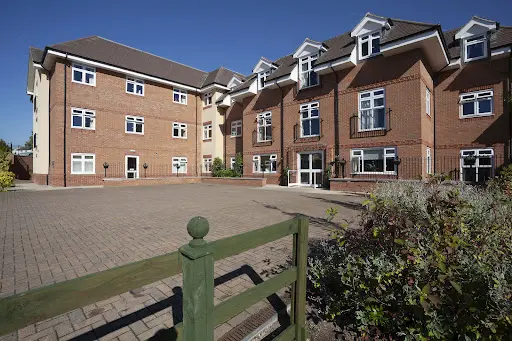
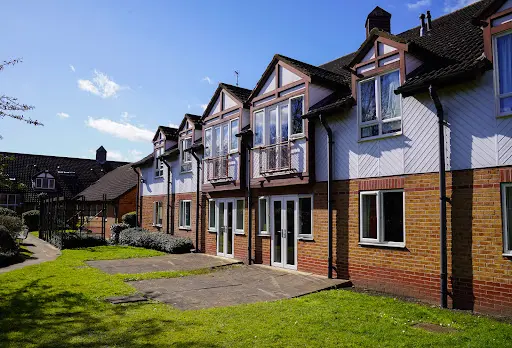
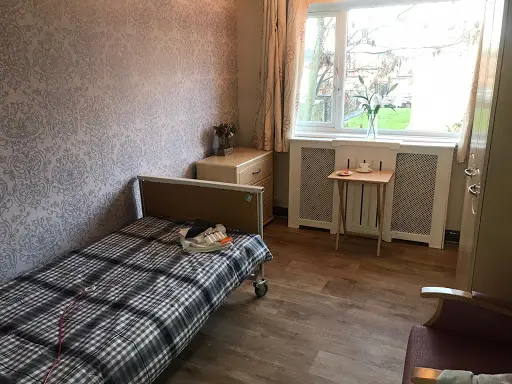
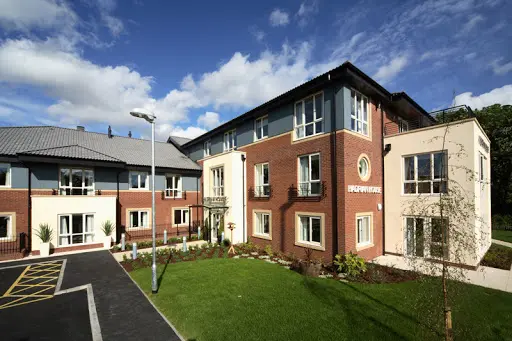
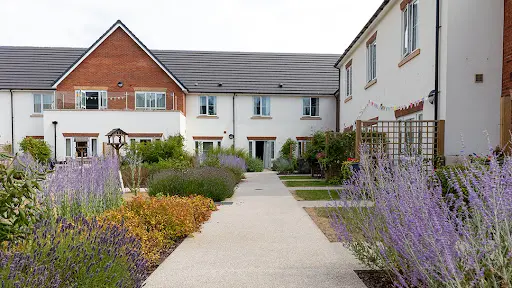
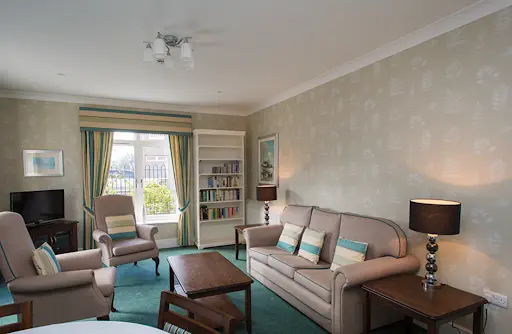
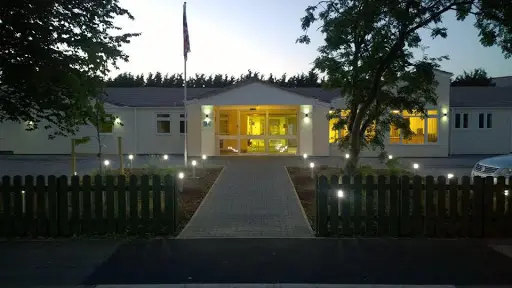
The home maintains spotless conditions throughout, with families consistently mentioning the fresh, odour-free environment. The cook prepares standard meals with personal touches, including birthday cakes baked specially for residents. The building itself is well-kept and professional, creating a pleasant space for both residents and visitors.
“Drop-in visits are welcomed, giving you a chance to see the home's daily rhythm and meet the team who could be caring for your relative.”
DCC does not edit or curate content in this tab. For independently curated information, see The Evidence and DCC Verdict.