Lindsey Hall Care Home
At a Glance
The information you need to decide whether this home warrants a closer look.
Residential homes
Staff warmth score
of reviewers answered yes
Good to know
- Registered beds79
- SpecialismsCaring for adults over 65 yrs, Caring for adults under 65 yrs, Dementia, Mental health conditions, Physical disabilities
- Last inspected2022-08-12
Save Lindsey Hall Care Home to your shortlist
Keep a running list, add visit notes, and compare homes side-by-side. Free account — it takes a minute.
STAGE 4 — RESEARCHING CARE HOMES
Visit homes. Compare them side by side. Choose with confidence.
Most of us will view care homes the way we view houses, impression, atmosphere, the feeling in the corridor. We go home, try to remember what we saw, and make a permanent decision from a blurred memory.

The DCC shortlist gives every home you visit a structured record: the same twelve questions, answered the same way, every time. When you’re ready to choose, pull any two homes side by side and compare them directly. Same criteria, same evidence, your notes and your scores.
The Evidence
What the review data, the inspection reports, and the dementia-care evidence base tell us about this home.
What families say
Several families talk about seeing their relatives become more engaged and sociable here. People mention regular activities that help residents stay connected, and some have noticed real improvements in confidence. The atmosphere seems to help people feel more like themselves again.
The eight family priority themes
- Staff warmth72
- Compassion & dignity72
- Cleanliness70
- Activities & engagement65
- Food quality65
- Healthcare68
- Management & leadership70
- Resident happiness68
What inspectors found
Inspected 2022-08-12
Is this home safe?
Is the care effective?
The effective domain was rated Good at the June 2022 inspection. The home lists dementia as a specialism, which implies relevant training is provided, though no specific training content, care plan examples, or healthcare access detail is described in the published report. The rating indicates that the home met the required standard across care planning, training, and health monitoring at the time of inspection.Is this home caring?
The caring domain was rated Good at the June 2022 inspection. No direct quotes from residents or relatives are included in the published report, and no specific inspector observations about staff warmth, pace of interactions, or dignity practices are recorded. The Good rating indicates that the standard was met, but the report provides no descriptive detail about what caring looks like day to day in this home.Is the home responsive?
The responsive domain was rated Good at the June 2022 inspection. The home's registered specialisms include dementia, mental health conditions, and physical disabilities, suggesting it is equipped to respond to a range of needs. No specific detail about the activities programme, individual engagement, or end-of-life planning is included in the published report. The rating indicates the standard was met but provides no descriptive picture of daily life.Is the home well-led?
The well-led domain was rated Good at the June 2022 inspection. The home is run by Yorkare Homes (Cleethorpes) Ltd, with a named registered manager and a nominated individual recorded. No specific detail about management visibility, staff culture, governance processes, or how the home responds to complaints is included in the published report. Notably, the home's overall rating has declined from a previous Outstanding to Good, which is a material change worth understanding.
Source: CQC inspection report →
What the evidence base says
The home cares for adults both under and over 65, including those with physical disabilities and mental health conditions. They also support people living with dementia. While the home does provide dementia care, it's worth having a frank conversation about their approach to residents whose needs change over time. Ask specifically about their policies around hospital admissions and what support they can offer as dementia progresses. All areas worth probing directly during a visit.
The DCC Verdict
Our editorial view, built from the three lenses: what families tell us, what inspectors record, and how the home sits against good dementia-care practice.
DCC Family Score
Lindsey Hall Care Home scores 72 out of 100. Every domain was rated Good at the last inspection, but the report contains limited specific detail, observations, or direct quotes that would push individual scores higher.
Homes in Yorkshire & Humberside typically score 68–82.The three-lens summary
What families tell us
Several families talk about seeing their relatives become more engaged and sociable here. People mention regular activities that help residents stay connected, and some have noticed real improvements in confidence. The atmosphere seems to help people feel more like themselves again.
What inspectors have recorded
Experiences with staff seem to vary. Some families speak highly of the individual care their relatives receive, while others have found staff less welcoming. One family raised serious concerns about being refused readmission after a hospital stay, which suggests you'll want to ask detailed questions about their policies for residents with complex needs.
How it sits against good practice
Most families clearly see positive changes in their loved ones here, but it's important to discuss your specific situation thoroughly before making any decisions.
Worth a visit
Lindsey Hall Care Home, on Clee Road in Cleethorpes, was rated Good across all five domains at its most recent inspection in June 2022. The home is registered for 79 beds and supports people with dementia, mental health conditions, and physical disabilities, covering both older and younger adults. A named registered manager and nominated individual are recorded, suggesting a formal leadership structure. The rating has declined from a previous Outstanding, which is worth noting as you weigh your decision. The published report is short on specific detail: there are no direct quotes from residents or relatives, no inspector observations about day-to-day life, and no specific examples of what Good looks like inside this home. That means the Good rating tells you the home meets the required standard, but you will need to gather the finer picture yourself. On your visit, pay particular attention to night staffing numbers (79 beds is a sizeable home), how staff speak to and move around your parent, whether the environment feels genuinely dementia-friendly, and why the rating has fallen from Outstanding. Ask the manager directly what changed and what they are doing about it.
The three questions to ask when you visitSave this home. Compare it against your shortlist.
Let our analysis show you how Lindsey Hall Care Home measures up against the other homes you’re considering. Free account.
In Their Own Words
How Lindsey Hall Care Home describes itself — collected from its own website. DCC has not edited or independently verified the content in this tab.
Where residents rediscover confidence and daily joy
Dedicated residential home Support in Cleethorpes
Families describe watching their loved ones flourish at Lindsey Hall Care Home in Cleethorpes, with several noting real improvements in mood and quality of life. The home supports adults of all ages, including those living with dementia, mental health conditions and physical disabilities. While most families speak warmly about the difference they've seen in their relatives, there have been some concerns about how complex care needs are managed.
Who they care for
The home cares for adults both under and over 65, including those with physical disabilities and mental health conditions. They also support people living with dementia.
While the home does provide dementia care, it's worth having a frank conversation about their approach to residents whose needs change over time. Ask specifically about their policies around hospital admissions and what support they can offer as dementia progresses.
“Most families clearly see positive changes in their loved ones here, but it's important to discuss your specific situation thoroughly before making any decisions.”
DCC does not edit or curate content in this tab. For independently curated information, see The Evidence and DCC Verdict.
The DCC Verdict
Our editorial view, built from the three lenses: what families tell us, what inspectors record, and how the home sits against good dementia-care practice.
DCC Family Score
Lindsey Hall Care Home scores 72 out of 100. Every domain was rated Good at the last inspection, but the report contains limited specific detail, observations, or direct quotes that would push individual scores higher.
Homes in Yorkshire & Humberside typically score 68–82.The three-lens summary
What families tell us
Several families talk about seeing their relatives become more engaged and sociable here. People mention regular activities that help residents stay connected, and some have noticed real improvements in confidence. The atmosphere seems to help people feel more like themselves again.
What inspectors have recorded
Experiences with staff seem to vary. Some families speak highly of the individual care their relatives receive, while others have found staff less welcoming. One family raised serious concerns about being refused readmission after a hospital stay, which suggests you'll want to ask detailed questions about their policies for residents with complex needs.
How it sits against good practice
Most families clearly see positive changes in their loved ones here, but it's important to discuss your specific situation thoroughly before making any decisions.
Worth a visit
Lindsey Hall Care Home, on Clee Road in Cleethorpes, was rated Good across all five domains at its most recent inspection in June 2022. The home is registered for 79 beds and supports people with dementia, mental health conditions, and physical disabilities, covering both older and younger adults. A named registered manager and nominated individual are recorded, suggesting a formal leadership structure. The rating has declined from a previous Outstanding, which is worth noting as you weigh your decision. The published report is short on specific detail: there are no direct quotes from residents or relatives, no inspector observations about day-to-day life, and no specific examples of what Good looks like inside this home. That means the Good rating tells you the home meets the required standard, but you will need to gather the finer picture yourself. On your visit, pay particular attention to night staffing numbers (79 beds is a sizeable home), how staff speak to and move around your parent, whether the environment feels genuinely dementia-friendly, and why the rating has fallen from Outstanding. Ask the manager directly what changed and what they are doing about it.
The three questions to ask when you visitSave this home. Compare it against your shortlist.
Let our analysis show you how Lindsey Hall Care Home measures up against the other homes you’re considering. Free account.
In Their Own Words
How Lindsey Hall Care Home describes itself — collected from its own website. DCC has not edited or independently verified the content in this tab.
Where residents rediscover confidence and daily joy
Dedicated residential home Support in Cleethorpes
Families describe watching their loved ones flourish at Lindsey Hall Care Home in Cleethorpes, with several noting real improvements in mood and quality of life. The home supports adults of all ages, including those living with dementia, mental health conditions and physical disabilities. While most families speak warmly about the difference they've seen in their relatives, there have been some concerns about how complex care needs are managed.
Who they care for
The home cares for adults both under and over 65, including those with physical disabilities and mental health conditions. They also support people living with dementia.
While the home does provide dementia care, it's worth having a frank conversation about their approach to residents whose needs change over time. Ask specifically about their policies around hospital admissions and what support they can offer as dementia progresses.
Management & ethos
Experiences with staff seem to vary. Some families speak highly of the individual care their relatives receive, while others have found staff less welcoming. One family raised serious concerns about being refused readmission after a hospital stay, which suggests you'll want to ask detailed questions about their policies for residents with complex needs.
The home & environment
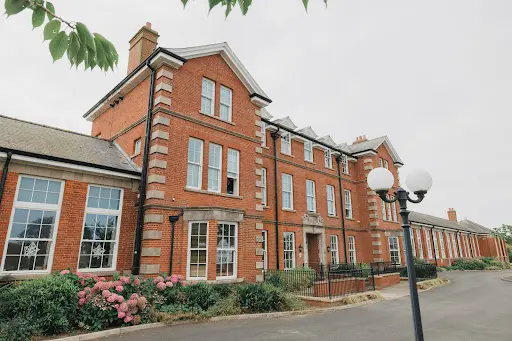
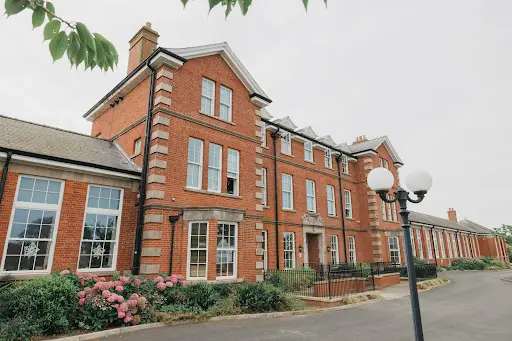
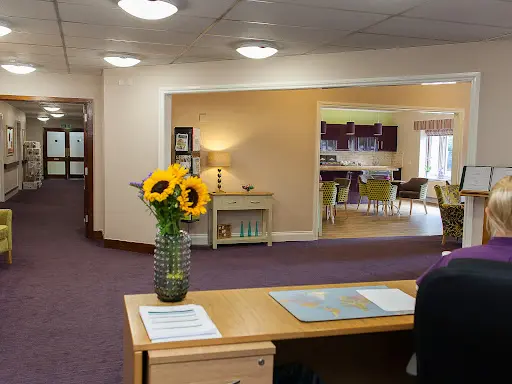
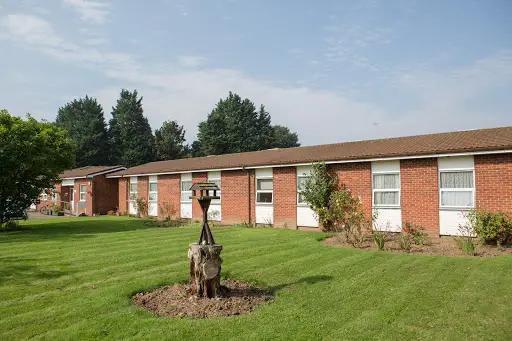
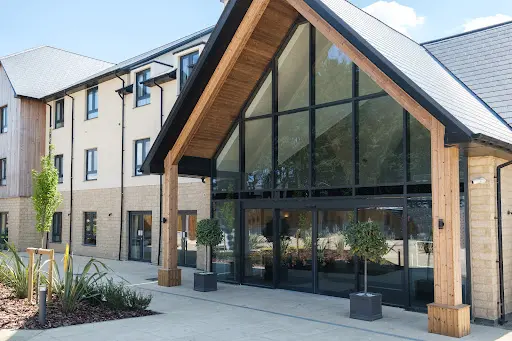
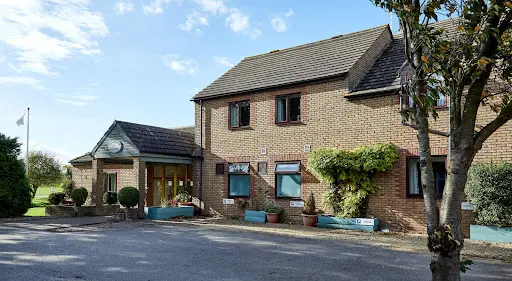
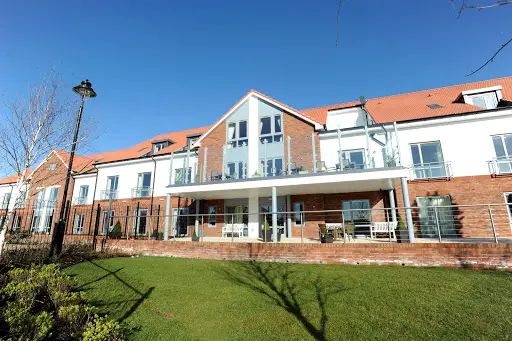
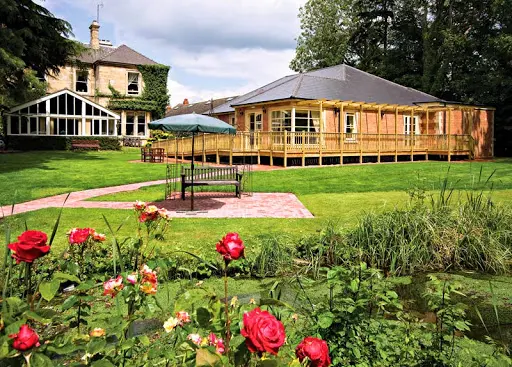
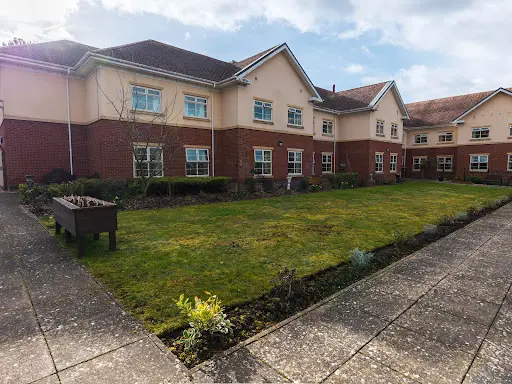
The building itself gets positive mentions from visitors, who describe it as pleasant and well-kept. While families don't go into great detail about specific features, the overall impression is of a comfortable, well-maintained environment.
“Most families clearly see positive changes in their loved ones here, but it's important to discuss your specific situation thoroughly before making any decisions.”
DCC does not edit or curate content in this tab. For independently curated information, see The Evidence and DCC Verdict.