Barchester – Leeming Bar Grange Care Home
At a Glance
The information you need to decide whether this home warrants a closer look.
Residential homes
Staff warmth score
of reviewers answered yes
Good to know
- Registered beds60
- SpecialismsCaring for adults over 65 yrs, Dementia, Physical disabilities
- Last inspected2020-04-10
Save Barchester – Leeming Bar Grange Care Home to your shortlist
Keep a running list, add visit notes, and compare homes side-by-side. Free account — it takes a minute.
STAGE 4 — RESEARCHING CARE HOMES
Visit homes. Compare them side by side. Choose with confidence.
Most of us will view care homes the way we view houses, impression, atmosphere, the feeling in the corridor. We go home, try to remember what we saw, and make a permanent decision from a blurred memory.

The DCC shortlist gives every home you visit a structured record: the same twelve questions, answered the same way, every time. When you’re ready to choose, pull any two homes side by side and compare them directly. Same criteria, same evidence, your notes and your scores.
The Evidence
What the review data, the inspection reports, and the dementia-care evidence base tell us about this home.
What families say
The atmosphere strikes visitors as genuinely warm rather than institutional. Residents join in activities at their own pace, whether that's crafts in the morning or entertainment in the afternoon. Families mention how their loved ones seem content, with staff who chat and joke naturally throughout the day.
The eight family priority themes
- Staff warmth72
- Compassion & dignity72
- Cleanliness70
- Activities & engagement65
- Food quality65
- Healthcare68
- Management & leadership72
- Resident happiness70
What inspectors found
Inspected 2020-04-10
Is this home safe?
Is the care effective?
The effective domain was rated Good at the February 2021 inspection. The published report does not describe care plan quality, GP access arrangements, dementia training content, or food provision in any detail. The home declares dementia as a specialism, which implies a commitment to relevant training, but the inspection text does not confirm what that training involves or how recently staff completed it.Is this home caring?
The caring domain was rated Good at the February 2021 inspection. No direct observations of staff interactions, no resident or relative quotes, and no specific examples of dignity or compassion in practice are included in the published text. The Good rating indicates inspectors were satisfied with what they saw, but the basis for that judgement is not visible in this report.Is the home responsive?
The responsive domain was rated Good at the February 2021 inspection. The published report does not describe the activity programme, how the home supports people with advanced dementia who cannot join group activities, or how individual preferences shape daily life. The home's declared dementia specialism suggests some structured approach to meaningful engagement, but no specific evidence is available in the published text.Is the home well-led?
The well-led domain was rated Good at the February 2021 inspection. A registered manager, Miss Kathryn Louise Billett, is named and in post. A nominated individual, Mr Dominic Jude Kay, provides oversight at organisational level. The published report does not describe management visibility, staff culture, how the home handles complaints, or whether staff feel able to speak up. The Good rating indicates inspectors were satisfied with leadership, but no supporting detail is available.
Source: CQC inspection report →
What the evidence base says
The home welcomes people over 65 who need support with dementia or physical disabilities. Weekly visits from hairdressers and regular exercise classes help maintain wellbeing alongside nursing care. Staff show real understanding of how dementia affects each person differently. They adapt their approach as needs change, maintaining familiar routines while gently supporting residents through confusion or distress. All areas worth probing directly during a visit.
The DCC Verdict
Our editorial view, built from the three lenses: what families tell us, what inspectors record, and how the home sits against good dementia-care practice.
DCC Family Score
Leeming Bar Grange Care Home was rated Good across all five inspection domains in February 2021, which places it in solid territory. However, the published report text contains very limited specific detail, so scores reflect a confirmed Good rating rather than rich, observed evidence.
Homes in Yorkshire & Humberside typically score 68–82.The three-lens summary
What families tell us
The atmosphere strikes visitors as genuinely warm rather than institutional. Residents join in activities at their own pace, whether that's crafts in the morning or entertainment in the afternoon. Families mention how their loved ones seem content, with staff who chat and joke naturally throughout the day.
What inspectors have recorded
Communication flows both ways here. The manager contacts families proactively about any concerns and takes time to understand each resident's history. Families appreciate the regular updates and find staff approachable when they have questions or worries.
How it sits against good practice
Many staff have worked here for years, creating the continuity that matters so much when memory fades.
Worth a visit
Leeming Bar Grange Care Home, on Leeming Lane in Northallerton, was rated Good across all five inspection domains at its most recent inspection in February 2021, with the report published in March 2021. The home is registered for up to 60 people and declares specialisms in dementia care, support for older adults, and care for people with physical disabilities. A registered manager is named and in post, alongside a nominated individual providing organisational oversight. All five domains, covering safety, effectiveness, caring, responsiveness, and leadership, received a Good rating. The main limitation for families reading this report is that the published text is very brief and contains almost no specific observations, resident or relative quotes, or detailed evidence to explain how those Good ratings were reached. This means the rating is real but the reasoning behind it is not visible here. Before visiting, prepare a list of specific questions covering night staffing ratios, agency staff use, dementia training content, and how the home communicates with families day to day. On the visit itself, arrive at a mealtime if possible, watch how staff interact with residents in the corridors, and ask to speak with the registered manager directly to get a feel for how the home is led.
The three questions to ask when you visitSave this home. Compare it against your shortlist.
Let our analysis show you how Barchester – Leeming Bar Grange Care Home measures up against the other homes you’re considering. Free account.
In Their Own Words
How Barchester – Leeming Bar Grange Care Home describes itself — collected from its own website. DCC has not edited or independently verified the content in this tab.
Where understanding dementia means knowing each person's story
Compassionate Care in Northallerton at Leeming Bar Grange Care Home
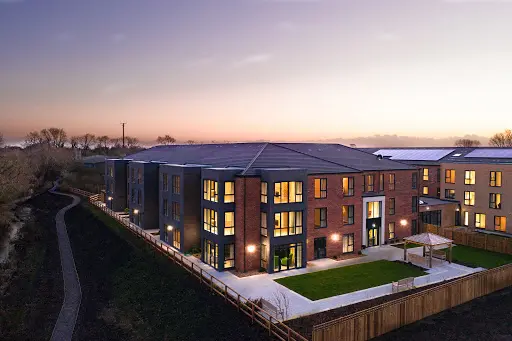
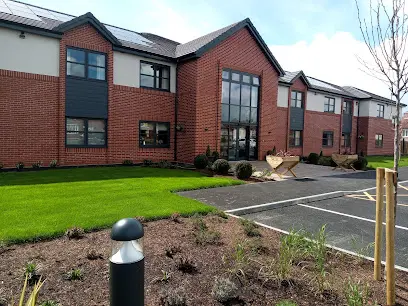
Families describe a different kind of relief when they visit Leeming Bar Grange Care Home in Northallerton. It's in the details — how staff remember that dad prefers his tea lukewarm, or that mum lights up during singalongs. This purpose-built home creates structure through daily activities while adapting to each resident's changing needs.
Who they care for
The home welcomes people over 65 who need support with dementia or physical disabilities. Weekly visits from hairdressers and regular exercise classes help maintain wellbeing alongside nursing care.
Staff show real understanding of how dementia affects each person differently. They adapt their approach as needs change, maintaining familiar routines while gently supporting residents through confusion or distress.
“Many staff have worked here for years, creating the continuity that matters so much when memory fades.”
DCC does not edit or curate content in this tab. For independently curated information, see The Evidence and DCC Verdict.
The DCC Verdict
Our editorial view, built from the three lenses: what families tell us, what inspectors record, and how the home sits against good dementia-care practice.
DCC Family Score
Leeming Bar Grange Care Home was rated Good across all five inspection domains in February 2021, which places it in solid territory. However, the published report text contains very limited specific detail, so scores reflect a confirmed Good rating rather than rich, observed evidence.
Homes in Yorkshire & Humberside typically score 68–82.The three-lens summary
What families tell us
The atmosphere strikes visitors as genuinely warm rather than institutional. Residents join in activities at their own pace, whether that's crafts in the morning or entertainment in the afternoon. Families mention how their loved ones seem content, with staff who chat and joke naturally throughout the day.
What inspectors have recorded
Communication flows both ways here. The manager contacts families proactively about any concerns and takes time to understand each resident's history. Families appreciate the regular updates and find staff approachable when they have questions or worries.
How it sits against good practice
Many staff have worked here for years, creating the continuity that matters so much when memory fades.
Worth a visit
Leeming Bar Grange Care Home, on Leeming Lane in Northallerton, was rated Good across all five inspection domains at its most recent inspection in February 2021, with the report published in March 2021. The home is registered for up to 60 people and declares specialisms in dementia care, support for older adults, and care for people with physical disabilities. A registered manager is named and in post, alongside a nominated individual providing organisational oversight. All five domains, covering safety, effectiveness, caring, responsiveness, and leadership, received a Good rating. The main limitation for families reading this report is that the published text is very brief and contains almost no specific observations, resident or relative quotes, or detailed evidence to explain how those Good ratings were reached. This means the rating is real but the reasoning behind it is not visible here. Before visiting, prepare a list of specific questions covering night staffing ratios, agency staff use, dementia training content, and how the home communicates with families day to day. On the visit itself, arrive at a mealtime if possible, watch how staff interact with residents in the corridors, and ask to speak with the registered manager directly to get a feel for how the home is led.
The three questions to ask when you visitSave this home. Compare it against your shortlist.
Let our analysis show you how Barchester – Leeming Bar Grange Care Home measures up against the other homes you’re considering. Free account.
In Their Own Words
How Barchester – Leeming Bar Grange Care Home describes itself — collected from its own website. DCC has not edited or independently verified the content in this tab.
Where understanding dementia means knowing each person's story
Compassionate Care in Northallerton at Leeming Bar Grange Care Home
Families describe a different kind of relief when they visit Leeming Bar Grange Care Home in Northallerton. It's in the details — how staff remember that dad prefers his tea lukewarm, or that mum lights up during singalongs. This purpose-built home creates structure through daily activities while adapting to each resident's changing needs.
Who they care for
The home welcomes people over 65 who need support with dementia or physical disabilities. Weekly visits from hairdressers and regular exercise classes help maintain wellbeing alongside nursing care.
Staff show real understanding of how dementia affects each person differently. They adapt their approach as needs change, maintaining familiar routines while gently supporting residents through confusion or distress.
Management & ethos
Communication flows both ways here. The manager contacts families proactively about any concerns and takes time to understand each resident's history. Families appreciate the regular updates and find staff approachable when they have questions or worries.
The home & environment
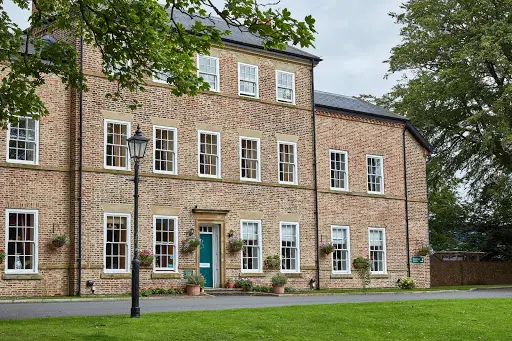
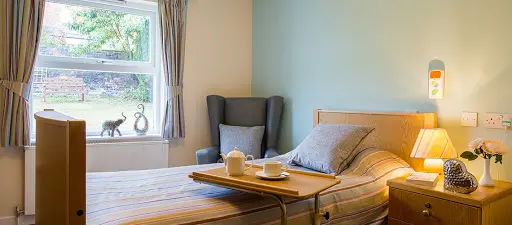
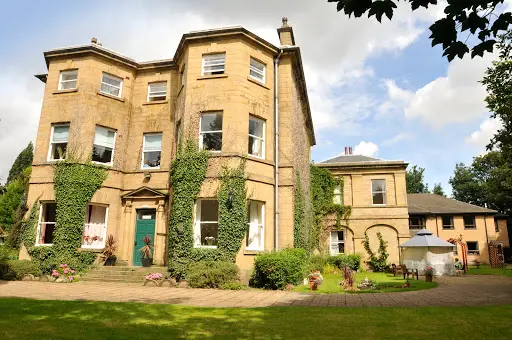
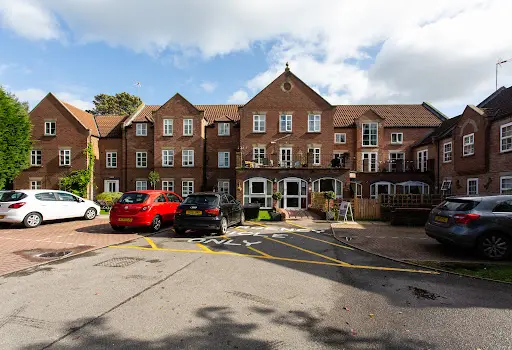
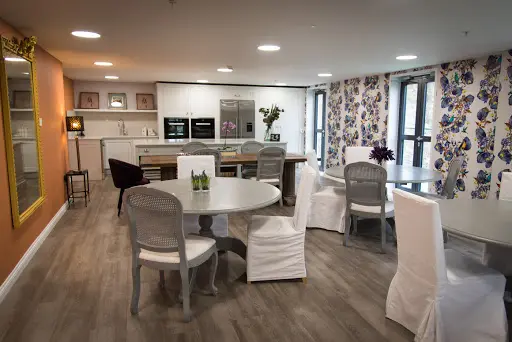
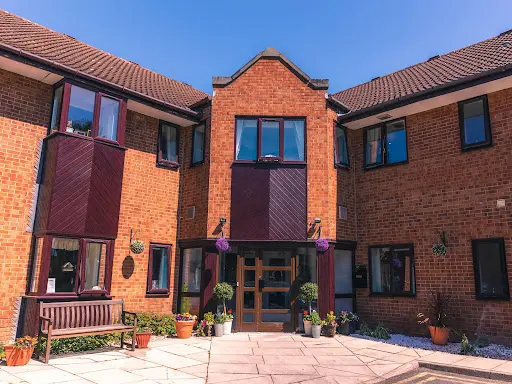
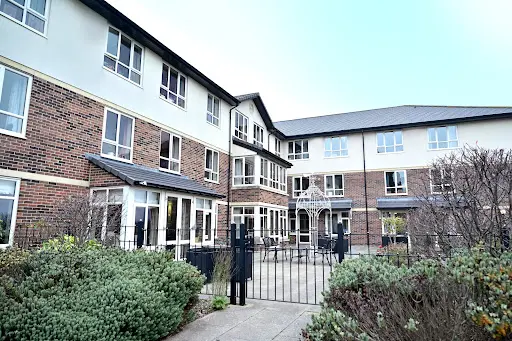
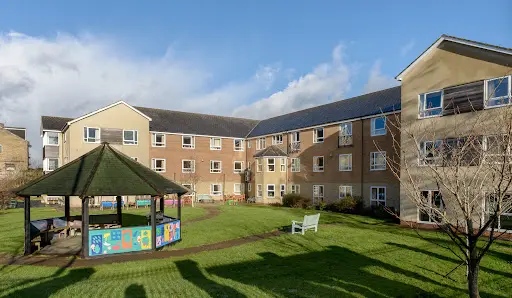
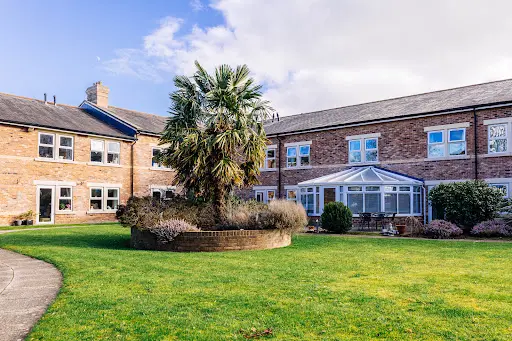
Fresh meals come from the home's own kitchen, where cooks prepare everything from scratch and mark special occasions with homemade cakes. The building stays notably clean and well-maintained, with practical rooms that families describe as homely. Outside spaces and a minibus for trips add variety to daily life.
“Many staff have worked here for years, creating the continuity that matters so much when memory fades.”
DCC does not edit or curate content in this tab. For independently curated information, see The Evidence and DCC Verdict.